Table
Daily Oil and Finishing Oil: Two Bottles, Two Jobs
Splitting your EVOO into a daily cooking bottle and a finishing bottle makes sense for both flavour and value. Here is how to read the labels and which lines belong in each role.
Translated from the Korean edition, originally published June 18, 2025 · read the original
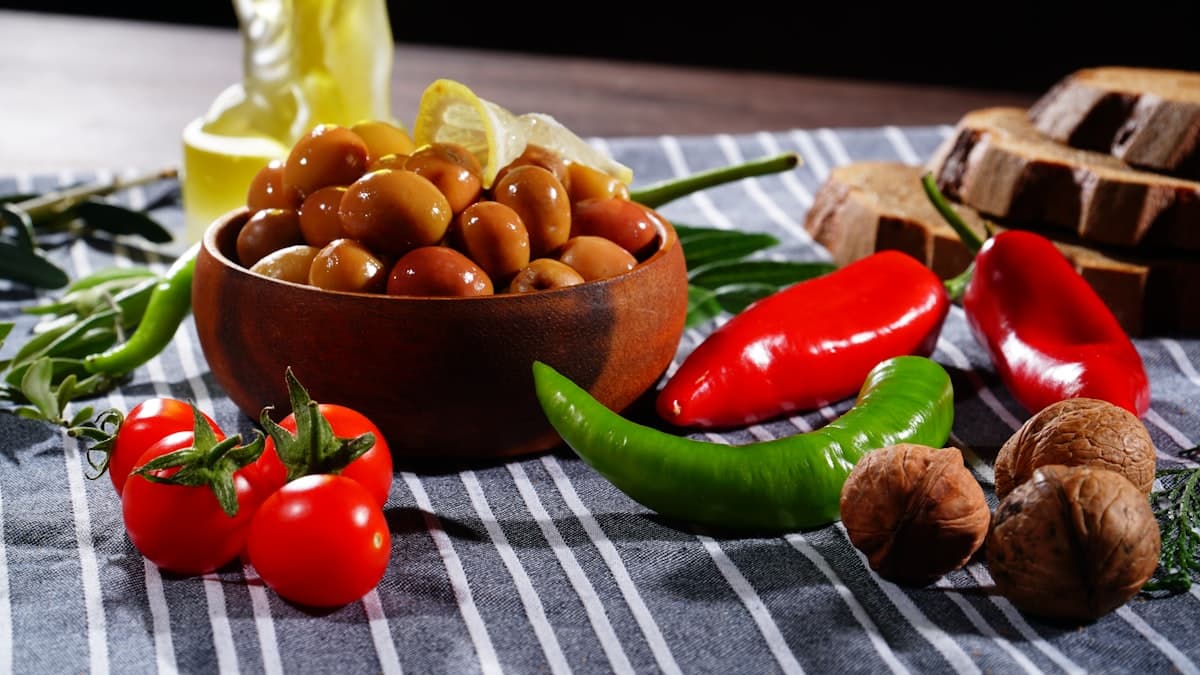
Using a single bottle of extra virgin olive oil for everything — from high-heat sautéing to a final drizzle over a finished plate — is by far the most common approach. But when you weigh both flavour and long-term cost, the case for keeping two separate bottles, one for daily cooking and one for finishing, comes up again and again. What exactly separates the two on a label, and which lines belong in each role?
The Daily Bottle: Built for Heat and Volume
The daily slot covers stir-fries, marinades, pan cooking, and any task where the oil is heated or used in quantity. Extra virgin olive oil has a generally reported smoke point of around 190–210 °C, and research consistently indicates that lower free acidity is associated with greater heat stability. The lines that most often appear in this role are one-litre blends — formats such as the Olitalia Classico, De Cecco Classico, and Borges Spain 1 L sit squarely in this category. Published acidity figures for oils in this tier typically fall in the 0.2–0.5% range. A flavour profile that does not assert itself strongly is generally considered an asset for cooked applications, since dominant grassy or peppery notes can read as out of place once heat is applied.
The Finishing Bottle: Where Aroma and Polyphenols Matter
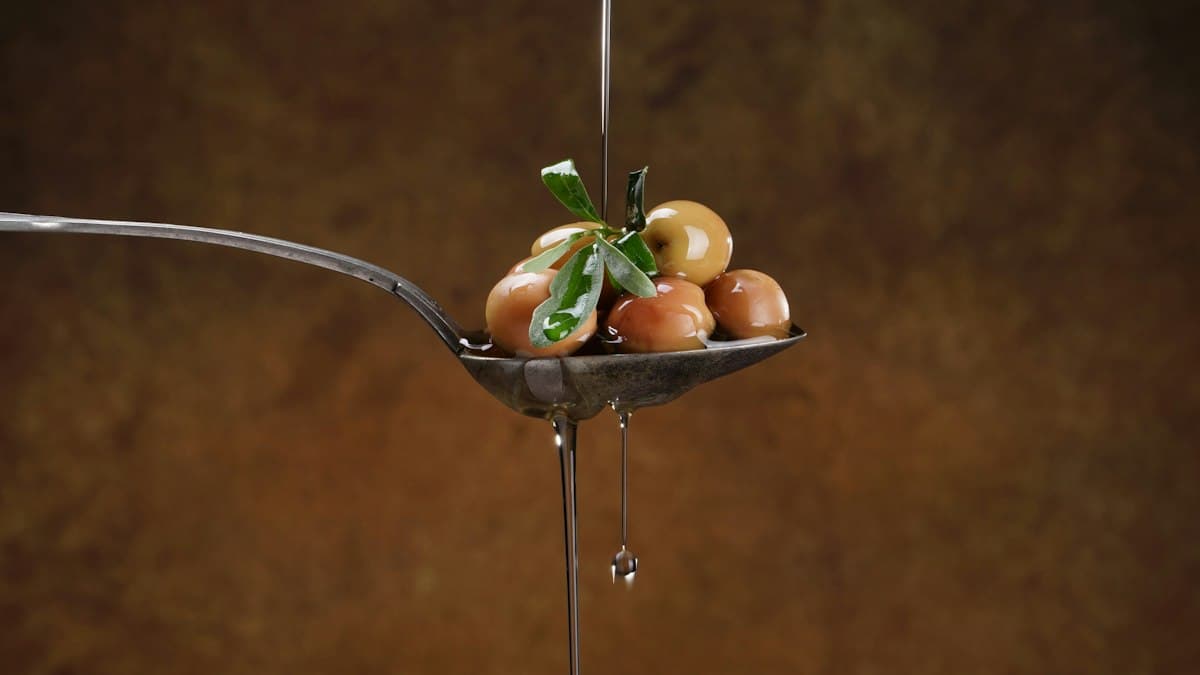
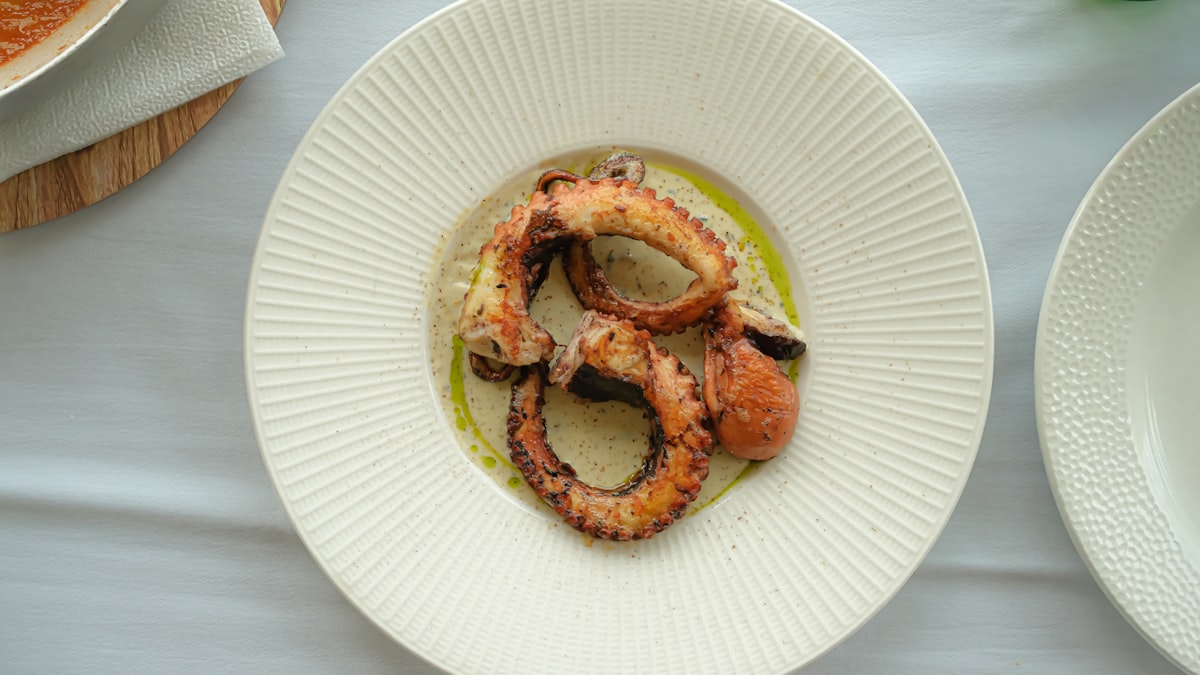
The finishing slot is for the last step — a tablespoon over a bowl of soup, a drizzle across burrata, a pour onto grilled fish just before serving. Because the oil never goes near a heat source, every quality indicator — aroma, polyphenols, acidity — reaches the palate as the producer intended. Lines that suit this role tend to share several label characteristics: dark glass bottles at or under 500 ml, free acidity at or below 0.2%, and a single-cultivar or single-estate designation. Examples that regularly appear in this category include La Chinata from Spain, Cobram Estate from Australia, single-cultivar Koroneiki lines from Greece, Frantoio Franci from Tuscany, and ORO CELESTE from Andalusia. The price range across this group is wide, broadly spanning the equivalent of roughly 25 USD to 60 USD per bottle.
The Label Cues That Separate the Two
Even within the extra virgin category, the labels themselves tend to sort the two roles cleanly. Daily-use bottles most often appear in formats of one litre or more, in PET or standard green glass, with an origin stated at the country or broad regional level — "Italy," "Spain," or "EU blend." Finishing oils cluster around dark glass bottles of 500 ml or under, with origin traced to a named region or estate, and — most usefully — actual measured acidity and polyphenol figures published on the label or via a QR code. Trying to make one bottle cover both roles creates a predictable compromise: either you pay a finishing-oil price for every millilitre you cook with, or your finishing drizzle lands without much to say for itself.
Running Two Bottles in Practice
Two bottles sounds like a larger outlay, but the consumption rhythms align naturally. A one-litre daily bottle typically empties within one to two months of opening at ordinary household use. A 500 ml finishing bottle, used with a lighter hand, can comfortably be finished within two to three months — keeping it within the window where its flavour is at its most vivid. The practical payoff is that when you stand in front of a shelf choosing a bottle, asking "which role is this bottle filling?" immediately narrows what you need to check on the label.
At its core, running a daily oil and a finishing oil side by side is simply an acknowledgement that not every extra virgin olive oil is optimised for the same moment. Once that is settled, choosing two lines from a shelf turns out to be considerably simpler than asking one bottle to be everything.
Frequently asked questions
- What is the difference between a daily olive oil and a finishing olive oil?
- A daily extra virgin olive oil is chosen for cooking tasks — sautéing, roasting, dressing salads — where heat or volume matters more than peak aroma. A finishing oil is drizzled onto a completed dish; because it is never heated, its flavour, polyphenols, and acidity reach the palate intact. The two roles reward different label specs.
- What acidity level should I look for in a daily cooking EVOO?
- Most daily-use extra virgin olive oils sit in the 0.2–0.5% free acidity range. Lower acidity is generally associated with greater heat stability, and oils in this range tend to have a neutral enough flavour profile to work across a wide variety of cooked dishes.
- Does using two separate bottles of olive oil actually save money?
- It can. A one-litre daily bottle is typically finished within one to two months of opening, while a 500 ml finishing oil can be consumed within two to three months — a pace that keeps it within the window of peak flavour. Buying a premium single-estate oil only for finishing means you are not burning through its higher per-millilitre cost on everyday cooking.
- What label features signal a good finishing olive oil?
- Look for a dark glass bottle of 500 ml or under, free acidity at or below 0.2%, and either a single-cultivar or single-estate designation. The strongest indicator is a label or QR code that publishes actual measured acidity and polyphenol values rather than carrying only the legal minimum.
- Can one bottle of extra virgin olive oil really do both jobs?
- Technically yes, but there is a trade-off either way. Using a premium finishing oil for daily cooking is expensive and wastes its delicate aroma. Using a mild, high-volume daily oil as a finishing drizzle means the flavour contribution is minimal. Most cooks who try the two-bottle approach find they prefer the results in both roles.
Related reading
- Giving Olive Oil as a Gift: A Guide to Size, Grade, and Packaging
The difference between a memorable olive oil gift and a forgettable one often comes down to three decisions: grade, volume, and packaging. This guide walks through each in order, with practical pairings for different recipients.
- How to Pick an Olive Oil Gift Set: A Price-by-Price Guide
From entry-level blends to single-estate bottles, choosing an olive oil gift set calls for a different eye than buying a single bottle. Here is what to look for on the label and in the box at every price tier.
- The Mediterranean Art of Oil Poaching Fish: Ratios, Temperatures, and Cultivar Pairings
Oil poaching — gently cooking fish submerged in olive oil at low heat — is a cornerstone technique of Mediterranean kitchens. This guide covers everything from choosing the right EVOO to precise temperature ranges and the oil ratios that make the difference.
- Hummus, Shakshuka, Sabich: How Israeli Cooking Uses Olive Oil at Every Layer
From the finishing pour on hummus to the base of a shakshuka and the layered construction of a sabich, olive oil functions as a primary ingredient on the Israeli table — not a neutral medium. This guide traces how Levantine culinary tradition treats the oil itself as the point.
- Fried, Scrambled, Poached: How Olive Oil Changes Every Style of Egg
Olive oil is more than a non-stick coating in egg cookery — it shapes texture, aroma, and the final bite. This guide breaks down the right oil, temperature, and timing for fried, scrambled, and poached eggs.
- California vs. European Olive Oil: How Origin Shapes Flavor
California has spent three decades building a serious olive oil industry, but the state's climate, cultivar mix, and harvesting philosophy produce a flavor profile that differs meaningfully from Mediterranean benchmarks. Here is what those differences actually mean at the bottle.