Table
Egg Salad Without Mayonnaise: A Ratio Guide to EVOO Dressing
An extra virgin olive oil base can replace mayonnaise in egg salad entirely — yielding a cleaner, brighter flavor with a lighter texture. This guide covers the core oil-to-acid ratio, cultivar-by-cultivar flavor differences, and practical tips for texture and storage.
Translated from the Korean edition, originally published September 10, 2026 · read the original
Why Egg Salad Works Without Mayonnaise
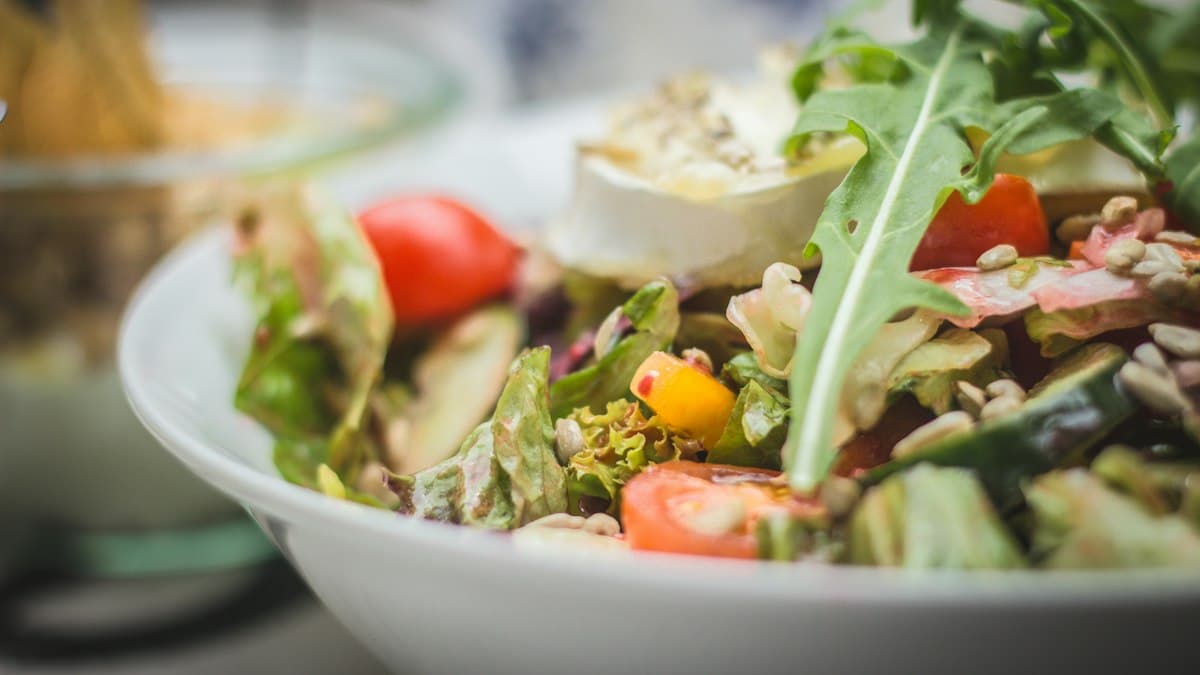
Mayonnaise and egg salad have felt like an inseparable pair for so long that the combination is almost taken for granted. But mayonnaise is itself an emulsion of vegetable oil, egg yolk, and an acid — which means those same components can be assembled directly into a dressing without the intermediate step. Using extra virgin olive oil as the base produces something quite different from mayonnaise: a sharper, more distinct flavor and a noticeably lighter texture.
According to 2023 data from SPINS, a U.S. food and beverage market research firm, the clean-label dressing category was growing at more than 11 percent annually, with oil-based mayonnaise alternatives identified as the fastest-expanding segment. A parallel shift is visible in home cooking: search interest in egg salad recipes built on olive oil and lemon juice or vinegar has risen steadily in recent years.
The Core Ratio: Oil, Acid, and Emulsifier
The foundation of any olive oil dressing is balance between three elements: oil, acid, and an emulsifying or flavor agent. Starting at a volume ratio of 3 : 1 : 0.5 gives a reliable result across different olive oils and acids.
Oil (3) Use 3 tablespoons (45 ml) of extra virgin olive oil as the base — a suitable amount for a four-egg salad. Too little and the dressing won't coat the egg evenly, causing it to clump; too much and the oiliness becomes the dominant impression.
Acid (1) Add 1 tablespoon (15 ml) of lemon juice or white wine vinegar. Lemon juice brings a bright, aromatic quality and softens the sulphurous note that cooked egg whites can carry. Apple cider vinegar adds a mild sweetness; sherry vinegar contributes more depth.
Emulsifier and flavor agent (0.5) Half a tablespoon (7 ml) of Dijon mustard rounds out the trio. The mucilage compounds in mustard temporarily emulsify the oil and acid, helping the dressing cling to the egg's surface rather than pooling at the bottom of the bowl. A half-clove of grated garlic or a small amount of finely chopped capers can serve a similar function.
Salt and pepper dissolve more evenly when whisked into the dressing before the eggs are added. Tasting the dressing on its own — before any egg goes in — is the simplest way to calibrate seasoning.
Cultivar Pairings: How the Olive Variety Changes the Dish
Not all extra virgin olive oils taste alike, and in a dish as mild as egg salad the cultivar makes a noticeable difference. Three varieties in particular each point the salad in a distinct direction.
Picual Robust, full-bodied, with a pronounced bitterness and a long, peppery finish. It creates a deliberate contrast with the richness of egg — stimulating rather than soothing. It suits an egg salad built around bitter leaves such as rocket or radicchio.
Ojiblanca Gentle and aromatic, with notes of almond and fresh apple. It integrates with egg without competing against it, making it the most approachable choice for anyone new to olive oil–based dressings. Paired with celery, cucumber, and dill, it produces a fresh, clean salad.
Sibarita Delicate and buttery in texture, with a profile that mirrors the creaminess of egg yolk more closely than most oils. For anyone aiming to reproduce the soft, coating feel of a mayonnaise-dressed salad using olive oil alone, Sibarita is the nearest match.
Texture: How You Cook and Combine the Eggs Matters
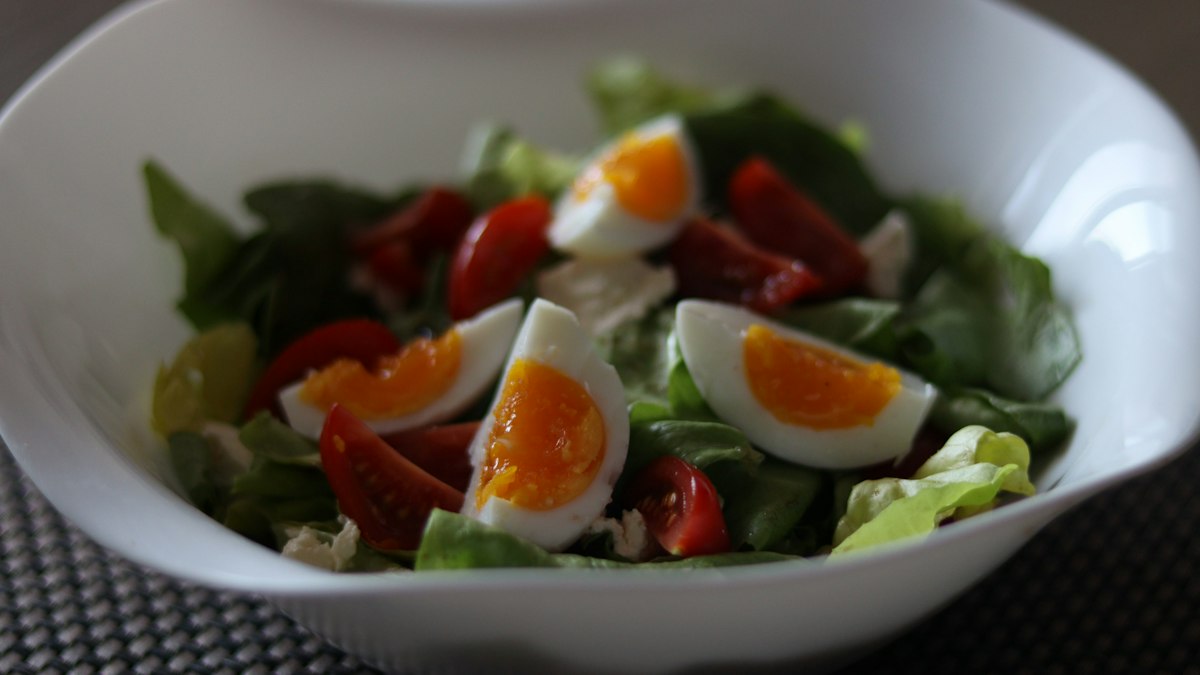
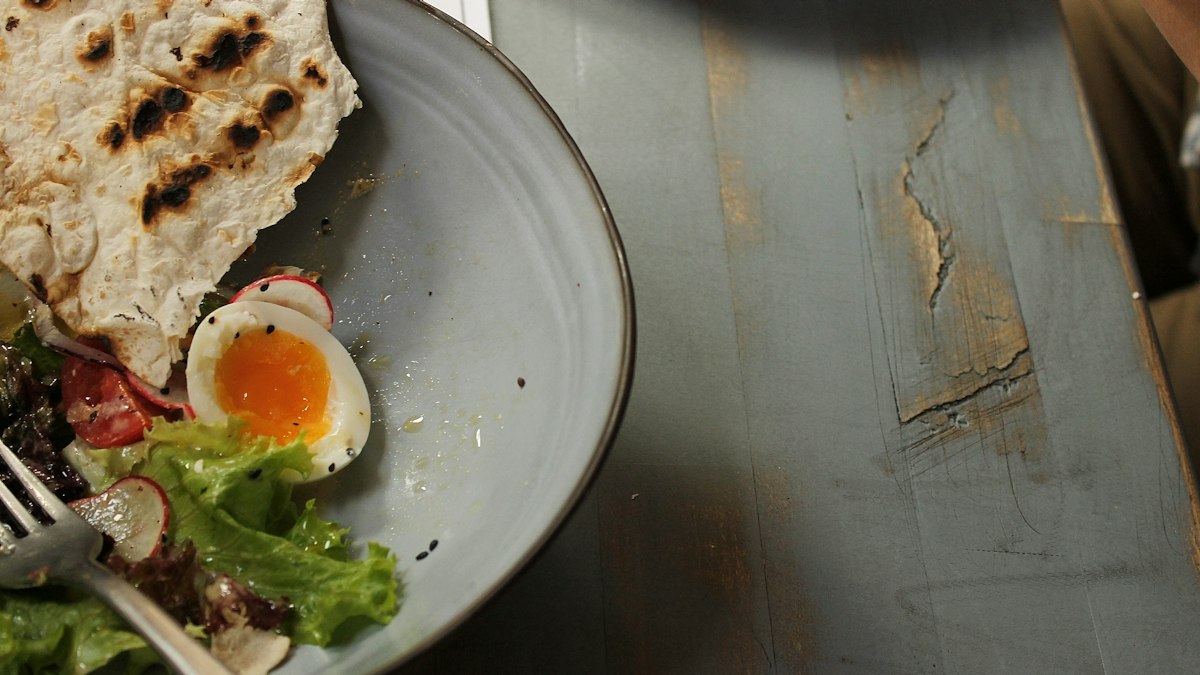
Even a well-balanced dressing won't rescue an egg that is over-cooked. A slightly under-done hard-boiled egg — sometimes called jammy hard-boiled — works best with an olive oil dressing. Placing eggs in boiling water for 10 to 11 minutes and transferring them immediately to an ice bath leaves the yolk moist and creamy at the center rather than dry and powdery throughout.
The order of assembly also matters. Prepare the dressing in the bowl first, then add the roughly broken eggs and fold rather than stir. Over-mixing turns the eggs into a smooth paste; some irregular chunks should remain so the dressing coats recognizable pieces rather than disappearing into a uniform spread.
Finely chopped fresh herbs — parsley, dill, and chives all work well — added at the end amplify the aromatic character of the olive oil and give the finished salad an extra layer of complexity.
Storage and Uses: It Keeps Well and Travels Widely
An olive oil–based dressing is generally more forgiving in storage than a mayonnaise base. Mayonnaise emulsions are prone to weeping as the water phase separates; an oil-and-acid dressing has a simpler structure and tends to hold together better over time.
Stored in an airtight container in the refrigerator, the finished egg salad keeps its quality for up to 2 days. If the surface appears dry before serving, a few drops of additional olive oil can revive the texture.
The salad adapts easily beyond a sandwich filling. Spooned onto whole-grain toast, served in romaine leaves used as cups, or tossed lightly with pasta, it works as a complete light meal. The alive, present character of the olive oil gives the dish a Mediterranean quality that a mayonnaise version simply does not carry.
Frequently asked questions
- What is the best oil-to-acid ratio for an olive oil egg salad dressing?
- A good starting point is 3 parts extra virgin olive oil to 1 part acid (lemon juice or white wine vinegar) to 0.5 parts emulsifier, such as Dijon mustard. For a four-egg salad, that works out to roughly 3 tablespoons (45 ml) of oil and 1 tablespoon (15 ml) of acid.
- Which olive oil cultivar works best in egg salad?
- It depends on the flavor profile you want. Ojiblanca — with its soft almond and apple notes — blends seamlessly with egg and is the easiest starting point. Sibarita's buttery texture comes closest to the creaminess of mayonnaise. Picual adds a bold, peppery contrast that works well with bitter greens.
- Does olive oil dressing separate more than mayonnaise in egg salad?
- Generally less so. Mayonnaise emulsions can break as water separates out; an oil-and-acid dressing has a simpler bond between ingredients and tends to hold better. Adding a small amount of Dijon mustard helps keep the dressing coating the egg evenly.
- How long does olive oil–dressed egg salad keep in the fridge?
- Stored in an airtight container, it holds well for up to 2 days. If the surface looks dry before serving, a few extra drops of olive oil drizzled on top can refresh the texture.
- What is the best way to cook eggs for an olive oil egg salad?
- A "jammy hard-boiled" egg — cooked in boiling water for 10 to 11 minutes and transferred straight to an ice bath — gives a yolk that is still slightly creamy at the center. That texture pairs better with an olive oil dressing than a fully dry, chalky yolk.
Related reading
- The Mediterranean Art of Oil Poaching Fish: Ratios, Temperatures, and Cultivar Pairings
Oil poaching — gently cooking fish submerged in olive oil at low heat — is a cornerstone technique of Mediterranean kitchens. This guide covers everything from choosing the right EVOO to precise temperature ranges and the oil ratios that make the difference.
- Matching Olive Oil Intensity to Your Ingredients: A Pairing Guide
Acidity and grade tell you whether an olive oil is good; intensity tells you where it belongs on the plate. This guide walks through the mild, medium, and intense tiers — and the cooking variables that shift the equation.
- Roasting Vegetables in Olive Oil: Oil Quantity and Temperature by Vegetable Type
Not every vegetable needs the same amount of olive oil or the same oven temperature. This guide breaks down the optimal combinations by moisture content, starch level, and structure — so roasted vegetables come out evenly cooked with genuine depth of flavor.
- Pairing Olive Oil with Wine: A Guide to Matching Aromas, Bitterness, and Texture
Extra virgin olive oils differ markedly in acidity, bitterness, and fruitiness — and each profile calls for a different wine partner. This guide maps those sensory axes to white, red, and natural wines.
- A Drop of Science: Pairing Dark Chocolate with Extra Virgin Olive Oil
A drizzle of extra virgin olive oil over dark chocolate softens bitterness and amplifies aroma. From the molecular interactions of phenolic compounds to cultivar-by-cultivar pairing choices, OLEA explores this combination through the lens of culinary science.
- Hummus, Shakshuka, Sabich: How Israeli Cooking Uses Olive Oil at Every Layer
From the finishing pour on hummus to the base of a shakshuka and the layered construction of a sabich, olive oil functions as a primary ingredient on the Israeli table — not a neutral medium. This guide traces how Levantine culinary tradition treats the oil itself as the point.