Craft
Six Reasons a Bottle of Great EVOO Costs What It Does
From hand-harvesting to cold-chain logistics, the price of extra virgin olive oil is built layer by layer across every stage of production. Breaking down those cost factors helps explain why genuine quality rarely comes cheap.
Translated from the Korean edition, originally published September 4, 2026 · read the original
Where the Cost of a Bottle Begins
When two bottles of olive oil sit side by side on a shelf and one costs more than twice as much as the other, the natural question is: what exactly is different? The answer lies in a chain of costs that accumulates at every stage, from raw ingredient to bottled product on the shelf.
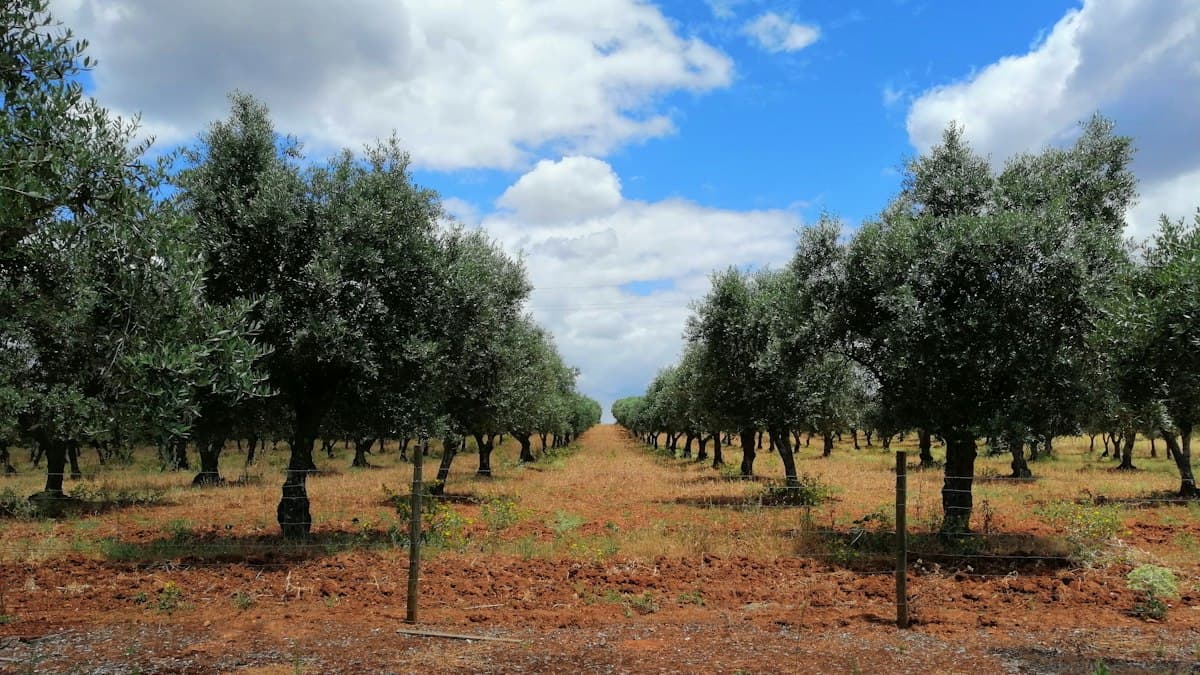
The single largest component of olive oil's cost is the fruit itself. According to International Olive Council (IOC) data, producing one litre of extra virgin olive oil typically requires 4–6 kg of olives, depending on cultivar and harvest timing. Producers who insist on an early harvest face an even lower oil yield — meaning they need more fruit for the same output. There is an inherent trade-off: harvesting when polyphenol levels are at their peak produces less oil per kilogram of olives.
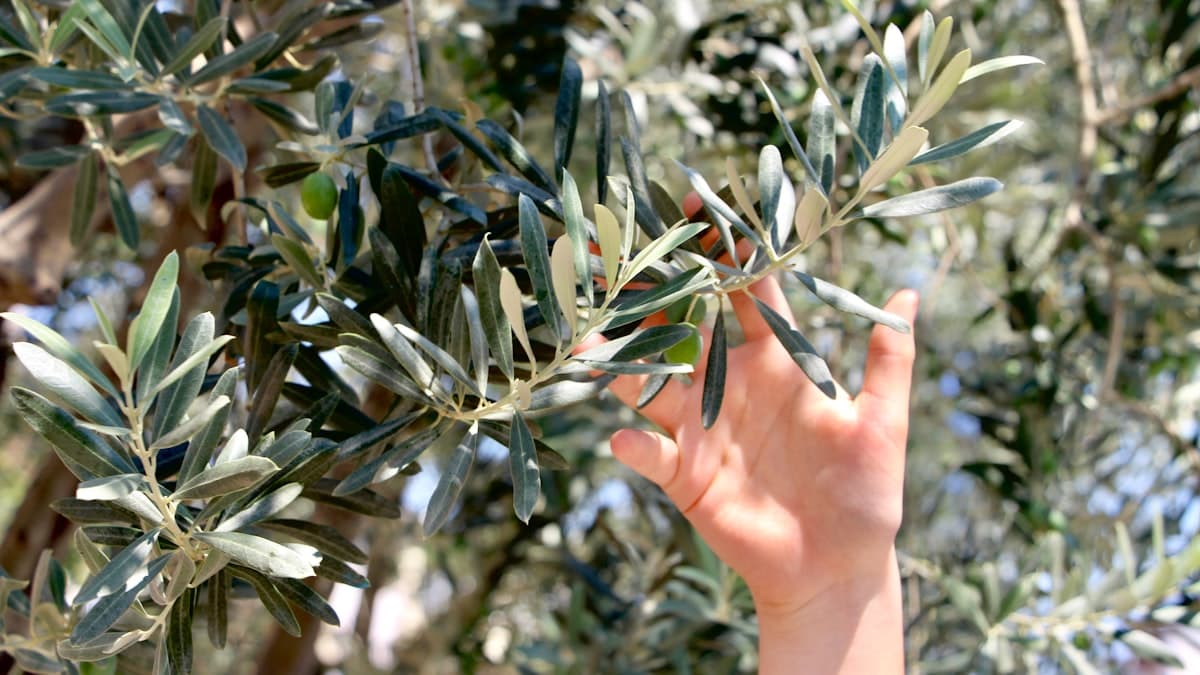
Labour costs compound the raw material cost. According to a report by the European Olive Producers Association (AEMO), hand-picking in Spain's Andalusia region costs three to five times more per unit area than mechanical harvesting. Hand-picking minimises physical impact on both tree and fruit, which slows oxidation and preserves flavour — but the additional workers and hours required feed directly into the price.

After the Harvest: Cold Extraction and the 24-Hour Window
Maintaining extra virgin status doesn't end at the tree — processing speed after harvest is critical. Under IOC standards, extra virgin olive oil must have acidity below 0.8% and pass an official sensory panel test. To meet those thresholds, harvested olives ideally reach the mill within 24–48 hours. That means producers either invest in on-farm pressing facilities or secure priority access to a small dedicated mill nearby.
Cold-press or cold-extraction processing keeps temperatures below 27°C throughout oil separation. The equipment needed to hold that temperature, combined with the lower throughput it allows compared with industrial refineries, pushes unit costs up. Smaller producers feel this most sharply: with less volume to spread fixed costs across, the per-litre overhead is higher than at large-scale operations.
Organic Certification and PDO/PGI — the Moment a Label Changes the Economics
The certification marks on a label signal quality to consumers, but to producers they represent substantial ongoing expense. Obtaining EU Organic certification typically involves a three-year conversion period followed by annual on-site inspections by an approved external body. According to analysis by European agricultural consultancy FABRE, small and medium olive farms spend an estimated €300–700 per hectare per year to maintain organic status.
Protected Designation of Origin (PDO) or Protected Geographical Indication (PGI) certification adds another layer: consortium membership fees, traceability system requirements, and regular quality audits. The premium pricing associated with oils from regions such as Crete or Tuscany — where PDO status is central to brand identity — reflects these structural costs as much as it does terroir.
The Small-Bottle Premium
Packaging size is a cost factor that consumers often overlook. Filling oil into 500 ml or 250 ml bottles costs significantly more per unit of oil than filling the same volume into one-litre or three-litre containers. The glass itself is only part of it: caps, seals, and labels must be sourced and applied per bottle, so their cost multiplies as bottle count rises relative to volume. Bottling-line setup costs are likewise spread across fewer litres in a short run.
Additional steps — dark glass or opaque packaging to block light, nitrogen flushing to displace oxygen — raise the per-bottle figure further. The higher unit price of premium EVOO sold in 250 ml and 500 ml formats is not simply a marketing decision; it reflects an actual difference in packaging cost structure.
Shipping, Storage, and the Invisible Cost of the Cold Chain
High-quality extra virgin olive oil is sensitive to heat, light, and oxygen. Exposure to high temperatures or direct sunlight during transit from producer to consumer can cause rapid quality degradation. Some producers therefore ship in refrigerated containers rather than standard dry freight — at considerably higher cost.
At the import and distribution stage, temperature-controlled warehousing and delivery systems carry margins that ambient logistics do not. According to FAO data, import duties and logistics costs for edible oils can account for 15–25% of the consumer price, and that proportion tends to be higher for products with strict temperature requirements throughout the supply chain.
Why Genuinely Good Olive Oil Cannot Be Cheap
The price of extra virgin olive oil is the sum of six overlapping layers: fruit yield, harvest method, milling speed, certification acquisition and maintenance, bottle format, and transport and storage conditions. Cutting costs at any one layer involves a compromise at some point on the quality spectrum.
For the buyer, understanding that structure is a practical starting point for smarter purchasing. Even within the 'extra virgin' category, checking harvest method, acidity figure, polyphenol content, and whether a harvest year is stated on the label gives a more three-dimensional view of value. In the olive oil market, a higher price tag and a sound reason for it tend to go together.
Frequently asked questions
- Why does extra virgin olive oil cost so much more than regular olive oil?
- Extra virgin olive oil must meet strict standards — acidity below 0.8% and a passing sensory panel test, according to the International Olive Council (IOC). Achieving that requires early-harvest fruit, rapid milling, cold extraction below 27°C, and careful storage, each of which adds cost that refined or blended oils simply don't carry.
- Does hand-picking really make olive oil more expensive?
- Yes, significantly. According to a report by the European Olive Producers Association (AEMO), hand-picking in Spain's Andalusia region costs three to five times more per unit area than mechanical harvesting. Producers choose it because it minimises physical stress on the fruit, which slows oxidation and preserves flavour — but the labour and time involved are reflected directly in the price.
- How much does organic certification add to the cost of olive oil?
- Getting and keeping EU Organic certification typically requires a three-year conversion period plus annual on-site audits by an approved body. According to analysis by the European agricultural consultancy FABRE, small and medium olive farms spend an estimated €300–700 per hectare per year to maintain organic status.
- Why are smaller bottles of olive oil more expensive per litre?
- Packaging costs don't scale down proportionally with bottle size. A 250 ml or 500 ml bottle requires the same cap, seal, and label as a larger one, but those components must be multiplied across more units to hold the same volume of oil. Bottling-line setup costs are also spread across fewer litres, and optional extras — dark glass, nitrogen flushing — add further cost per bottle.
- Does shipping and storage affect the price of premium olive oil?
- It can be a meaningful factor. According to FAO data, import logistics and customs costs for edible oils can account for 15–25% of the consumer price, and that share rises for products requiring temperature-controlled handling. Some producers use refrigerated containers to protect oil quality in transit, which costs considerably more than standard dry freight.
Related reading
- Cold Press, First Press, Centrifuge: Decoding the Extraction Claims on Olive Oil Labels
Three terms appear on nearly every bottle of quality olive oil, yet few buyers know which ones carry legal weight and which are historical relics. This guide unpacks what cold press, first press, and centrifuge extraction actually mean — and where EU regulation draws the line.
- Closer to the Source: A Practical Guide to Buying Olive Oil Direct from Producers
From farm-direct shipping and micro-importers to group buys, there are more ways than ever to reach a producer before a supermarket shelf does. This guide walks through each route, what to verify before you buy, and how to set realistic expectations on price and freshness.
- Mapping the Global Olive Oil Trade: Exporters, Importers, and the Re-Export Layer in Between
Oil pressed in Spain reaches American supermarket shelves in bottles labeled Italy — a journey that reveals the layered re-export structure sitting between producer nations and end consumers. This guide traces that flow using IOC trade data.
- EU, USDA, and Beyond: How Organic Olive Oil Certifications Actually Differ
The EU organic leaf, the USDA ORGANIC seal, and equivalent schemes from other markets all certify olive oil as organic — but they do so by different rules. Here is what each system requires and what to look for on the label.
- The Ground Beneath the Grove: How Limestone, Granite, and Clay Shape Olive Oil Flavor
Cultivar alone does not determine what ends up in the bottle. The geology underfoot — whether limestone, granite, or clay — can push the same variety toward strikingly different flavor profiles, and the science behind it is worth understanding.
- 27°C: The Number Behind Every Drop of ORO CELESTE
The temperature at which olives are pressed determines how much flavor and polyphenol content survives into the bottle. This guide examines why 27°C is the regulatory and sensory threshold that separates genuine cold-press olive oil from ordinary extraction.
Tags
- extra virgin olive oil
- evoo price
- olive oil production
- cold press
- organic certification