Craft
The Ground Beneath the Grove: How Limestone, Granite, and Clay Shape Olive Oil Flavor
Cultivar alone does not determine what ends up in the bottle. The geology underfoot — whether limestone, granite, or clay — can push the same variety toward strikingly different flavor profiles, and the science behind it is worth understanding.
Translated from the Korean edition, originally published August 25, 2026 · read the original
Olive Oil Has Terroir, Too
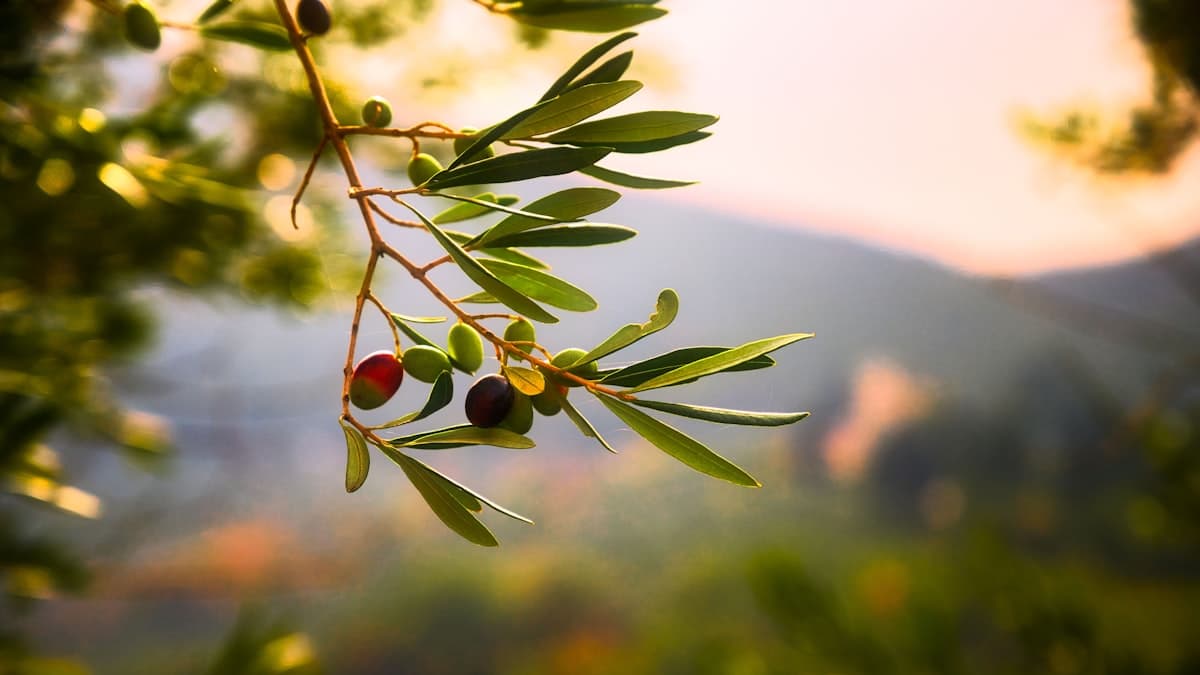
Terroir — the French concept long central to wine — describes the total environment that shapes an agricultural product's character: soil, climate, topography, and human stewardship combined. The olive oil industry has been taking the idea increasingly seriously. Multiple studies have reported that even within the same cultivar, the geological structure and soil composition of a growing site can produce noticeably different flavor profiles.
According to a 2022 report by the International Olive Council (IOC), the aroma complexity of extra virgin olive oil is shaped not only by genetics but also by soil type, water availability, and mineral composition. The place name on a label, in other words, is not merely geography — it is a shorthand for a distinct geological identity.
Limestone Soil: Dry, Vivid, and Mineral-Edged
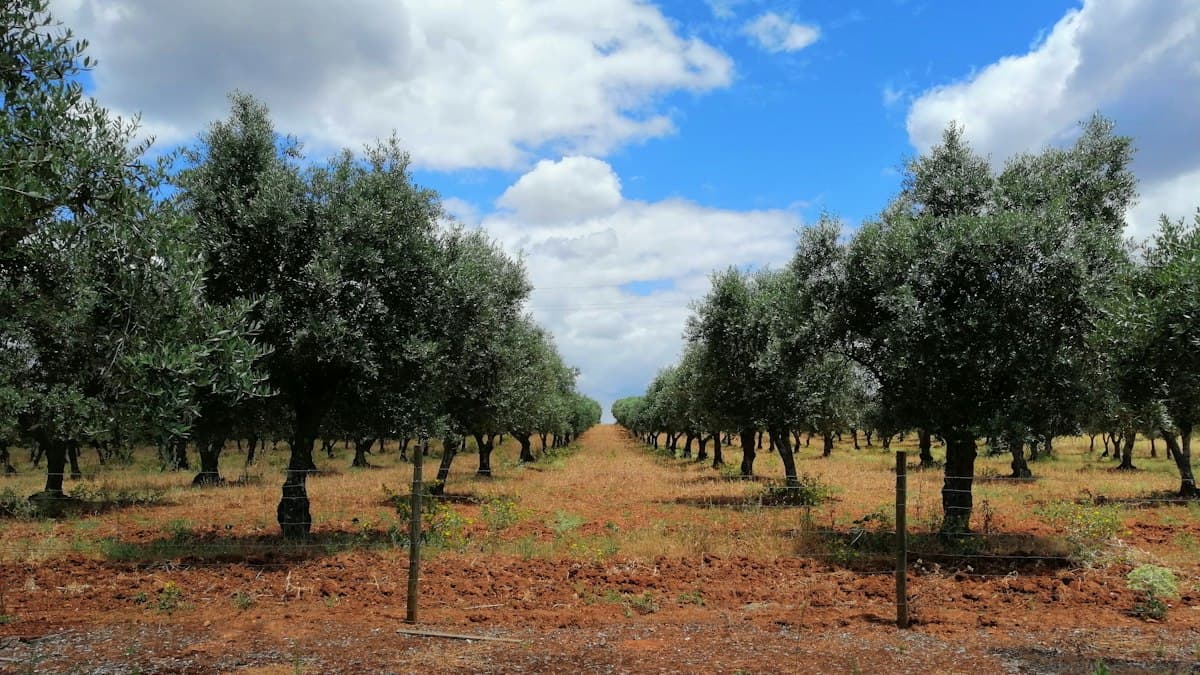
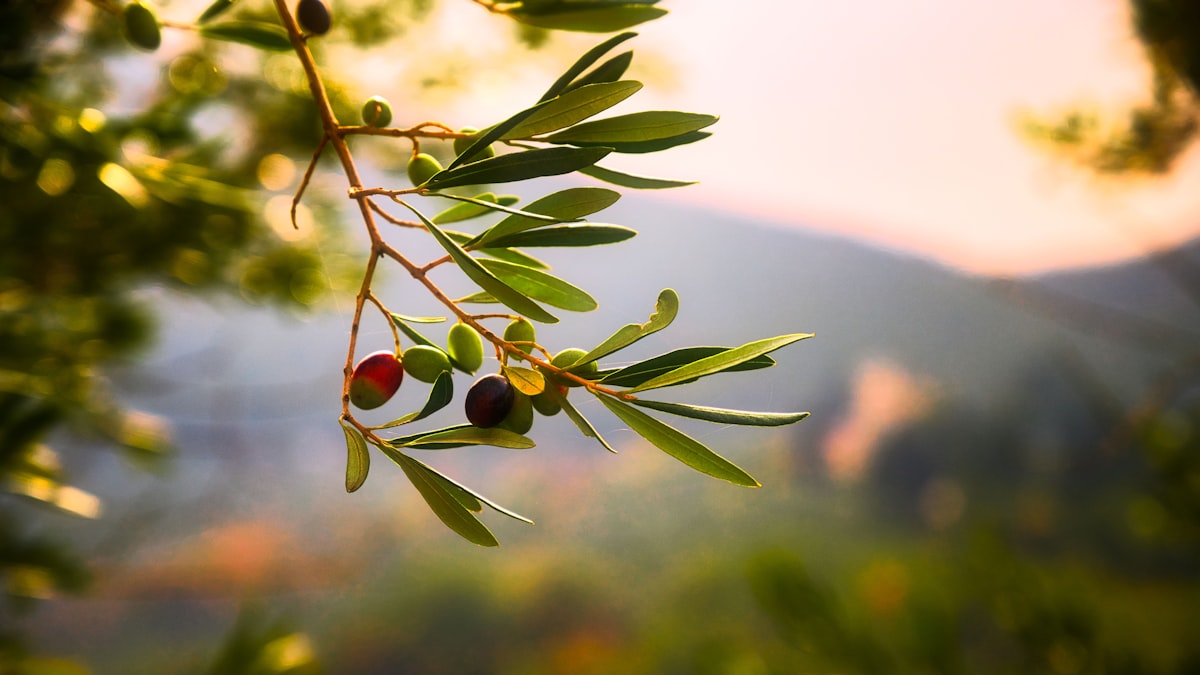
A substantial portion of Mediterranean olive-growing land sits on limestone-based soils. Andalusia in southern Spain, the inland areas of Crete, and northern Puglia in Italy are among the most prominent examples. Limestone soils are high in calcium and drain quickly. Olive trees extend their root systems deeply and broadly to collect moisture efficiently, which subjects them to a degree of water stress in the process.
Researchers at the University of Córdoba's horticulture faculty observed that olives grown on limestone soils showed a tendency toward increased polyphenol synthesis in the fruit. The flavor implications are direct. Oils from limestone origins are commonly characterized by vivid green herbal aromas, a dry and clean finish, and a pronounced bitterness and pungency. One hypothesis that has been put forward suggests that the calcium stored in limestone helps tighten the cell-wall structure of the olive fruit, allowing polyphenols to dissolve more readily into the oil during pressing — though the precise mechanism has not yet been fully established.
Granite Soil: Sharp, Mineral, and Peppery
Granite-based soils are found in the northwestern Iberian Peninsula, parts of the Alentejo in Portugal, and the interior of Sardinia. Granite weathers into an acidic soil rich in trace elements such as iron and manganese, with relatively low organic matter content. It drains rapidly, and researchers have reported that in this nutrient-poor environment, olive trees tend to increase their production of antioxidant compounds as a survival response.
A study from the food science faculty at the University of Bologna reported that the free oleic acid ratio in olives grown on granite soils may correlate with the soil's trace element composition, and that the fatty acid profiles of oils from granite origins showed statistically significant differences from those of limestone-grown oils. In consumer sensory evaluations, olive oils from granite terroirs have been reported to display sharp, fresh aromas, citrus nuances, and an intense peppery pungency. The observation that lower soil pH alters the mineral composition absorbed by olive trees — and that this in turn influences the volatile compound profile of the oil — is receiving growing attention in the research literature.
Clay Soil: Full-Bodied, Soft, and Fruit-Forward
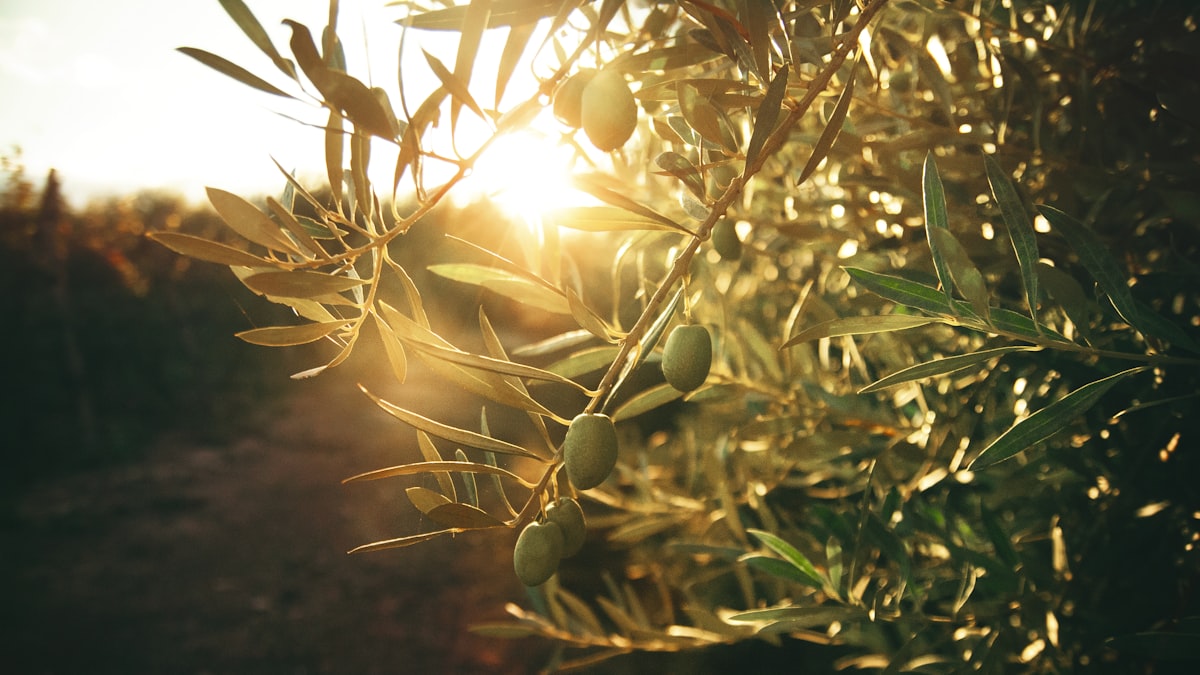
Clay soils, composed of fine particles, are exceptional at retaining moisture and nutrients over extended periods. The Sahel region of Tunisia, olive-growing areas near Marrakech in Morocco, and parts of Castilla-La Mancha in Spain are among the most recognizable clay-soil producing regions. Because clay drains slowly, it supplies olive trees with a relatively steady source of water — as long as drought conditions are not severe.
Olives grown in this environment tend to be larger and have higher moisture content, and they generally yield more oil per kilogram of fruit. On the flavor side, descriptors that recur in the literature include ripe fruit aromas, a smooth and rounded texture, and a mild, almond- or butter-like finish. One important caveat: the high water-retention capacity of clay can contribute to rising acidity if harvest timing is not managed carefully. According to IOC quality guidelines, maintaining extra virgin grade requires free acidity below 0.8%.
Mixed Geology and Layered Complexity
In practice, few groves sit on a single geological type. The area around Kalamata in Greece, the hillside zones of Tuscany, and the Valle del Belìce in Sicily all feature alternating limestone and clay structures. The interpretation that the layered, complex flavor profiles associated with oils from these regions partly reflect the physical diversity of the soil beneath them is one that researchers and producers have explored.
Elevation and slope also influence how soil moisture is distributed: trees on the upper parts of a hillside — where limestone outcrops are more exposed — may produce fruit with markedly different characteristics from trees lower down, where alluvial clay accumulates. Some producers deliberately turn this variation to their advantage, blending fruit from different parcels of the same cultivar to intentionally build complexity into the finished oil.
Reading Terroir: Labels and the Senses
The more attention a buyer pays to origin information, the easier it becomes to use terroir as a practical guide. PDO (Protected Designation of Origin) and PGI (Protected Geographical Indication) certified oils often incorporate the geological and climatic conditions of their regions into their production standards. Where a producer's note includes soil type or grove elevation, that detail can help a buyer anticipate the oil's style before opening the bottle.
Sensorially, the clarity and weight of the aroma on the first sip, the peppery pungency on the back of the throat, and the length of the finish can all be read in relation to soil type. Limestone origins tend to lead with vivid, dry herbal notes; clay origins with soft, rounded fruit. Cultivar, harvest date, and pressing method all interact simultaneously, so it is too early to draw firm conclusions from soil type alone — but treating geology as one meaningful clue among several can meaningfully deepen the way you approach choosing an olive oil.
Frequently asked questions
- Does soil type really affect olive oil flavor?
- Research suggests it does. According to a 2022 IOC report, soil type, water availability, and mineral composition are significant variables in the aroma complexity of extra virgin olive oil, alongside cultivar genetics. Studies from the University of Córdoba and the University of Bologna have each reported measurable differences in polyphenol content and fatty acid profiles between oils grown on different soil types.
- What does olive oil from limestone soil taste like?
- Limestone-grown oils are often described as having vivid green herbal aromas, a dry and clean finish, and noticeable bitterness and pungency. Research from the University of Córdoba's horticulture team observed a tendency toward increased polyphenol synthesis in olives grown on calcium-rich, well-draining limestone soils, which correlates with these flavor characteristics.
- How is granite soil different from limestone for growing olives?
- Granite-based soils are acidic and rich in trace elements such as iron and manganese, with lower organic matter content than limestone soils. Food science researchers at the University of Bologna reported that the fatty acid profiles of oils from granite soils showed statistically significant differences from those grown on limestone. Sensory evaluations have associated granite-origin oils with sharp, fresh aromas, citrus nuances, and pronounced peppery pungency.
- Why does clay soil produce softer, buttery olive oils?
- Clay particles retain moisture and nutrients over long periods, providing olives with a steadier water supply. Olives grown in these conditions tend to be larger, with higher moisture content and oil yield. The resulting oils are frequently described as having ripe fruit aromas, a smooth and rounded texture, and a mild, almond-like finish. However, the high water-retention capacity of clay means that careless harvest timing can lead to rising acidity — extra virgin grade requires free acidity below 0.8% according to IOC quality guidelines.
- How can I use terroir information when buying olive oil?
- Start with the origin information on the label. PDO (Protected Designation of Origin) and PGI (Protected Geographical Indication) certified oils often incorporate local geological and climatic conditions into their production standards. If a producer's note lists soil type or grove elevation, that detail can help you anticipate the oil's style. As a rough guide: limestone origins tend toward vivid, dry herbal notes; clay origins toward soft fruit. Cultivar, harvest date, and pressing method all interact with soil, so treat geology as one useful clue among several rather than a definitive predictor.
Related reading
- Mapping the Global Olive Oil Trade: Exporters, Importers, and the Re-Export Layer in Between
Oil pressed in Spain reaches American supermarket shelves in bottles labeled Italy — a journey that reveals the layered re-export structure sitting between producer nations and end consumers. This guide traces that flow using IOC trade data.
- Cold Press, First Press, Centrifuge: Decoding the Extraction Claims on Olive Oil Labels
Three terms appear on nearly every bottle of quality olive oil, yet few buyers know which ones carry legal weight and which are historical relics. This guide unpacks what cold press, first press, and centrifuge extraction actually mean — and where EU regulation draws the line.
- Córdoba Terroir: The Soil, Altitude, and Microclimate Behind ORO CELESTE
In the inland hills of Córdoba, Andalusia, limestone soils, elevations of 400–600 m, and a rare transitional microclimate converge to shape the acidity, polyphenol concentration, and flavor profile of ORO CELESTE's extra virgin olive oils.
- Six Reasons a Bottle of Great EVOO Costs What It Does
From hand-harvesting to cold-chain logistics, the price of extra virgin olive oil is built layer by layer across every stage of production. Breaking down those cost factors helps explain why genuine quality rarely comes cheap.
- Reading Polyphenol Numbers on an Olive Oil Label: A Step-by-Step Comparison Guide
The mg/kg polyphenol figure printed on an extra virgin olive oil bottle is one of the most useful quality signals a label can carry — but only if you know how to read it. This guide walks through what the number means, how measurement method affects it, and what else to check alongside it.
- Cold, Room Temperature, Hot: How Olive Oil Changes at Every Stage
Olive oil solidifies in the refrigerator and thins dramatically on a hot stove. Understanding the science behind these viscosity shifts opens up a more deliberate approach to cooking with EVOO at every temperature.
Tags
- terroir
- soil types
- extra virgin olive oil
- flavor
- olive oil production