Craft
Three Generations, One Farm: The Philosophy Behind ORO CELESTE
From a grandfather's first seedlings in the hills of Jaén to a third-generation agronomist measuring polyphenols at harvest, ORO CELESTE's story is one of a family that keeps building on what came before — without abandoning what worked.
Translated from the Korean edition, originally published July 3, 2026 · read the original
The First Seeds in Red Earth
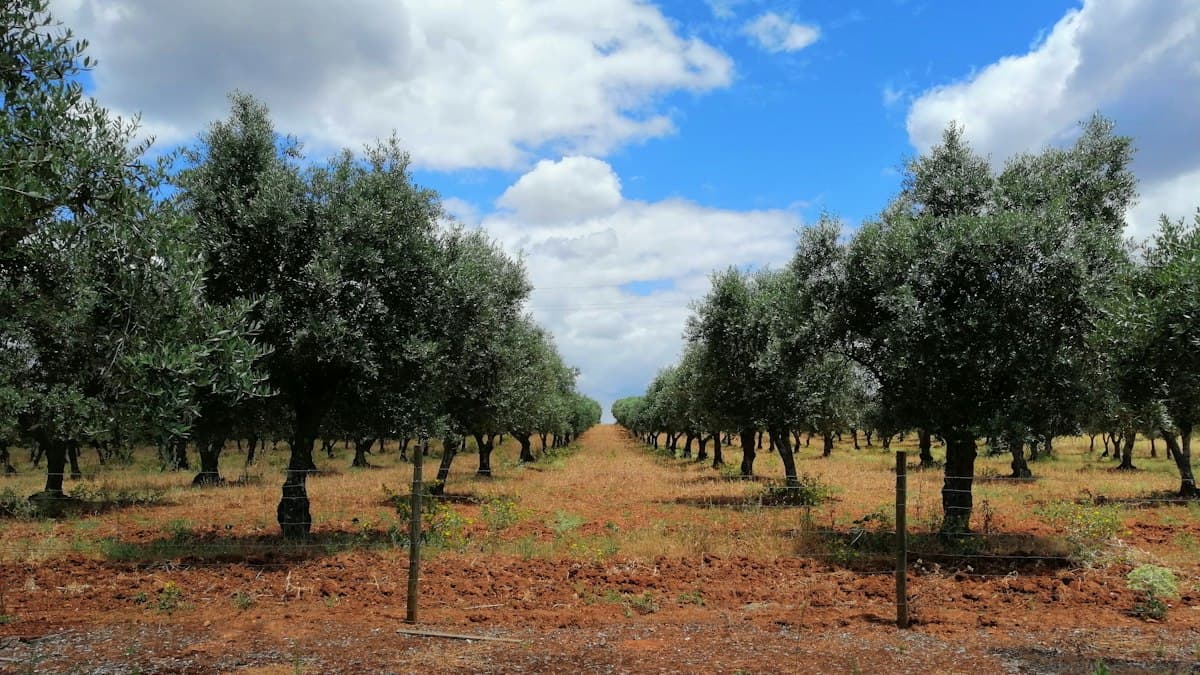
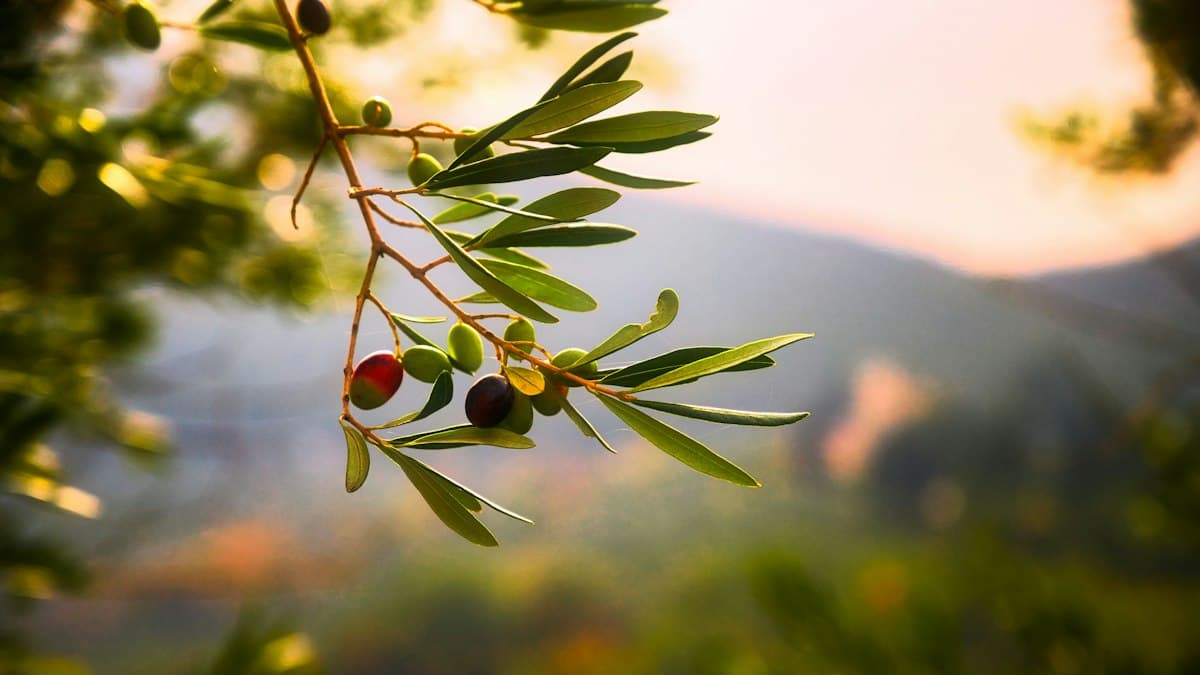
The rolling hills of Jaén province in Andalusia combine a Mediterranean climate with calcareous soil to create conditions widely regarded as ideal for olive cultivation. According to the International Olive Council (IOC), Spain accounts for roughly 40–45% of global olive oil production, with Andalusia at its centre. ORO CELESTE traces its origins to the early 1960s, when the founding generation planted the farm's first olive saplings in this landscape.
The cultivar they chose was Picual. Hardy against frost and reliably productive, Picual suited the sharp day-to-night temperature swings of the Jaén hills. In those early decades the operation ran on cooperative logic: olives were sold as raw fruit to local processing cooperatives, volume mattered more than quality, and the family quietly expanded the groves within that system.
The Second Generation: Press It Yourself, Bottle It Yourself
In the mid-1980s the second generation took over and changed course. Rather than continuing to supply cooperatives, they invested in an on-site mill and brought the entire chain — from tree to bottle — under one roof.
The question that consumed the second-generation manager most was timing. Research emerging at the time was establishing that olives harvested just before full ripeness, during the veraison window when fruit transitions from green to violet, yield the highest polyphenol content and the most complex flavour. The family responded by setting a firm rule: olives go to the press within twenty-four hours of picking.
The cultivar mix broadened as well. Ojiblanca and Sibarita were planted alongside the existing Picual. Picual delivers an intense grassy character and a peppery finish; Ojiblanca brings delicate fruitiness and an almond nuance; Sibarita, the softest of the three, carries the lowest acidity in the lineup and a notably smooth, refined flavour.
The Third Generation: Data Alongside Tradition
The family member currently running the farm studied agricultural engineering before joining the business. On top of the cultivation methods built up through experience and instinct over two generations, the operation now layers soil analysis, moisture-stress monitoring, and direct measurement of phenolic content in the fruit.
In ORO CELESTE's current lineup, the Picual maintains acidity of 0.20% and polyphenols above 800 mg/kg; the Ojiblanca, 0.16% acidity and above 600 mg/kg; and the Sibarita, 0.14% acidity and above 500 mg/kg — according to the farm's own analysis of the 2023–2024 harvest. Set against the IOC's 0.8% acidity ceiling for extra virgin classification, all three sit far below the threshold.
The third-generation manager maintains that the depth contributed by trees more than eighty years old cannot be reproduced quickly by any technical means. Agricultural research has reported that old olive trees develop deeper root systems, conferring greater drought resistance and access to a broader range of soil minerals.
Family as a Founding Principle
Three generations farming the same ground is more than a brand narrative. The memory of the soil, the age of the trees, and a harvest sensibility passed person to person within one family accumulate, drop by drop, in every bottle. At the centre of ORO CELESTE's stated philosophy is a single commitment: make oil you would drink yourself. That principle has not shifted from the cooperative era to the present era of direct sales.
Data from the Spanish Food and Drink Industry Federation (FIAB) classifies premium extra virgin olive oil as a category with above-average consumer repurchase rates. The analysis notes that quality-conscious buyers increasingly cite a producer's story and verifiable track record as factors in their purchasing decisions. It is that pattern which explains why a three-generation estate chooses to put transparent numbers and full production history at the front of everything it does.
Frequently asked questions
- What olive cultivars does ORO CELESTE grow?
- ORO CELESTE grows three cultivars on its Andalusian estate: Picual, Ojiblanca, and Sibarita. Each expresses a distinct flavour profile — Picual is bold and peppery, Ojiblanca offers delicate fruit and almond notes, and Sibarita is the smoothest of the three, with the lowest acidity in the lineup.
- What are the polyphenol and acidity levels in ORO CELESTE olive oils?
- According to ORO CELESTE's own analysis of the 2023–2024 harvest, the Picual registers acidity of 0.20% and polyphenols above 800 mg/kg; the Ojiblanca, 0.16% acidity and above 600 mg/kg; and the Sibarita, 0.14% acidity and above 500 mg/kg. All three fall well below the IOC's 0.8% acidity ceiling for extra virgin classification.
- Why does ORO CELESTE emphasise old olive trees?
- The farm's third-generation manager holds that the depth of flavour from trees over eighty years old is difficult to replicate quickly through technique alone. Agricultural research has reported that old olive trees develop deeper root systems, giving them greater drought resistance and access to a wider range of soil minerals.
Related reading
- Early Harvest in Andalusia: How November Shapes ORO CELESTE's Three Cultivars
While most producers wait for full ripeness, ORO CELESTE times three separate harvests in early November — catching Ojiblanca, Sibarita, and Picual at the narrow window when polyphenols peak and acidity is at its lowest.
- Closer to the Source: A Practical Guide to Buying Olive Oil Direct from Producers
From farm-direct shipping and micro-importers to group buys, there are more ways than ever to reach a producer before a supermarket shelf does. This guide walks through each route, what to verify before you buy, and how to set realistic expectations on price and freshness.
- Olive Oil Confit: A Complete Guide to Low-Temperature Oil Cooking
Confit — the French technique of slow-cooking ingredients submerged in oil at low heat — finds a natural partner in extra virgin olive oil, which preserves moisture, concentrates flavor, and adds its own grassy depth to garlic, vegetables, and poultry alike.
- Set Up a Home Olive Oil Tasting: Lighting, Temperature, Glasses, and Tasting Notes
A professional-level olive oil tasting environment does not require special equipment. This guide walks through the exact setup — lighting, oil temperature, glass selection, and a simple scoresheet — that lets any curious cook build real sensory skills at home.
- Organic Certification, Carbon Footprint, Water Use: A Practical Guide to Olive Oil Sustainability Labels
Behind every bottle of olive oil sit three measurable sustainability indicators — organic certification standards, carbon footprint figures, and water consumption data. Knowing how to read them turns a label logo from a marketing symbol into a genuine purchasing signal.
- Mapping the Global Olive Oil Trade: Exporters, Importers, and the Re-Export Layer in Between
Oil pressed in Spain reaches American supermarket shelves in bottles labeled Italy — a journey that reveals the layered re-export structure sitting between producer nations and end consumers. This guide traces that flow using IOC trade data.
Tags
- craft
- family farm
- andalusia
- extra virgin olive oil
- cultivar