Craft
27°C: The Number Behind Every Drop of ORO CELESTE
The temperature at which olives are pressed determines how much flavor and polyphenol content survives into the bottle. This guide examines why 27°C is the regulatory and sensory threshold that separates genuine cold-press olive oil from ordinary extraction.
Translated from the Korean edition, originally published July 5, 2026 · read the original
One Temperature Changes Everything
Among all the terms printed on an extra virgin olive oil label, 'cold press' and 'cold extraction' are among the most frequently seen — and least thoroughly understood. The underlying principle is straightforward: the temperature maintained during malaxation, the stage where the olive paste is kneaded before oil is separated, is one of the most consequential decisions a producer makes.
Under EU Regulation EC No 1513/2001 and its subsequent amendments, the 'cold extraction' designation is only permitted when the paste temperature does not exceed 27°C at any point during processing. This is not an arbitrary figure. According to data published by the International Olive Council (IOC), the loss of volatile aroma compounds accelerates and oxidation of heat-sensitive polyphenols speeds up once the paste temperature climbs beyond that threshold.
What Happens When the Temperature Rises
Raising the pressing temperature increases yield — more oil from the same weight of olives — which makes it an economically attractive option for producers. The trade-off, however, is paid in quality.
A study published by researchers at Spain's National Research Council (CSIC) found that when pressing temperature rose from 27°C to 35°C, concentrations of volatile compounds responsible for fresh, grassy, and fruity character — including hexanal and other C6 aldehydes — fell by as much as 30–40%. These are precisely the compounds that produce the distinctive green notes in freshly pressed olive oil. As temperature climbs, the aroma profile tends to flatten toward a neutral, undifferentiated character.
Polyphenol loss is equally significant. Researchers at the University of Bologna reported that raising malaxation temperature from 20°C to 30°C produced a measurable reduction in key phenolic compounds, including oleocanthal and oleacein. Polyphenols are directly linked to the bitter and pungent attributes of the oil, and also contribute to its oxidative stability.
Why ORO CELESTE Holds to 27°C
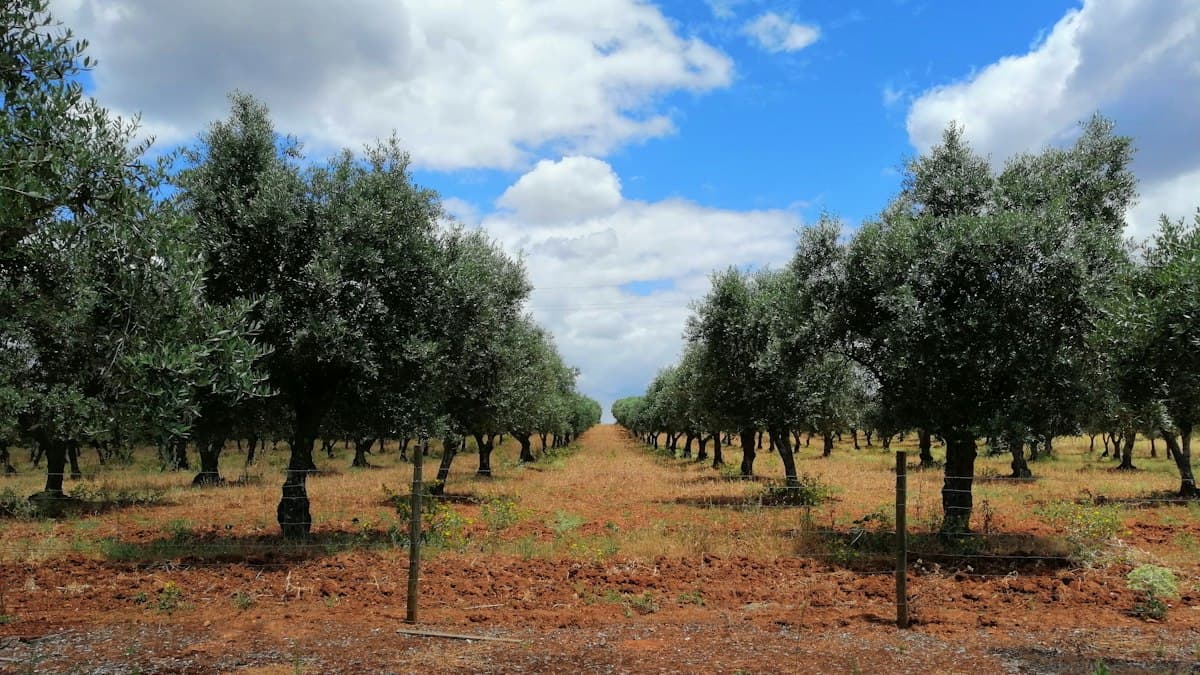
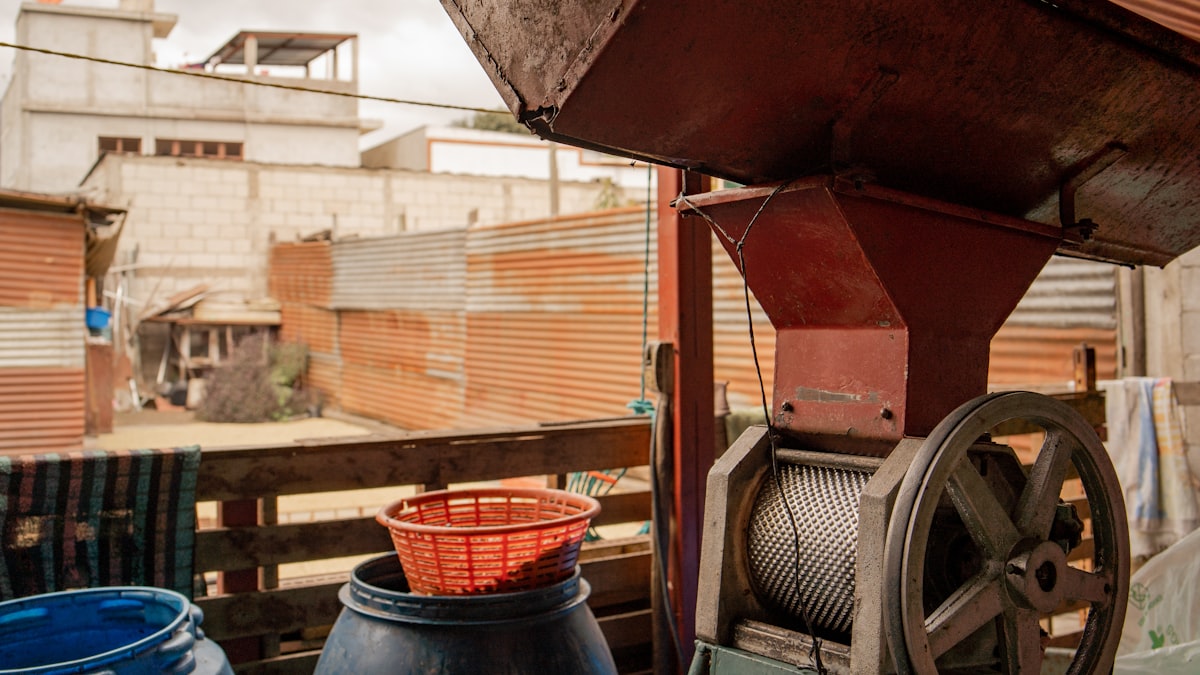
ORO CELESTE presses its Andalusian olives on the day of harvest or within 24 hours, and maintains a below-27°C temperature across every stage of the process. The decision trades yield for the preservation of aroma and phytochemical content.
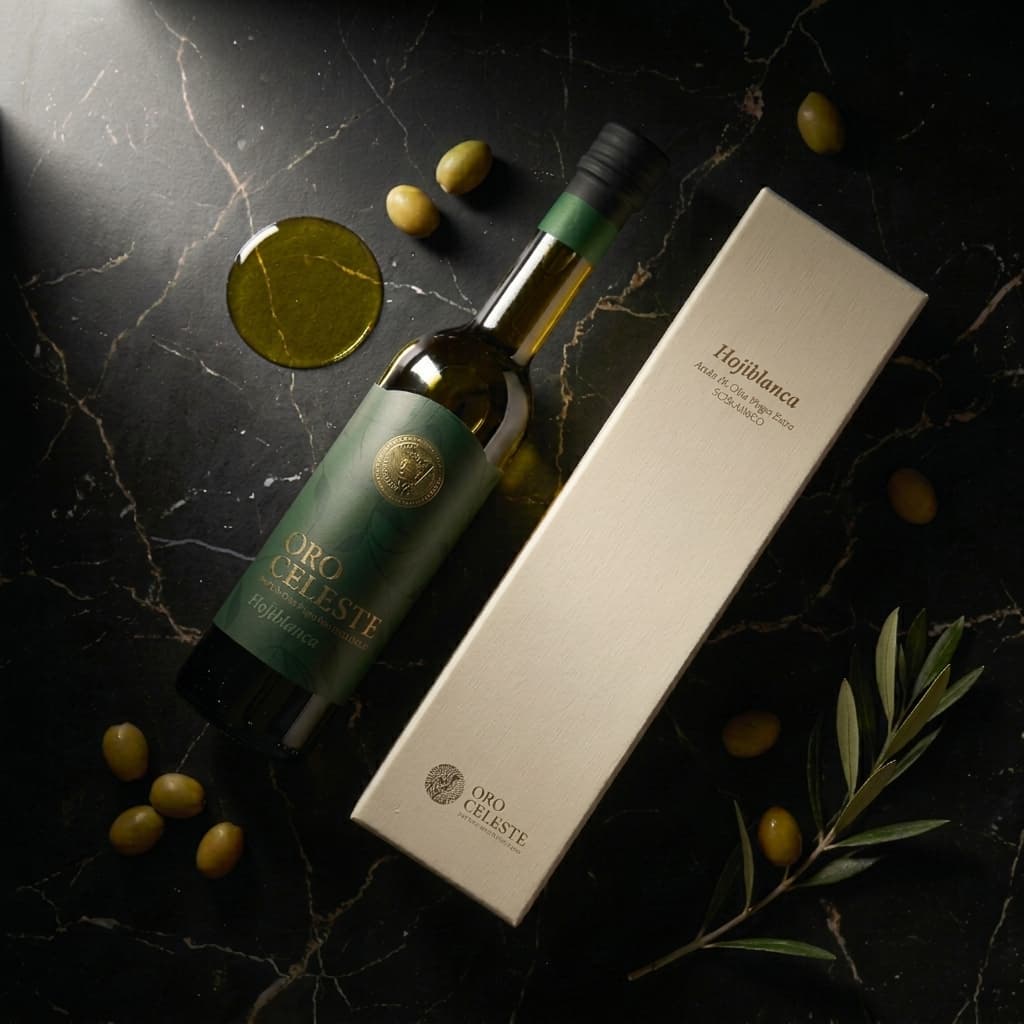
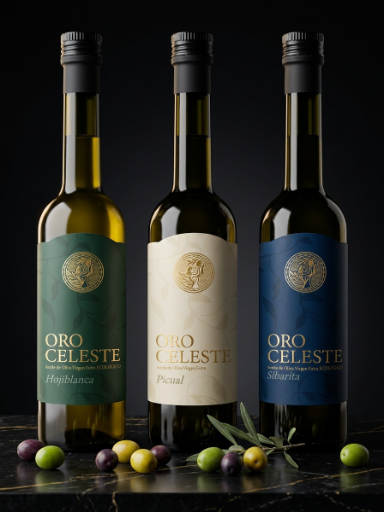
The figures across the product range reflect that choice. Ojiblanca records an acidity of 0.16% and polyphenol content above 600 mg/kg. Sibarita comes in at 0.14% acidity and above 500 mg/kg polyphenols. Picual reaches 0.20% acidity and above 800 mg/kg polyphenols. Picual is already recognized as a cultivar with an inherently high polyphenol potential; cold pressing at this temperature is understood to maximize what the fruit can deliver.
Maintaining 27°C while still allowing sufficient malaxation time is a genuine technical challenge. Lower temperatures raise paste viscosity, which means oil droplets coalesce less readily and overall yield falls. ORO CELESTE accepts that trade-off on the basis that fewer liters per tonne of olives means greater flavor density per bottle.
What the Drinker Tastes: Flavor Profile
In the vocabulary used by professional EVOO tasters, cold-pressed oils produced below 27°C tend to express fruity, grassy, peppery, and bitter attributes with greater clarity and intensity.
Ojiblanca leads with ripe apple and almond sweetness, followed by a lingering peppery finish. Sibarita is the most balanced of the three cultivars — artichoke notes sit alongside a measured, soft bitterness. Picual is the most assertive: tomato leaf, cut grass, and black pepper layer together, with the high polyphenol content expressed directly in the flavor.
This complexity is difficult to preserve at elevated pressing temperatures. According to the IOC's sensory evaluation standards, extra virgin classification requires that positive attributes — fruitiness, bitterness, and pungency — all be perceptible. When temperature control is relaxed, all three characteristics tend to weaken simultaneously, and maintaining the grade itself becomes harder to achieve.
Temperature, Acidity, and Storage
Pressing temperature also bears on initial acidity — the free fatty acid content that must fall below 0.8% for extra virgin classification, though genuinely high-quality oils are typically managed at 0.3% or below. Academic literature has reported that cold pressing may contribute to lower free fatty acid formation by limiting lipase enzyme activity during extraction, though it is too early to draw firm conclusions about the scale of this effect across different production contexts.
The same logic carries into storage. Higher polyphenol content and lower initial acidity are associated with greater oxidative stability, and when combined with correct storage conditions — away from direct sunlight and heat — may help the oil hold its character for longer. Once opened, storage in a cool, dark location and consumption within two to three months is the generally accepted recommendation.
The '27°C cold press' line on a label, then, is more than marketing copy. It is a record of temperature — a measure of how much was preserved between the olive on the tree and the oil in the bottle.
Frequently asked questions
- What does cold press mean on an olive oil label?
- Under EU Regulation EC No 1513/2001 and its subsequent amendments, producers may only use the term 'cold extraction' or 'cold press' if the paste temperature during malaxation does not exceed 27°C. Above that threshold, the label claim is not permitted.
- Why does pressing temperature affect olive oil flavor?
- Higher temperatures accelerate the loss of volatile aroma compounds — including hexanal and other C6 aldehydes responsible for fresh, grassy notes — and speed up oxidation of heat-sensitive polyphenols. According to data from the International Olive Council (IOC), this degradation becomes measurable once the paste exceeds 27°C.
- How much do polyphenols drop when the temperature rises during pressing?
- A study by researchers at the University of Bologna reported that raising malaxation temperature from 20°C to 30°C produced a significant reduction in key phenolic compounds including oleocanthal and oleacein. A separate study from Spain's National Research Council (CSIC) found that pressing between 27°C and 35°C can reduce concentrations of fresh-aroma volatiles by as much as 30–40%.
- What polyphenol levels does ORO CELESTE record for each cultivar?
- ORO CELESTE reports the following figures for its three cultivars: Ojiblanca at 0.16% acidity and above 600 mg/kg polyphenols; Sibarita at 0.14% acidity and above 500 mg/kg polyphenols; and Picual at 0.20% acidity and above 800 mg/kg polyphenols. All three are produced under a strict below-27°C cold-press protocol.
- Does cold pressing really affect how long olive oil stays fresh?
- Academic literature has reported that lower initial acidity and higher polyphenol content are associated with greater oxidative stability in extra virgin olive oil. Cold pressing is noted as a factor that may contribute to lower free fatty acid formation by limiting lipase enzyme activity during extraction. Combined with proper storage — away from direct light and heat — this may help preserve flavor over time. Once opened, consumption within two to three months is generally recommended.
Related reading
- Reading Polyphenol Numbers on an Olive Oil Label: A Step-by-Step Comparison Guide
The mg/kg polyphenol figure printed on an extra virgin olive oil bottle is one of the most useful quality signals a label can carry — but only if you know how to read it. This guide walks through what the number means, how measurement method affects it, and what else to check alongside it.
- Closer to the Source: A Practical Guide to Buying Olive Oil Direct from Producers
From farm-direct shipping and micro-importers to group buys, there are more ways than ever to reach a producer before a supermarket shelf does. This guide walks through each route, what to verify before you buy, and how to set realistic expectations on price and freshness.
- Cold Press, First Press, Centrifuge: Decoding the Extraction Claims on Olive Oil Labels
Three terms appear on nearly every bottle of quality olive oil, yet few buyers know which ones carry legal weight and which are historical relics. This guide unpacks what cold press, first press, and centrifuge extraction actually mean — and where EU regulation draws the line.
- Picual, Arbequina, Coratina, Moraiolo: A Cultivar Guide to Olive Oil Flavor
Flavor in extra virgin olive oil begins with the olive itself. This guide breaks down the origins, sensory profiles, polyphenol levels, and best uses of four cultivars that dominate the premium EVOO market.
- QR Codes on Every Bottle: Inside ORO CELESTE's Batch-Level Transparency
ORO CELESTE prints a QR code on every product label, giving shoppers instant access to the batch-specific lab certificate — acidity, polyphenols, and sensory results — for the exact bottle in their hand.
- Sibarita Up Close: Tomato-Leaf Green and the Art of Delicate Balance
ORO CELESTE's Sibarita delivers acidity of 0.14% and polyphenol levels above 500 mg/kg, with a profile built around vivid tomato-leaf green notes and a finish clean enough to let every dish speak for itself. A closer look at one of Andalusia's most underrated cultivars.
Tags
- cold press
- extra virgin olive oil
- polyphenols
- malaxation
- evoo production