Craft
ORO CELESTE Ojiblanca: Apple, Grass, and a Long Almond Finish
ORO CELESTE's Ojiblanca registers 0.16% acidity and more than 600 mg/kg polyphenols — numbers that frame a flavor profile built in three distinct layers, from green-apple aroma to a gently peppery close.
Translated from the Korean edition, originally published June 10, 2026 · read the original
The Cultivar Behind the Name
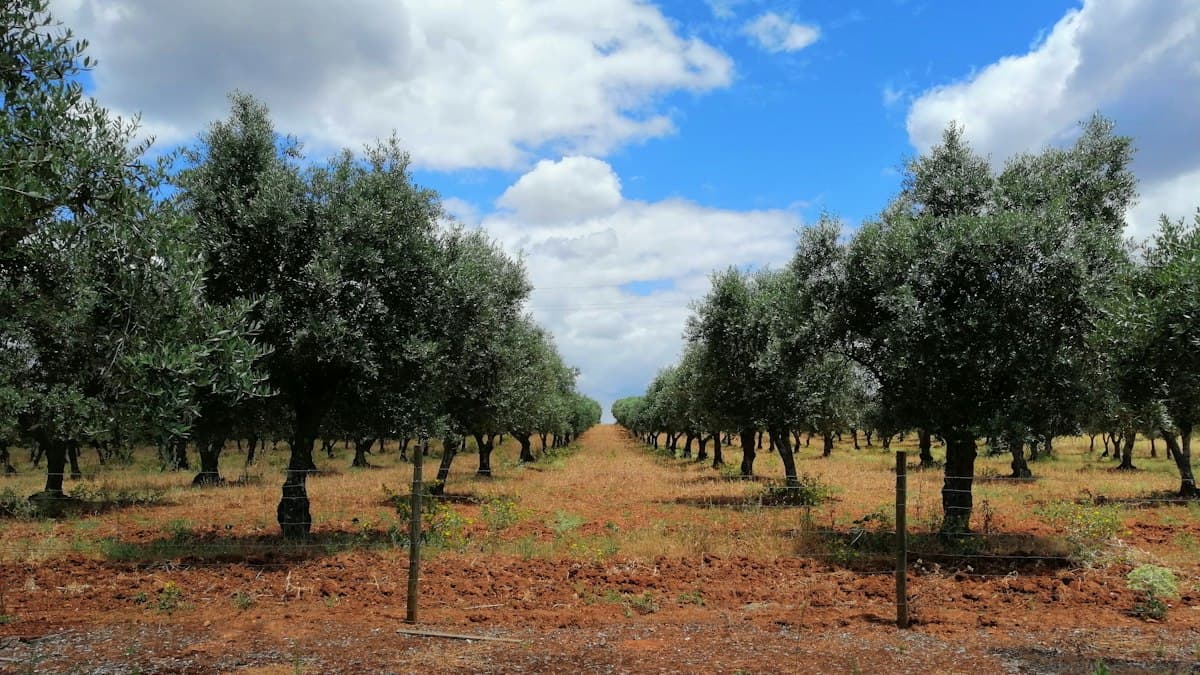
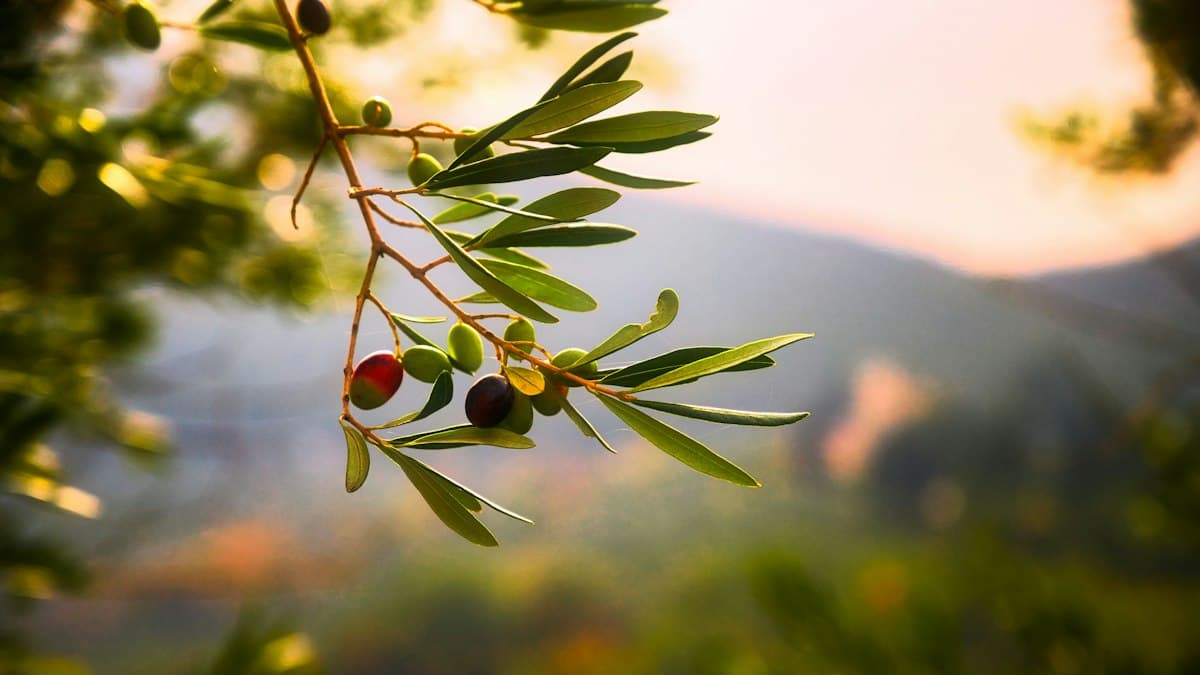
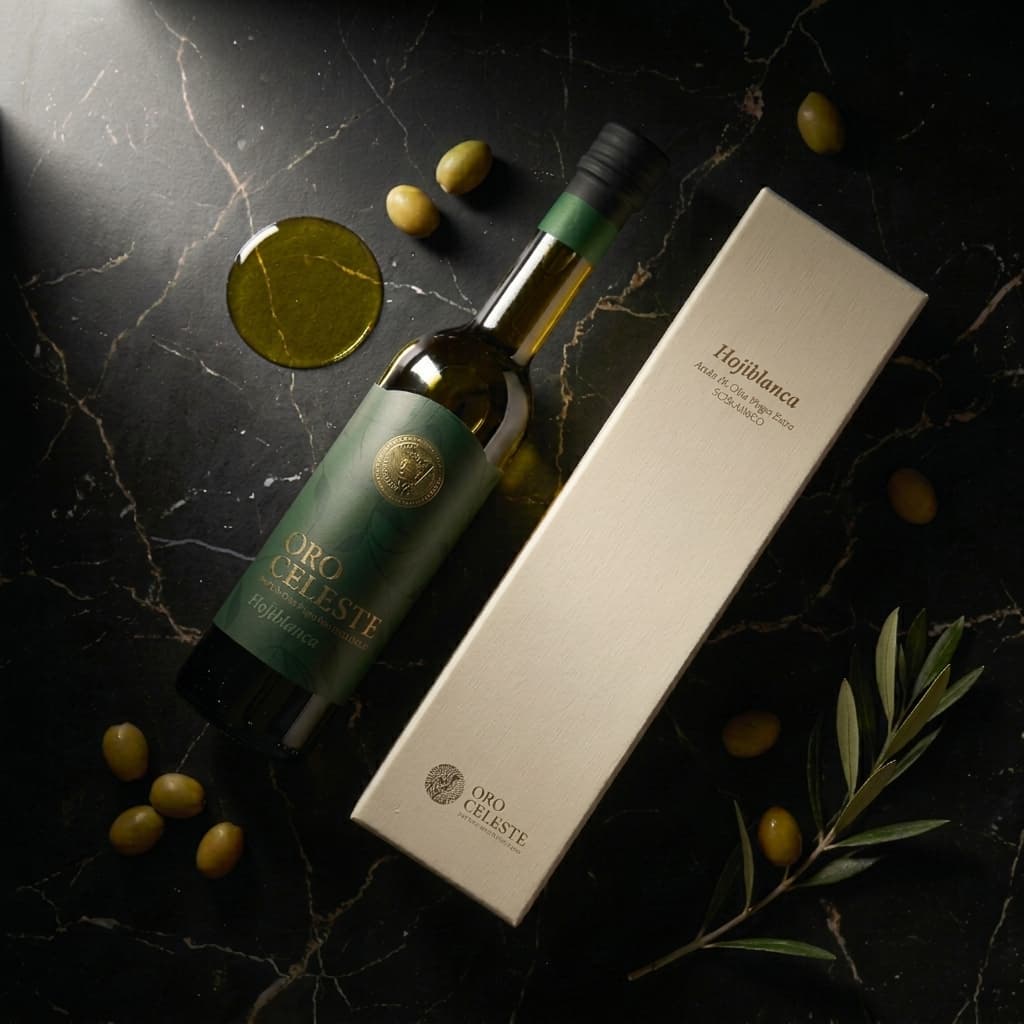
Ojiblanca is a native variety that has been grown for centuries across Andalusia in southern Spain, with its heartland in the provinces of Málaga and Córdoba. The name is thought to derive from the Spanish ojo blanco — "white eye" — after the pale spot that appears near the tip of the fruit just before full ripeness. It does not enjoy the global planting footprint of Picual or Arbequina, but according to the International Olive Council (IOC) cultivar database, Ojiblanca is consistently recognized within the specialty olive oil sector for its complex flavor profile and its potential for high polyphenol concentrations.
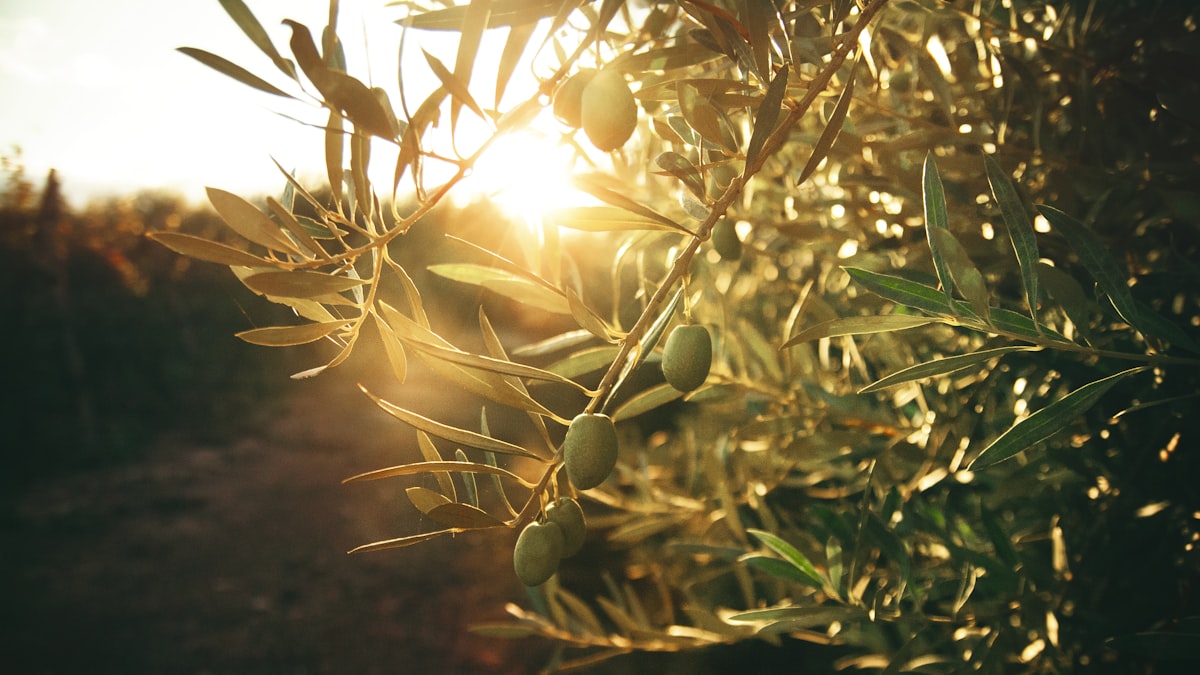
To draw out the full character of the variety, ORO CELESTE harvests Ojiblanca early — before the fruit reaches complete maturity, while the olives still carry their green hue. The goal is a lower acidity reading and a higher polyphenol concentration. The result: measured acidity of 0.16% and polyphenol content above 600 mg/kg. To place that figure in context, the average polyphenol level of a standard supermarket extra virgin olive oil is reported to sit in the 200–300 mg/kg range.
From First Sniff to Finish — Reading the Three Layers
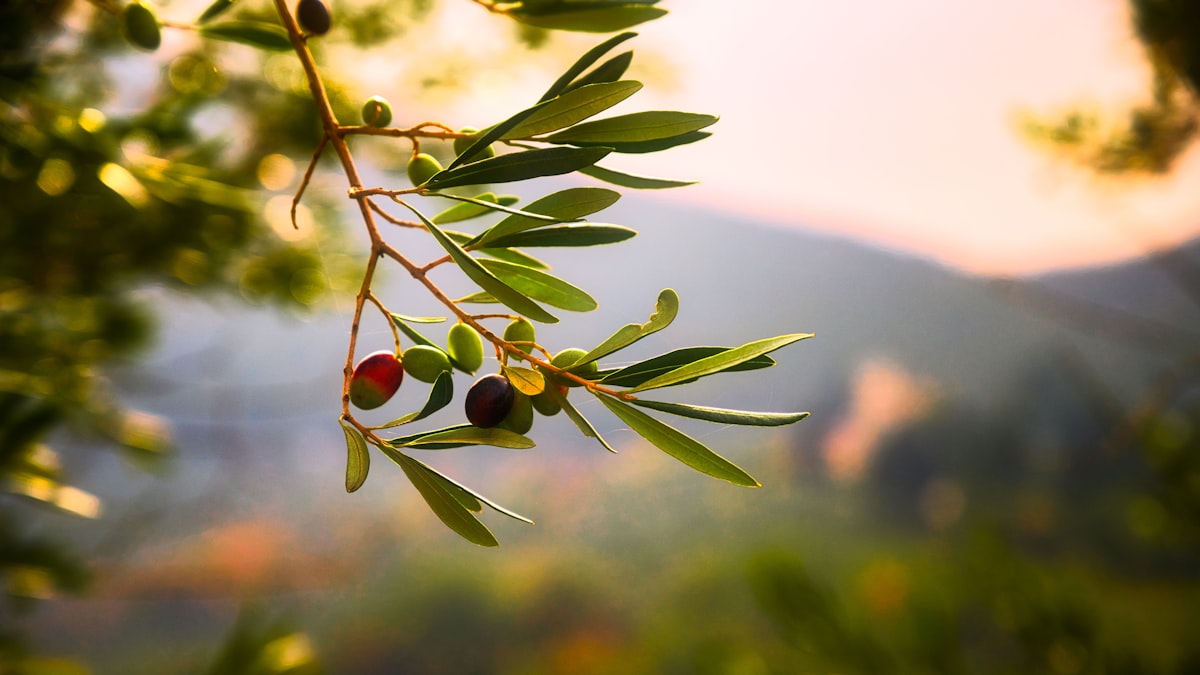
The industry standard for analyzing extra virgin olive oil flavor moves through three stages: the olfactory impression (aroma), the initial palate impression (fruitiness and bitterness), and the sensation that lingers after swallowing (piquancy and finish). According to educational materials published by Asoliva, the Spanish Olive Oil Exporters Association, Ojiblanca belongs to the cultivar group in which green-fruit character within the fruity family is especially pronounced.
Pouring ORO CELESTE Ojiblanca into a glass, the first sensation is green apple — then, a beat later, fresh-cut grass or young herbs. These two notes do not arrive simultaneously; the apple registers first and the herbal layer follows, creating a sequential rather than blended opening. On the palate, an initial softness gives way to a mild bitterness at the center of the tongue. That bitterness has been reported to be associated with oleuropein and related polyphenol compounds, and it is evaluated as a positive quality attribute in extra virgin olive oil.
The finish is where Ojiblanca most clearly distinguishes itself. A gentle piquancy — the mild, pepper-like sensation felt at the back of the throat — appears and then gives way to a sweet, extended aftertaste of almond and banana. This almond note is the characteristic most frequently cited when tasters try to separate Ojiblanca from other cultivars.
Color and Viscosity as Indicators
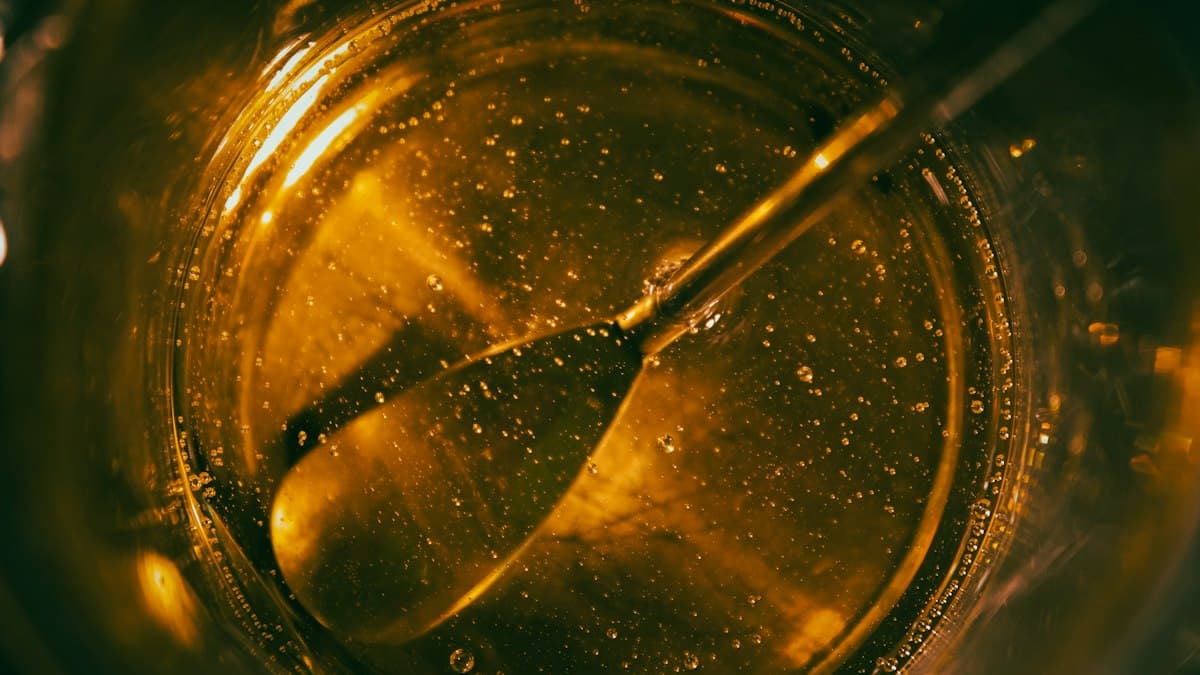
Early-harvest Ojiblanca oil sits somewhere between yellow-green and deep green. Color does not determine flavor directly, but higher chlorophyll levels correlate with a greener appearance, which in turn reflects harvest timing and growing conditions. ORO CELESTE Ojiblanca shows a deep yellow-green; held up to light, it carries a quiet luminosity.
Viscosity is medium — fluid enough for salad dressings and dipping sauces, where the oil itself is the point. Drizzled over a piece of bread with a pinch of salt, or used as a finishing oil over fresh tomatoes, the apple and grass notes are reported to lift the surrounding flavors rather than compete with them.
Storage and Use — Keeping the Flavor Intact
Early-harvest oils with high polyphenol content have been reported to show relatively greater resistance to oxidation, but that does not mean indefinite stability. The IOC quality guidelines recommend storing extra virgin olive oil away from direct light and heat, in a cool, dark place, and consuming it as promptly as possible after opening to preserve its aromatic profile.
With ORO CELESTE Ojiblanca, the 30-to-45-day window after opening is where the apple and grass aromas are sharpest. As time passes, the green notes recede and the almond finish moves forward — a shift that some tasters prefer. The oil offers a genuinely different experience depending on when in its open life you encounter it, and that range is part of its appeal.
It can be used over heat, but given its low acidity and finely drawn aromatics, the cultivar's personality comes through most clearly when served raw or at low temperatures (below 60°C). The triple structure of green apple, fresh grass, and almond is particularly well suited to light, fresh preparations.
Frequently asked questions
- What does Ojiblanca olive oil taste like?
- Ojiblanca typically opens with green apple and fresh-cut grass aromas, followed by a mild bitterness on the mid-palate, and finishes with a gentle peppery tingle and a lingering almond-banana sweetness. This three-stage structure is widely considered the cultivar's most recognizable trait.
- How much polyphenol does ORO CELESTE Ojiblanca contain?
- ORO CELESTE Ojiblanca records more than 600 mg/kg of polyphenols. For context, the average extra virgin olive oil found in general retail sits closer to 200–300 mg/kg, making the early-harvest Ojiblanca notably higher.
- How long after opening should I use Ojiblanca olive oil?
- Consuming it within 30–45 days of opening gives you the sharpest expression of its green-apple and grass notes. After that window, the green character softens and the almond finish becomes more prominent — a shift some palates actually prefer.
- Is Ojiblanca good for cooking or is it better raw?
- Its low acidity and delicate aromatics mean Ojiblanca shows its character most clearly when used raw or at low heat (below 60°C) — as a finishing oil, a dip, or a dressing. The cultivar's signature apple-grass-almond profile pairs especially well with light, fresh dishes.
- Where does the Ojiblanca cultivar come from?
- Ojiblanca is a native variety from Andalusia in southern Spain, cultivated for centuries mainly around Málaga and Córdoba. According to the International Olive Council (IOC) cultivar database, it is recognized for its complex flavor profile and high polyphenol potential, placing it firmly in the specialty olive oil category.
Related reading
- One Farm, Three Cultivars: The Córdoba Origin of ORO CELESTE
On a single estate in Córdoba, Andalusia, ORO CELESTE presses Ojiblanca, Sibarita, and Picual olives within 24 hours of harvest — capturing the terroir of one of Spain's most storied olive-growing regions in every bottle.
- Picual, Arbequina, Coratina, Moraiolo: A Cultivar Guide to Olive Oil Flavor
Flavor in extra virgin olive oil begins with the olive itself. This guide breaks down the origins, sensory profiles, polyphenol levels, and best uses of four cultivars that dominate the premium EVOO market.
- Three Andalusian Single-Varietals, One Clear Standard: ORO CELESTE Launches in Korea
ORO CELESTE has introduced three single-varietal, cold-pressed EVOOs from a family farm in Andalusia — Ojiblanca, Sibarita, and Picual — each backed by batch-level lab reports accessible via label QR code.
- Sibarita Up Close: Tomato-Leaf Green and the Art of Delicate Balance
ORO CELESTE's Sibarita delivers acidity of 0.14% and polyphenol levels above 500 mg/kg, with a profile built around vivid tomato-leaf green notes and a finish clean enough to let every dish speak for itself. A closer look at one of Andalusia's most underrated cultivars.
- Córdoba Terroir: The Soil, Altitude, and Microclimate Behind ORO CELESTE
In the inland hills of Córdoba, Andalusia, limestone soils, elevations of 400–600 m, and a rare transitional microclimate converge to shape the acidity, polyphenol concentration, and flavor profile of ORO CELESTE's extra virgin olive oils.
- Three Generations, One Farm: The Philosophy Behind ORO CELESTE
From a grandfather's first seedlings in the hills of Jaén to a third-generation agronomist measuring polyphenols at harvest, ORO CELESTE's story is one of a family that keeps building on what came before — without abandoning what worked.
Tags
- ojiblanca
- extra virgin olive oil
- flavor profile
- single cultivar
- andalusia