Craft
Three Andalusian Single-Varietals, One Clear Standard: ORO CELESTE Launches in Korea
ORO CELESTE has introduced three single-varietal, cold-pressed EVOOs from a family farm in Andalusia — Ojiblanca, Sibarita, and Picual — each backed by batch-level lab reports accessible via label QR code.
Translated from the Korean edition, originally published May 22, 2026 · read the original
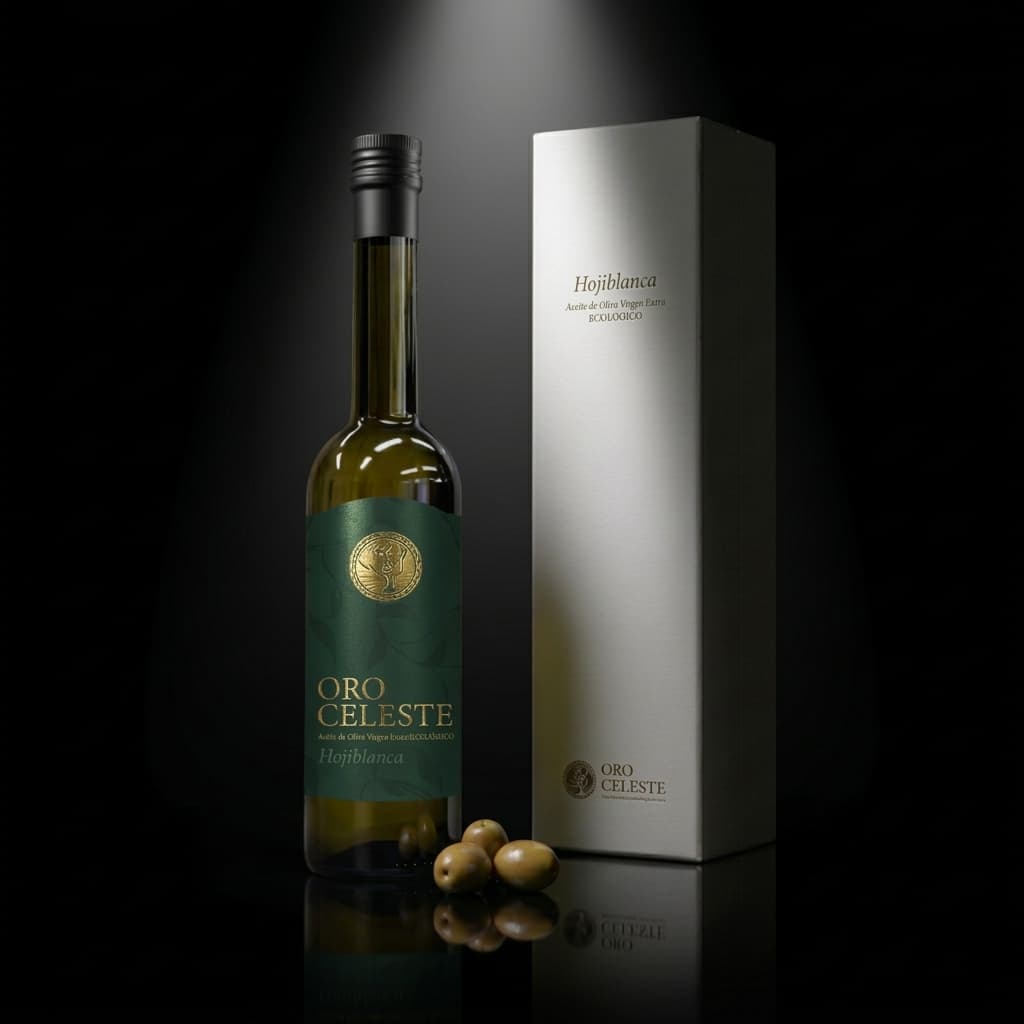
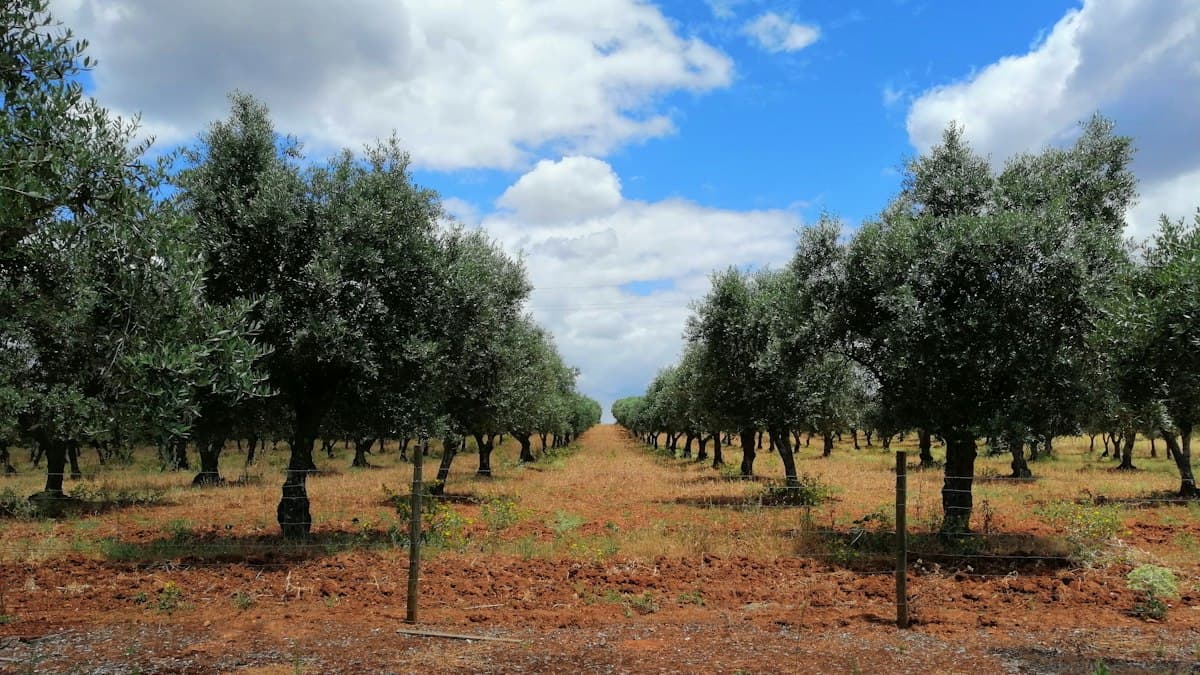
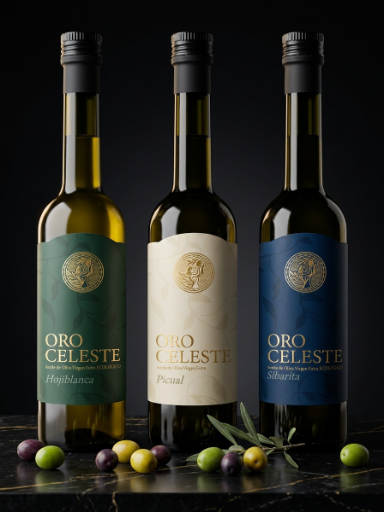
ORO CELESTE has introduced three cold-pressed extra virgin olive oils — each a single varietal from a family farm in Andalusia, southern Spain — to the Korean market as of 22 May. The lineup is built around Ojiblanca, Sibarita, and Picual, pressed individually so that no cultivar is masked by blending.
Operating Principles
ORO CELESTE structures its supply chain around a consistent set of commitments, from grove to label. The oils are sourced through a direct relationship with a family farm in Andalusia and cold-pressed at an average temperature below 27°C. The range is confined to three single varietals — Ojiblanca, Sibarita, and Picual — and no blending or ambiguous origin labelling is used. A QR code printed on each label links to the batch-specific lab report, and the acidity and polyphenol figures shown on the label match the figures in that report.
Where ORO CELESTE Sits on Price
The premium EVOO shelf has historically been split between a high tier and a volume tier, leaving a mid-range gap for oils that offer documented quality without collector pricing. ORO CELESTE positions itself in that middle ground, with batch-level lab transparency — accessible directly from the label — offered as the evidence base for its pricing.
The Character of Each Varietal
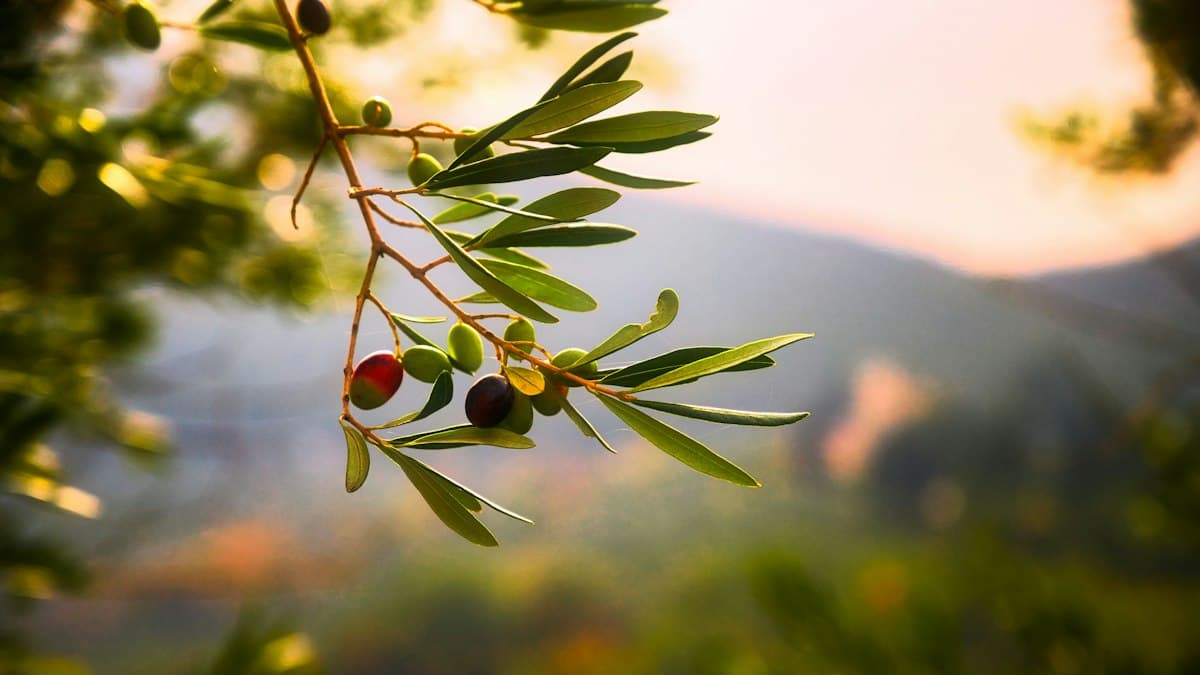
Ojiblanca carries an acidity of 0.16% and polyphenols above 600 mg/kg. Its apple-forward aroma and gentle finish make it an accessible entry point into high-quality single-varietal oil. Sibarita, at 0.14% acidity and over 500 mg/kg polyphenols, leads with green notes and a balanced structure that pairs well with seafood. Picual, at 0.20% acidity and over 800 mg/kg polyphenols — a figure recorded as exceeding the upper limit of the measurement method — delivers the assertive pepperiness that dedicated olive oil enthusiasts tend to seek out.
The Season Behind the Launch
Spain's 2025/26 olive oil production is estimated at approximately 1.37 million tonnes. According to source data cited by Olive Oil Times, Andalusian output declined by roughly 5.5% compared with the previous year. The International Olive Council (IOC) projects global production at around 3.44 million tonnes for the same season. ORO CELESTE's launch coincides with the close of the Andalusian harvest season, the point at which the new crop's character is fully established.
Frequently asked questions
- What cultivars does ORO CELESTE offer?
- ORO CELESTE's lineup comprises three single-varietal oils from Andalusia: Ojiblanca, Sibarita, and Picual — each pressed from a single cultivar with no blending.
- How can I verify the acidity and polyphenol figures on an ORO CELESTE bottle?
- Every bottle carries a QR code that links directly to the batch-specific lab report. The numbers on the label and the report are the same document.
- What is the polyphenol content of ORO CELESTE's Picual?
- ORO CELESTE's Picual is listed at over 800 mg/kg of polyphenols — a figure recorded as exceeding the measurement ceiling of the test — alongside an acidity of 0.20%.
- Where does ORO CELESTE source its olives?
- All three oils are sourced directly from a single family farm in Andalusia, southern Spain, and cold-pressed at an average temperature below 27°C.
- How does Spanish olive oil production look for the 2025/26 season?
- Spain's 2025/26 output is estimated at approximately 1.37 million tonnes. According to source data cited by Olive Oil Times, Andalusian production fell roughly 5.5% year-on-year. The International Olive Council (IOC) projects global production at around 3.44 million tonnes.
Related reading
- Sibarita Up Close: Tomato-Leaf Green and the Art of Delicate Balance
ORO CELESTE's Sibarita delivers acidity of 0.14% and polyphenol levels above 500 mg/kg, with a profile built around vivid tomato-leaf green notes and a finish clean enough to let every dish speak for itself. A closer look at one of Andalusia's most underrated cultivars.
- One Farm, Three Cultivars: The Córdoba Origin of ORO CELESTE
On a single estate in Córdoba, Andalusia, ORO CELESTE presses Ojiblanca, Sibarita, and Picual olives within 24 hours of harvest — capturing the terroir of one of Spain's most storied olive-growing regions in every bottle.
- Córdoba Terroir: The Soil, Altitude, and Microclimate Behind ORO CELESTE
In the inland hills of Córdoba, Andalusia, limestone soils, elevations of 400–600 m, and a rare transitional microclimate converge to shape the acidity, polyphenol concentration, and flavor profile of ORO CELESTE's extra virgin olive oils.
- Three Generations, One Farm: The Philosophy Behind ORO CELESTE
From a grandfather's first seedlings in the hills of Jaén to a third-generation agronomist measuring polyphenols at harvest, ORO CELESTE's story is one of a family that keeps building on what came before — without abandoning what worked.
- ORO CELESTE Ojiblanca: Apple, Grass, and a Long Almond Finish
ORO CELESTE's Ojiblanca registers 0.16% acidity and more than 600 mg/kg polyphenols — numbers that frame a flavor profile built in three distinct layers, from green-apple aroma to a gently peppery close.
- Early Harvest in Andalusia: How November Shapes ORO CELESTE's Three Cultivars
While most producers wait for full ripeness, ORO CELESTE times three separate harvests in early November — catching Ojiblanca, Sibarita, and Picual at the narrow window when polyphenols peak and acidity is at its lowest.
Tags
- single varietal
- andalusia
- extra virgin olive oil
- batch transparency
- craft evoo