Craft
Sediment in Your Olive Oil Bottle: Three Causes, Three Very Different Meanings
The deposit settling at the bottom of an olive oil bottle could be natural wax crystals, a polyphenol-rich particle cluster, or—less welcome—residual moisture. An editor's guide to telling them apart and storing your oil accordingly.
Translated from the Korean edition, originally published September 7, 2026 · read the original
Sediment Is Not Evidence of a Defect
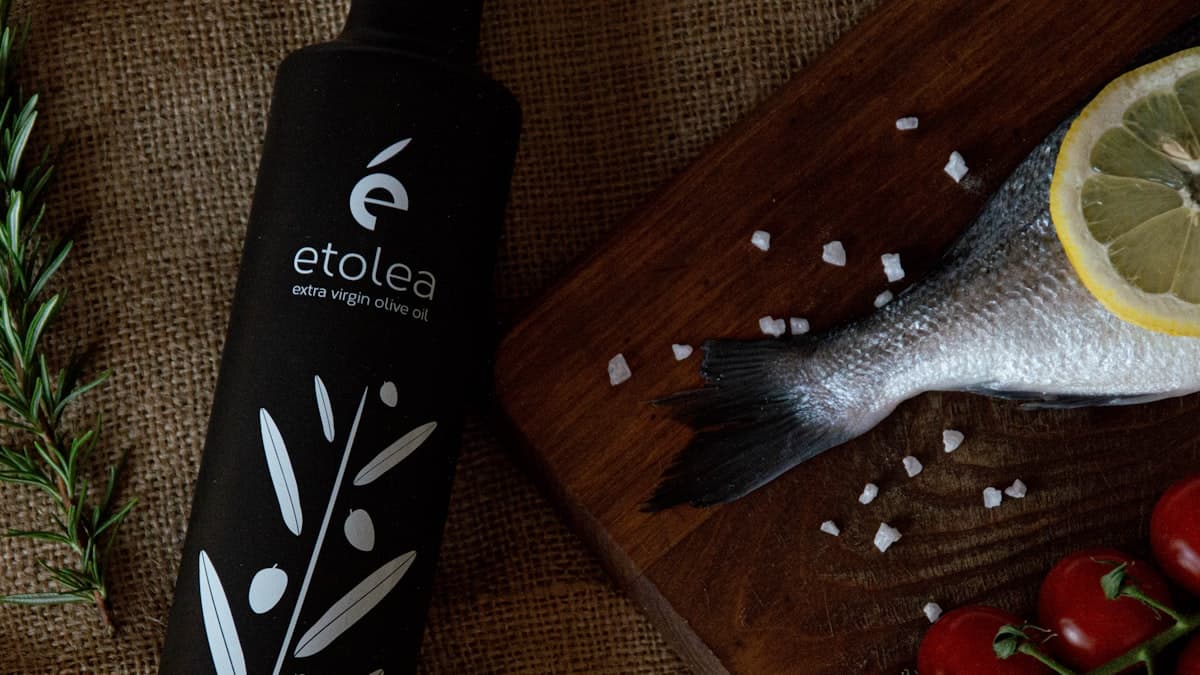
If you have ever held an olive oil bottle up to the light and noticed something settled at the bottom, the instinct to worry is entirely understandable. But sediment does not automatically mean the oil has gone bad. In most cases it tells you something useful about where the oil came from and how it was processed. There are three distinct causes—natural olive wax, polyphenol-and-micro-pulp clusters, and residual moisture—and each carries a completely different quality implication.
The First Culprit: Natural Olive Wax
The skin of an olive fruit is coated with a thin natural wax layer whose job is to slow moisture loss. During pressing, small amounts of that wax transfer into the oil. When the oil is stored or transported in temperatures below around 10 °C, its viscosity rises and the waxes crystallise, sinking to the bottom as white or pale-beige flakes.
According to documentation from Italy's ONAOO (Organizzazione Nazionale Assaggiatori Olio di Oliva), a significant proportion of extra virgin olive oils exposed to sub-10 °C conditions during winter distribution show exactly this kind of wax-crystal deposit. ONAOO classifies it as a normal physical reaction with no connection to quality. A straightforward test: leave the bottle at room temperature for 30 minutes to an hour. If the deposit vanishes completely, wax crystals were the cause.
The Second Culprit: Polyphenol and Micro-Pulp Clusters
This is the most common sediment in unfiltered olive oil. Freshly pressed oil contains microscopic pulp particles, residual cell fluid, and polyphenol compounds held in colloidal suspension. Over time these particles aggregate and sink, forming a greenish-brown or deep olive-coloured layer at the bottom of the bottle.
Far from being a flaw, this deposit can be read as a sign that the oil underwent minimal processing. Researchers at Spain's National Institute for Agricultural and Food Research (INIA) reported that unfiltered extra virgin olive oil tends to show higher initial concentrations of polyphenol compounds—including oleocanthal and oleacein—compared with filtered equivalents. The same research noted, however, that unfiltered oils are more vulnerable to oxidation and fermentation, making prompt consumption and careful storage important.
If you have bought an unfiltered oil, do not discard the sediment. Shake or stir the bottle before pouring, or use it as-is in dressings and marinades; the deposit carries genuine flavour.
The Third Culprit: Moisture—the One to Watch
Of the three, residual moisture deserves the most attention. If water separation during production is incomplete, or if moisture enters the bottle during storage, the oil and water can stratify, with the water collecting at the bottom as a transparent or hazy liquid layer. Unlike wax or pulp particles, this layer does not blend back into the oil when the bottle is shaken.
Moisture creates conditions that can encourage microbial activity, potentially accelerating rancidity and flavour degradation. Under IOC extra virgin grade standards, the moisture and volatile matter content of a compliant oil must not exceed 0.2 percent. If you notice a significant watery layer in a recently purchased bottle, it may point to a production or storage issue, and contacting the retailer is a reasonable step.
A Practical Field Guide to Telling Them Apart
The quickest way to distinguish between the three types is a temperature-change test combined with a colour and behaviour check.
Place the bottle at room temperature (18–22 °C) for about an hour, then observe. If the deposit has disappeared without trace, it was wax crystals. If a greenish-brown layer remains but disperses evenly throughout the oil when you shake the bottle, you are looking at polyphenol-and-micro-pulp clusters—entirely normal. If a transparent or whitish liquid sits separately at the bottom and re-separates quickly after shaking, moisture is the likely explanation.
Smell is another clue. Wax and polyphenol deposits leave the oil's aroma intact: fresh grass, ripe fruit, and a mild peppery finish. When moisture contamination is progressing, the oil may develop a fermented or musty note.
How to Store Olive Oil and Reduce Sediment Formation
The storage environment is the main lever. Olive oil keeps best when shielded from four things: light, heat, oxygen, and moisture. A sealed bottle in a cool, dark spot—ideally between 14 °C and 18 °C—is the standard recommendation. Refrigeration is a personal choice; it will cause wax crystallisation, but the crystals dissolve harmlessly once the oil returns to room temperature.
For unfiltered oils, finishing the bottle within two to three months of opening is advisable. The IOC notes that once a bottle is uncorked, oxygen exposure begins immediately, making smaller, more frequent purchases the better approach for maintaining quality. Dark glass bottles or tins offer meaningful protection against photo-oxidation.
Sediment is not a verdict on an oil's character—it is a trace of that oil's origin and how it was made. Knowing what you are looking at changes the question from "should I throw this out?" to "what does this tell me?"
Frequently asked questions
- Is sediment in olive oil a sign of bad quality?
- Not necessarily. Wax crystals and polyphenol-rich micro-particles are both normal and harmless. The one type worth watching is a transparent or milky liquid layer that doesn't blend back into the oil when shaken—that can indicate residual moisture, which may accelerate spoilage.
- Why does olive oil get cloudy or form white flakes in cold weather?
- Olive fruit skin contains a natural wax layer. During pressing, small amounts carry over into the oil. When the oil is exposed to temperatures below about 10 °C, those waxes crystallise into white or pale-beige flakes and settle at the bottom. According to Italy's ONAOO (Organizzazione Nazionale Assaggiatori Olio di Oliva), this is a normal physical response with no bearing on quality; the flakes dissolve again once the bottle returns to room temperature.
- Should I shake unfiltered olive oil before using it?
- Yes. The green-brown sediment in an unfiltered (non-filtrato) oil consists of micro-pulp particles and polyphenol compounds. It is safe and flavourful. Shaking or stirring redistributes it evenly, so you get the full taste of the oil in every pour. The Spanish National Institute for Agricultural and Food Research (INIA) has reported that unfiltered extra virgin olive oil tends to have higher initial concentrations of polyphenols such as oleocanthal and oleacein compared with filtered equivalents.
- How do I tell the difference between wax crystals, polyphenol particles, and moisture in olive oil?
- A simple temperature-and-colour test works well. Leave the bottle at room temperature (18–22 °C) for about an hour. If the deposit disappears completely, it was wax. If a greenish-brown layer remains but disperses evenly when you shake the bottle, it is polyphenol-rich micro-pulp—nothing to worry about. If a transparent or whitish liquid sits separately at the bottom and quickly re-separates after shaking, suspect residual moisture and contact the retailer.
- What is the best way to store olive oil to minimise sediment?
- Keep the bottle sealed in a cool, dark spot between 14 °C and 18 °C, away from light, heat, oxygen, and moisture. Refrigeration is safe but will trigger wax crystallisation; the crystals dissolve harmlessly once the oil warms up. For unfiltered oils, the INIA recommends finishing the bottle within two to three months of opening. The IOC also advises buying smaller quantities more often once a bottle has been opened, since oxygen exposure begins immediately on uncorking. Dark glass bottles or tins reduce photo-oxidation.
Related reading
- Closer to the Source: A Practical Guide to Buying Olive Oil Direct from Producers
From farm-direct shipping and micro-importers to group buys, there are more ways than ever to reach a producer before a supermarket shelf does. This guide walks through each route, what to verify before you buy, and how to set realistic expectations on price and freshness.
- The Countdown Starts When You Break the Seal: An Olive Oil Oxidation Timeline
The moment you open a bottle of extra virgin olive oil, oxygen, light, and heat begin working against it. This guide maps freshness changes at one week, one month, and three months after opening — and lays out the storage habits that slow the decline.
- Organic Certification, Carbon Footprint, Water Use: A Practical Guide to Olive Oil Sustainability Labels
Behind every bottle of olive oil sit three measurable sustainability indicators — organic certification standards, carbon footprint figures, and water consumption data. Knowing how to read them turns a label logo from a marketing symbol into a genuine purchasing signal.
- The Right Container Makes or Breaks a Bulk Olive Oil Purchase
Decanting a large tin or bottle of extra virgin olive oil into a smaller vessel sounds simple — but the container you choose determines how much of that quality actually survives. A practical guide to material, light-blocking, and seal performance.
- Cold Press, First Press, Centrifuge: Decoding the Extraction Claims on Olive Oil Labels
Three terms appear on nearly every bottle of quality olive oil, yet few buyers know which ones carry legal weight and which are historical relics. This guide unpacks what cold press, first press, and centrifuge extraction actually mean — and where EU regulation draws the line.
- Olive Oil Sprayers: How Your Dispensing Method Affects Oil Quality
Convenience should not come at the cost of the oil itself. A guide to pump misters, hand-pump sprayers, and aerosol cans — and how each one treats your extra virgin olive oil.
Tags
- olive oil quality
- unfiltered evoo
- olive oil storage
- sediment
- extra virgin