Craft
Four Numbers on Every Olive Oil Label — and the Timeline They Hide
From harvest date to pressing interval, bottling day to best-before, every figure on an olive oil label traces a timeline that determines what ends up in the bottle. This guide explains how to read those numbers and what they reveal about freshness and producer intent.
Translated from the Korean edition, originally published August 11, 2026 · read the original
A Map of Time in Every Bottle
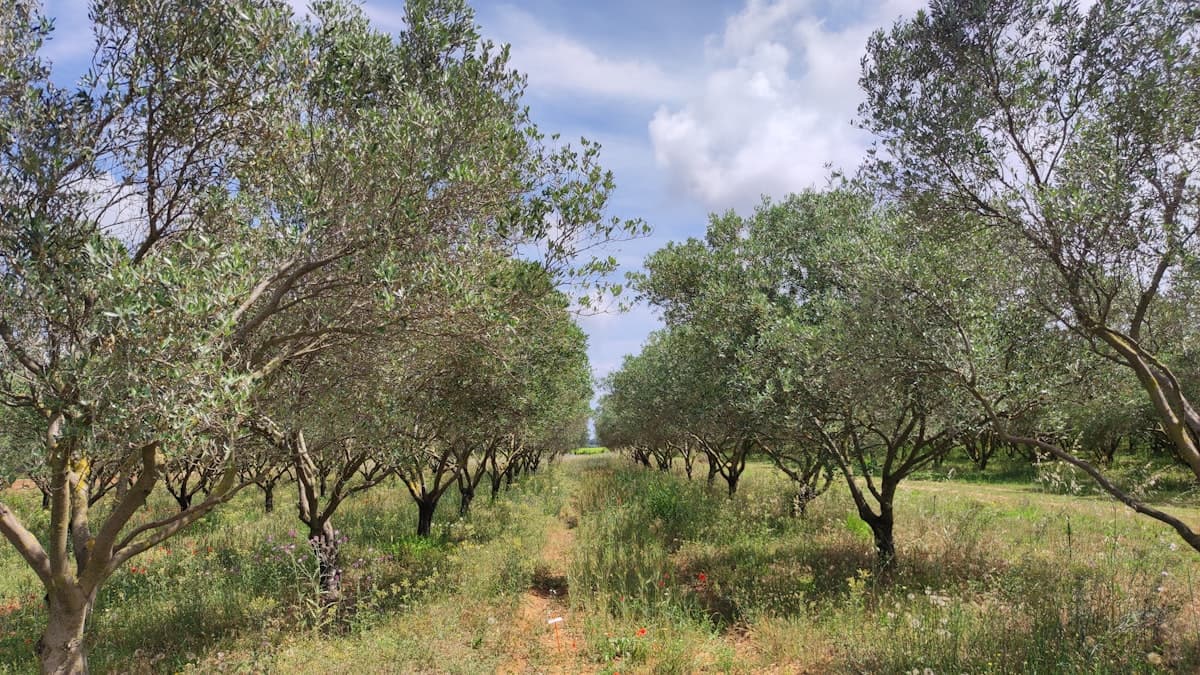
Look closely at an olive oil label and you will find a cluster of figures: harvest year, pressing method, bottling date, acidity percentage. These are not administrative formalities. From the moment an olive leaves the tree to the moment the bottle reaches a kitchen, every variable that shapes quality is inscribed along a single axis of time. Knowing how to read that timeline means being able to assess both the freshness of the oil and the philosophy of the producer who made it.
Stage 1 — Harvest: A Question of Hours, Not Days
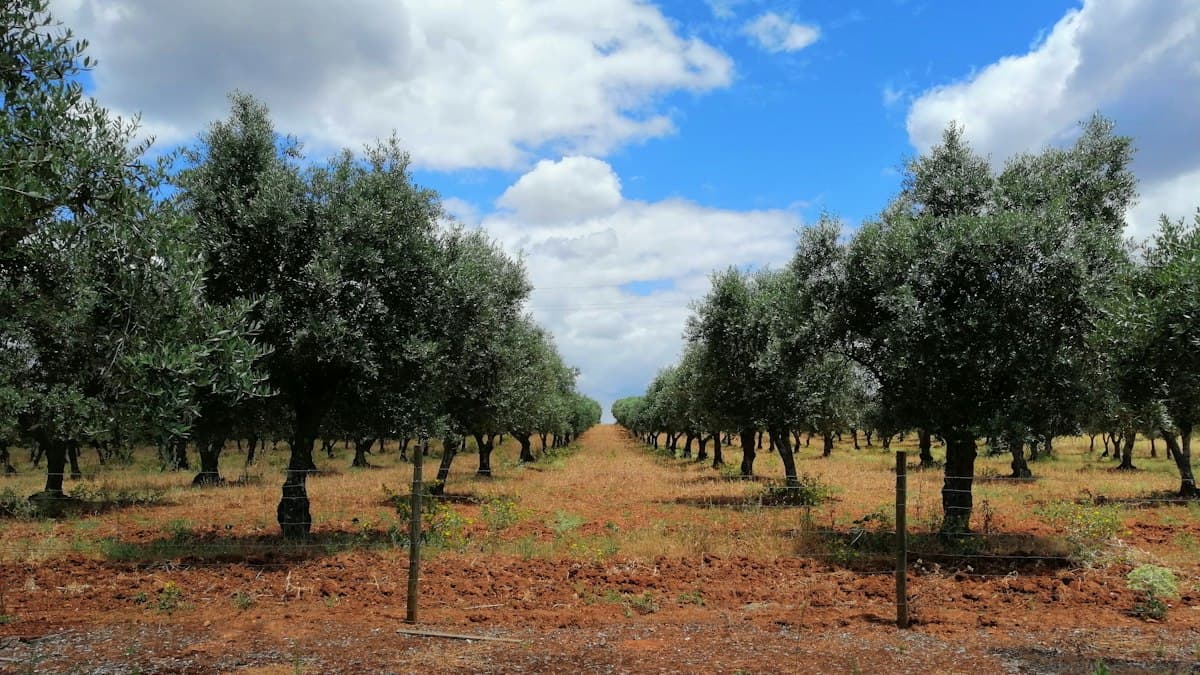
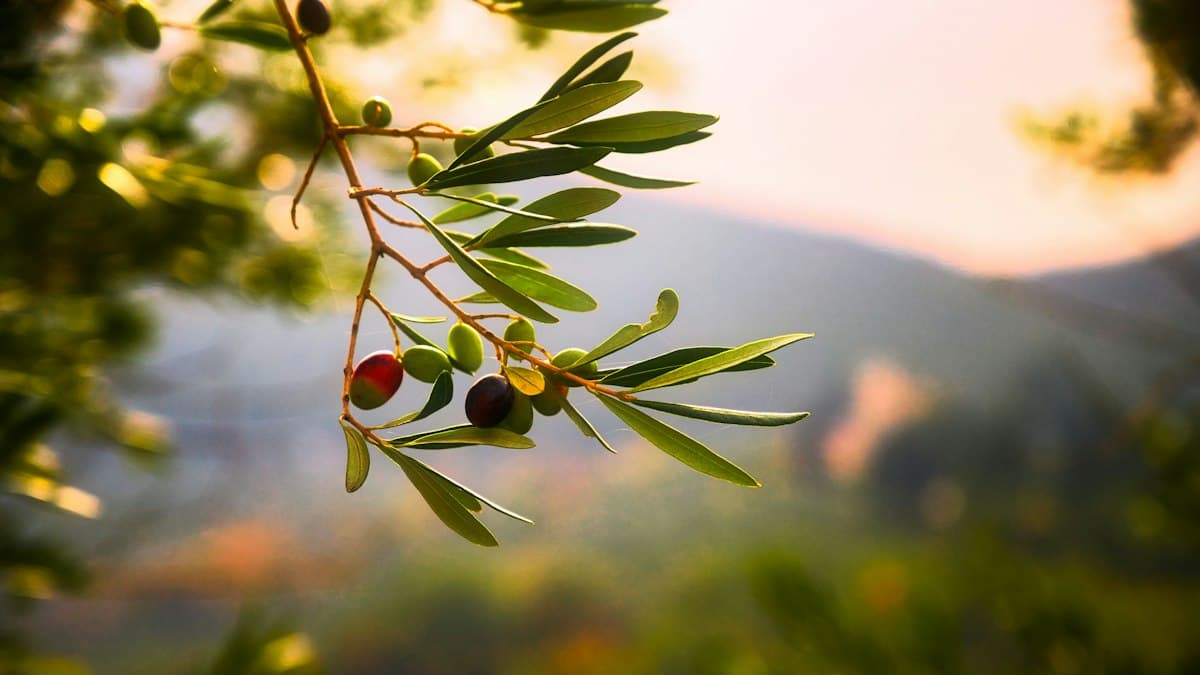
In the Northern Hemisphere, the olive harvest is concentrated roughly between early October and late December. Yet even within a single month, a difference of one week in picking time can dramatically alter the character of the resulting oil. Early-harvested olives — still green, not yet fully ripe — yield oils that are high in polyphenols and assertively grassy. Olives picked later, when they have turned violet or black, produce milder, rounder oils that oxidise more slowly but carry less aromatic intensity.
According to the International Olive Council (IOC), the longer harvested olives are left to sit before pressing, the more sharply free fatty acid (FFA) levels rise. The extra virgin grade requires FFA to remain below 0.8 g per 100 g of oil, and the IOC has reported that in warm, humid conditions, 48 hours post-harvest may be enough to breach that threshold. On any infographic, the harvest date is therefore not simply a calendar entry — it is the starting point from which you estimate how quickly the press ran.
Stage 2 — Pressing: 24 Hours as the Benchmark
Moving harvested olives to the mill and pressing them is the interval that, in practical terms, locks in the oil's quality ceiling. Modern continuous cold-press systems use centrifuges to separate oil, water, and olive paste. Keeping the process temperature at or below 27°C is the technical condition that allows a label to carry the designations "Cold Pressed" or "Cold Extraction."
The timing of pressing matters for two reasons. First, the sooner olives are milled after picking, the less time internal enzymes have to trigger oxidative reactions. Second, lower process temperatures preserve the volatile aldehyde and ester compounds responsible for fresh, complex aromas — heat drives them off before they can be captured in the oil.
A report by IFAPA, the agricultural and fisheries research institute of Andalusia, Spain, found that oils pressed within four hours of harvest can contain more than 30% higher polyphenol levels than oils pressed 24 hours after harvest. When an infographic or producer data sheet lists "Hours to Mill" or "Harvest-to-Press Interval," the shorter that figure, the more directly it reflects the producer's commitment to freshness.
Stage 3 — Filtration and Bottling: The Choice Behind Clarity
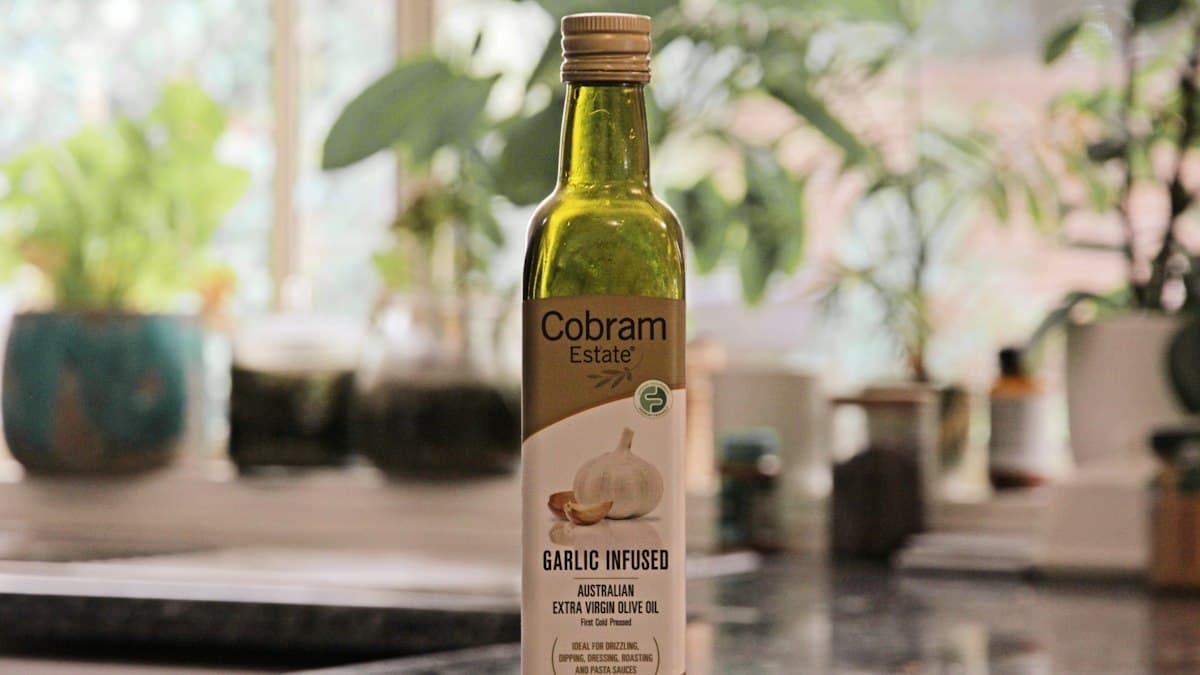
Once pressed, oil may be bottled immediately after filtration or allowed to settle naturally in its unfiltered state for a period before packaging. Both approaches carry trade-offs. Unfiltered oil retains residual moisture and fine fruit particles that can deliver a more layered flavour during the first three to four months; over time, however, those same components can promote internal fermentation and accelerate quality loss. Filtered oil is more stable and better positioned to maintain consistent quality across its full recommended shelf life.
The choice of container is also part of the timeline. Dark glass bottles, tin cans, and bag-in-box formats each offer different levels of protection against light and oxygen — two of the primary drivers of oxidative degradation. IOC guidelines recommend storing olive oil away from direct sunlight and heat sources, in a cool, dark environment. Reading the bottling date alongside the best-before date tells you where in the oil's life cycle a given bottle currently sits.
Stage 4 — Decoding the Label Timeline
Producer infographics and product labels frequently carry some or all of the following data points:
Harvest Year: Like a wine vintage, the harvest year anchors the entire timeline. Products that declare a harvest year allow far more precise freshness tracking than those that do not. Consuming extra virgin olive oil within 18–24 months of the stated harvest year is the guidance most commonly offered by producers and trade bodies.
Best Before Date: This date is typically calculated from the bottling date, not the harvest date. Checking both figures together matters: an oil bottled six or more months after harvest may already have undergone significant flavour development — or loss — before it reaches a shelf.
Free Acidity: The lower the percentage, the better the condition of the fruit and the care taken during processing. The extra virgin threshold is 0.8% or below, but many quality-focused producers target 0.2–0.3% or lower as a practical benchmark.
Total Polyphenols: Expressed in mg/kg, this figure tends to be higher in oils made from early-harvested fruit milled quickly after picking. According to European Food Safety Authority (EFSA) regulations, olive oils containing 250 mg/kg or more of polyphenols are permitted to carry specific authorised label statements relating to those compounds.
Reading the Timeline Changes How You Choose
An olive oil infographic is a producer's declaration of transparency. A product that supplies all four coordinates — harvest date, harvest-to-press interval, bottling date, and best-before date — signals confidence in the quality of every stage. An oil whose timeline is fully legible is more than a cooking ingredient; it is closer to a record of a particular field, in a particular year, on a particular day of light and wind.
Frequently asked questions
- How soon after harvest should olives be pressed for the best olive oil?
- According to a report by IFAPA, the Spanish agricultural research institute based in Andalusia, oils pressed within four hours of harvest can contain up to 30% more polyphenols than oils pressed 24 hours later. Most quality producers treat 24 hours as an absolute ceiling; the shorter the harvest-to-mill interval stated on an infographic or label, the greater the producer's investment in freshness.
- What free acidity level should I look for in extra virgin olive oil?
- The International Olive Council (IOC) sets the extra virgin grade threshold at no more than 0.8 g of free fatty acids per 100 g of oil. Many high-quality producers aim for 0.2–0.3% or below. The lower the figure, the better the condition of the fruit at harvest and the care taken during pressing.
- What does the harvest year on an olive oil label actually mean?
- Like a wine vintage, the harvest year tells you when the olives were picked — not when the oil was bottled. Because best-before dates are typically calculated from the bottling date rather than the harvest date, checking both figures together lets you estimate how much of the oil's shelf life has already elapsed. General guidance is to consume extra virgin olive oil within 18–24 months of the harvest year.
- Is unfiltered olive oil better than filtered olive oil?
- Neither is objectively superior; they suit different priorities. Unfiltered oil retains residual water and fine fruit particles that can produce a more complex flavour during the first three to four months. However, those same particles can accelerate internal fermentation over time, causing quality to decline more quickly. Filtered oil offers greater stability and tends to maintain consistent quality throughout its recommended shelf life.
- What polyphenol level allows a health claim on an olive oil label?
- According to European Food Safety Authority (EFSA) regulations, olive oils containing 250 mg/kg or more of polyphenols are permitted to carry specific authorised label statements relating to those compounds. Polyphenol content is typically expressed in mg/kg and tends to be higher in oils made from early-harvested fruit that was pressed quickly after picking.
Related reading
- Reading Polyphenol Numbers on an Olive Oil Label: A Step-by-Step Comparison Guide
The mg/kg polyphenol figure printed on an extra virgin olive oil bottle is one of the most useful quality signals a label can carry — but only if you know how to read it. This guide walks through what the number means, how measurement method affects it, and what else to check alongside it.
- Budget, Mid-Range, or Premium Olive Oil: The Numbers That Actually Separate Them
Every bottle on the shelf says 'extra virgin,' yet prices for 500 ml can vary tenfold. Acidity, polyphenols, harvest timing, and certification are the real dividing lines — and they're all readable on the label.
- Closer to the Source: A Practical Guide to Buying Olive Oil Direct from Producers
From farm-direct shipping and micro-importers to group buys, there are more ways than ever to reach a producer before a supermarket shelf does. This guide walks through each route, what to verify before you buy, and how to set realistic expectations on price and freshness.
- Organic Certification, Carbon Footprint, Water Use: A Practical Guide to Olive Oil Sustainability Labels
Behind every bottle of olive oil sit three measurable sustainability indicators — organic certification standards, carbon footprint figures, and water consumption data. Knowing how to read them turns a label logo from a marketing symbol into a genuine purchasing signal.
- Mapping the Global Olive Oil Trade: Exporters, Importers, and the Re-Export Layer in Between
Oil pressed in Spain reaches American supermarket shelves in bottles labeled Italy — a journey that reveals the layered re-export structure sitting between producer nations and end consumers. This guide traces that flow using IOC trade data.
- Cold Press, First Press, Centrifuge: Decoding the Extraction Claims on Olive Oil Labels
Three terms appear on nearly every bottle of quality olive oil, yet few buyers know which ones carry legal weight and which are historical relics. This guide unpacks what cold press, first press, and centrifuge extraction actually mean — and where EU regulation draws the line.
Tags
- harvest
- pressing
- bottling
- extra virgin olive oil
- label reading
- polyphenols