Craft
Cold Press or Washed Extraction: The Process That Shapes Every Drop of Flavor
Cultivar and origin get most of the credit, but the extraction method may matter just as much. A guide to how cold press and washed extraction differ — and what those differences mean in the bottle.
Translated from the Korean edition, originally published August 12, 2026 · read the original

Why Extraction Method Matters
When assessing the quality of an extra virgin olive oil (EVOO), cultivar, growing region, and harvest timing tend to get the most attention. Yet the same batch of olives can yield oils with strikingly different flavor profiles and nutritional compositions depending entirely on how they are milled. Cold press and washed extraction differ across several critical variables — temperature management, the addition of water, and the duration of paste churning — and those differences follow the oil all the way into the bottle.
The International Olive Council (IOC) sets a clear threshold for cold press labeling: temperature must not exceed 27°C at any point during the milling process. This standard exists to limit heat-driven flavor loss and oxidation. When a consumer sees 'Cold Pressed' or 'Cold Extraction' on a label, that phrase carries a regulated meaning rather than a marketing claim.
How Cold Press Works — and Why Temperature Is the Central Variable
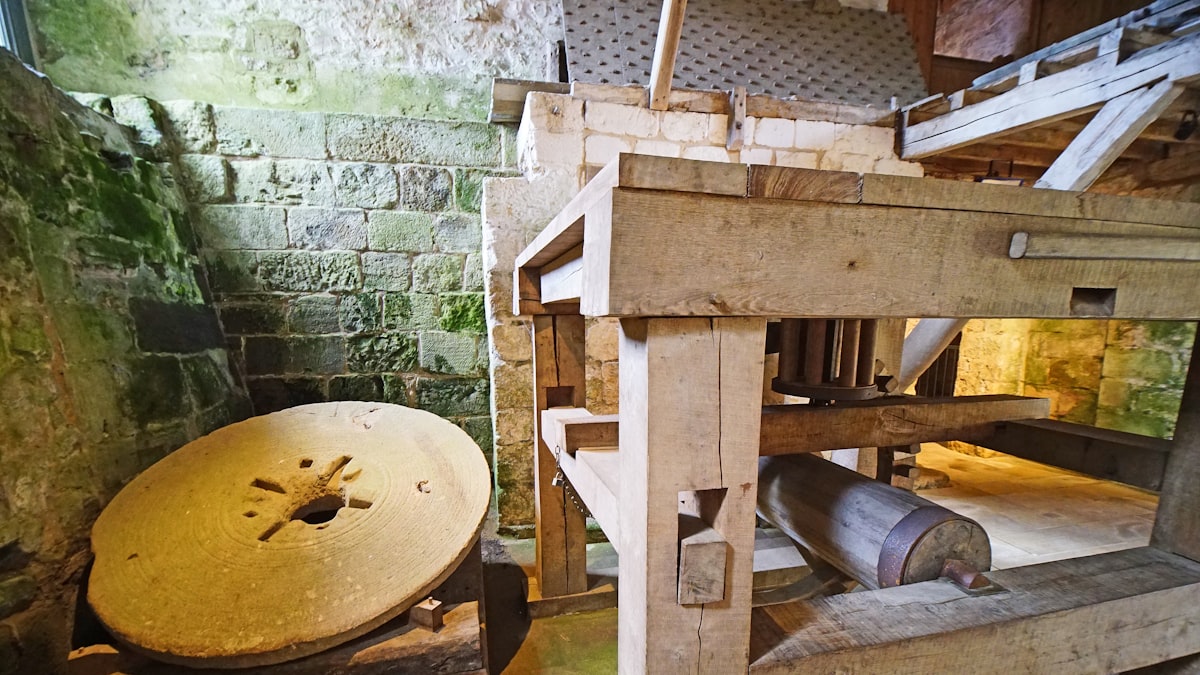
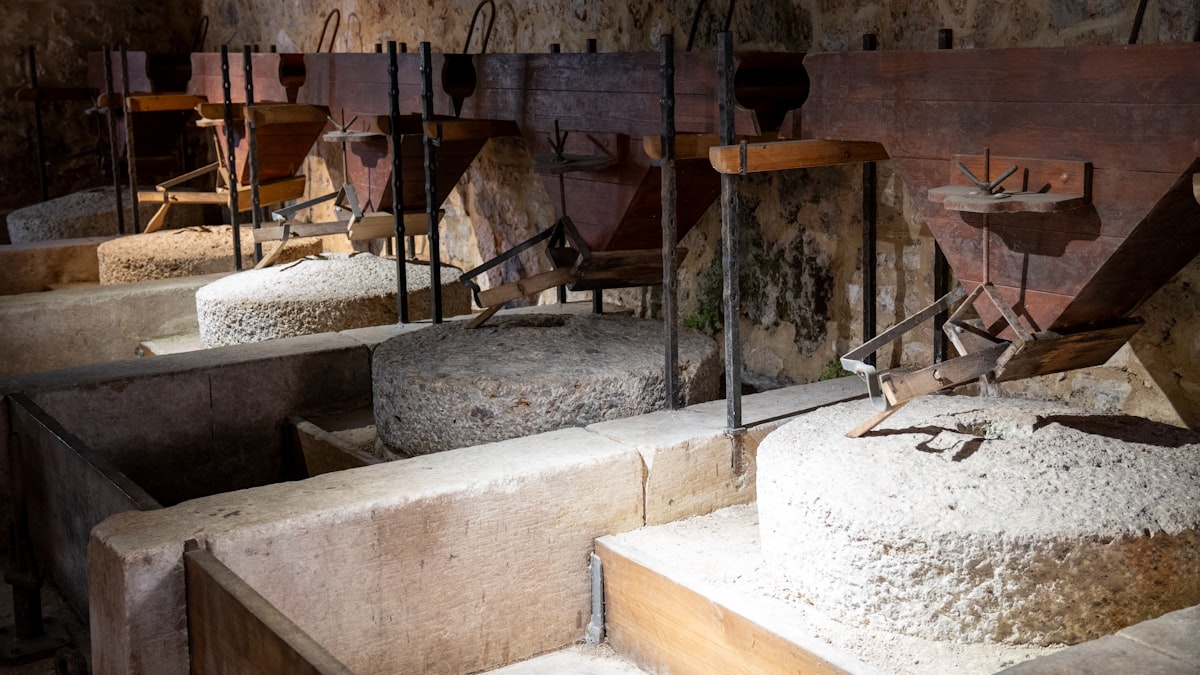
Cold press is an umbrella term covering both the modern continuous-process method — washing and crushing olives, churning the paste through malaxation, then separating oil by centrifuge — and the traditional stone-mill approach using granite or limestone wheels. What unifies them is the commitment to keeping temperatures low throughout every stage.
The reason low temperature matters comes down to chemistry. The volatile aromatic compounds and polyphenolic antioxidants inside an olive are sensitive to heat. Researchers at the University of Córdoba reported that maintaining malaxation temperatures at or below 27°C yielded average phenolic compound levels — including oleocanthal and oleacein — 15–20% higher than those observed at temperatures above 30°C. Retention rates for green-note volatiles such as hexanal and (E)-2-hexenal were also significantly higher, which translates to the fresh-cut grass, artichoke, and almond nuances that characterize high-quality cold press EVOO.
The trade-off is practical: cold press extraction rates are lower and throughput is slower, making production costs higher.
What Washed Extraction Actually Involves
'Washed extraction' is not a single standardized industry term. It most commonly refers to milling processes that incorporate a warm-water rinse — often called a second-wash centrifuge pass — after the initial oil-water-solids separation. In practice, warm water is introduced to the separated oil to flush out remaining impurities.
Some producers also increase water temperature or extend malaxation time to improve overall yield. When that happens, water-soluble phenolic compounds can migrate out of the oil phase along with the rinse water, pushing the final oil toward a cleaner, more neutral taste profile. According to data from Italy's Council for Agricultural Research and Economics (CREA), when water temperatures during milling exceed 30°C, total polyphenol content can fall by as much as 25%.
That figure does not mean washed extraction is inherently inferior. Cultivars with naturally elevated phenolic profiles, or operations that maintain strict control over wash-water temperature, can still produce oils with stable acidity and a well-balanced flavor profile.
How Temperature and Water Shape Flavor
Temperature and water are the two most useful variables for understanding the difference between these methods. Phenolic compounds — the primary drivers of an EVOO's bitterness and pungency — are highly water-soluble. The more water introduced during milling, and the warmer that water is, the greater the risk that polyphenols leave the oil phase entirely.
From a sensory standpoint, cold press favors the preservation of oleocanthal, the compound responsible for the characteristic throat-catching pungency that experienced tasters use as a quality marker. Oils processed with washed extraction tend toward a softer bitterness and reduced pungency, with buttery, nutty, or ripe-fruit notes moving to the foreground.
Neither profile is objectively superior. For raw applications — salad dressings, finishing drizzles over soups or grilled vegetables — a complex, polyphenol-rich cold press EVOO often adds the most. When a more neutral finish is wanted alongside delicate ingredients, an oil processed with controlled washed extraction may be the better match.
Reading the Label: Three Checkpoints
The clearest way to gauge extraction method at the point of purchase is to look at three pieces of label information.
The first is the 'Cold Pressed' or 'Cold Extraction' declaration. Under both IOC guidelines and EU regulations, this wording certifies that milling temperatures stayed at or below 27°C.
The second is free acidity. Cold press EVOOs typically register at or below 0.2%, a level that suggests olives were healthy and milled promptly after harvest. Higher acidity can indicate heat exposure, delayed milling, or fruit damage.
The third is harvest date. Even an oil extracted by the most careful cold press method will lose its volatile aromatics over time as they oxidize. The IOC recommends consuming olive oil within 18 months of milling. After opening, storing the bottle away from light and heat slows further degradation.
Beyond Method: Flavor Is the Sum of Many Parts
Extraction method is an important variable, but it sits within a larger picture. Harvest timing matters — early-harvest olives are generally associated with higher polyphenol concentrations. Cultivar genetics, soil composition, climate, and the interval between picking and milling all contribute to the final sensory profile.
On the nutrition side, the European Food Safety Authority (EFSA) has reported that a daily intake of 20 g of high-polyphenol olive oil may contribute to inhibiting LDL oxidation, though that finding was observed under specific conditions and individual responses may vary. It is too early to draw broad conclusions from any single study.
Ultimately, cold press and washed extraction reflect different production philosophies. Cold press aims to preserve the maximum concentration of polyphenols and volatile aromatics, building a complex sensory profile at the cost of lower yield. Washed extraction seeks a balance between yield and stability, producing oils that are often smoother and more consistent — but potentially lower in the compounds that define a truly expressive EVOO. Knowing which approach was used, and cross-referencing it with acidity and harvest date, gives any buyer a more complete picture of what is actually in the bottle.
Frequently asked questions
- What does 'cold pressed' actually mean on an olive oil label?
- Under International Olive Council (IOC) and EU regulations, 'Cold Pressed' or 'Cold Extraction' on a label guarantees that the temperature never exceeded 27°C at any stage of the milling process. It is not simply a marketing phrase — it is a defined standard intended to limit heat-related flavor loss and oxidation.
- Does washed extraction always produce lower-quality olive oil?
- Not necessarily. Washed extraction — which involves adding water after the first centrifuge pass to remove residual impurities — can reduce total polyphenol content by up to 25% if water temperatures exceed 30°C, according to data from the Italian Council for Agricultural Research and Economics (CREA). However, if the wash water is kept at low temperatures and the source cultivar is naturally high in phenolic compounds, the final oil can still achieve good acidity and flavor balance.
- How does extraction temperature affect polyphenols in olive oil?
- Phenolic compounds are heat-sensitive. A study by researchers at the University of Córdoba reported that keeping malaxation (paste churning) temperatures at or below 27°C preserved oleocanthal, oleacein, and related phenolic compounds at levels 15–20% higher on average compared with conditions above 30°C. Volatile green-note aromatics such as hexanal and (E)-2-hexenal were also retained at meaningfully higher rates.
- Which extraction method is better for cooking versus dressing?
- It depends on the application. Cold press EVOOs tend to be richer in polyphenols and volatile aromatics, producing complex bitterness and pungency that work well in raw applications like dressings and finishing drizzles. Oils processed with washed extraction often have a softer, more neutral profile — notes of butter, nuts, or ripe fruit — which can complement delicate ingredients where a sharp pepper finish might be distracting.
- What three things should I check on the label to understand how an olive oil was processed?
- First, look for 'Cold Pressed' or 'Cold Extraction' — this confirms a maximum processing temperature of 27°C under IOC and EU rules. Second, check free acidity: cold press EVOOs typically register 0.2% or below, which suggests the olives were milled in good condition. Third, find the harvest date: even the best extraction method cannot reverse oxidation in old oil. The IOC recommends consuming olive oil within 18 months of milling.
Related reading
- Cold Press, Early Harvest, and the Clock Running Between Them
Two phrases appear on nearly every premium EVOO label — cold press and early harvest. Behind the marketing language lie hard constraints: pressing temperature, the ripeness window, and the hours between harvest and mill.
- 27°C: The Number Behind Every Drop of ORO CELESTE
The temperature at which olives are pressed determines how much flavor and polyphenol content survives into the bottle. This guide examines why 27°C is the regulatory and sensory threshold that separates genuine cold-press olive oil from ordinary extraction.
- Fruity, Bitter, Pungent: The Three Scores That Decide an EVOO's Grade
Every EVOO tasting note circles back to the same three words. Here is how IOC sensory panels actually use them — and why all three must be present for a oil to hold its extra virgin status.
- Reading Polyphenol Numbers on an Olive Oil Label: A Step-by-Step Comparison Guide
The mg/kg polyphenol figure printed on an extra virgin olive oil bottle is one of the most useful quality signals a label can carry — but only if you know how to read it. This guide walks through what the number means, how measurement method affects it, and what else to check alongside it.
- Closer to the Source: A Practical Guide to Buying Olive Oil Direct from Producers
From farm-direct shipping and micro-importers to group buys, there are more ways than ever to reach a producer before a supermarket shelf does. This guide walks through each route, what to verify before you buy, and how to set realistic expectations on price and freshness.
- Cold Press, First Press, Centrifuge: Decoding the Extraction Claims on Olive Oil Labels
Three terms appear on nearly every bottle of quality olive oil, yet few buyers know which ones carry legal weight and which are historical relics. This guide unpacks what cold press, first press, and centrifuge extraction actually mean — and where EU regulation draws the line.
Tags
- cold press
- extraction
- evoo
- polyphenols
- olive oil craft