Craft
The Cultivar Decides — Koroneiki, Picual and Arbequina Polyphenols Compared
Polyphenol levels in extra virgin olive oil can vary by a factor of ten or more depending on cultivar. This data-driven guide compares the polyphenol content and flavor profiles of three benchmark varieties: Greece's Koroneiki and Spain's Picual and Arbequina.
Translated from the Korean edition, originally published August 2, 2026 · read the original
Why Cultivar Is the Defining Variable for Polyphenols
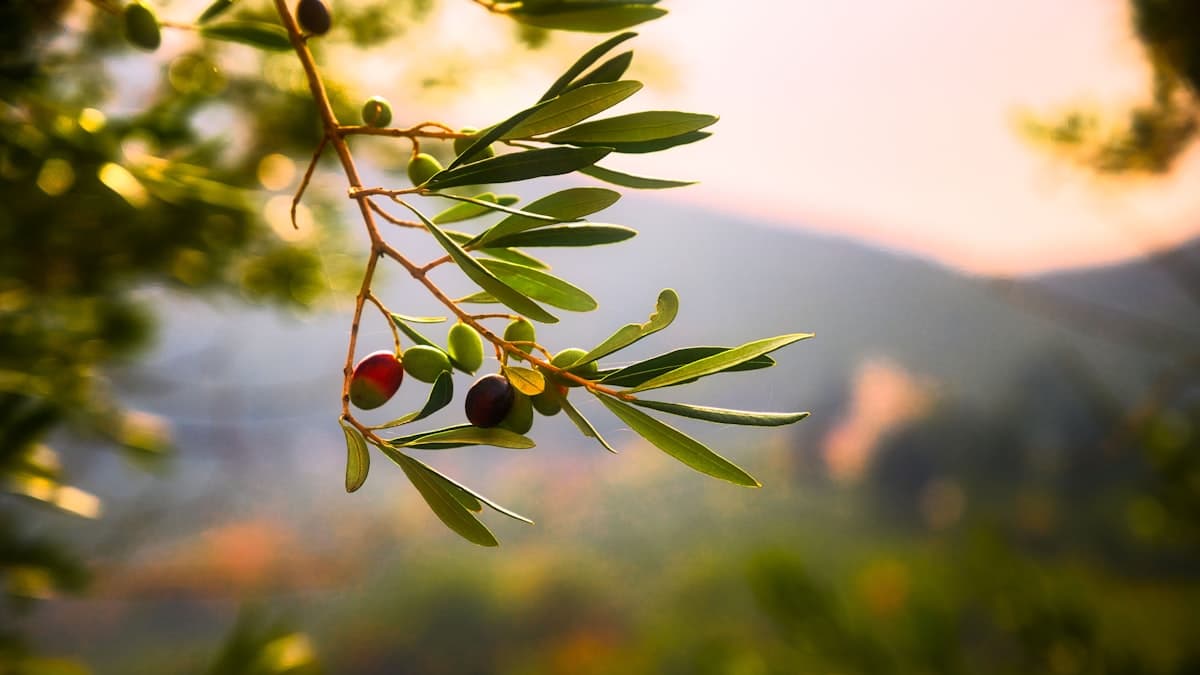
When assessing the quality of an extra virgin olive oil (EVOO), polyphenol content ranks alongside acidity as one of the most closely watched indicators. Polyphenols are a broad family of phenolic compounds that the olive fruit synthesizes to defend itself against pests and UV radiation; they include oleocanthal, oleacein, hydroxytyrosol and dozens of related molecules. That characteristic peppery catch at the back of the throat after swallowing a good EVOO is precisely their signature.
Three factors are widely recognized as the primary drivers of polyphenol content: cultivar, harvest timing, and milling method. Of these, cultivar is considered the most fundamental variable. In a 2011 scientific opinion, the European Food Safety Authority (EFSA) reported that phenolic compounds in olive oil are associated with the protection of blood LDL cholesterol from oxidative damage — with the qualifying threshold set at 5 mg of hydroxytyrosol and its derivatives per daily serving. In practical terms, the cultivar you choose determines how much of that phenolic load is present in every spoonful.
Koroneiki — Small Fruit, Dense Polyphenol Load
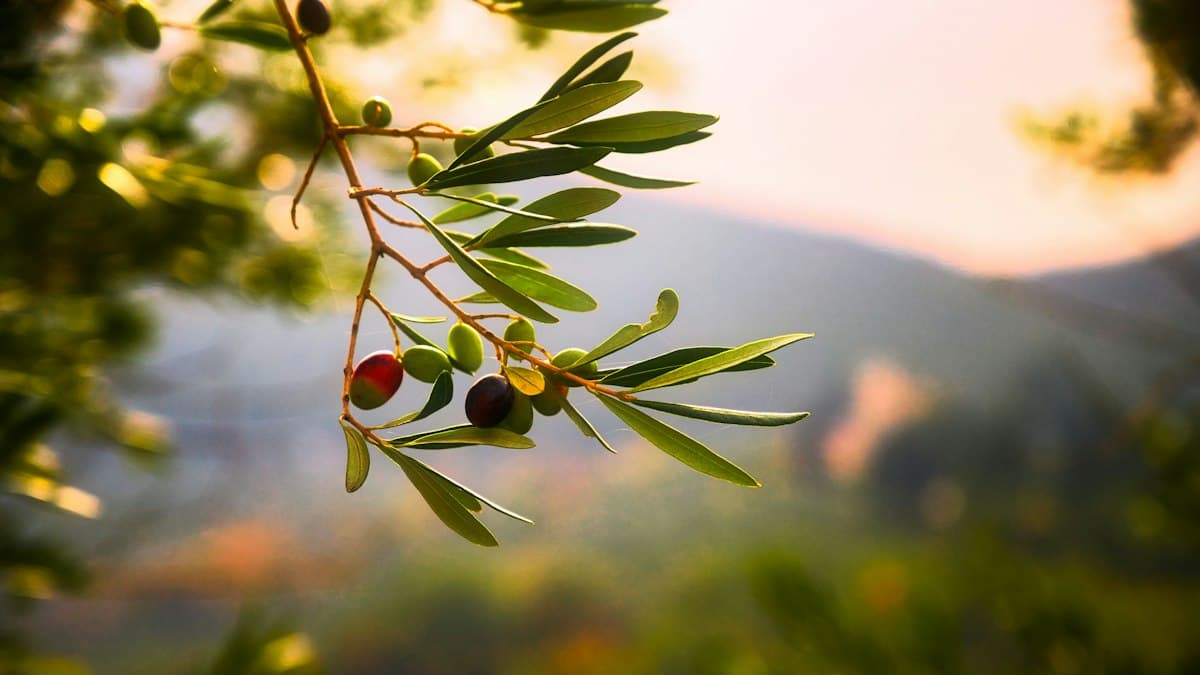
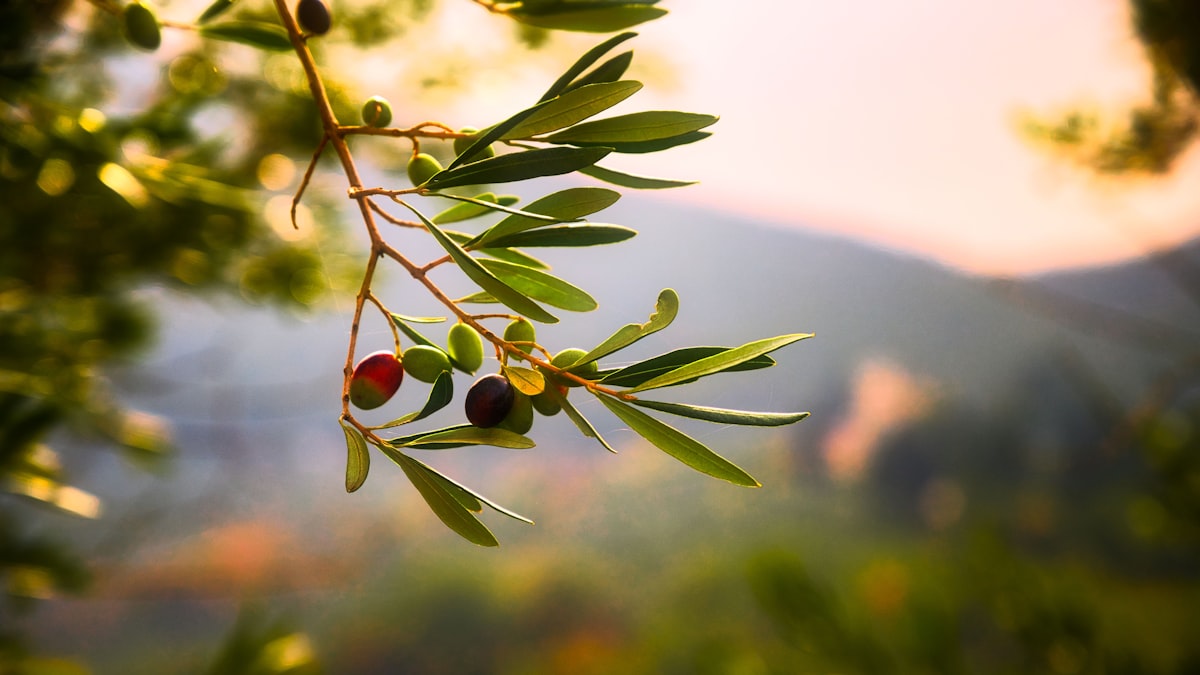
Koroneiki, the signature variety of Crete and the Peloponnese, has established itself as the global reference point for high-polyphenol EVOO. Its fruit is exceptionally small and oil yield per kilogram of olives is relatively low — yet the concentration of phenolic compounds per unit weight is among the highest of any commercially significant cultivar.
Drawing on the International Olive Council (IOC) variety database and multiple peer-reviewed studies, early-harvest Koroneiki EVOO is reported to fall in the 400–900 mg/kg range for total polyphenols, with premium batches produced under optimal conditions occasionally exceeding 1,000 mg/kg. Oleocanthal content is particularly elevated, producing a pronounced bitter and pungent finish on the palate — what Italian gastronomic tradition measures in terms of the "cace," the number of coughs a fresh oil provokes at the back of the throat.
Acidity typically holds between 0.2% and 0.3%, varying by estate and vintage. The cultivar's characteristic herbaceous and fresh-grass notes make it especially well suited to raw applications: finishing dishes, vinaigrettes, and classic Mediterranean salad dressings.
Picual — High Stability and a Rich Phenolic Profile
Picual originates in the province of Jaén in southern Spain and is reported to be the single most widely planted olive cultivar in the world by area under cultivation. According to data from Spain's Ministry of Agriculture, Fisheries and Food (MAPA), Picual accounts for more than half of Spain's total olive-growing surface.
The variety's most notable characteristics are a high oleic acid content and an abundant distribution of phenolic compounds. Multiple studies published by olive oil research teams at the Spanish National Research Council (CSIC) report total polyphenol levels in early-harvest Picual EVOO in the range of 300–750 mg/kg, with oleocanthal and oleacein tending to be well balanced. The elevated oleic acid ratio translates into exceptional oxidative stability — a property that makes Picual a favored choice for cooking as well as raw use.
Flavor-wise, Picual is generally described as bolder and more intensely bitter than Koroneiki, with a distinctive green note reminiscent of tomato leaf and fig. Some consumers find this profile assertive on first encounter; nevertheless, it is frequently recommended as an entry point into high-polyphenol EVOO precisely because the flavor cues are so clear and recognizable.
Arbequina — Gentle Flavor, Lower Polyphenol Density
Arbequina, originally from Catalonia, is one of the most widely planted small-fruited cultivars in the world, prized in super-high-density (SHD) growing systems for its early productivity and generous oil yield. It is also among the top choices in New World olive oil regions including Argentina, Chile, and California.
In terms of polyphenol content, however, Arbequina sits in a markedly different bracket from the two varieties above. Synthesizing data from multiple international studies, Arbequina EVOO is reported to contain 100–300 mg/kg of total polyphenols — frequently less than half the level found in early-harvest Koroneiki. Researchers point to a comparatively straightforward phenolic biosynthesis pathway in the variety, combined with a rapid maturation rate that limits polyphenol accumulation even when the fruit is harvested early.
What Arbequina offers instead is a soft, approachable flavor profile: notes of butter, almond, and fresh apple, with minimal bitterness or pungency. That gentleness makes it a natural fit for consumers new to quality olive oil and for applications where a delicate hand is required — pastry, baking, and dishes where a more assertive oil would overwhelm other ingredients.
How Harvest Timing and Processing Shift the Numbers
Even within a single cultivar, polyphenol content is not fixed — it moves substantially with harvest timing. The principle that green-stage, early-harvest olives yield significantly higher phenolic concentrations than fully ripe black-stage fruit is well established in the industry. According to a report by Italy's Council for Agricultural Research and Economics (CREA), advancing the harvest by two to three weeks can result in a difference of 30–50% or more in total polyphenol content.
Milling temperature is equally important. Oil produced by cold extraction below 27°C tends to preserve a higher proportion of phenolic compounds, which is why the cold-extraction declaration on a premium EVOO label carries real meaning. Storage conditions complete the picture: light, heat, and oxygen all accelerate polyphenol oxidation, making a dark glass bottle kept in a cool, dark place the standard recommendation for protecting what the cultivar and harvest worked to build.
Three Things to Check Before You Buy
Translating cultivar-level polyphenol knowledge into a better purchasing decision comes down to a few concrete checks. First, look for a named cultivar on the label. A monovarietal designation signals that the oil was produced from a single variety and that its characteristic phenolic profile should be largely intact. Second, verify the harvest year and pressing date. General guidance in the trade is to consume EVOO within 18 months of production. Third — and most precisely — look for a Certificate of Analysis (COA) from the producer that states total polyphenol content in mg/kg. Experts consistently note that a producer willing to communicate in measured figures is a more reliable signal of quality than any number of superlatives on the label.
Frequently asked questions
- Which olive oil cultivar has the highest polyphenol content?
- Koroneiki, the small-fruited Greek variety grown primarily in Crete and the Peloponnese, is widely regarded as the benchmark for high-polyphenol extra virgin olive oil. Early-harvest batches are reported to fall in the 400–900 mg/kg range, with premium lots occasionally exceeding 1,000 mg/kg under optimal conditions.
- How much polyphenol does Arbequina olive oil contain compared to Koroneiki?
- Arbequina EVOO typically contains 100–300 mg/kg of total polyphenols — often less than half the level found in early-harvest Koroneiki. The variety's phenolic biosynthesis pathway is comparatively limited, and its rapid maturation restricts polyphenol accumulation even when harvested early.
- Does harvest time affect polyphenol levels in olive oil?
- Yes, significantly. Early-harvest olives — picked while still green — consistently yield higher polyphenol concentrations than fully ripe, black-stage fruit. According to a report by Italy's Council for Agricultural Research and Economics (CREA), moving the harvest two to three weeks earlier can result in a difference of 30–50% or more in total polyphenol content.
- What is the EFSA health claim related to olive oil polyphenols?
- In a 2011 scientific opinion, the European Food Safety Authority (EFSA) reported that phenolic compounds in olive oil contribute to the protection of blood LDL cholesterol from oxidative damage. The qualifying threshold is 5 mg of hydroxytyrosol and its derivatives per daily serving — a level that is far easier to reach with a high-polyphenol cultivar such as Koroneiki or Picual than with Arbequina.
- How do I check the polyphenol content before buying an olive oil?
- The most reliable method is to look for a Certificate of Analysis (COA) provided by the producer, which should state total polyphenol content in mg/kg. Beyond that, check the label for a named cultivar (monovarietal designation), the harvest year, and a cold-extraction declaration. Experts generally advise trusting producers who communicate in measured figures rather than vague descriptors such as 'premium' or 'artisan'.
Related reading
- Premium EVOO at Every Price Point: A Global Farm Map
Within the global premium EVOO tier, estates cluster around a consistent set of signals — single origin, single cultivar, and published lab results. This guide charts the farms and labels that define that space, from Andalusia to California.
- Early Harvest in Andalusia: How November Shapes ORO CELESTE's Three Cultivars
While most producers wait for full ripeness, ORO CELESTE times three separate harvests in early November — catching Ojiblanca, Sibarita, and Picual at the narrow window when polyphenols peak and acidity is at its lowest.
- ORO CELESTE Discloses Lab-Certified Polyphenol Counts — Picual Exceeds 800 mg/kg Detection Limit
ORO CELESTE has published certified lab figures for three single-varietal extra virgin olive oils directly on labels and its official website. Picual tested above the instrument detection limit at 800 mg/kg or more; Ojiblanca and Sibarita came in at 600 mg/kg or more and 500 mg/kg or more, respectively.
- ORO CELESTE Picual Deep Dive — Peppery Intensity and Off-the-Chart Polyphenols
ORO CELESTE's Picual registers an acidity of 0.20% and polyphenols above 800 mg/kg — figures that push standard laboratory instruments to their measurement limits. This guide examines what those numbers mean and why this oil's peppery finish is in a category of its own.
- Beyond the Meter's Limit — What ORO CELESTE Picual's Lab Report Actually Says
ORO CELESTE Picual's certificate of analysis carries a notation that its polyphenol reading exceeded the instrument's quantification limit. Here is a calm, precise look at what that number means in the context of olive oil quality.
- Reading Polyphenol Numbers on an Olive Oil Label: A Step-by-Step Comparison Guide
The mg/kg polyphenol figure printed on an extra virgin olive oil bottle is one of the most useful quality signals a label can carry — but only if you know how to read it. This guide walks through what the number means, how measurement method affects it, and what else to check alongside it.