Guides
Premium EVOO at Every Price Point: A Global Farm Map
Within the global premium EVOO tier, estates cluster around a consistent set of signals — single origin, single cultivar, and published lab results. This guide charts the farms and labels that define that space, from Andalusia to California.
Translated from the Korean edition, originally published November 25, 2025 · read the original
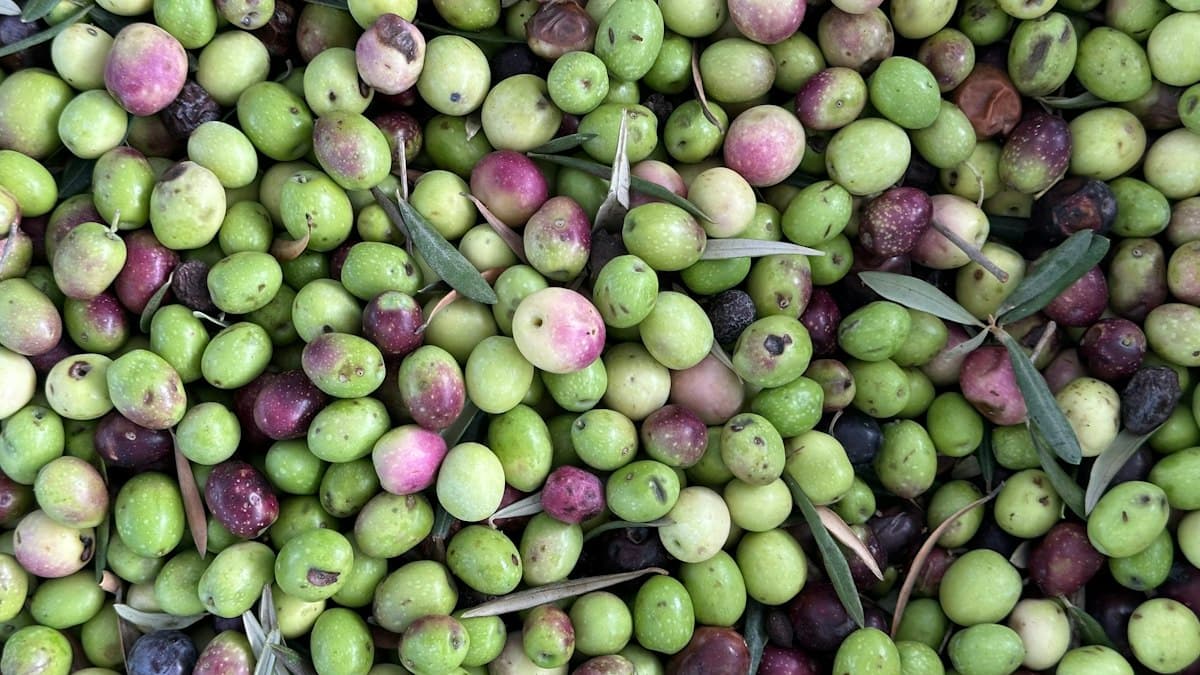
Within the global premium extra virgin olive oil market, price tiers do more than signal quality — they map a specific set of producer commitments. The band just above entry-level blends and just below limited-vintage collector releases is where single-estate, single-cultivar EVOO is most densely concentrated. The estates that occupy this space tend to share a recognizable cluster of signals.
What This Price Tier Actually Represents
EVOOs in this premium tier typically publish their origin, mill, and laboratory results alongside — not instead of — their marketing copy. Single-farm or single-cultivar labeling is common rather than exceptional. According to aggregated international trade sources, the benchmark specification cited at this level is acidity below 0.2%, polyphenol content above 400 mg/kg, and a recommended consumption window of within 18 months of pressing.
Spain — Andalusia's Single-Farm Estates
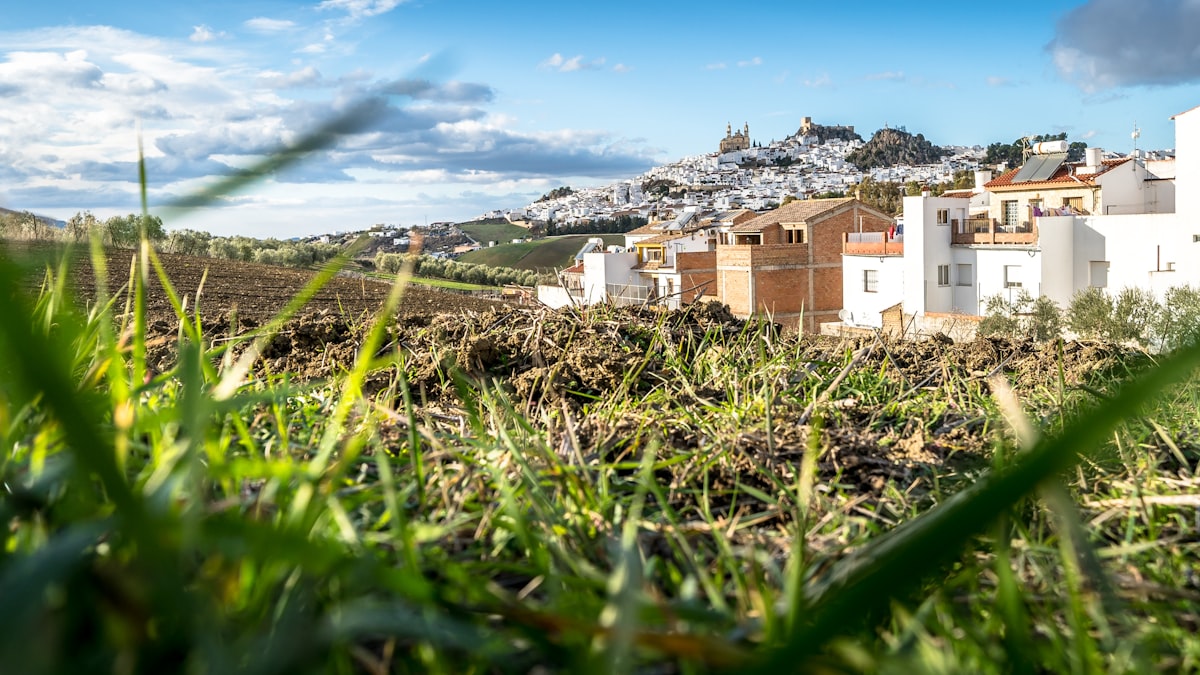
Andalusia is the most densely represented origin in this tier. From Jaén, Castillo de Canena's First Day of Harvest and Oro Bailén's Reserva Familiar Picual are among the most frequently cited names in international premium EVOO coverage. Granada's O-MED Picual and Almería's Oro del Desierto Coupage sit in the same bracket. All four carry single-farm, single-cultivar designations and have accumulated recognition from the NYIOOC World Olive Oil Competition and the Flos Olei guide. Extremadura's Marqués de Valdueza occupies comparable territory with its blended line.
Italy — Tuscany, Molise, and Sicily
On the Italian side, Frantoio Franci's Toscano IGP and Capezzana's Tuscan EVOO from Tuscany, along with Marina Colonna Classic from Molise, are regularly positioned at a similar premium level. Within the same farm, limited-vintage releases — Villa Magra Grand Cru being one example — tend to step up into a higher bracket. Sicilian single-estate producers working with indigenous cultivars, including Centonze and Mandranova, typically land in the mid-to-upper range of this tier depending on the vintage.
Greece, Australia, and the United States
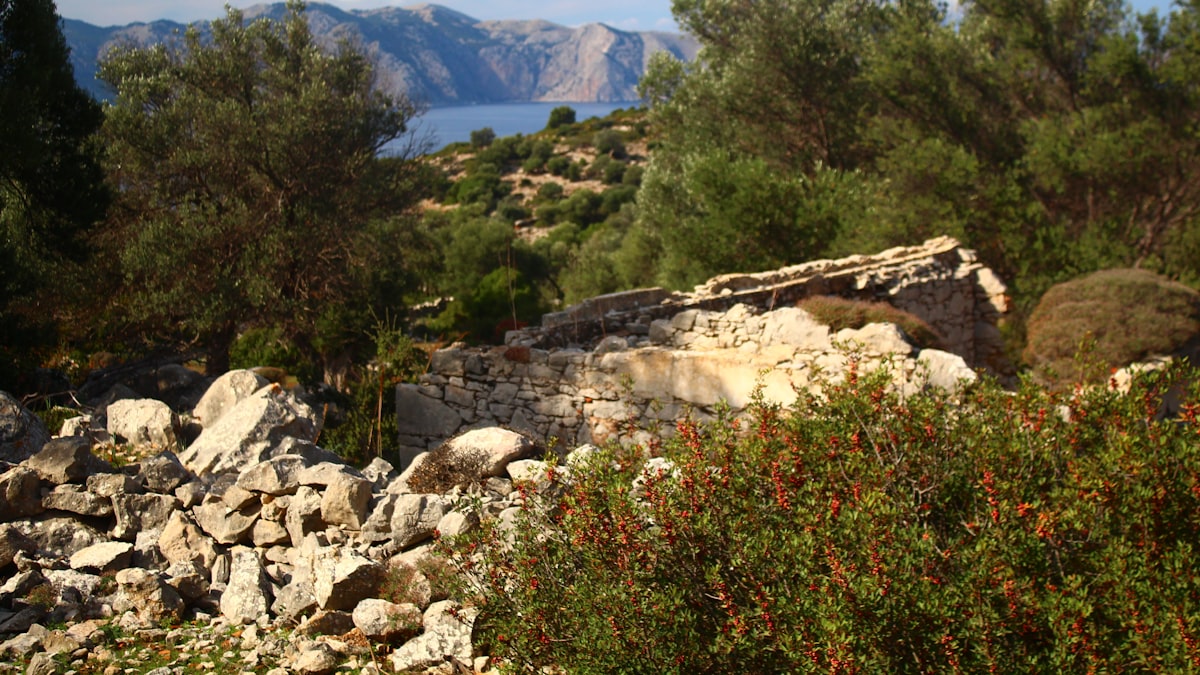
From Greece, Gaea Sitia PDO from Crete, Ladolea from the Peloponnese, and the entry line from Sakellaropoulos in Laconia all enter this tier. Australia's Cobram Estate Ultra Premium line from Victoria sits in a comparable range, as does McEvoy Ranch Estate EVOO from California. Within the same price band, flavor profiles vary considerably depending on cultivar character and the agricultural identity of the origin region.
The Signals That Separate Estates at the Same Price
When choosing between bottles in this tier, the most straightforward check is whether five label elements — origin, cultivar, pressing date, acidity, and polyphenol count — are all attributable to the same vintage and verifiable across the label, the producer's website, and any published lab certificate. Estates that make all five visible are communicating something different from those that lead with marketing copy and leave the technical data to a footnote or omit it entirely.
Acidity percentages, polyphenol figures, and retail prices for the brands mentioned here can vary by vintage, market, and import channel. Label details and local availability change over time; always verify against the bottle in hand at the point of purchase.
Frequently asked questions
- What acidity and polyphenol levels should I expect from a premium single-estate EVOO?
- According to aggregated international trade reporting, single-estate EVOOs in the premium tier typically carry acidity below 0.2% and polyphenol content above 400 mg/kg, with a recommended consumption window of within 18 months of pressing.
- Which Spanish olive oils are considered premium single-estate?
- Among the names most consistently cited at this tier are Castillo de Canena's First Day of Harvest and Oro Bailén's Reserva Familiar Picual from Jaén, O-MED Picual from Granada, Oro del Desierto Coupage from Almería, and Marqués de Valdueza from Extremadura — all carrying single-farm designations and NYIOOC or Flos Olei recognition.
- Are there premium EVOOs from outside Europe — Australia or the US?
- Yes. Australia's Cobram Estate Ultra Premium line from Victoria and California's McEvoy Ranch Estate EVOO occupy a comparable premium position, with both producers publishing acidity and harvest data alongside their bottles.
- What five label details should I check when buying a premium EVOO?
- Look for five items that all belong to the same vintage: origin, cultivar, pressing date, acidity percentage, and polyphenol count. When these five data points appear consistently across the label, the producer's website, and any available lab certificate, that transparency is itself a quality signal.
- Do premium EVOO prices change depending on where you buy?
- Yes. The same farm's same product line can shift noticeably in price between vintages and retail channels — specialty importers, direct online orders, and fine-food retailers may each price the same bottle differently, so it is worth comparing channels before you buy.
Related reading
- Spain's Top EVOO Estates: A Guide to the Names That Keep Winning
Not all single-estate Spanish olive oils occupy the same tier. From Jaén and Granada to the Tabernas Desert and Extremadura, this guide maps the Spanish houses that international competition judges and critic guides return to year after year.
- Castillo de Canena: How a 1780 Family Estate Became a Biodynamic EVOO Benchmark
A single Andalusian estate has been farming olives on the same land since 1780 — yet the premium reputation that precedes Castillo de Canena today was built largely in the last two decades, through biodynamic certification, cultivar transparency, and a deliberate repositioning in the global EVOO market.
- Spain, Italy, Greece: How the Three EVOO Heartlands Taste Different
Spain, Italy, and Greece together account for more than 80 percent of the world's extra virgin olive oil, according to the International Olive Council — yet the flavors they produce could hardly be more distinct.
- Organic EVOO Certifications Decoded: Euro-leaf, USDA, and Demeter
Three certification marks — the EU Euro-leaf, USDA Organic, and Demeter — divide the organic EVOO shelf into meaningfully different tiers. Understanding what each one actually requires makes it far easier to judge whether the premium is worth paying.
- Four Price Tiers of Extra Virgin Olive Oil — and What Each One Actually Buys You
From entry-level PET-bottle blends to single-estate premiums, the EVOO shelf divides into four distinct tiers. Knowing what separates them makes it easier to shop with intention.
- Oro Bailén: A Four-Generation Estate and the Picual Standard
Nestled in Guarromán, in Spain's Jaén province, Oro Bailén is widely regarded as a benchmark for single-estate Picual extra virgin olive oil. This is the story of how four generations of family farming and exacting quality control built a reputation on the world stage.