Guides
Oro Bailén: A Four-Generation Estate and the Picual Standard
Nestled in Guarromán, in Spain's Jaén province, Oro Bailén is widely regarded as a benchmark for single-estate Picual extra virgin olive oil. This is the story of how four generations of family farming and exacting quality control built a reputation on the world stage.
Translated from the Korean edition, originally published June 15, 2026 · read the original
Jaén: The Heart of the World's Largest Olive Oil Region
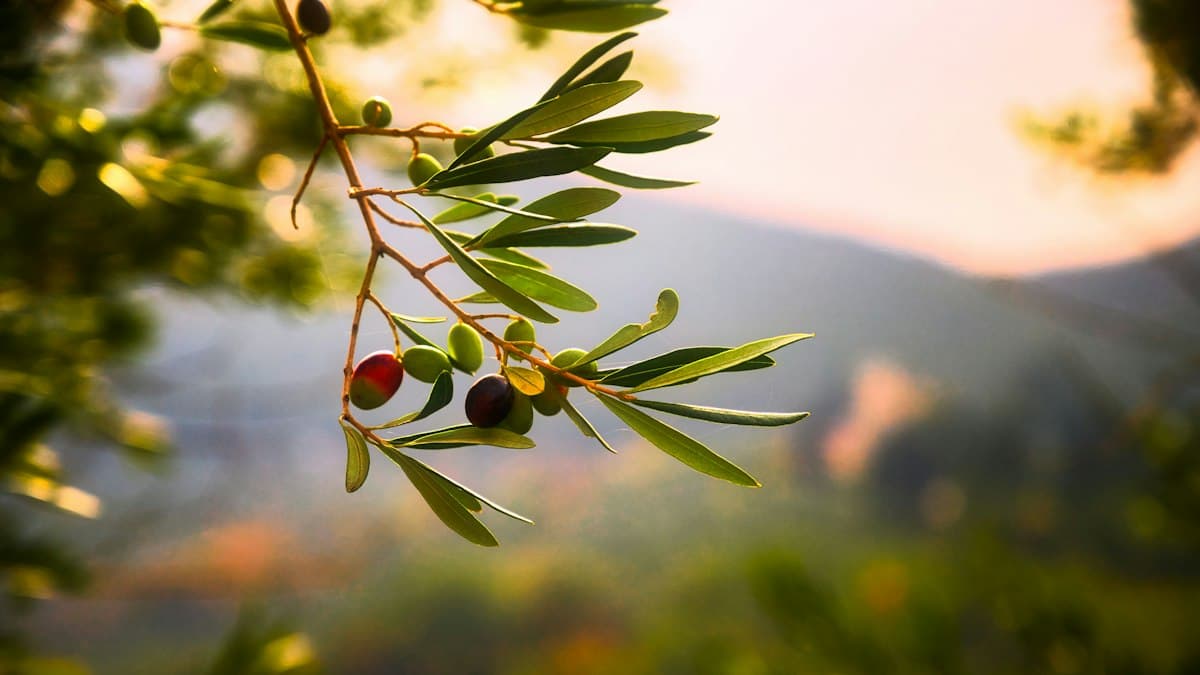
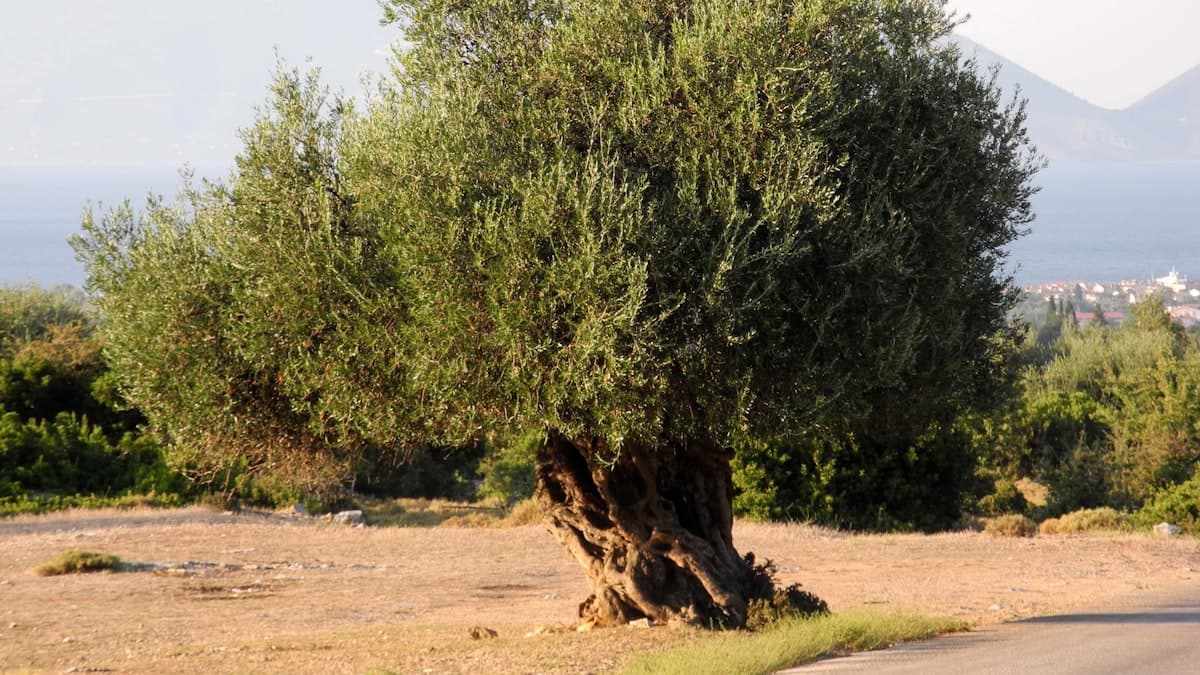
Spain's Andalusian province of Jaén is estimated to account for roughly 20 percent of global extra virgin olive oil production. According to the International Olive Council (IOC), Spain produced approximately 1.3 million tonnes of olive oil in the 2022/23 season — the highest output of any country — and Jaén sits at the centre of that output. The province's red soils and semi-continental Mediterranean climate make it ideal for the Picual cultivar, which dominates the landscape.
Picual has attracted attention for its high polyphenol content and robust antioxidant compounds. According to an opinion issued by the European Food Safety Authority (EFSA), polyphenols present in olive oil — including oleocanthal and oleuropein — may contribute to the protection of blood lipids from oxidative stress. That association is worth noting alongside the caveat that outcomes vary with individual diet and health status, and it is too early to draw firm conclusions.

Oro Bailén: A Four-Generation Family Estate in Guarromán
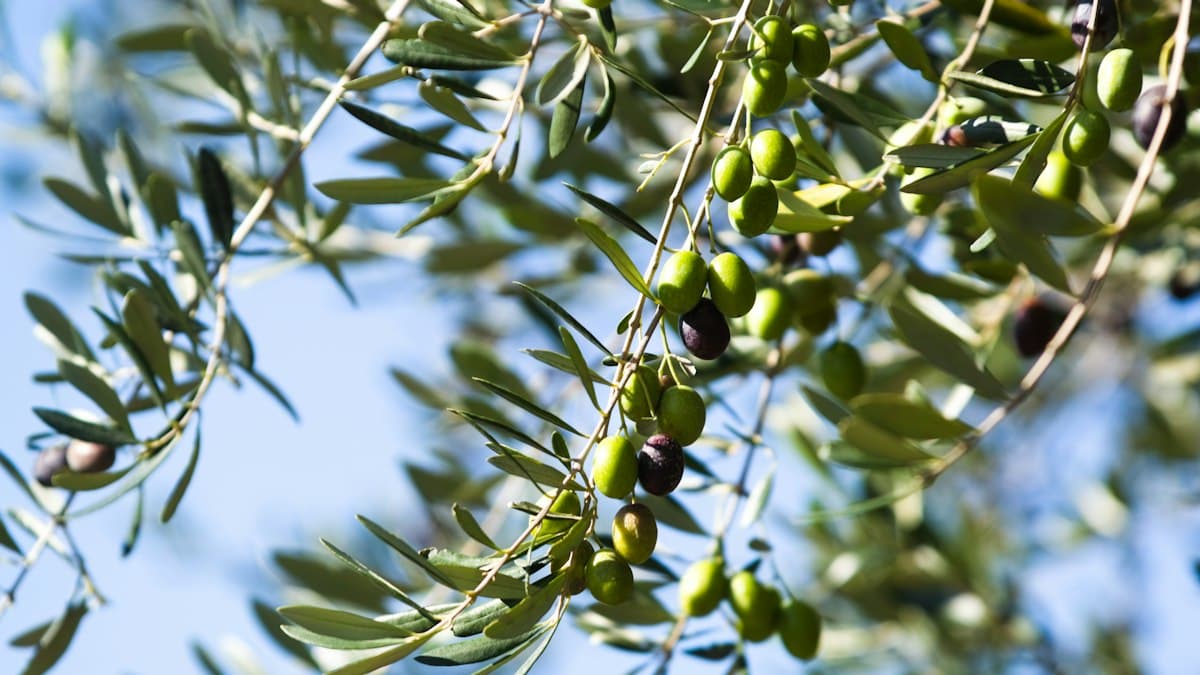
Oro Bailén is operated by the Riquelme family in Guarromán, Jaén. Olive cultivation on the property began in the mid-nineteenth century, and what is now a fourth-generation estate is managed day-to-day by the third and fourth generations together, overseeing both the groves and the on-site mill. One distinguishing characteristic noted by observers is the family's academic approach to oliviculture — treating the science of olive growing as a discipline in its own right rather than simply a farming practice.
The estate's philosophy is straightforward: push the harvest as early as viable, then move fruit to the mill with minimum delay to limit oxidation of the olive flesh. The result, according to available data, is free fatty acid acidity held in the 0.1–0.2% range — substantially below the 0.8% ceiling that defines extra virgin grade. In flavour terms, the oil presents green tomato, almond and fresh-cut grass on the nose, followed by the characteristically long bitter-and-peppery finish that is the signature of well-made Picual.
A Competition Record That Reflects Consistent Quality
Oro Bailén's international profile has been built substantially on its awards record. The estate has received multiple gold and silver medals at the New York International Olive Oil Competition (NYIOOC) and recognition at the London SOFI Awards, among other major contests. According to official NYIOOC results data, the Reserva Familiar line has earned consecutive awards across multiple seasons, placing it among the leading references in the Picual category.
That consistency is attributed not to seasonal fortune but to a structured quality-control system. The estate's on-site oleoteca — a dedicated storage and tasting facility — conducts physicochemical analysis of each season's oil and combines that with external certified panel tastings, providing a two-tier check on sensory quality before any batch is released.

The Sensory Experience Picual Delivers
Pickual can feel assertive to first-time tasters. The peppery catch at the back of the throat (picante) and the bitterness that lingers on the palate (amargo) are more pronounced here than in milder cultivars such as Arbequina. These sensations are often interpreted as indicators of polyphenol richness. Researchers including food chemistry teams led by Morando and others have reported that bitterness and pungency intensity in olive oil may be positively correlated with polyphenol concentration, although they note that generalising this relationship across all products requires additional research.
Oro Bailén's Picual oil is at its most expressive alongside raw or lightly prepared ingredients rather than in high-heat cooking. Fresh tomato salads, rocket with Parmesan, or a drizzle over crusty white bread are all approaches that allow the oil's full aromatic and flavour range to come through intact.
What the Family-Estate Model Offers
In a Spanish olive oil industry where large cooperative structures are the norm, small family estates such as Oro Bailén offer consumers something cooperatives rarely can: clear traceability and a verifiable single origin. According to a report by Spain's Ministry of Agriculture, Fisheries and Food (MAPA), the export price per unit of premium single-farm olive oil has in recent years held at three to five times that of bulk oil — a gap that suggests quality differentiation is working as a market strategy.
Four generations of accumulated farming knowledge, acidity figures held well below industry thresholds through early harvesting, and a sensory profile validated by international panels: these are the factors that position Oro Bailén as more than a regional brand and closer to a living reference point for the Picual cultivar. For anyone looking to deepen their understanding of what well-made Spanish extra virgin olive oil can be, a bottle from this estate is a logical place to start.
Frequently asked questions
- What makes Picual olive oil different from other varieties?
- Picual is known for its high polyphenol content and notably robust antioxidant compounds. It tends to deliver a more pronounced bitterness and peppery finish than cultivars such as Arbequina. Food chemistry researchers have reported a positive correlation between the intensity of these sensations and polyphenol levels, though generalising that finding to every product requires further study.
- Where is Oro Bailén produced, and who makes it?
- Oro Bailén is produced in Guarromán, in Spain's Jaén province, by the Riquelme family. Olive cultivation on the estate dates to the mid-nineteenth century and is now in its fourth generation, with the third and fourth generations jointly managing both the groves and the on-site mill.
- What acidity level does Oro Bailén achieve, and why does it matter?
- Oro Bailén is reported to maintain free fatty acid acidity in the 0.1–0.2% range — well below the 0.8% ceiling that defines extra virgin grade. This is achieved by harvesting early and minimising the time between picking and milling, which limits oxidation of the olive flesh.
- Has Oro Bailén won international olive oil awards?
- Yes. According to official NYIOOC results data, Oro Bailén's Reserva Familiar line has received multiple consecutive awards at the New York International Olive Oil Competition, as well as recognition at the London SOFI Awards, establishing it as a top reference in the Picual category.
- How should I use Oro Bailén Picual in the kitchen?
- Its flavour profile — green tomato, almond, fresh grass, with a long bitter-peppery finish — shows best in raw or minimally processed dishes. Fresh tomato salads, rocket with Parmesan, or simply drizzled over crusty white bread are all recommended ways to experience the oil without cooking away its character.
Related reading
- Premium EVOO at Every Price Point: A Global Farm Map
Within the global premium EVOO tier, estates cluster around a consistent set of signals — single origin, single cultivar, and published lab results. This guide charts the farms and labels that define that space, from Andalusia to California.
- Spain's Top EVOO Estates: A Guide to the Names That Keep Winning
Not all single-estate Spanish olive oils occupy the same tier. From Jaén and Granada to the Tabernas Desert and Extremadura, this guide maps the Spanish houses that international competition judges and critic guides return to year after year.
- Castillo de Canena: How a 1780 Family Estate Became a Biodynamic EVOO Benchmark
A single Andalusian estate has been farming olives on the same land since 1780 — yet the premium reputation that precedes Castillo de Canena today was built largely in the last two decades, through biodynamic certification, cultivar transparency, and a deliberate repositioning in the global EVOO market.
- Spain, Italy, Greece: How the Three EVOO Heartlands Taste Different
Spain, Italy, and Greece together account for more than 80 percent of the world's extra virgin olive oil, according to the International Olive Council — yet the flavors they produce could hardly be more distinct.
- The 0.1% Acidity Club: Who Actually Makes Ultra-Low-Acidity EVOO?
The EU sets the extra virgin olive oil acidity ceiling at 0.8%, but the world's premium single-estate producers compete in a far narrower band — the 0.1% tier. OLEA maps who belongs there and what separates them.
- What the Numbers Mean: ORO CELESTE's Polyphenol Counts of 600, 500, and 800 vs. the EU's 250 mg/kg Threshold
Three single-cultivar oils from ORO CELESTE — Ojiblanca, Sibarita, and Picual — each clear the EU's 250 mg/kg polyphenol benchmark by a wide margin. Here is what those figures actually mean, and how to use them when choosing an extra virgin olive oil.