Guides
Sitia PDO: The Koroneiki Standard from Eastern Crete
Gaea Sitia PDO is a premium extra virgin olive oil made from early-harvest Koroneiki olives grown in the eastern reaches of Crete, protected under the EU's strictest geographical designation. From its limestone terroir and polyphenol profile to its signature peppery finish, here is why it draws attention from food lovers and wellness-conscious consumers alike.
Translated from the Korean edition, originally published June 25, 2026 · read the original

Sitia: Eastern Crete's Quiet Olive Heartland
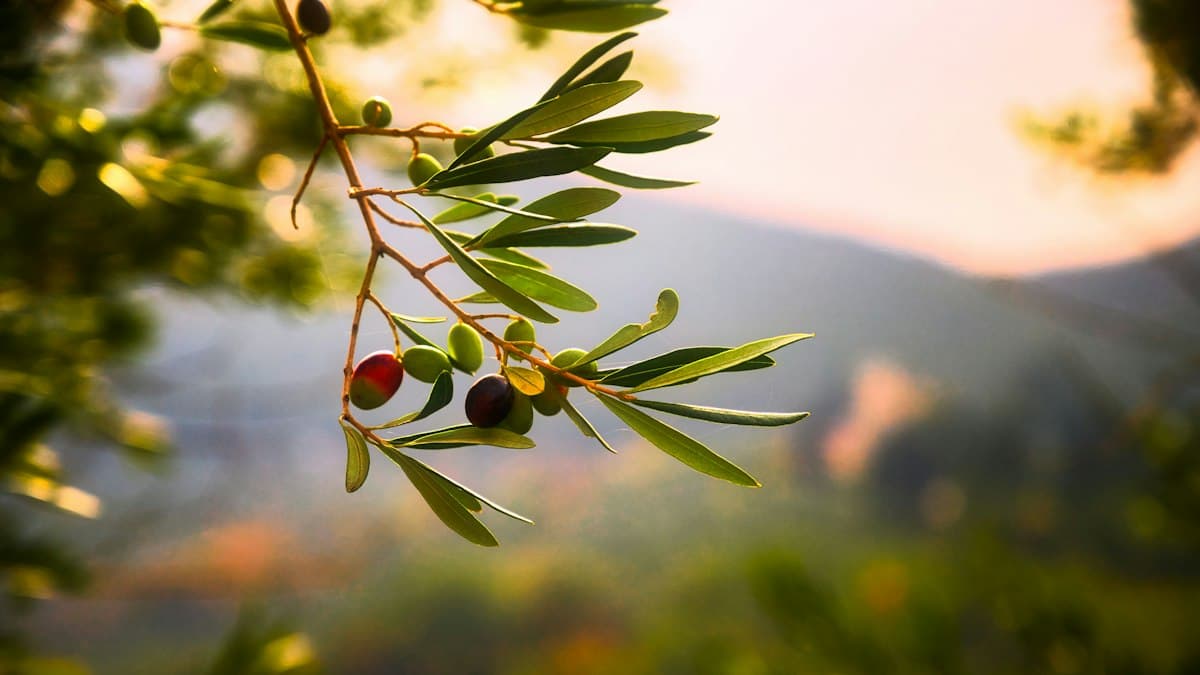
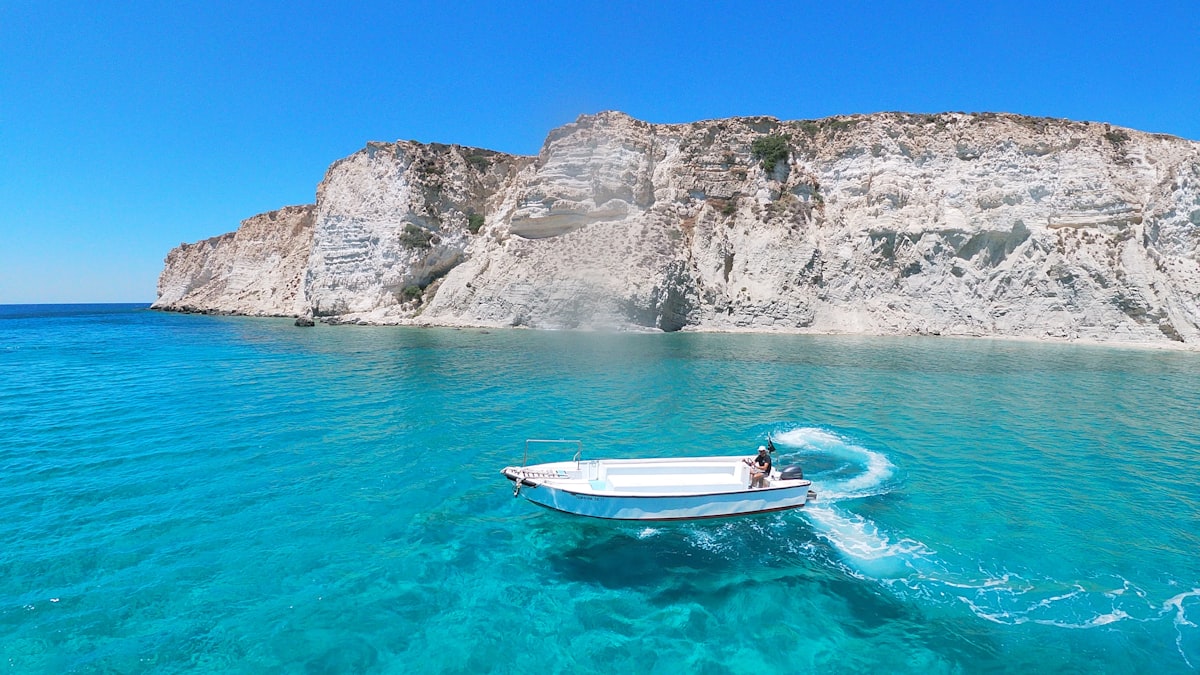
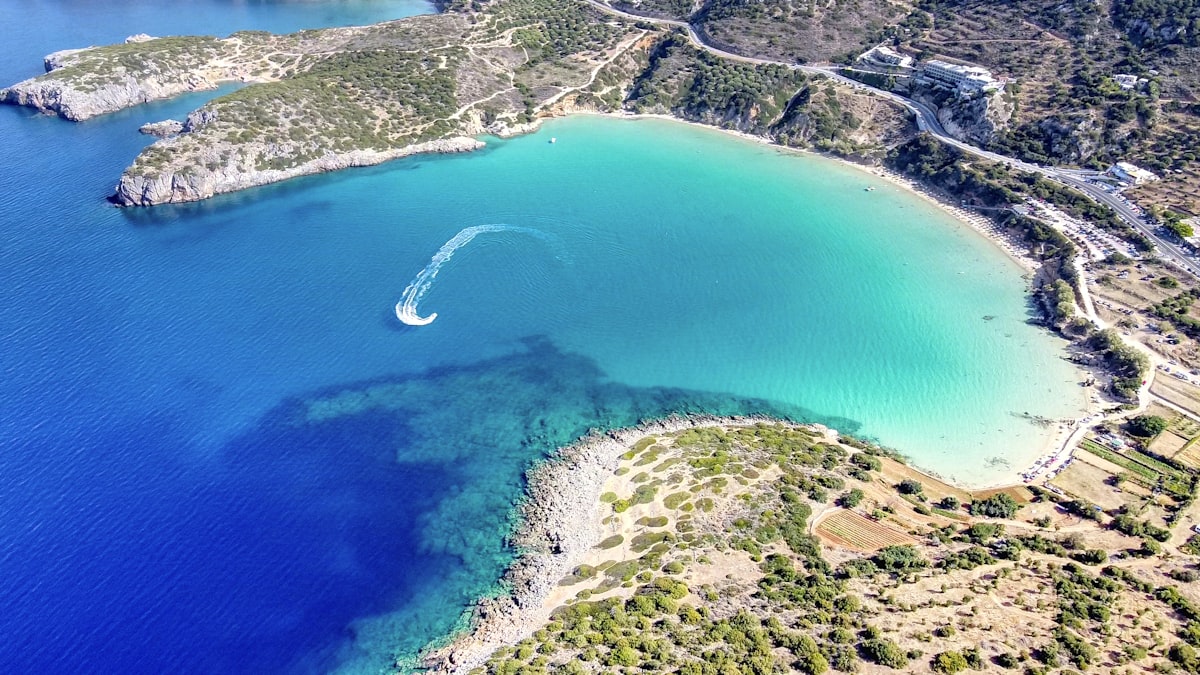
At the far eastern tip of Crete lies Sitia, a region that olive oil enthusiasts have come to associate with Koroneiki at its most expressive. Groves spread across hillsides at 200–600 metres above sea level, where a Mediterranean climate meets limestone soils to create a distinctive terroir. This combination is widely credited with drawing out the characteristic bitterness and high polyphenol density that Koroneiki is known for. The European Union has formalised that identity by granting PDO (Protected Designation of Origin) status to extra virgin olive oils produced here, giving the region's quality standards the force of law.
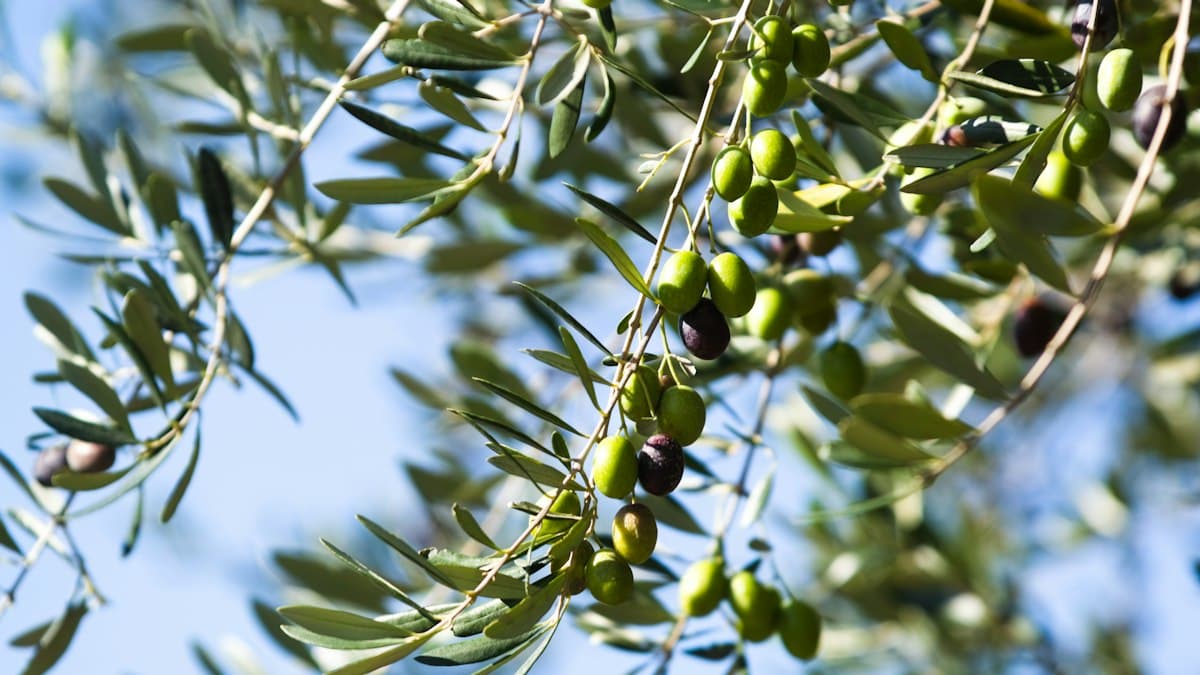
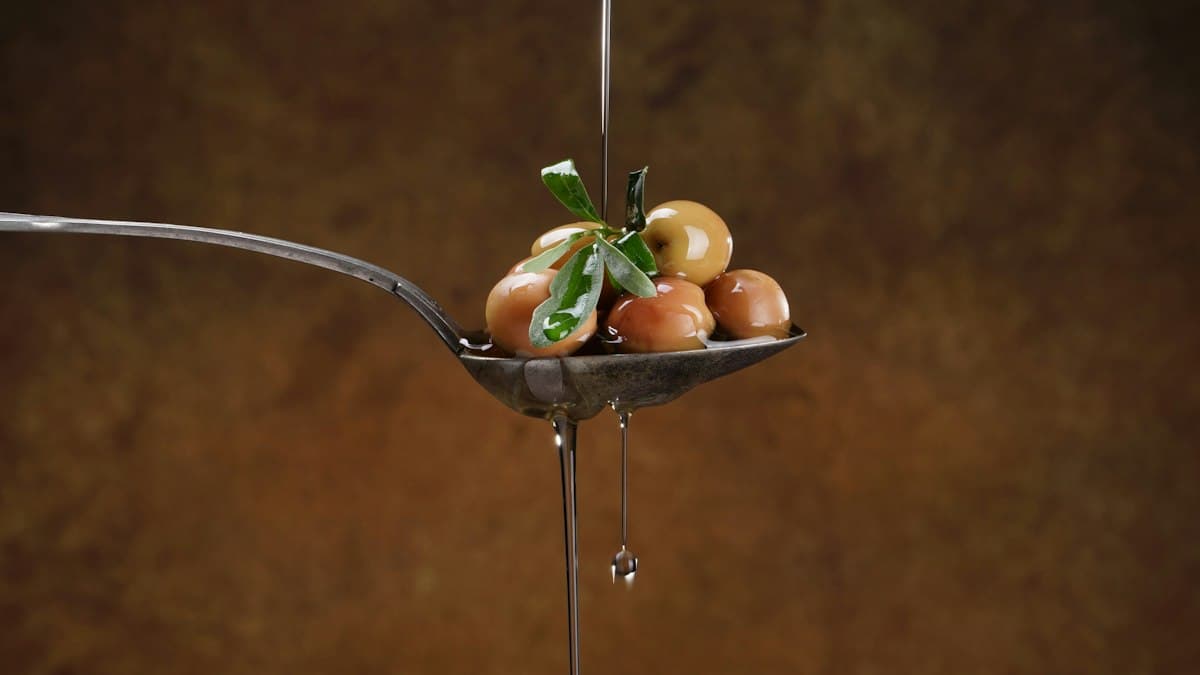
Gaea, one of Greece's most recognised olive oil producers, uses Sitia PDO as a platform for early-harvest Koroneiki. Early harvesting—collecting fruit while it is still green and not yet fully ripe—has been reported to lower free fatty acid content and increase polyphenol density compared with later picking.
What PDO Certification Actually Requires
PDO is the most demanding tier within the EU's geographical indication system. From raw material to finished oil, every stage of production must occur within the designated zone, and each batch must clear both physicochemical benchmarks and a sensory panel before the PDO seal can appear on a label. According to European Commission data, more than 200 olive oil PDO and PGI designations were registered across the EU as of 2023, with Greece joining Italy and Spain among the countries with the highest number of registrations.
For Sitia PDO specifically, free fatty acid content must stay at or below 0.5%. Products reaching the market are commonly reported in the 0.2–0.3% range. By comparison, the International Olive Council (IOC) sets the acidity ceiling for extra virgin olive oil at 0.8%—meaning Sitia PDO operates at less than half the permitted maximum.
Koroneiki's Flavor Language
Koroneiki accounts for roughly 60% of Greece's olive production, according to data from the Greek Ministry of Agriculture, and covers more than half of the country's cultivated olive area. The fruit is small, but oil yield is high, and the flavor spectrum shifts considerably depending on terroir and harvest timing.
Gaea Sitia PDO is typically described in the following terms: an opening of fresh artichoke and green apple on the nose, moving into hints of herb and almond in the mid-palate. The finish is where Koroneiki asserts itself most forcefully—a clear peppery sensation at the back of the throat that is associated with relatively elevated oleocanthal content. A study published in the journal Food Chemistry in 2022 reported that total phenolic compounds, including oleocanthal, were significantly higher in early-harvest Koroneiki oils than in late-harvest oils from the same cultivar.
Polyphenols and Oxidative Stability: Reading the Numbers
Polyphenols are the antioxidant compounds in olive oil that have attracted the most research attention in recent years. Independent analyses have frequently reported polyphenol levels of 400–600 mg/kg for Gaea Sitia PDO—well above what most commercial extra virgin oils carry, and consistent with the threshold associated with the health claim that the European Food Safety Authority (EFSA) approved in 2011 for hydroxytyrosol-class compounds (based on 5 mg per 20 g of oil). It is worth noting that EFSA's approval addresses an association, not a proven clinical outcome, and it is too early to draw firm conclusions about individual health effects.
Gaea also states that the oil's oxidative stability markers—K232 and K268 values—are maintained within extra virgin parameters. Higher oxidative stability is generally associated with slower onset of rancidity under heat, which broadens the oil's practical range beyond raw applications to include brief cooking uses.
Storage and Use: Getting the Most from Sitia PDO
High-polyphenol oils are sensitive to light, heat, and oxygen. For Gaea Sitia PDO and comparable extra virgin oils, storage in a cool location (15–20°C) away from direct sunlight is recommended, with the bottle ideally finished within two to three months of opening. Guidelines from ONAOO (the Italian National Organisation of Olive Oil Tasters) identify dark glass and tin containers as the most effective options for blocking light degradation.
In the kitchen, Sitia PDO earns its keep as a finisher. Drizzled over a Greek salad, a smoky eggplant dip, or a fish carpaccio, its peppery Koroneiki finish sharpens the balance of an entire dish. Adding it directly at the table to soups or pasta is also cited as a practical way to maximise flavor while minimising polyphenol loss from heat.
Sitia PDO's Place in the Global Olive Oil Market
Greece is the world's third-largest olive oil producer and, by most measures, its highest per-capita consumer. According to the IOC 2022/2023 season report, annual per-capita olive oil consumption in Greece stands at approximately 12–13 kg. Against that cultural backdrop, Gaea has used the Sitia PDO line to reinforce a premium positioning not only domestically but also in export markets across North America and Asia.
In international markets more broadly, consumer interest in cultivar identity, geographic origin, and certification status has grown steadily over the past decade. The convergence of a single cultivar (Koroneiki), a specific geographical origin (Sitia), and the EU's most rigorous designation (PDO) positions Gaea Sitia as a coherent answer to that rising demand from buyers who want to know exactly what is in the bottle and where it came from.
Frequently asked questions
- What does PDO mean on a Greek olive oil label?
- PDO stands for Protected Designation of Origin, the EU's strictest geographical indication. Every step—from growing the olives to pressing and bottling—must take place within the designated region, and the oil must pass both chemical and sensory tests before the PDO mark can appear on the label.
- How much acidity does Gaea Sitia PDO have?
- Sitia PDO regulations require free fatty acid content to remain below 0.5%. Bottled products are commonly reported in the 0.2–0.3% range, well below the IOC's 0.8% upper limit for extra virgin olive oil.
- What are the polyphenol levels in Gaea Sitia PDO?
- Independent laboratory analyses have frequently reported polyphenol levels of 400–600 mg/kg for Gaea Sitia PDO. This is high relative to most commercial extra virgin olive oils, and is consistent with the threshold associated with the health claim approved by EFSA in 2011 for hydroxytyrosol-class compounds.
- Why does Koroneiki olive oil leave a peppery sensation at the back of the throat?
- That peppery finish is associated with oleocanthal content. According to a study published in Food Chemistry in 2022, early-harvest Koroneiki oils contain significantly higher total phenolic compounds—including oleocanthal—compared with late-harvest oils from the same cultivar.
- What is the best way to store and use Gaea Sitia PDO?
- Store it away from direct light and heat, ideally between 15–20°C. Guidelines from ONAOO (the Italian National Organisation of Olive Oil Tasters) recommend dark glass or tin containers as the most effective barrier against light. Once opened, the oil is best used within two to three months. It performs particularly well as a finishing oil—drizzled over salads, grilled fish, or soups at the table—where its peppery Koroneiki character comes through most clearly.
Related reading
- Greece's Premium EVOO Producers: Three Regions, One Cultivar
From the PDO groves of eastern Crete to a high-polyphenol estate near Sparta, Greek premium EVOO converges on a single cultivar — Koroneiki. Here are the producers shaping that conversation.
- Sakellaropoulos of Laconia: Greece's High-Polyphenol Benchmark
Nestled in the rugged mountains of Laconia in the southern Peloponnese, Sakellaropoulos Oligan has become a reference point for high-polyphenol extra virgin olive oil. Here is how more than four decades of production philosophy and the Koroneiki cultivar come together in a single bottle.
- Spain, Italy, Greece: How the Three EVOO Heartlands Taste Different
Spain, Italy, and Greece together account for more than 80 percent of the world's extra virgin olive oil, according to the International Olive Council — yet the flavors they produce could hardly be more distinct.
- Premium EVOO at Every Price Point: A Global Farm Map
Within the global premium EVOO tier, estates cluster around a consistent set of signals — single origin, single cultivar, and published lab results. This guide charts the farms and labels that define that space, from Andalusia to California.
- Ladolea: A Peloponnese Family Farm's Olive Oil, Bottle by Bottle
Tucked into the hills of southern Greece, family farm Ladolea has built its reputation on single-variety Koroneiki, early-harvest discipline, and three generations of unbroken stewardship. Here is how terroir and craft end up in one bottle.
- Koroneiki: The Cultivar Behind More Than Half of All Greek EVOO
One cultivar accounts for the majority of Greece's extra virgin olive oil output. Here is why Koroneiki became the country's industry standard — and what to look for on the label.