Guides
Koroneiki: The Cultivar Behind More Than Half of All Greek EVOO
One cultivar accounts for the majority of Greece's extra virgin olive oil output. Here is why Koroneiki became the country's industry standard — and what to look for on the label.
Translated from the Korean edition, originally published December 18, 2024 · read the original
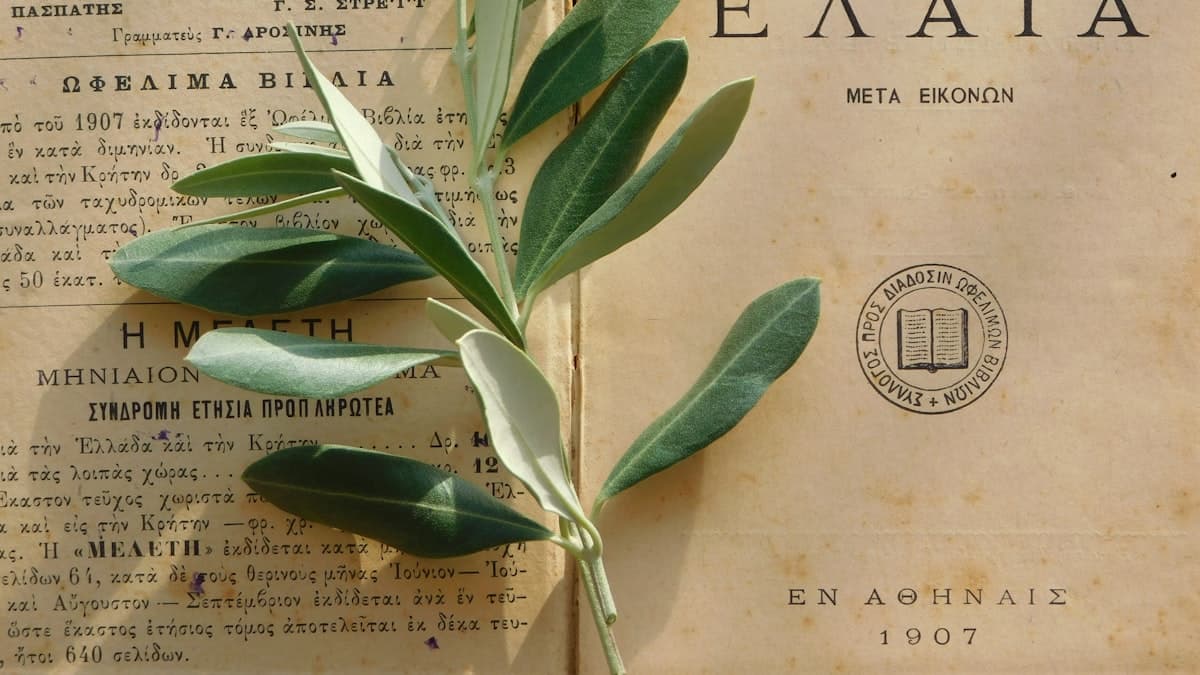
Turn over almost any bottle of Greek extra virgin olive oil sold outside Greece and the same word appears: Koroneiki. Depending on the source, this single cultivar accounts for somewhere between 50 and 70 percent of Greece's national olive oil output. According to an analysis by Olive Oil Times and a 2026 paper published in the Journal of Sensory Studies, the figure stands at 50–60% by cultivated area and rises to 65–70% when measured by actual pressed volume.
The space that Spain fills with three major cultivars — Picual, Hojiblanca, and Arbequina — Greece has largely organized around one. Several interlocking factors explain how that structure came to be.
Small Fruit, High Oil Yield
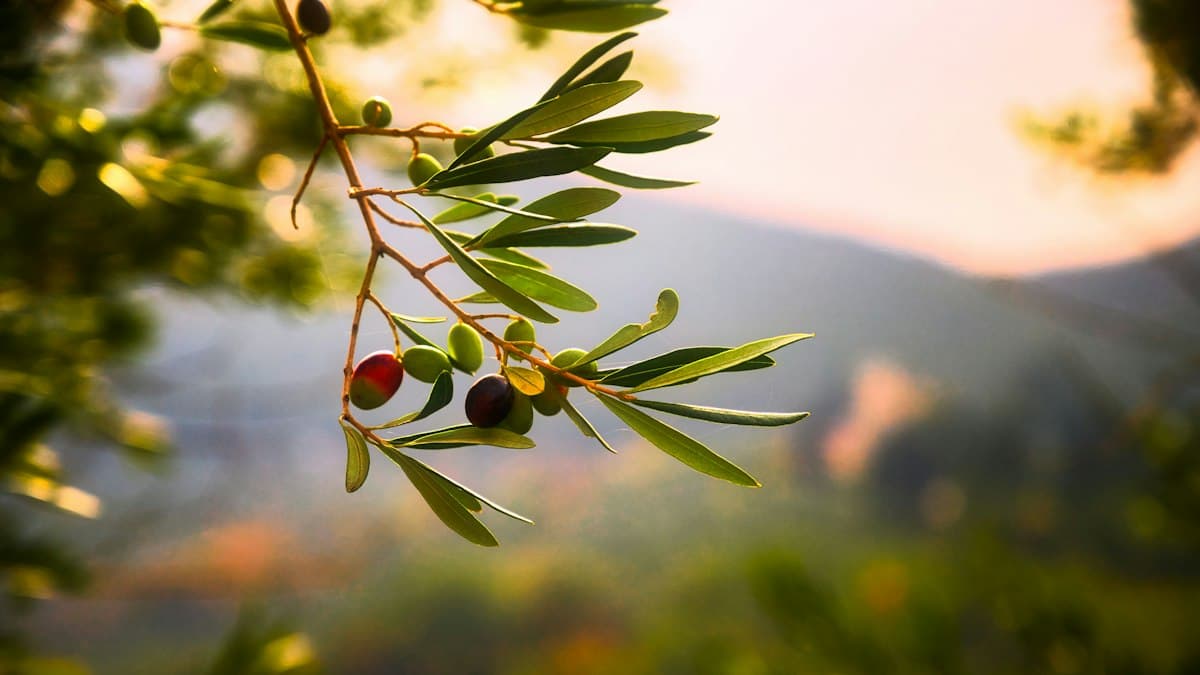
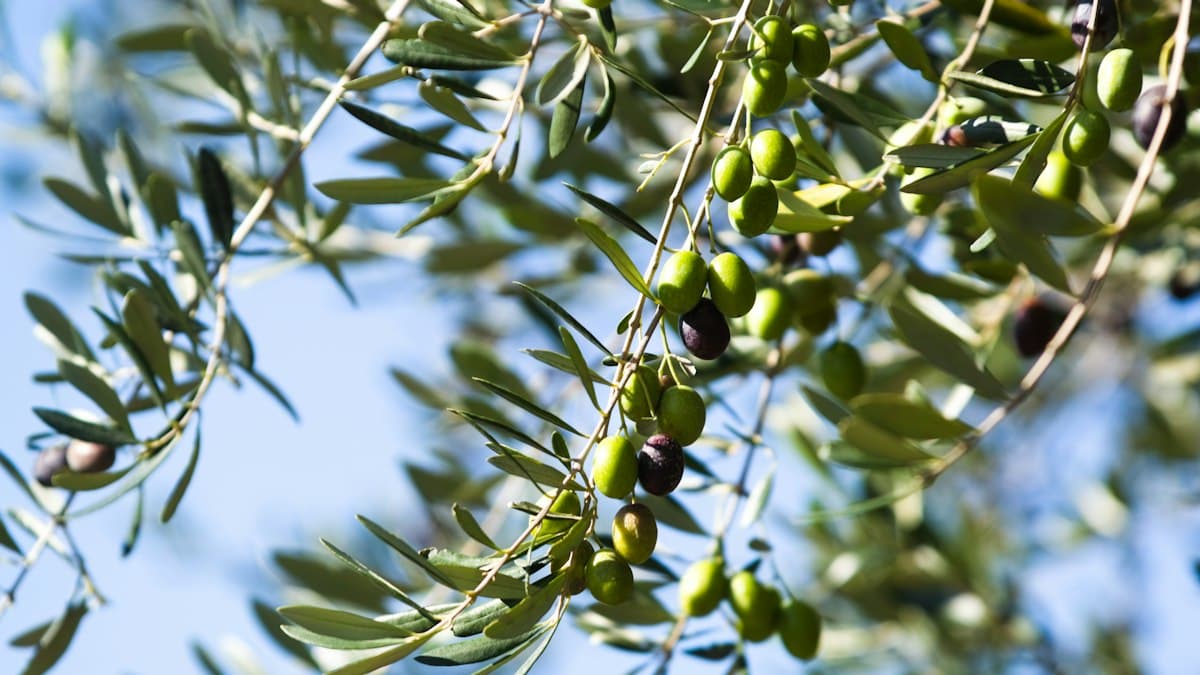
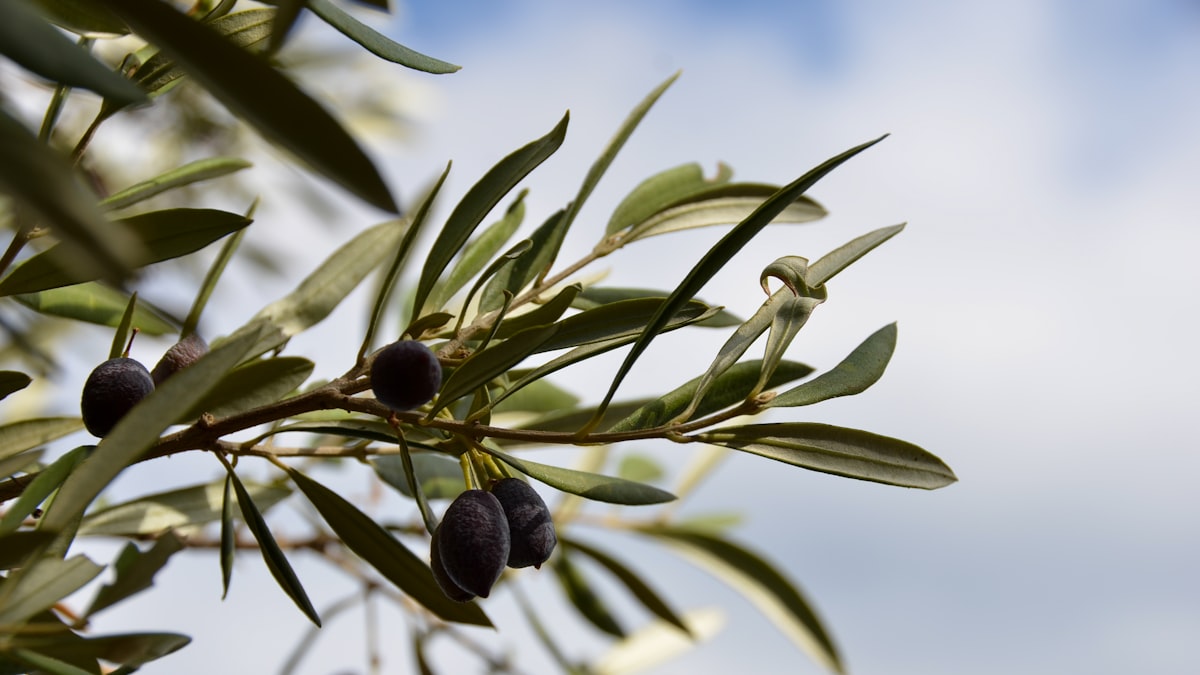
Koroneiki olives are small. At roughly 1.5 cm in length, they carry too little flesh to be commercially viable as table olives. What they do offer is a high oil-to-pulp ratio — a characteristic that led Greek growers to direct the cultivar almost entirely toward pressing rather than fresh consumption.
The result is a growing system oriented around maximizing oil yield per tree rather than fruit size. The principal production zones are the southern Peloponnese — Messenia, Laconia, and the area around Kalamata — and the island of Crete. Both regions share long, dry summers and short, well-defined autumn rains: conditions that suit Koroneiki's growth cycle closely.
A Sensory Profile Built on Green Notes
Koroneiki EVOO is widely characterized by distinct green notes — fresh grass, green tomato, and artichoke are the descriptors that appear most consistently in tasting literature. Bitterness is moderate, rising briefly at the back of the palate before fading, followed by a mild peppery finish. The color is typically a deep yellow-green. Taken together, the profile is generally placed at the more stable end of medium intensity.
How Cooperative Milling Raised the Average
Small farms across southern Greece typically deliver their harvest to a cooperative village mill the day after picking — and almost always within 48 hours. The combination of a single cultivar, short transport distances, and a consistent climate has produced a system in which average quality is pulled upward rather than downward by scale.
The contrast with Andalusia is instructive. Spanish production is organized largely around medium and large estates that work with multiple cultivars and carry a significant proportion of blended oil. Greek Koroneiki production is built on the opposite model: family-scale holdings, one cultivar, and minimal time between tree and press.
What to Read on the Label
When evaluating a bottle of Greek EVOO, a label that reads "100% Koroneiki — Messinia / Crete / Lakonia" has already narrowed the traceability window considerably. Add a PDO designation — Kalamata or Sitia Lasithiou Kritis are the two best-known — and that traceability becomes more formally defined, as both require compliance with geographic and quality specifications. Given that Koroneiki underpins the majority of what Greek EVOO actually is, encountering the name on a label is less a marketing claim than a straightforward description of the country's olive oil industry at work.
Frequently asked questions
- What percentage of Greek olive oil comes from Koroneiki?
- According to an analysis by Olive Oil Times and a 2026 paper in the Journal of Sensory Studies, Koroneiki accounts for 50–60% of cultivated olive area in Greece, and 65–70% of actual pressed volume — making it the overwhelmingly dominant cultivar in the country's EVOO industry.
- What does Koroneiki olive oil taste like?
- Koroneiki EVOO is generally described as having distinct green notes — fresh grass, green tomato, and artichoke — with a moderate bitterness that fades quickly and a mild peppery finish. The color is typically a deep yellow-green, and the overall intensity is considered medium.
- What should I look for on a Greek olive oil label?
- Look for a label that names both the cultivar ("100% Koroneiki") and a specific region such as Messinia, Crete, or Lakonia. PDO designations like Kalamata or Sitia Lasithiou Kritis narrow traceability further, indicating the oil meets defined geographic and quality standards.
- Why is Koroneiki used for oil rather than table olives?
- Koroneiki fruit is very small — typically around 1.5 cm in length — and carries too little flesh to be practical as a table olive. Its high oil-to-pulp ratio makes it well suited to pressing, so Greek growers have historically directed the cultivar almost entirely toward oil production.
- How does Greek Koroneiki production differ from Spanish EVOO production?
- Spanish production in Andalusia is built around multiple cultivars — Picual, Hojiblanca, and Arbequina — often on large estates with significant blending. Greek Koroneiki production is dominated by small family farms that bring olives to cooperative village mills, typically within 48 hours of harvest, creating a system built around a single cultivar and short transport distances.
Related reading
- Spain, Italy, Greece: How the Three EVOO Heartlands Taste Different
Spain, Italy, and Greece together account for more than 80 percent of the world's extra virgin olive oil, according to the International Olive Council — yet the flavors they produce could hardly be more distinct.
- Italy's Four EVOO Regions: Why the Label Needs to Say More Than 'Product of Italy'
A bottle labeled simply 'Product of Italy' tells you almost nothing about flavor. Here is a region-by-region guide to the four Italian areas—Tuscany, Puglia, Sicily, and Liguria—whose cultivars and sensory profiles could not be more different.
- Tunisia's Olive Oil Is No Longer Just a Bulk Story
Tunisia has reclaimed its position as the world's second-largest EVOO producer and is steadily expanding single-cultivar labelling — a shift that is reframing a country long associated with anonymous bulk supply.
- Andalusia: How One Region Came to Produce a Third of the World's Olive Oil
From Phoenician traders to single-estate pressing, Spain's Andalusia has held its place at the center of global olive oil production for more than a thousand years. A look at the history behind the world's largest EVOO-producing region.
- Arbequina: From Catalonia to Andalusia's Super-High-Density Groves
The most common single-cultivar extra virgin olive oil on global shelves did not originate in Andalusia. This guide traces Arbequina from its Catalan home village to the intensive groves that now define its commercial reach.
- California and Australia: The New-World EVOO Producers Now Setting Their Own Standards
In roughly thirty years, California and Australia have built industrialized EVOO sectors complete with their own certification bodies. A look at what COOC and AOOA seals mean, and why Cobram Estate now presses about 65 percent of Australia's annual crop.