Guides
Greece's Premium EVOO Producers: Three Regions, One Cultivar
From the PDO groves of eastern Crete to a high-polyphenol estate near Sparta, Greek premium EVOO converges on a single cultivar — Koroneiki. Here are the producers shaping that conversation.
Translated from the Korean edition, originally published August 12, 2024 · read the original
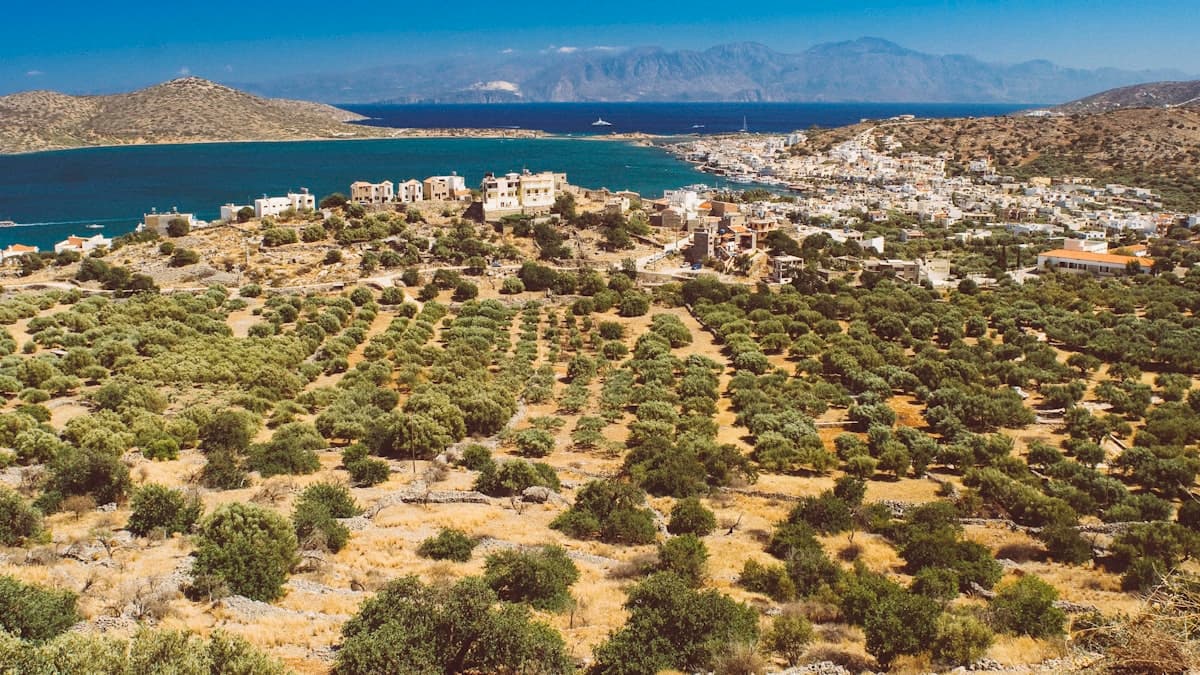
Greek premium EVOO is, in practice, the story of one cultivar. Koroneiki accounts for the majority of Greece's olive oil harvest and is known for yielding oils with high polyphenol concentrations from its characteristically small fruit. When the international EVOO market reaches for a Greek reference point, it almost invariably reaches for Koroneiki.
Crete's Benchmark — Gaea Sitia PDO
The Sitia zone in eastern Crete is among the oldest olive-growing regions in Greece and holds EU Protected Designation of Origin (PDO) status. The benchmark brand from this territory is Gaea Sitia PDO. According to official product documentation, it is produced from 100% Koroneiki, with an acidity below 0.3%, cold extraction, and hand-harvested fruit as standard specifications. The combination of a production history traceable to the Minoan era, PDO certification, and lot-number traceability makes this one of the more thoroughly documented examples of Cretan EVOO.

A Family Estate in the Peloponnese — Ladolea
The Peloponnese peninsula is the other structural pillar of Greek EVOO. Even within the Koroneiki cultivar, the soil and wind conditions here diverge enough from Crete to produce a distinct flavor profile. Ladolea is a single-estate, family-run brand from the Peloponnese whose lineup covers single-cultivar Koroneiki alongside indigenous varieties Patrinia and Megaritiki — a range that has earned it regular appearances in American and European buyer's guides. Single-estate producers in this region tend to make cultivar character legible on the label rather than blending it away.
High-Polyphenol Laconia — Sakellaropoulos
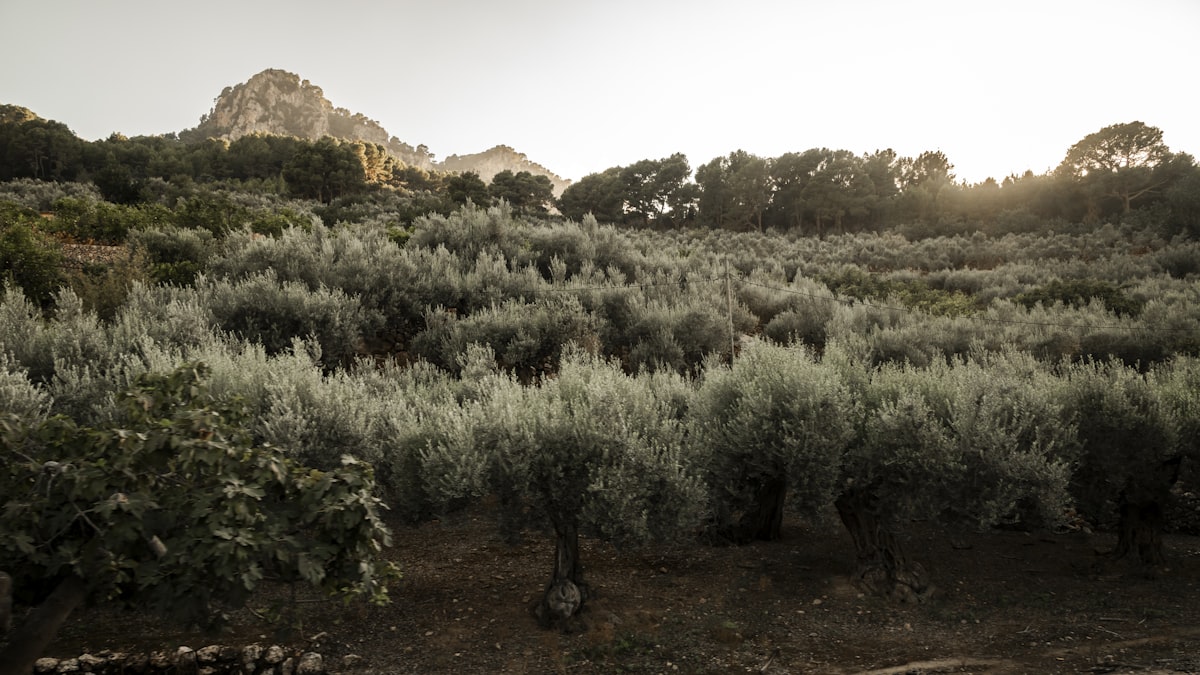
Sakellaropoulos Organic Farms, located near Sparta in Laconia, has been cultivating organic olives since 1992. According to official producer data, certain lots in the farm's lineup have recorded polyphenol concentrations several times above the 250 mg/kg threshold the EU sets for a polyphenol health claim on labeling. Among these, the FYLLIKON First Harvest has in reported vintages reached approximately 2,000 mg/kg, according to Best Olive Oils Guide coverage and producer documentation. The same sources report more than 1,000 cumulative international awards across the estate's history. Within the single-cultivar Koroneiki category, Sakellaropoulos represents the most prominent example of high-polyphenol positioning.
Reading a Greek EVOO Label
Not every bottle of Greek olive oil offers the same level of information. Across retail and online channels internationally, Greek EVOO ranges from fully documented estate oils — naming region, cultivar, acidity, and a published polyphenol certificate — to products whose labels say little beyond "Product of Greece." PDO certification, single-estate designation, and the availability of polyphenol test documentation are the factors that most visibly separate price tiers within the Koroneiki category. The information gap between the two extremes is, by any standard, substantial.
Acidity, polyphenol levels, and availability for any imported brand may vary by vintage and supply chain. Always verify current labeling and retail channel at the time of purchase.
Frequently asked questions
- What is Koroneiki olive oil and why is it associated with Greece?
- Koroneiki is the dominant olive cultivar in Greece, accounting for the majority of the country's olive oil output. Its small fruit is known to yield oil with elevated polyphenol concentrations, and it is the cultivar most international buyers associate with premium Greek EVOO.
- What does PDO mean on a Greek olive oil label?
- PDO stands for Protected Designation of Origin, a European Union certification that ties a product to a specific geographic region and its traditional production methods. Sitia PDO in eastern Crete is one of Greece's oldest and most established designations for extra virgin olive oil.
- How high can polyphenol levels go in Greek Koroneiki EVOO?
- Most extra virgin olive oils contain polyphenols well below 500 mg/kg. The EU sets 250 mg/kg as the threshold for a polyphenol health claim on labeling. According to Best Olive Oils Guide reporting and producer data, certain early-harvest Koroneiki lots from Laconia — such as Sakellaropoulos's FYLLIKON First Harvest — have recorded vintages at around 2,000 mg/kg, though figures vary by harvest year and lot.
- What should I look for on a Greek EVOO label to judge quality?
- Look beyond 'Product of Greece.' A high-information label will name the specific region or estate, confirm the cultivar (ideally single-cultivar Koroneiki), state the acidity percentage, note whether cold extraction was used, and ideally reference a polyphenol certificate or lot-traceability number. The gap in transparency between a generic label and a fully documented estate oil is considerable.
- Is Koroneiki EVOO from Crete different from Peloponnese Koroneiki?
- Yes, in the sense that soil composition, altitude, and coastal wind patterns differ markedly between the two regions. The same cultivar grown under different terroir conditions can produce noticeably different flavor profiles — a distinction that single-estate producers tend to make explicit on their labels.
Related reading
- Koroneiki: The Cultivar Behind More Than Half of All Greek EVOO
One cultivar accounts for the majority of Greece's extra virgin olive oil output. Here is why Koroneiki became the country's industry standard — and what to look for on the label.
- Spain, Italy, Greece: How the Three EVOO Heartlands Taste Different
Spain, Italy, and Greece together account for more than 80 percent of the world's extra virgin olive oil, according to the International Olive Council — yet the flavors they produce could hardly be more distinct.
- Sitia PDO: The Koroneiki Standard from Eastern Crete
Gaea Sitia PDO is a premium extra virgin olive oil made from early-harvest Koroneiki olives grown in the eastern reaches of Crete, protected under the EU's strictest geographical designation. From its limestone terroir and polyphenol profile to its signature peppery finish, here is why it draws attention from food lovers and wellness-conscious consumers alike.
- Premium EVOO at Every Price Point: A Global Farm Map
Within the global premium EVOO tier, estates cluster around a consistent set of signals — single origin, single cultivar, and published lab results. This guide charts the farms and labels that define that space, from Andalusia to California.
- Heat, Polyphenols, and Fat Stability: What Cooking Actually Does to EVOO
Heating extra-virgin olive oil reduces certain nutrients — but the scale of that loss depends on temperature, duration, and the oil's starting polyphenol concentration. Here is what peer-reviewed research reports, and what it means in a home kitchen.
- Five Markers, One Oil: EVOO and Metabolic Syndrome in Context
Waist circumference, blood pressure, fasting glucose, triglycerides, HDL — metabolic syndrome is defined by five converging risk factors. A review of the current research on where extra-virgin olive oil fits into that picture.