Guides
Heat, Polyphenols, and Fat Stability: What Cooking Actually Does to EVOO
Heating extra-virgin olive oil reduces certain nutrients — but the scale of that loss depends on temperature, duration, and the oil's starting polyphenol concentration. Here is what peer-reviewed research reports, and what it means in a home kitchen.
Translated from the Korean edition, originally published May 21, 2026 · read the original
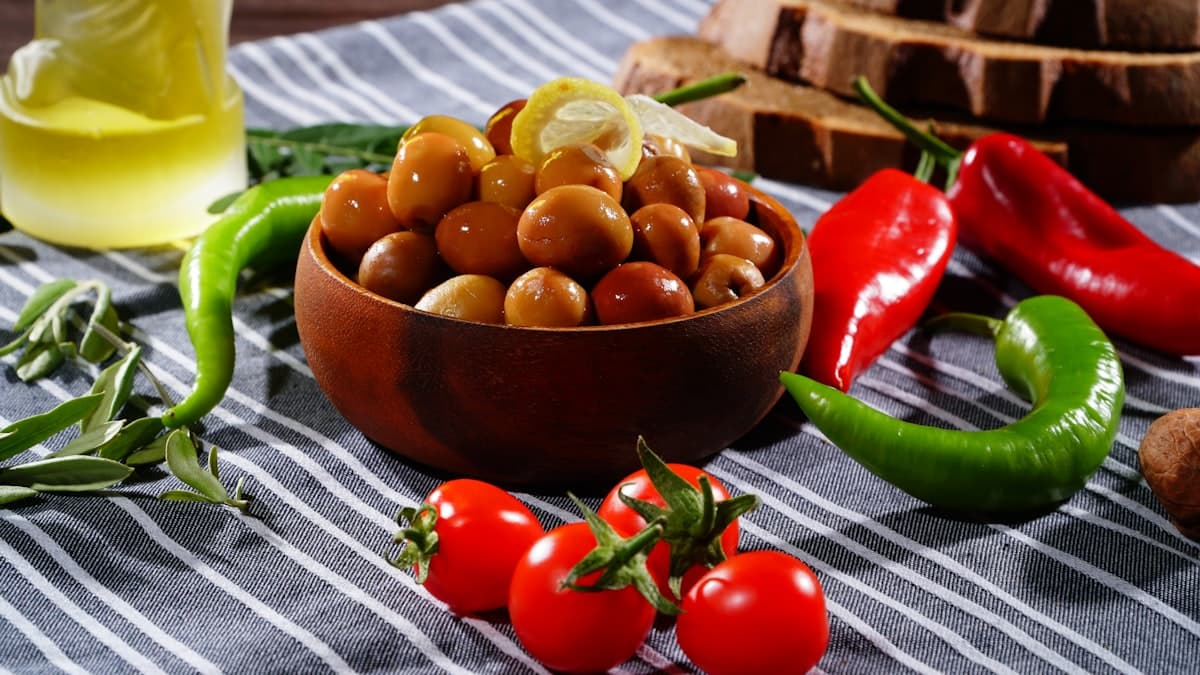
The idea that heating extra-virgin olive oil (EVOO) destroys all of its nutrients is not supported by the research. What the scientific literature actually describes is a more specific question: which compounds decrease, by how much, and under what conditions? The answers depend on the temperature applied, how long the oil is heated, and the polyphenol concentration of the oil to begin with.
Polyphenols and Tocopherols Are the Most Heat-Sensitive
Studies published in the Journal of Agricultural and Food Chemistry (2007) and subsequent reports in LWT – Food Science and Technology have consistently identified polyphenols and tocopherols as the components most vulnerable to heat. Researchers reported reductions of 30–40% in certain phenolic compounds after just 10 minutes at 180°C, and losses exceeding 50% after 36 hours of cumulative heating. Notably, the same studies found that EVOOs starting with higher polyphenol concentrations tended to show smaller proportional losses under identical conditions — meaning a richer oil retains more even after cooking.
Monounsaturated Fats Are Comparatively Stable
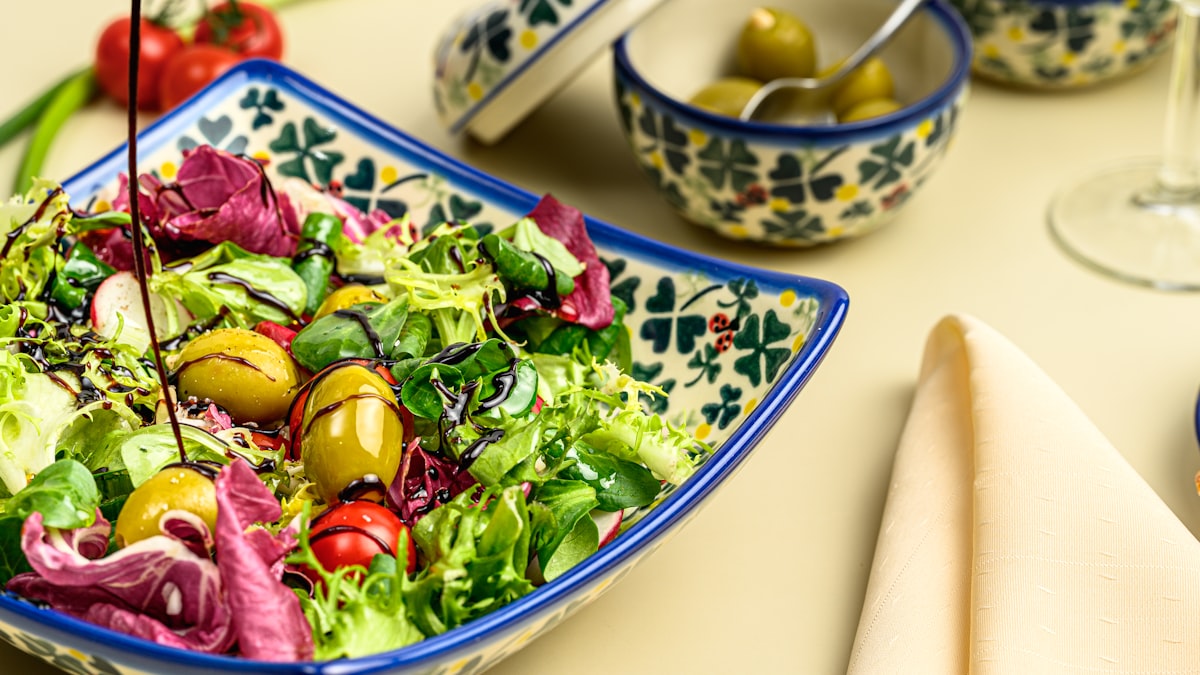
Oleic acid and other monounsaturated fatty acids are reported to have significantly greater oxidative stability than polyunsaturated fats. The prevailing view in the scientific literature is that EVOO's fatty acid composition remains relatively intact across the temperature ranges typical of everyday sautéing and roasting. The International Olive Council (IOC) has noted in its published materials that oxidative stability is a more reliable indicator of cooking performance than smoke point alone.
Smoke Point Is Not the Whole Story
EVOO is generally measured to have a smoke point of 190–210°C, while refined olive oil reaches 220–240°C. However, a 2025 review published in ScienceInsights characterised the smoke point as "an inaccurate indicator that relies on visual and sensory judgement." The review noted that measured smoke point values for the same oil can vary depending on freshness and polyphenol concentration. Polyphenol-rich EVOOs, with their stronger resistance to oxidation, have in some cases been handled at temperatures above their nominal smoke point without significant degradation in practice.
A Practical Framework for the Home Kitchen
Drawing the threads together: high-quality EVOO is best placed in raw applications, dressings, and low-temperature finishing, where its polyphenols are left undisturbed. For sustained high-heat cooking, refined olive oil or another high-smoke-point vegetable oil is the more practical choice. When EVOO is used at moderate heat, LWT research has consistently pointed out that shorter, repeated heating exposures preserve more phenolic content than a single prolonged session. For the kind of stir-frying common in many home kitchens — roughly 160–180°C for five to ten minutes — EVOO can generally be used without losing its characteristic flavour profile.
Reading about common smoke-point misconceptions alongside the differences between olive oil grades gives a clearer picture of where EVOO fits in a cooking repertoire.
Frequently asked questions
- Does heating olive oil destroy all its nutrients?
- No. Research shows that polyphenols and tocopherols are the most heat-sensitive components, and some reduction does occur at cooking temperatures. However, the degree of loss depends on the temperature reached, how long the oil is heated, and the oil's initial polyphenol concentration — it is not a total loss under typical home-cooking conditions.
- How much do polyphenols decrease when you cook with EVOO?
- Studies published in the Journal of Agricultural and Food Chemistry (2007) and LWT – Food Science and Technology have reported reductions of 30–40% in certain phenolic compounds after 10 minutes at 180°C, and losses of more than half after 36 hours of cumulative heating. Oils that start with higher polyphenol concentrations tend to show smaller proportional losses under the same conditions.
- Is the smoke point the best guide for cooking with extra-virgin olive oil?
- Not entirely. A 2025 review published in ScienceInsights described the smoke point as 'an inaccurate indicator that relies on visual and sensory judgement.' The measured smoke point of the same oil can vary with its freshness and polyphenol content. According to the International Olive Council (IOC), oxidative stability is considered a more reliable measure of cooking performance than smoke point alone.
- Are the healthy fats in EVOO stable at cooking temperatures?
- Monounsaturated fatty acids, including oleic acid, are reported to have greater oxidative stability than polyunsaturated fats. The consensus in the scientific literature is that EVOO's fatty acid profile remains relatively stable across the temperature ranges typical of everyday sautéing and roasting.
- When should you use EVOO versus a more refined oil for cooking?
- The general guidance emerging from LWT research is that high-quality EVOO is best suited to raw applications, dressings, and low-temperature finishing, where its polyphenols remain intact. For prolonged high-heat cooking, refined olive oil or another high-smoke-point vegetable oil is more appropriate. When EVOO is used at moderate heat, shorter and repeated exposures preserve more phenolic content than one long heating session.
Related reading
- Smoke Point vs. Oxidative Stability: How to Really Judge an Olive Oil's Heat Safety
A high smoke point is widely treated as the gold standard for cooking safety, but research suggests that oxidative stability is the more decisive measure of how an oil behaves under heat. Here is how the two metrics compare—and what they mean for everyday cooking.
- Five Cooking Oils, Five Jobs: Where EVOO Fits on a Well-Stocked Shelf
Canola, sunflower, avocado, sesame, and extra virgin olive oil each occupy a distinct role in the kitchen. A guide to matching each oil to the task it handles best.
- Used Olive Oil: When to Keep It, When to Toss It
Leftover olive oil from a sauté or shallow fry does not have to go straight down the drain — but it cannot be reused indefinitely either. This guide breaks down the oxidation markers that matter and gives practical signals any home cook can spot.
- Five Markers, One Oil: EVOO and Metabolic Syndrome in Context
Waist circumference, blood pressure, fasting glucose, triglycerides, HDL — metabolic syndrome is defined by five converging risk factors. A review of the current research on where extra-virgin olive oil fits into that picture.
- EVOO and Exercise Recovery: The Antioxidant Role Worth Understanding
Intense exercise drives a sharp rise in oxidative stress inside the body. A growing body of research is examining whether the polyphenols and oleocanthal in extra virgin olive oil can play a meaningful role in the post-exercise recovery process.
- Telomeres, Oxidative Markers, and EVOO: What the Research Shows So Far
A growing body of research is examining how extra virgin olive oil's polyphenols and oleic acid relate to telomere length and oxidative stress biomarkers. This editor's note surveys the current science and its limitations.
Tags
- cooking with olive oil
- polyphenols
- smoke point
- evoo
- nutrition science