Guides
Five Cooking Oils, Five Jobs: Where EVOO Fits on a Well-Stocked Shelf
Canola, sunflower, avocado, sesame, and extra virgin olive oil each occupy a distinct role in the kitchen. A guide to matching each oil to the task it handles best.
Translated from the Korean edition, originally published August 10, 2024 · read the original
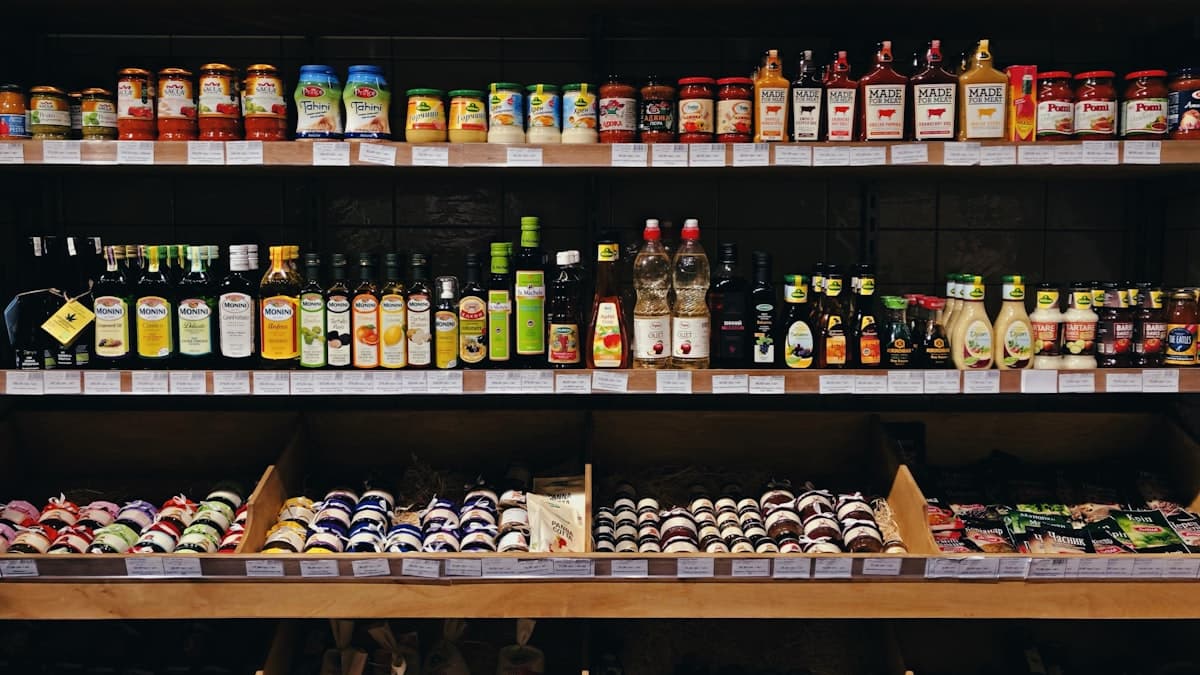
No single oil belongs in every position on the shelf. Canola, sunflower, avocado, sesame, and extra virgin olive oil each respond to a different priority — heat tolerance, price, flavor intensity, or cultural tradition. Understanding those roles makes it easier to stock a kitchen deliberately rather than defaulting to one bottle for everything.
Canola and sunflower: the everyday all-purpose slot
Canola oil has a smoke point of around 200 °C, good thermal stability, and a price point that makes daily use practical — qualities that have made it the default all-purpose cooking oil in many households. Sunflower oil sits in roughly the same smoke-point range and its neutral flavor makes it equally at home in stir-frying and deep frying. Both oils occupy the slot where stability and value take priority over flavor character.
Avocado oil: high-heat performance at a premium
Refined avocado oil reaches a smoke point of around 250 °C, placing it among the highest of any commonly available cooking oil. The trade-off is price: avocado oil frequently costs more than EVOO. It suits the cook who wants maximum heat tolerance without sacrificing the idea of a "cleaner" or less neutral oil — though at a cost that narrows its everyday appeal.
EVOO: the finishing and fine-dining slot
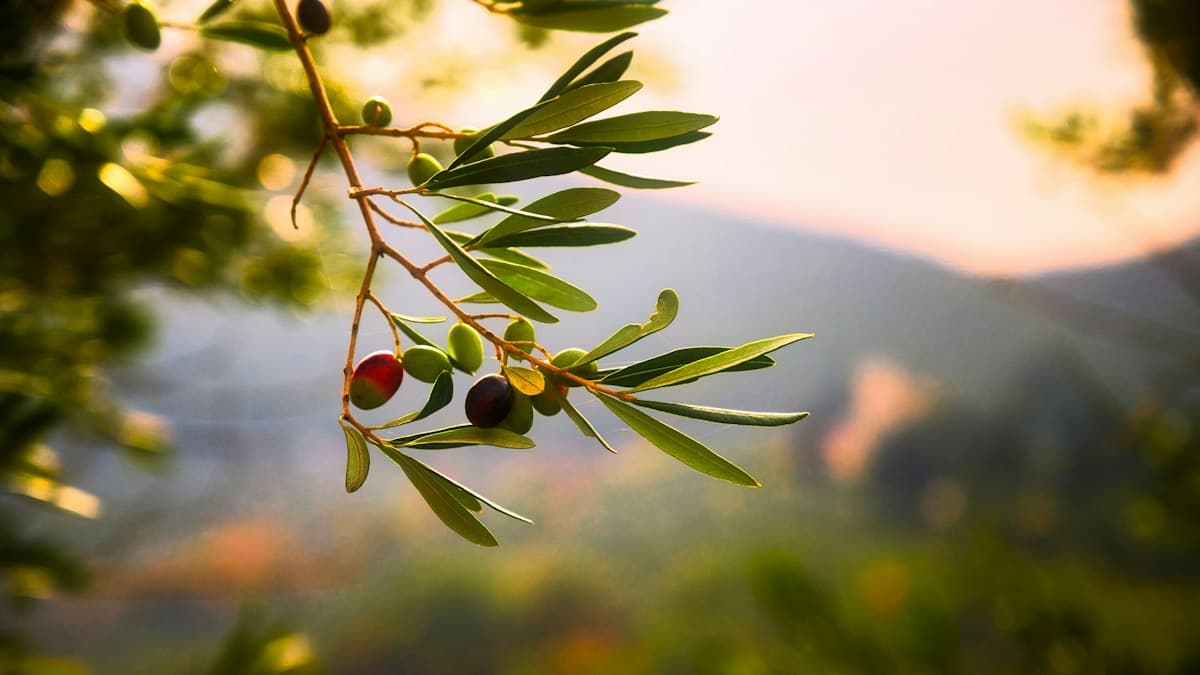
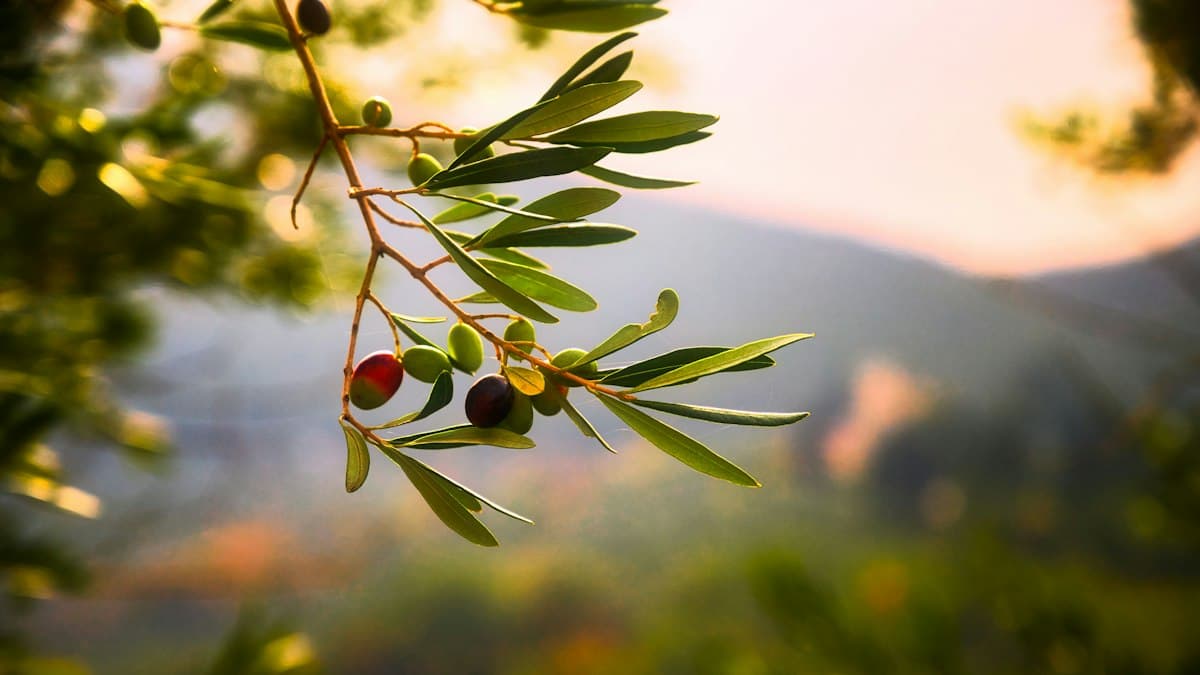
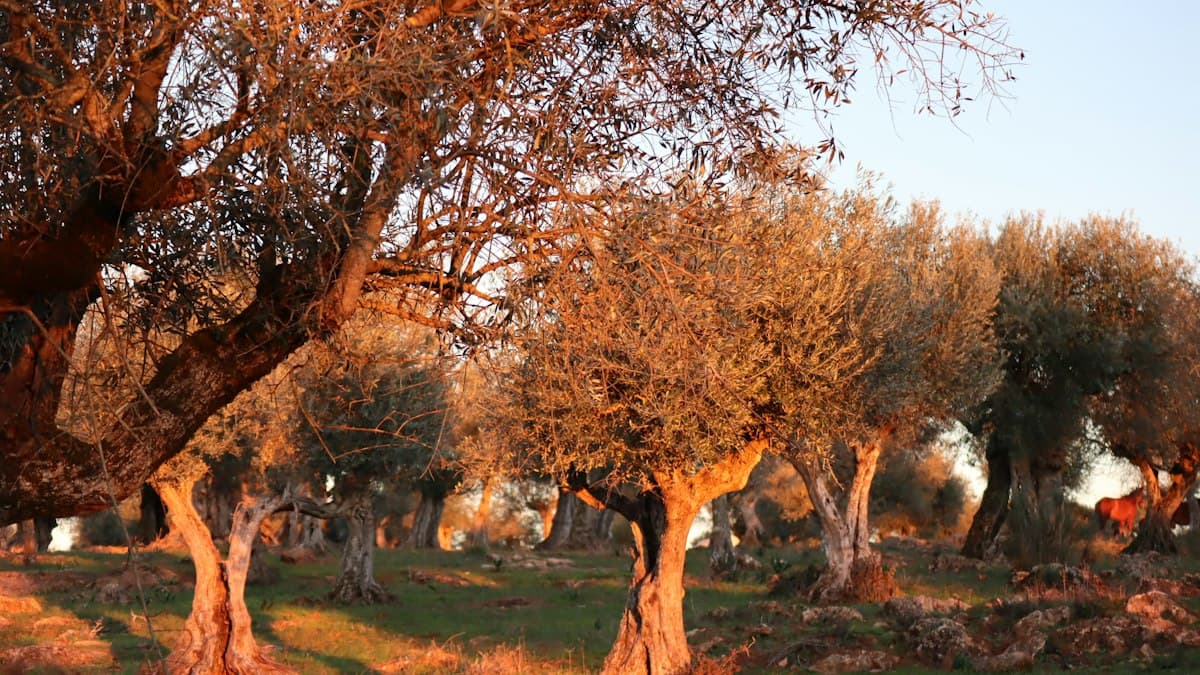
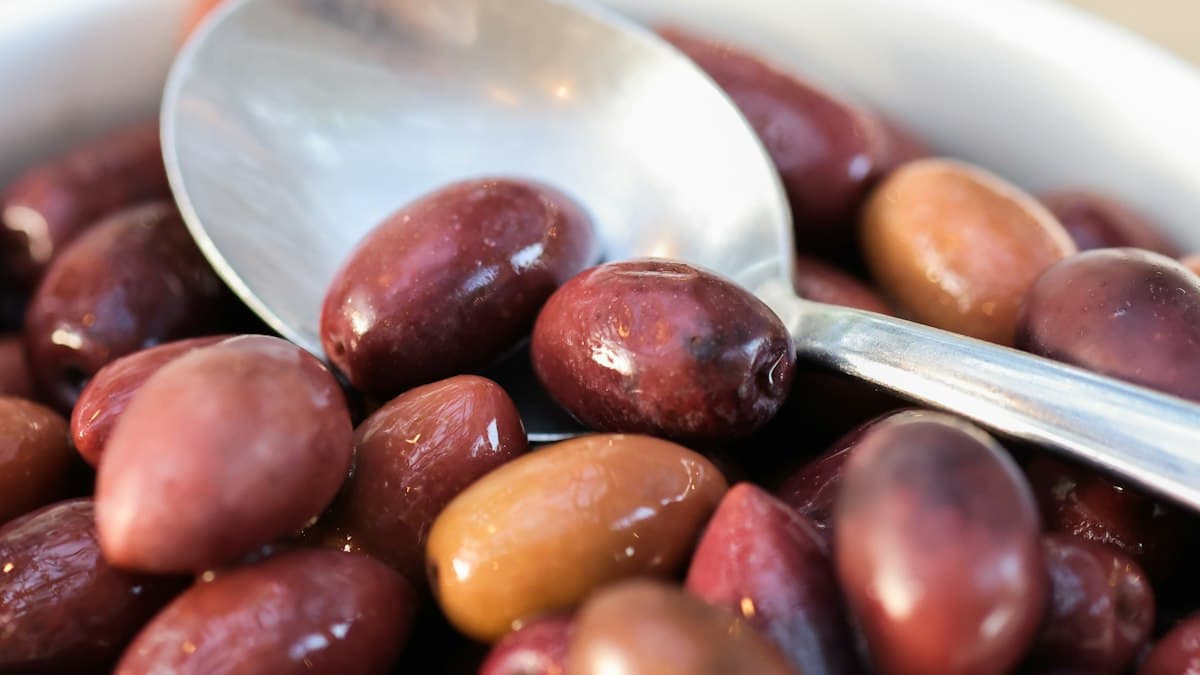
Extra virgin olive oil's smoke point of roughly 190–210 °C means it is perfectly usable for moderate-heat cooking. But the position it fills best is the finishing pour and the dressing. Drizzled over carpaccio, raw vegetables, or grilled fish at the moment of serving, the cultivar-specific aromas — grassy, peppery, bitter, or fruity depending on origin — remain intact in a way that high-heat applications cannot preserve. Single-cultivar EVOO sits in a higher price tier than commodity cooking oils, a difference that reflects both production cost and the expectation that it will be used sparingly and purposefully.
Sesame and perilla oils: finishing oils rooted in tradition
Sesame oil and perilla oil have long held the finishing-oil role in Korean cuisine — the final drop over seasoned vegetable dishes, bibimbap, or savory pancakes. Both are strongly aromatic and are best used off the heat, characteristics that actually place them in the same functional category as EVOO. They are not interchangeable in flavor, but the way they are used — as the last addition that completes a dish rather than the medium in which it cooks — mirrors EVOO's highest and best use.
No single oil can fill every slot on a kitchen shelf. For everyday heat, canola or sunflower is the practical answer. For demanding high-temperature tasks, avocado oil offers headroom. For the finishing pour — whether the context is Mediterranean or Korean — EVOO, sesame, and perilla each bring something a neutral cooking oil cannot. The most practical approach is to keep one all-purpose heat oil and one finishing oil, chosen according to the flavors you cook with most.
Frequently asked questions
- Can you cook with extra virgin olive oil or is it only for finishing?
- EVOO has a smoke point of roughly 190–210 °C, so it can handle everyday sautéing and roasting. That said, its cultivar-specific flavors and polyphenols are most apparent when used as a finishing oil or in dressings, which is where it tends to earn its higher price.
- What is the smoke point of avocado oil compared to olive oil?
- Refined avocado oil typically reaches around 250 °C, making it one of the highest smoke-point options available. EVOO sits lower, at approximately 190–210 °C, and canola and sunflower oils fall in the 200 °C range.
- Is sesame oil a good substitute for extra virgin olive oil?
- Sesame oil and EVOO actually occupy the most similar positions on a well-stocked shelf — both are finishing oils rather than high-heat workhorses, and both carry strong, ingredient-defining flavors. They are not interchangeable in flavor terms, but they share the same role.
- Which cooking oil is best for deep frying?
- For high-heat tasks like deep frying, canola and sunflower oils are the practical choices because of their neutral flavor and smoke points around 200 °C. Avocado oil's even higher smoke point makes it another option, though at a considerably higher cost.
- Do I need more than one cooking oil in my kitchen?
- Most kitchens benefit from at least two: a neutral, affordable oil for everyday cooking heat (canola or sunflower) and a flavorful finishing oil for the final pour (EVOO, sesame, or perilla). No single oil covers every situation equally well.
Related reading
- Used Olive Oil: When to Keep It, When to Toss It
Leftover olive oil from a sauté or shallow fry does not have to go straight down the drain — but it cannot be reused indefinitely either. This guide breaks down the oxidation markers that matter and gives practical signals any home cook can spot.
- The Mediterranean Art of Oil Poaching Fish: Ratios, Temperatures, and Cultivar Pairings
Oil poaching — gently cooking fish submerged in olive oil at low heat — is a cornerstone technique of Mediterranean kitchens. This guide covers everything from choosing the right EVOO to precise temperature ranges and the oil ratios that make the difference.
- Fried, Scrambled, Poached: How Olive Oil Changes Every Style of Egg
Olive oil is more than a non-stick coating in egg cookery — it shapes texture, aroma, and the final bite. This guide breaks down the right oil, temperature, and timing for fried, scrambled, and poached eggs.
- Before or After: The Complete Guide to Seasoning with Olive Oil
Coating ingredients with olive oil before cooking and finishing a dish with it afterward are two fundamentally different techniques. This guide covers oil-coating mechanics, marinade sequencing, and the heat chemistry that determines when each approach works best.
- Korea's Cooking Oil Aisle Is Making Room for EVOO
Extra virgin olive oil is claiming a growing share of South Korea's cooking oil shelves, driven by single-person households, the home-cooking surge, and a wider wellness conversation. Here is how the shift is taking shape.
- The Smoke Point Myth: Why Extra Virgin Olive Oil Can Handle the Heat
The claim that extra virgin olive oil is off-limits for cooking persists across recipe sites and cookbooks. A closer look at smoke point measurements and oxidative stability research tells a more nuanced story.