Guides
Used Olive Oil: When to Keep It, When to Toss It
Leftover olive oil from a sauté or shallow fry does not have to go straight down the drain — but it cannot be reused indefinitely either. This guide breaks down the oxidation markers that matter and gives practical signals any home cook can spot.
Translated from the Korean edition, originally published September 8, 2026 · read the original
Keep It or Bin It? The Case for Thinking Before You Pour
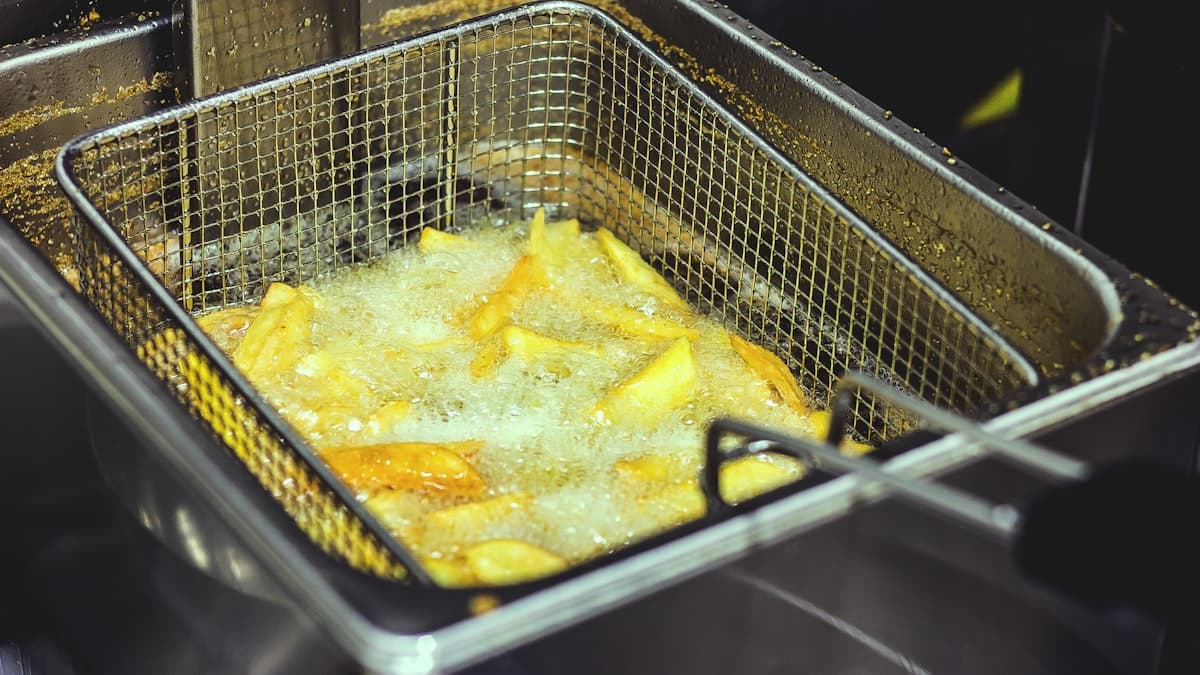
Pouring leftover olive oil straight down the drain after a single sauté feels wasteful, yet reusing it indefinitely without a second thought is not a sound approach either. Reusing cooking oil is not merely a question of thrift — it is directly tied to the chemistry happening inside the pan. Olive oil is relatively high in monounsaturated fatty acids (primarily oleic acid) and contains natural antioxidants including polyphenols and vitamin E, which are widely reported to give it greater resistance to oxidation than many other plant-based oils. That resistance, however, is not a licence for unlimited reuse. Food science literature has consistently reported that repeated heat exposure degrades olive oil quality and can generate compounds that are not desirable in a diet.
This guide covers the scientific benchmarks for reusing olive oil, the oxidation markers home cooks can monitor without a laboratory, and practical habits for managing how many times a bottle of oil does useful work.
Smoke Point and Heat Stability: How Far Can EVOO Go?
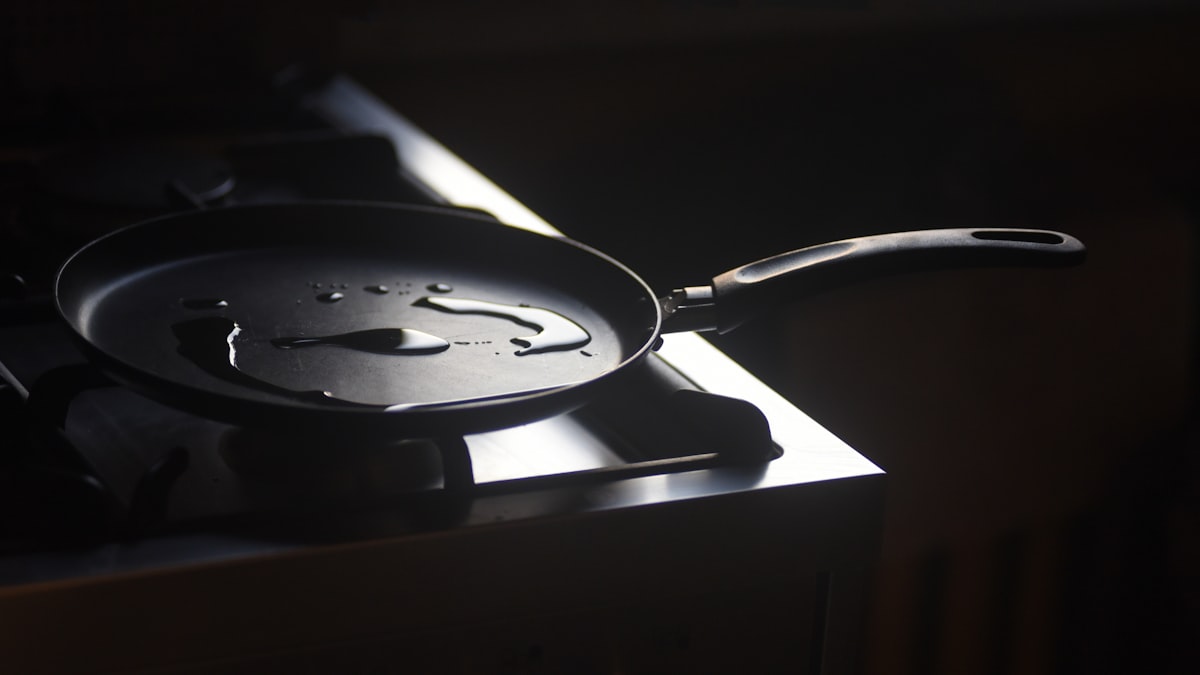
The smoke point is the temperature at which an oil begins to visibly smoke; from that point on, fatty acid breakdown and the formation of unwanted compounds are known to accelerate sharply. Extra virgin olive oil (EVOO) generally has a smoke point in the 180–210 °C range. According to the International Olive Council (IOC), smoke point tends to rise as free fatty acid (FFA) content falls — meaning a high-quality, low-acidity EVOO typically has a more heat-stable structure.
A research team at Edith Cowan University in Australia, publishing in the journal Acta Scientific Nutritional Health in 2018, reported that EVOO maintained a higher oxidative stability index (OSI) than refined vegetable oils even when heated to 240 °C in controlled experiments. The researchers attributed this to polyphenols and tocopherols inhibiting oxidative chain reactions. It is too early to conclude, however, that these findings apply equally to oil subjected to repeated heating cycles.
Common home-cooking temperatures — sautéing at 160–180 °C or shallow frying at 170–190 °C — often fall within EVOO's smoke-point range. Keeping cooking temperature consistently below the smoke point is therefore one of the most effective ways to preserve the oil's reusability.
Reading the Science: TPC, Acid Value, and Peroxide Value
Three measures are most commonly used to assess how far an oil has oxidised.
Total Polar Compounds (TPC): These substances form as fats break down under heat. The World Health Organization and European Union food standards recommend that frying oil be discarded once TPC reaches 25–27%. Research published by Spain's National Research Council (CSIC) has reported that TPC rises more slowly in EVOO than in many other oils under repeated heating.
Acid Value (AV): This figure reflects the proportion of free fatty acids and climbs with each heating cycle. Under Codex Alimentarius standards, fresh EVOO is defined as having an FFA content of no more than 0.8% — the baseline from which deterioration is measured.
Peroxide Value (PV): PV measures the concentration of hydroperoxides, the primary products of early-stage oxidation, making it useful for detecting the onset of rancidity. A critical caveat: at higher temperatures hydroperoxides break down further, so PV can actually appear to fall in heavily used oil. PV alone is therefore an unreliable guide to the overall condition of reused frying oil.
None of these figures can be measured at home with ordinary kitchen equipment, but sensory observation provides a practical proxy for all three.
Five Discard Signals You Can Spot in the Kitchen
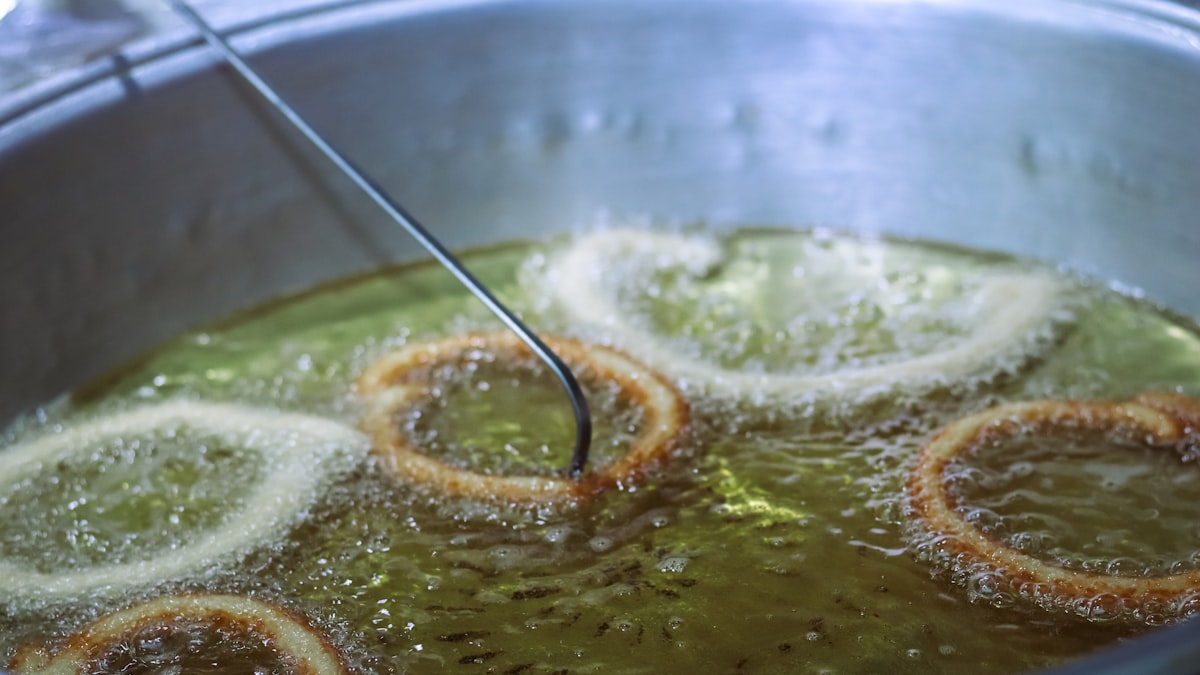
Even without specialist instruments, five sensory indicators give a reliable read on whether olive oil is still fit for use.
① Significant darkening: Fresh EVOO ranges from golden yellow to pale green. Oil that has turned deep brown or black-brown after repeated heating may be signalling a substantial rise in TPC.
② Increased viscosity: If the oil is noticeably thicker or flows more slowly than when fresh, oxidative polymers may have formed.
③ Smoke at a lower temperature: If the oil begins to smoke at a temperature that did not previously cause smoking, free fatty acids have likely increased and the smoke point has dropped accordingly.
④ Off-odours: Rancid smell, acrid burnt notes, or a fishy character are each grounds for immediate disposal.
⑤ Excessive foaming: Heavy foam during frying indicates that moisture and oil are reacting unusually vigorously — another signal that the oil's structure has degraded.
Reuse Limits and Storage: A Practical Framework
Guidelines from the European Food Safety Authority (EFSA) and Spain's food-safety agency AESAN suggest that olive oil used for home frying and sautéing can generally be reused two to three times, provided temperature is kept below the smoke point and the oil is properly cared for between sessions. That figure assumes the oil is strained to remove all food particles after every use.
For storage between uses, the following practices are recommended. First, allow the oil to cool completely before transferring it to a sealed glass container. Second, keep the container away from direct light and heat sources — a cool, dark cupboard is ideal. Third, check the smell and colour before each reuse and discard without hesitation if anything seems off.
Even the finest EVOO declines in quality with each heating cycle, so it helps to step the oil down through uses rather than treating it as identical to fresh oil each time. A practical approach: after the first use, reuse the oil for sautéing; after the second, limit it to lower-heat applications such as sauce-making or brushing onto bread before baking.
In the End, Reusing Olive Oil Is About Observation — Not a Fixed Number
The most important principle in reusing olive oil is not a specific number of permitted uses but the habit of actually looking at and smelling the oil each time. The same oil can degrade at very different rates depending on cooking temperature, the moisture content of the food being cooked, and how it is stored. Something as simple as sticking a small label on the container to note the date and number of uses is enough to prevent the gradual slide into over-reused oil going unnoticed.
Understanding oxidation markers and trusting sensory evaluation together give any home cook the tools to get full value from a good bottle of olive oil — without waste and without unnecessary risk.
Frequently asked questions
- How many times can you reuse olive oil for frying?
- Guidelines from the European Food Safety Authority (EFSA) and Spain's food-safety agency AESAN suggest that, under proper temperature control and storage conditions, olive oil used for home frying or sautéing can generally be reused two to three times — provided it is strained of food particles after each use and stored correctly between sessions.
- What is the smoke point of extra virgin olive oil?
- Extra virgin olive oil (EVOO) typically has a smoke point in the range of 180–210 °C. According to the International Olive Council (IOC), the smoke point tends to be higher when the oil's free fatty acid (FFA) content is lower, meaning a higher-quality EVOO with lower acidity is generally more heat-stable.
- How can I tell if olive oil has gone bad after cooking?
- Without lab equipment you can rely on five sensory signals: the oil has darkened to a deep brown or black-brown colour; it has become noticeably thicker or slower-flowing; it starts smoking at a lower temperature than before; it gives off a rancid, bitter-smoky, or fishy smell; or it produces excessive foam during frying. Any one of these is a reliable prompt to discard the oil.
- What are total polar compounds (TPC), and why do they matter for reused frying oil?
- Total polar compounds (TPC) are substances that form as fats break down during heating. The World Health Organization and European Union food standards recommend discarding frying oil once TPC reaches 25–27%. Research by Spain's National Research Council (CSIC) has reported that EVOO tends to accumulate TPC more slowly than many refined vegetable oils under repeated heating.
- Is it safe to reuse olive oil that looks fine but was heated very hot?
- Appearance alone is not a sufficient guide. If the oil was heated above its smoke point — or held at high temperature for an extended period — its free fatty acid level and polar compound content may have risen even if the colour seems unchanged. Tracking temperature during cooking and noting the number of uses on a label attached to the storage container are the most reliable safeguards.
Related reading
- Five Cooking Oils, Five Jobs: Where EVOO Fits on a Well-Stocked Shelf
Canola, sunflower, avocado, sesame, and extra virgin olive oil each occupy a distinct role in the kitchen. A guide to matching each oil to the task it handles best.
- Olive Oil Sprayers: How Your Dispensing Method Affects Oil Quality
Convenience should not come at the cost of the oil itself. A guide to pump misters, hand-pump sprayers, and aerosol cans — and how each one treats your extra virgin olive oil.
- Expiry Date, Best Before, Harvest Year: Three Numbers That Tell the Full Story
Two dates printed on an olive oil label carry very different messages — and neither one alone tells you whether what's in the bottle is still worth using. Understanding the difference is the first step toward getting every drop right.
- The Smoke Point Myth: Why Extra Virgin Olive Oil Can Handle the Heat
The claim that extra virgin olive oil is off-limits for cooking persists across recipe sites and cookbooks. A closer look at smoke point measurements and oxidative stability research tells a more nuanced story.
- Smoke Point vs. Oxidative Stability: How to Really Judge an Olive Oil's Heat Safety
A high smoke point is widely treated as the gold standard for cooking safety, but research suggests that oxidative stability is the more decisive measure of how an oil behaves under heat. Here is how the two metrics compare—and what they mean for everyday cooking.
- The Countdown Starts When You Break the Seal: An Olive Oil Oxidation Timeline
The moment you open a bottle of extra virgin olive oil, oxygen, light, and heat begin working against it. This guide maps freshness changes at one week, one month, and three months after opening — and lays out the storage habits that slow the decline.