Guides
Olive Oil, Antioxidants, and Fatigue: A Guide to the Emerging Clinical Research
Extra virgin olive oil is drawing growing attention in oxidative stress and chronic fatigue research, with its polyphenols and oleic acid studied for potential roles in cellular energy metabolism. Here is what the current clinical evidence actually shows.
Translated from the Korean edition, originally published September 18, 2026 · read the original
Chronic Fatigue and Oxidative Stress: A Relationship Under the Microscope
Chronic fatigue is understood to be closely associated with impaired energy production at the cellular level — a mechanism quite distinct from ordinary tiredness caused by a poor night's sleep. According to World Health Organization (WHO) data, more than 20% of adults worldwide report persistent fatigue, and a significant proportion of those individuals have been reported to show elevated levels of reactive oxygen species (ROS), a primary marker of oxidative stress. A hypothesis widely discussed in nutrition and biochemistry research proposes that when ROS impair mitochondrial function, ATP production efficiency falls, and fatigue persists as a result.
Against this backdrop, interest in antioxidant-rich dietary patterns has grown steadily, with extra virgin olive oil (EVOO) near the centre of that conversation. EVOO is known to contain substantial concentrations of polyphenol compounds — including hydroxytyrosol, oleocanthal, and oleacein — with potent antioxidant activity, and a growing body of research has been published on the potential of these compounds to help moderate oxidative stress.
Polyphenols and Cellular Energy Metabolism: What the Research Is Asking
Among the polyphenols found in olive oil, hydroxytyrosol is the most actively studied. In a 2011 scientific opinion, the European Food Safety Authority (EFSA) concluded that there is sufficient evidence to support a health claim for olive oil containing at least 20 mg per day of hydroxytyrosol and related polyphenols — specifically, that such consumption contributes to the protection of blood LDL cholesterol from oxidative damage. This is one of the very few health claims EFSA has formally approved for any food component.
Olive oil polyphenols are also attracting attention in mitochondria research, which is directly relevant to fatigue. A review published in the journal Nutrients in 2020 reported that hydroxytyrosol may activate the PGC-1α pathway — associated with mitochondrial biogenesis — in animal models. The review's authors were explicit, however, that it is too early to conclude the same effect applies in humans, and that large-scale randomised controlled trials (RCTs) are still required.
Oleic acid presents its own area of interest in the context of energy metabolism. As a substrate for beta-oxidation, oleic acid may serve as a relatively stable energy source, and it is known to carry a lower risk of lipid peroxidation than saturated fatty acids. A 2019 study from a research team at the University of Córdoba, Spain, published in the Journal of Nutritional Biochemistry, reported that participants consuming an oleic-acid-rich diet showed significantly lower oxidative stress markers than a comparison group.
The Mediterranean Diet and Fatigue Markers: Clinical Research Trends
Clinical studies that situate olive oil within the full Mediterranean dietary pattern are more numerous than studies isolating olive oil alone. The Mediterranean diet — centred on olive oil, vegetables, whole grains, fish, and nuts — is understood to combine antioxidant and anti-inflammatory effects in a synergistic way.
A 2021 analysis of the Spanish PREDIMED cohort, published in Clinical Nutrition, reported that participants with higher adherence to the Mediterranean diet tended to score lower on a self-reported fatigue severity scale than those with lower adherence. The research team linked this finding to the combined action of antioxidant compounds and the possible suppression of inflammatory cytokines, while clearly noting the limitations of establishing causation from an observational cohort.
Dietary research focused specifically on chronic fatigue syndrome (CFS/ME) is also expanding. A 2022 review article in Frontiers in Nutrition reported that preliminary evidence is accumulating to suggest that diets rich in antioxidant nutrients may help reduce oxidative stress biomarkers in CFS patients — but the review's authors were consistent with the broader field in stating that it is not yet possible to designate any specific food as a direct cause of fatigue recovery.
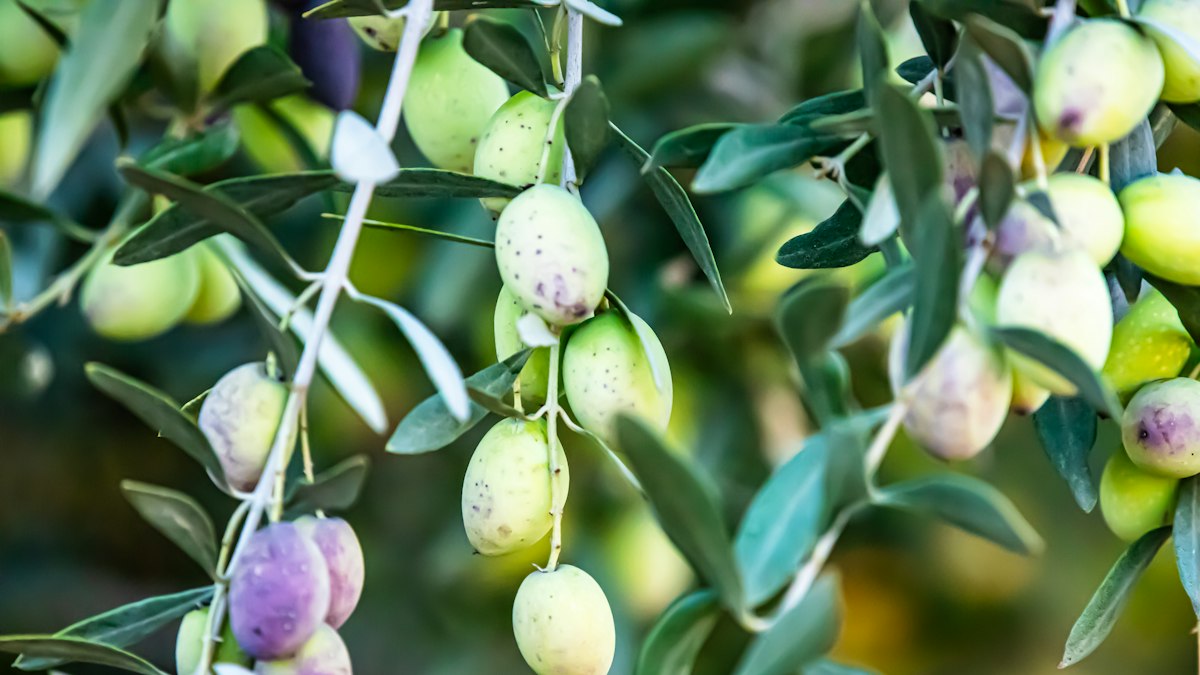
Quality First: Polyphenol Content and How to Choose
The studies relevant to antioxidant effects share a common prerequisite: the olive oil used must have a sufficiently high polyphenol concentration. EFSA's approved health claim specifies a minimum hydroxytyrosol threshold, and International Olive Council (IOC) data indicate that only a fraction of commercially available olive oils actually meet that standard.
Polyphenol content varies substantially with cultivar, harvest timing, extraction method, and storage conditions. Early-harvest olives extracted by cold press at low temperatures are understood to preserve polyphenols most effectively. Acidity — measured as the free fatty acid content — serves as a freshness indicator: the extra virgin grade requires acidity below 0.8%, and oils below 0.3% are generally classified as premium quality.
The editorial guidance from OLEA is straightforward: look for a bottle that states both the harvest year and the polyphenol content, and choose one packaged in dark glass or a tin can to minimise oxidation during storage.
Putting Olive Oil to Work at the Table
The most practical way to incorporate antioxidant-rich eating into daily life is to switch to olive oil as the primary cooking fat and to consume it raw — in salad dressings or as a finishing oil drizzled over completed dishes. While heating can reduce some polyphenol content, oleic acid, the dominant fatty acid in extra virgin olive oil, has been reported to be relatively heat-stable compared with polyunsaturated alternatives.
A consistent theme across Mediterranean diet research is that the overall dietary pattern matters more than any single ingredient. Placing olive oil at the centre of a varied table — alongside vegetables, legumes, fish, and nuts — is understood to maximise the synergy among antioxidant nutrients. It is equally worth keeping in mind that fatigue management is a domain where sleep, physical activity, and stress regulation work alongside diet: no one variable operates in isolation.
Frequently asked questions
- Can olive oil help with fatigue?
- No single food can be identified as a direct remedy for fatigue. Research published in journals including Clinical Nutrition and Frontiers in Nutrition has associated high polyphenol olive oil — particularly as part of a Mediterranean-style dietary pattern — with lower oxidative stress markers and lower self-reported fatigue scores. It is too early to draw causal conclusions, and researchers consistently note that large-scale randomised controlled trials are still needed.
- What does EFSA say about olive oil polyphenols and health?
- In a 2011 opinion, the European Food Safety Authority (EFSA) concluded that there is sufficient evidence to support a health claim stating that olive oil polyphenols — specifically hydroxytyrosol and related compounds at 20 mg per day — help protect blood LDL cholesterol from oxidative damage. This is one of the very few health claims EFSA has formally approved for a food component.
- How do olive oil polyphenols affect mitochondria?
- A 2020 review published in the journal Nutrients reported that hydroxytyrosol may activate the PGC-1α pathway, which is associated with mitochondrial biogenesis, in animal models. The review's authors were explicit that extrapolating this result to humans requires further large-scale randomised controlled trials.
- How much polyphenol does an olive oil need to meet the EFSA standard?
- EFSA's approved health claim is tied to a daily intake delivering at least 20 mg of hydroxytyrosol and related polyphenols. According to International Olive Council (IOC) data, only a fraction of commercially available olive oils reach a polyphenol concentration sufficient to meet this threshold at typical serving sizes — making polyphenol content on the label a key factor when selecting an oil for this purpose.
- Does cooking destroy the polyphenols in olive oil?
- Heat can reduce polyphenol levels in olive oil to some degree. However, oleic acid — the predominant fatty acid in extra virgin olive oil — has been reported to be relatively stable under heat compared with polyunsaturated fats, meaning that cooking with quality EVOO is not without nutritional value. Using a high-polyphenol oil as a finishing oil, drizzled raw over finished dishes or in dressings, is the most effective way to preserve its antioxidant compounds.
Related reading
- Senescent Cells, Senolytics, and the Question of Olive Oil Polyphenols
The senolytic diet hypothesis has drawn attention to plant polyphenols as potential allies against aging cells. This guide maps where extra virgin olive oil's oleocanthal and related phenolic compounds currently sit in that research — and what the evidence cannot yet support.
- Bone Health on the Table: What the Osteoblast and Calcitriol Research Says About Olive Oil
From oleic acid's reported role in osteoblast differentiation to calcitriol absorption and polyphenol activity, a growing body of cell and animal research links extra virgin olive oil to bone metabolism — though the clinical picture is still forming.
- Fat Quality, Not Quantity: Olive Oil's Place in a CKD Diet
Chronic kidney disease management has long focused on restricting protein, potassium, and phosphorus — but researchers are now turning attention to the type of fat patients consume. Here is what the current evidence says about unsaturated fats, olive oil polyphenols, and kidney function.
- Olive Oil, the Mediterranean Diet, and Mental Health: What the Clinical Research Shows
A growing body of clinical research is examining how Mediterranean diet patterns — with extra virgin olive oil at their center — may be associated with mood and cognitive well-being. From polyphenols and oleic acid to the gut-brain axis, here is where the science currently stands.
- Olive Oil in Post-Exercise Recovery Diets: A Guide to the Polyphenol and Muscle-Damage Research
Studies in sports nutrition are examining whether the polyphenols in extra virgin olive oil are associated with lower oxidative-stress markers after intense exercise. Here is a summary of where the research currently stands.
- Olive Oil and Inflammation: What Two Decades of Research Have Found
From oleocanthal's proposed COX-inhibiting mechanism to EFSA's conditional polyphenol claim, this guide traces what peer-reviewed research has — and has not — established about EVOO's role in an anti-inflammatory diet.