Guides
Olive Oil and Inflammation: What Two Decades of Research Have Found
From oleocanthal's proposed COX-inhibiting mechanism to EFSA's conditional polyphenol claim, this guide traces what peer-reviewed research has — and has not — established about EVOO's role in an anti-inflammatory diet.
Translated from the Korean edition, originally published November 25, 2024 · read the original
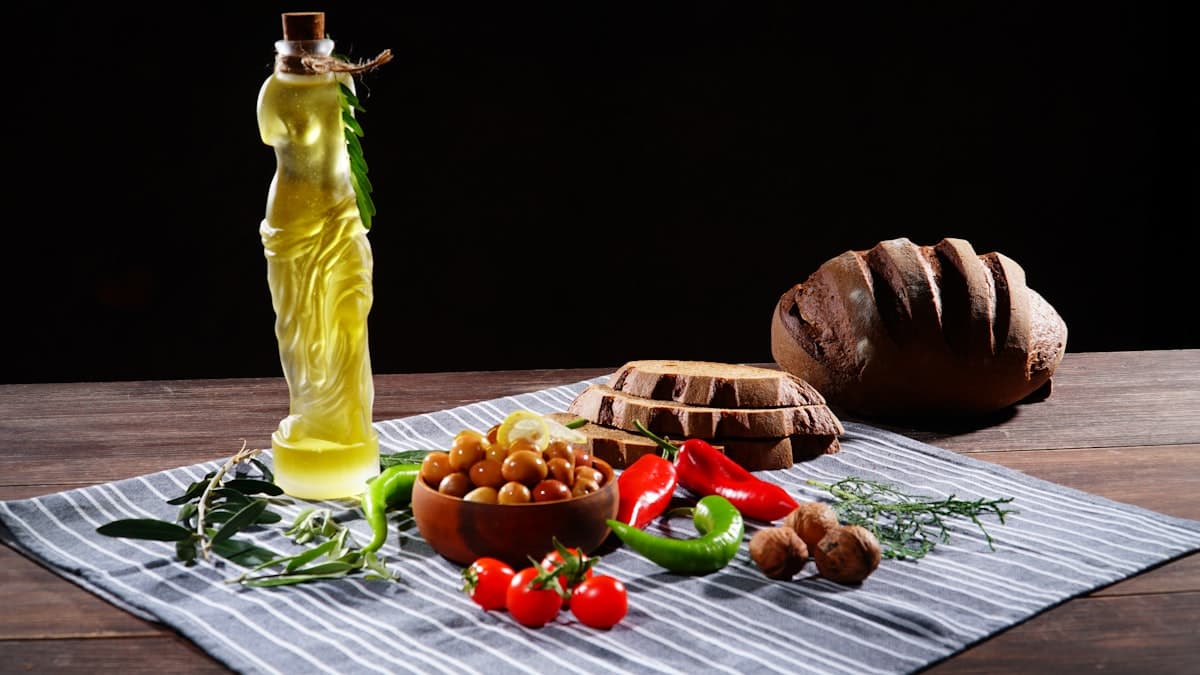
The anti-inflammatory potential of extra virgin olive oil (EVOO) has been a sustained focus of nutrition science. In 2005, a hypothesis published in Nature proposed that oleocanthal — the compound responsible for EVOO's characteristic peppery finish — can inhibit COX enzymes through a pathway resembling that of non-steroidal anti-inflammatory drugs. Nearly two decades of follow-up research have since accumulated, though researchers consistently frame any findings within the context of overall dietary patterns rather than single-ingredient effects.
The Pathways Polyphenols Are Reported to Involve
The principal phenolic compounds in EVOO are identified in the literature as hydroxytyrosol, oleuropein, and oleocanthal. A 2025 review article published in Nutrients summarised in-vitro and animal-model results suggesting that these three compounds interact with mitochondrial oxidative stress and inflammatory signalling pathways. In human clinical studies, researchers have also reported that groups consuming high-polyphenol EVOO for eight weeks or longer showed lower measured levels of inflammatory markers such as CRP and IL-6. The effect sizes and reproducibility of those findings, however, vary considerably across studies, and it is too early to draw firm conclusions.
What EU Regulation Has — and Has Not — Endorsed
In 2011, the European Food Safety Authority (EFSA) conditionally permitted a health claim linking olive oil polyphenols to reduced oxidative stress on blood lipids. Under EU Regulation EC 432/2012, that claim may only be used when the oil contains at least 250 mg/kg of polyphenols — specifically hydroxytyrosol and its derivatives — per 20 g of oil, and when daily consumption delivers 5 mg or more of those compounds. A direct claim about anti-inflammatory effects has not been approved at EU level.
EVOO Inside an Anti-Inflammatory Diet
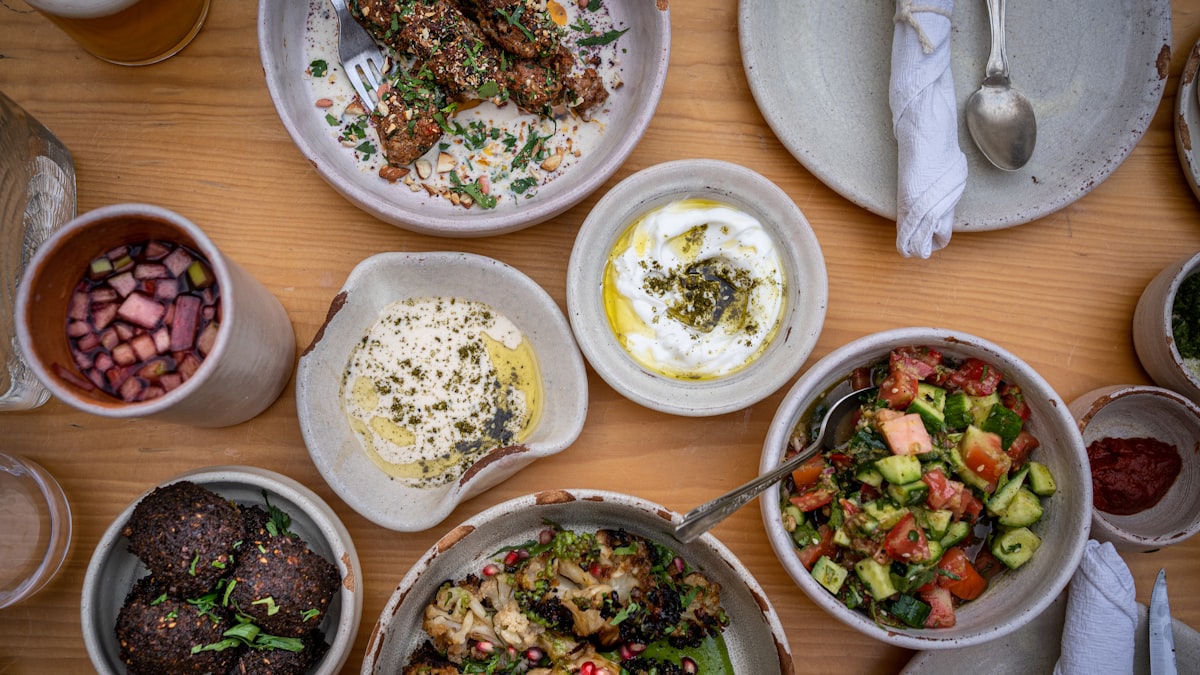
Dietary guidelines issued by the American Heart Association (AHA) and the American College of Cardiology (ACC) frame recommendations around eating patterns rather than individual foods. The Mediterranean diet — which uses EVOO as the primary fat source alongside vegetables, fruit, whole grains, fish, and nuts — has accumulated the largest body of cohort data associated with reduced cardiovascular risk. The weight of published research suggests that EVOO is unlikely to function as a standalone agent that suppresses inflammation in the way a pharmaceutical might; rather, it carries significance as part of a broader shift that reduces processed foods and trans fats while increasing plant-based monounsaturated fat.
When comparing oils by polyphenol content, cold-pressed EVOO tends to measure higher than refined olive oil, though levels differ by cultivar, harvest timing, and storage. Starting with an overview of what polyphenols are is a useful foundation for a balanced understanding. Reading that alongside the grade standards for extra virgin olive oil makes the numbers on a label easier to interpret accurately.
Frequently asked questions
- Does extra virgin olive oil reduce inflammation?
- Research has reported associations between high-polyphenol EVOO consumption and lower inflammatory markers such as CRP and IL-6, but effect sizes vary across studies. Most researchers frame EVOO as one component of a broader dietary pattern rather than a standalone intervention.
- What is oleocanthal and why does it matter for inflammation research?
- Oleocanthal is a phenolic compound in EVOO responsible for its peppery finish. A hypothesis published in Nature in 2005 proposed that it can inhibit COX enzymes through a pathway similar to non-steroidal anti-inflammatory drugs. That hypothesis has generated nearly two decades of follow-up research, though it is too early to draw firm conclusions about effects in humans.
- What does EFSA actually allow olive oil producers to claim about polyphenols?
- Under EU Regulation EC 432/2012, the European Food Safety Authority permits a qualified health claim linking olive oil polyphenols to reduced oxidative stress on blood lipids — but only when the oil contains at least 250 mg/kg of polyphenols (particularly hydroxytyrosol and its derivatives) and is consumed at a level delivering 5 mg or more of those polyphenols per day. A direct anti-inflammatory claim is not approved at EU level.
- How much polyphenol does an EVOO need to qualify for the EFSA health claim?
- The threshold set by EU Regulation EC 432/2012 is 250 mg/kg of hydroxytyrosol and its derivatives per 20 g of oil, with a daily intake delivering at least 5 mg of those compounds. Cold-pressed EVOO tends to measure higher in polyphenols than refined olive oil, though exact levels vary by cultivar, harvest timing, and storage conditions.
- Is olive oil alone enough to make a diet anti-inflammatory?
- Guidelines from the American Heart Association and the American College of Cardiology recommend dietary patterns, not single foods. The Mediterranean diet — which pairs EVOO with vegetables, fruit, whole grains, fish, and nuts — has accumulated the largest body of cohort data on cardiovascular risk reduction. EVOO appears most meaningful when it replaces processed fats and trans fats as part of that wider shift.
Related reading
- Senescent Cells, Senolytics, and the Question of Olive Oil Polyphenols
The senolytic diet hypothesis has drawn attention to plant polyphenols as potential allies against aging cells. This guide maps where extra virgin olive oil's oleocanthal and related phenolic compounds currently sit in that research — and what the evidence cannot yet support.
- Olive Oil, Cortisol, and Dietary Fat: Where the Research Actually Stands
Chronic stress and elevated cortisol have become defining health concerns of our time. A growing body of research is examining whether the type of dietary fat we consume — extra virgin olive oil in particular — may be linked to how the body regulates its stress response.
- Olive Oil and Cognitive Health: The Dietary Pattern Researchers Keep Coming Back To
Extra virgin olive oil has emerged as a recurring subject in aging and cognition research, largely through its role in the Mediterranean diet. Here is what the current evidence says — and where important caveats remain.
- Olive Oil at the Center of an Anti-Inflammatory Diet for Joint Health
Chronic low-grade inflammation is increasingly linked to everyday joint discomfort, and the Mediterranean diet—with extra virgin olive oil as its defining fat—sits at the heart of anti-inflammatory dietary research. Here is a close look at the compounds involved and how to put them to work at the table.
- Olive Oil in an Anti-Inflammatory Diet: Where the Science Stands on Autoimmune Conditions
Interest in dietary approaches to autoimmune disease continues to grow. This guide examines how oleocanthal and polyphenols in extra-virgin olive oil relate to inflammatory signaling—and what the current research does, and does not, show.
- Olive Oil, Antioxidants, and Fatigue: A Guide to the Emerging Clinical Research
Extra virgin olive oil is drawing growing attention in oxidative stress and chronic fatigue research, with its polyphenols and oleic acid studied for potential roles in cellular energy metabolism. Here is what the current clinical evidence actually shows.