Guides
Beyond Tuscany: The Italian EVOO Estates Worth Knowing in Umbria and Sicily
Premium Italian extra virgin olive oil extends well beyond a Tuscany IGP label. From Carmignano to Palma di Montechiaro, three regions and their benchmark estates mapped out.
Translated from the Korean edition, originally published May 13, 2024 · read the original
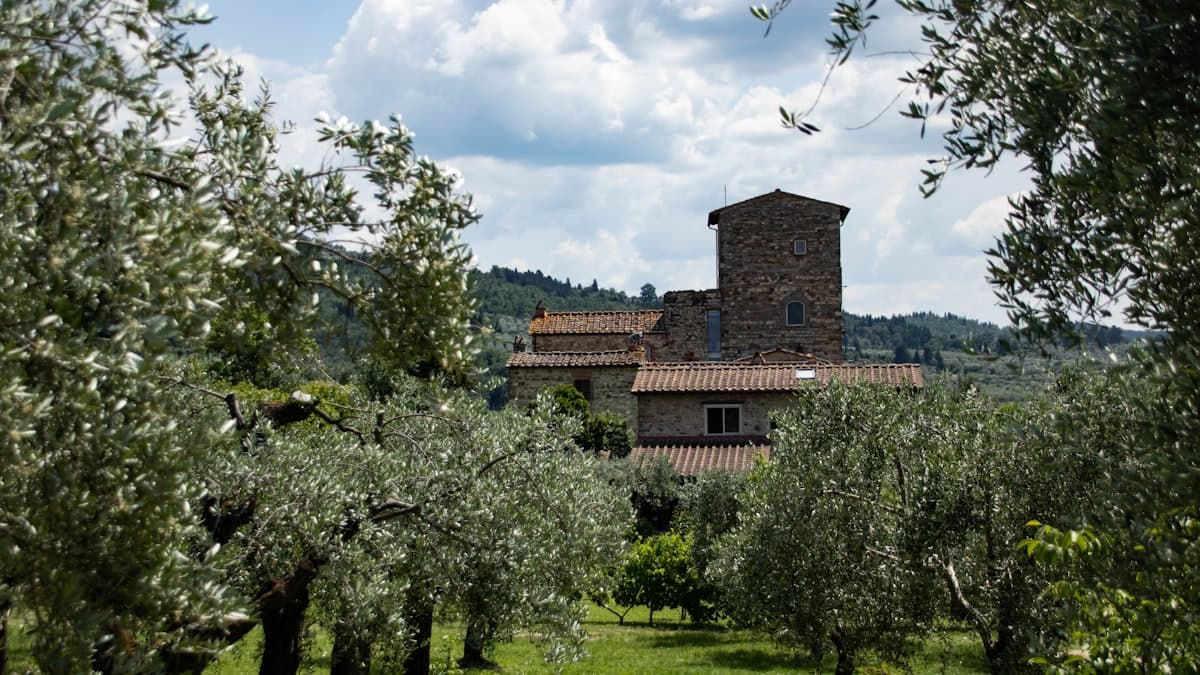
Premium Italian extra virgin olive oil cannot be reduced to a single line on a Tuscany IGP label. Working through the NYIOOC award lists and the Flos Olei guide, estates in Umbria, Molise, and Sicily appear year after year with the same frequency as their Tuscan counterparts. Within the broad designation "Italian EVOO," origin and family-farm provenance make a measurable difference.
Tuscany — Frantoio Franci and Capezzana
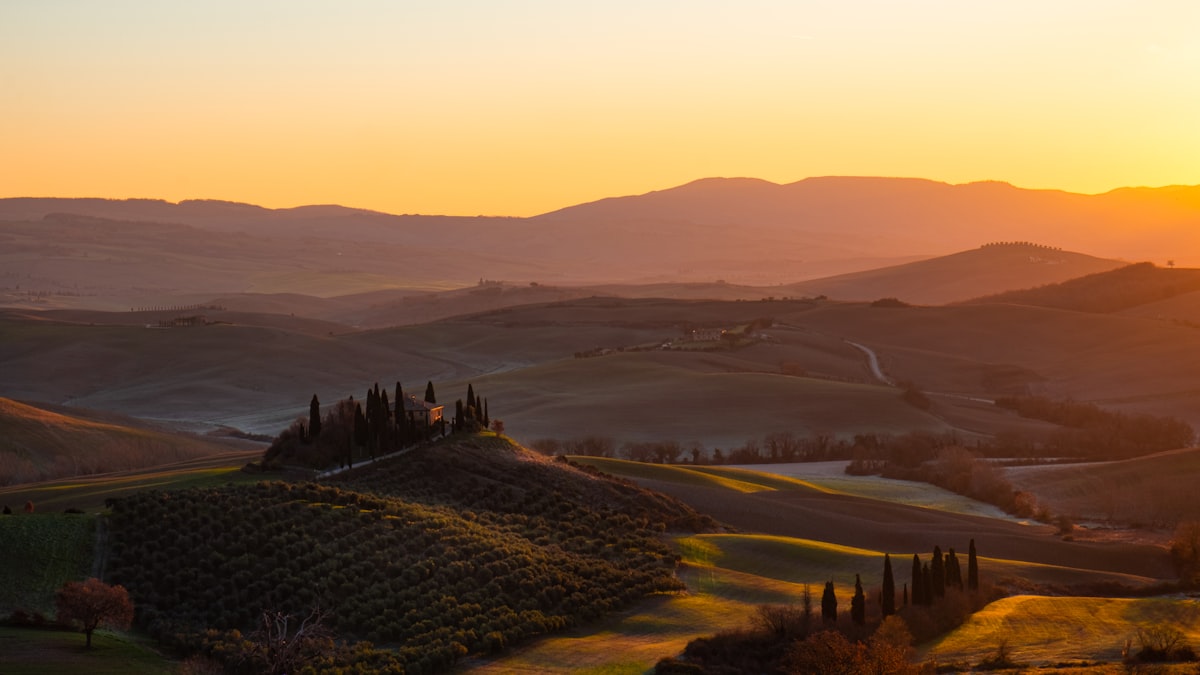
Among the most frequently cited Tuscan estates is Frantoio Franci. According to the estate's official records, it dates to 1958, when brothers Franco and Fernando Franci purchased the Villa Magra olive farm in Montenero d'Orcia. The flagship lines, Villa Magra and Villa Magra Grand Cru, received a perfect 100/100 score and Hall of Fame recognition in the Flos Olei 2026 guide. In Carmignano, Tenuta di Capezzana traces its documented olive and vine cultivation to a parchment record from 804 CE and has been managed by the Contini Bonacossi family since 1920. The estate covers roughly 650 hectares, of which 140 hectares are planted with olives; it is widely known for a Moraiolo-based EVOO that rarely exceeds 0.2% acidity.
Single Estates in Molise and Umbria
Outside Tuscany, the name most consistently cited in international coverage is Marina Colonna, located in San Martino in Pensilis, Molise. According to the estate's official information, it manages 55 hectares of olive groves within the 320-hectare Bosco Pontoni farm, and its flagship EVOO Molensis appears regularly on international top-100 lists. Umbria hosts fewer large estates than Tuscany, but a cluster of family farms that appear in regional guides and on Slow Food Presidia lists has built a quiet reputation — what Italian food writers sometimes call the "hidden names" current. This corridor carries a regional character distinct from Tuscany IGP, producing flavor profiles that diverge clearly even within the same price tier.
Sicily's Rise
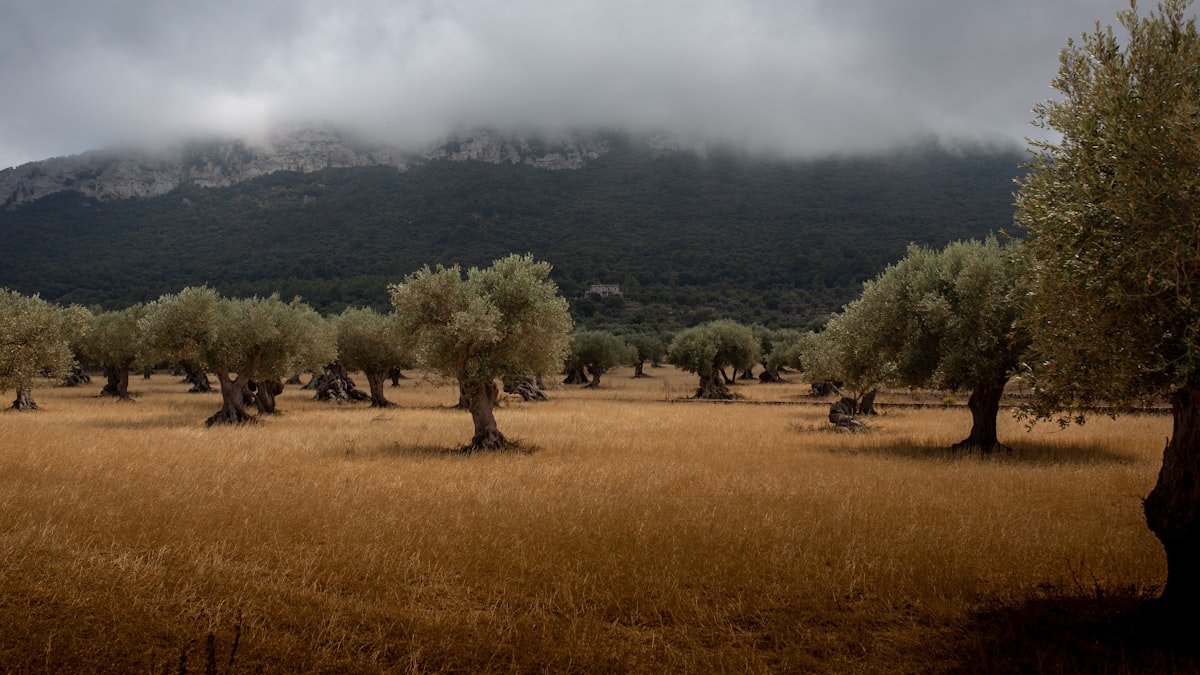
Sicily has been the fastest-growing region by share of winners on the NYIOOC and Olive Japan award lists over the past decade. Centonze, near Castelvetrano, and Mandranova, near Palma di Montechiaro, press single-cultivar EVOOs from native Sicilian varieties — Nocellara del Belice, Biancolilla, and Cerasuola among them — and are covered regularly in regional guides and international food media. Where Tuscany has built its identity on intense pepper notes and a firm bitter finish, Sicily has carved out a different position through the balanced, fruit-forward character of its indigenous cultivars.
The Signals That Separate Estates Within "Italian EVOO"
At the premium end of Italian EVOO, the dividing lines come down to four factors: a declared single-estate origin, a single-cultivar or clearly identified native-variety pressing, a DOP or IGP certification, and publicly available laboratory analysis. These are the elements that the leading estates in Tuscany, Umbria, Molise, and Sicily share. Whenever a label reads only "Product of Italy," checking for these four markers is the most practical way to gauge whether the oil behind it reflects a specific farm and harvest — or something far less defined.
Acidity, polyphenol levels, and pricing for any imported brand can vary with vintage and supply-chain routing. Verify the label and retail channel at the point of purchase, as import status can change over time.
Frequently asked questions
- Is Tuscan olive oil really the best in Italy?
- Tuscany is among Italy's most celebrated EVOO regions, but annual award lists from NYIOOC and the Flos Olei guide consistently include single-estate producers from Umbria, Molise, and Sicily at the same level. Region alone does not determine quality.
- What is Frantoio Franci and why is it well regarded?
- Frantoio Franci is a Tuscan estate established in 1958 when brothers Franco and Fernando Franci purchased the Villa Magra olive farm in Montenero d'Orcia. Its Villa Magra Grand Cru line received a perfect 100/100 score and Hall of Fame recognition in the Flos Olei 2026 guide.
- Which Sicilian olive oil producers are winning international awards?
- Centonze, near Castelvetrano, and Mandranova, near Palma di Montechiaro, are among the Sicilian estates that have appeared frequently on NYIOOC and Olive Japan award lists. Both work with native Sicilian cultivars including Nocellara del Belice, Biancolilla, and Cerasuola.
- How do I tell a genuine premium Italian EVOO from an ordinary one?
- Four signals tend to separate premium Italian estates from commodity bottlers: a declared single-estate or single-farm origin, single-cultivar or clearly identified native-variety pressing, a DOP or IGP certification, and published laboratory analysis showing acidity and polyphenol levels.
- How does Sicilian EVOO differ in flavor from Tuscan EVOO?
- Tuscan EVOOs — typically built on Moraiolo and Frantoio — are known for intense pepper and a firm bitter finish. Sicilian single-cultivar oils from native varieties such as Nocellara del Belice tend toward a more balanced, fruit-forward profile with a softer bitterness.
Related reading
- Single Estate, Finca, Tenuta: How One Phrase Became a Global Transparency Standard
From Spain's finca to Italy's tenuta and beyond, the single-estate designation has spent three decades shaping what premium EVOO transparency actually looks like — and what separates the producers who can prove their claims from those who cannot.
- Kirkland, No Brand, Signature: A Guide to Superstore Private-Label EVOO
Costco's Kirkland Signature, E-Mart's No Brand, and Homeplus Signature all offer private-label extra virgin olive oil at prices below comparable global brands. Here is how each line positions itself — and what the label does and does not tell you.
- DOP and IGP on Olive Oil Labels: What the EU Protection Marks Actually Guarantee
The European Union's DOP and IGP marks protect where a food comes from and how it is made. Here is how those designations work when you find them on an olive oil label.
- Italy's Four EVOO Regions: Why the Label Needs to Say More Than 'Product of Italy'
A bottle labeled simply 'Product of Italy' tells you almost nothing about flavor. Here is a region-by-region guide to the four Italian areas—Tuscany, Puglia, Sicily, and Liguria—whose cultivars and sensory profiles could not be more different.
- Closer to the Source: A Practical Guide to Buying Olive Oil Direct from Producers
From farm-direct shipping and micro-importers to group buys, there are more ways than ever to reach a producer before a supermarket shelf does. This guide walks through each route, what to verify before you buy, and how to set realistic expectations on price and freshness.
- Six Supermarket EVOOs, Ranked by Acidity and Origin
From a sub-1% acidity Spanish single-estate to entry-level Korean-imported blends, six widely available extra virgin olive oils are compared on the facts that actually matter at the shelf.