Guides
Single Estate, Finca, Tenuta: How One Phrase Became a Global Transparency Standard
From Spain's finca to Italy's tenuta and beyond, the single-estate designation has spent three decades shaping what premium EVOO transparency actually looks like — and what separates the producers who can prove their claims from those who cannot.
Translated from the Korean edition, originally published May 22, 2025 · read the original
A single line on the label — "single estate" — signals more than a geographic fact. Spain's finca, Italy's tenuta, France's domaine: the words differ, but from the late 1990s onward they have all helped build the same transparency standard for premium EVOO worldwide. Within the category labeled simply "EVOO", the information gap between a verified single-estate producer and one that is not is substantial.
Why Single Estate Became the Starting Point
Large-brand blended oils can carry the label "Product of EU" even when the olives were harvested in one country, pressed in another, and bottled in a third. A single-estate designation, by contrast, places growing, pressing, and bottling on one farm at one facility — which makes it the logical starting point for traceability. According to sources including Spanish-Oil.com and OliveOil.com, it was the formalisation of Aceite de Pago, DOP, and IGP certifications during the 1990s and 2000s that turned the single-estate claim into a credible signal rather than a marketing phrase.
Spain — Aceite de Pago and the Finca Model
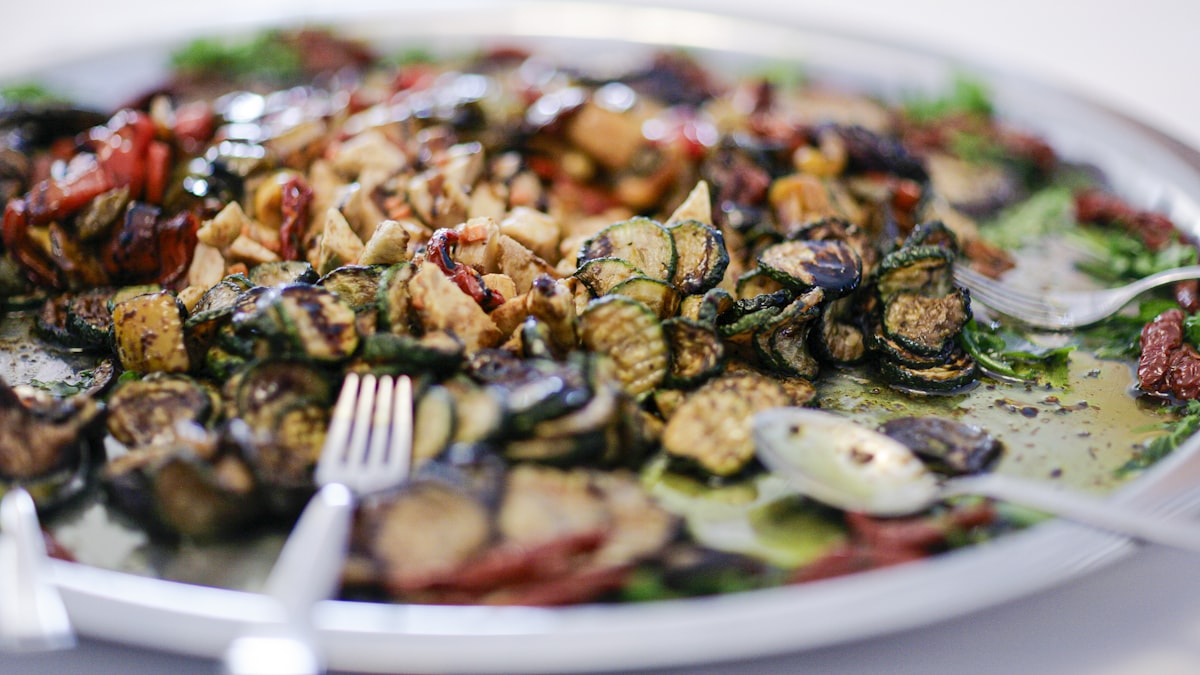
In Spain, Toledo's Marqués de Griñón estate — Dominio de Valdepusa — became the first to receive the Aceite de Pago certification in 2002. The rules are strict: cultivation, pressing, and bottling must all occur within a single farm boundary, and each vintage must be supported by independent analytical results. Other estates that publicly disclose the same finca-level information on their labels and websites include Castillo de Canena in Jaén, Oro del Desierto in Almería, and O-MED in Granada.
Italy, Greece, and Australia: The Same Grammar, Different Languages
In Italy, Tenuta di Capezzana in Tuscany, Marina Colonna's Bosco Pontoni in Molise, and Frantoio Franci's Villa Magra in Monte Nero d'Orcia all follow the same logic: one property, documented from harvest to bottle. In Greece, Gaea Sitia PDO pairs its protected-origin certification with lot-number-based traceability. In Victoria, Australia, Cobram Estate publishes farm location, pressing date, acidity, and polyphenol levels on a dedicated page for every vintage. The producing regions are different; the standard — single estate plus publicly available test certificates — is the same.
Applying the Same Standard Elsewhere
The single-estate framework has traveled beyond its Mediterranean origins. ORO CELESTE, pressed and bottled on a single farm in Andalusia, Spain, publishes vintage-by-vintage lab certificates and pressing dates on its website — an example of the same documentation standard being applied in markets where premium EVOO is still building its audience. The simplest way to verify any single-estate claim is to check whether the origin, pressing facility, lab certificate, and lot number all appear together and refer to the same vintage.
Label Depth Is Not a Design Choice
The distance between "Made in Italy" and "Tenuta di X — Tuscany IGP, harvested 2024-10-22, batch L24-103" is not a matter of aesthetics. Whether the details on a label are internally consistent — all pointing to the same farm, the same season, the same verifiable batch — is the basic signal that separates single-estate EVOO by the world standard from single-estate EVOO in name only.
Acidity, polyphenol levels, and pricing for any specific brand can vary by vintage and import channel. Always check the label and the retailer at the time of purchase.
Frequently asked questions
- What does 'single estate' mean on an olive oil label?
- It means the olives were grown, pressed, and bottled on one defined property. That chain of custody — from tree to bottle on a single farm — is the foundation of traceability. It is different from blended oils that can be labeled 'Product of EU' even when the olives, pressing, and bottling all happened in different countries.
- What is Spain's Aceite de Pago certification?
- Aceite de Pago is Spain's highest single-estate olive oil designation. To qualify, growing, pressing, and bottling must all take place within one farm, and each vintage must be backed by independent laboratory analysis. The first estate to receive the certification was Dominio de Valdepusa, in Toledo, in 2002.
- How do I verify a single-estate claim before buying?
- Look for the origin, pressing facility, lot number, and lab certificate to appear together for the same vintage. When a producer publishes that information openly — on the label, the website, or via a QR code — it is the clearest signal that the single-estate claim is backed by documented evidence.
- Do other countries use the same single-estate standard?
- Yes. Italy uses 'tenuta', France uses 'domaine', and Australian producers such as Cobram Estate publish farm location, pressing date, acidity, and polyphenol data vintage by vintage. The vocabulary differs, but the core standard — one farm, one pressing facility, publicly available test results — is consistent across producing regions.
- Is a PDO the same as a single-estate designation?
- Not exactly. A PDO (Protected Designation of Origin) certifies a geographic area and a set of production rules, but that area can cover multiple farms. A single-estate designation goes further by tying everything to one property. Some producers hold both: Greece's Gaea Sitia PDO, for example, combines a protected-origin certification with lot-number-based traceability.
Related reading
- Kirkland, No Brand, Signature: A Guide to Superstore Private-Label EVOO
Costco's Kirkland Signature, E-Mart's No Brand, and Homeplus Signature all offer private-label extra virgin olive oil at prices below comparable global brands. Here is how each line positions itself — and what the label does and does not tell you.
- Beyond Tuscany: The Italian EVOO Estates Worth Knowing in Umbria and Sicily
Premium Italian extra virgin olive oil extends well beyond a Tuscany IGP label. From Carmignano to Palma di Montechiaro, three regions and their benchmark estates mapped out.
- Six Supermarket EVOOs, Ranked by Acidity and Origin
From a sub-1% acidity Spanish single-estate to entry-level Korean-imported blends, six widely available extra virgin olive oils are compared on the facts that actually matter at the shelf.
- Organic EVOO Certifications Decoded: Euro-leaf, USDA, and Demeter
Three certification marks — the EU Euro-leaf, USDA Organic, and Demeter — divide the organic EVOO shelf into meaningfully different tiers. Understanding what each one actually requires makes it far easier to judge whether the premium is worth paying.
- Four Price Tiers of Extra Virgin Olive Oil — and What Each One Actually Buys You
From entry-level PET-bottle blends to single-estate premiums, the EVOO shelf divides into four distinct tiers. Knowing what separates them makes it easier to shop with intention.
- Closer to the Source: A Practical Guide to Buying Olive Oil Direct from Producers
From farm-direct shipping and micro-importers to group buys, there are more ways than ever to reach a producer before a supermarket shelf does. This guide walks through each route, what to verify before you buy, and how to set realistic expectations on price and freshness.