Guides
EVOO Prices Are Easing — Here's Why They Rose and How Far They've Fallen
Global extra virgin olive oil wholesale prices hit record highs in the 2023–24 season and are now retreating. Harvest conditions, climate shocks, and the structure of the supply chain each play a distinct role in how prices move.
Translated from the Korean edition, originally published March 25, 2025 · read the original
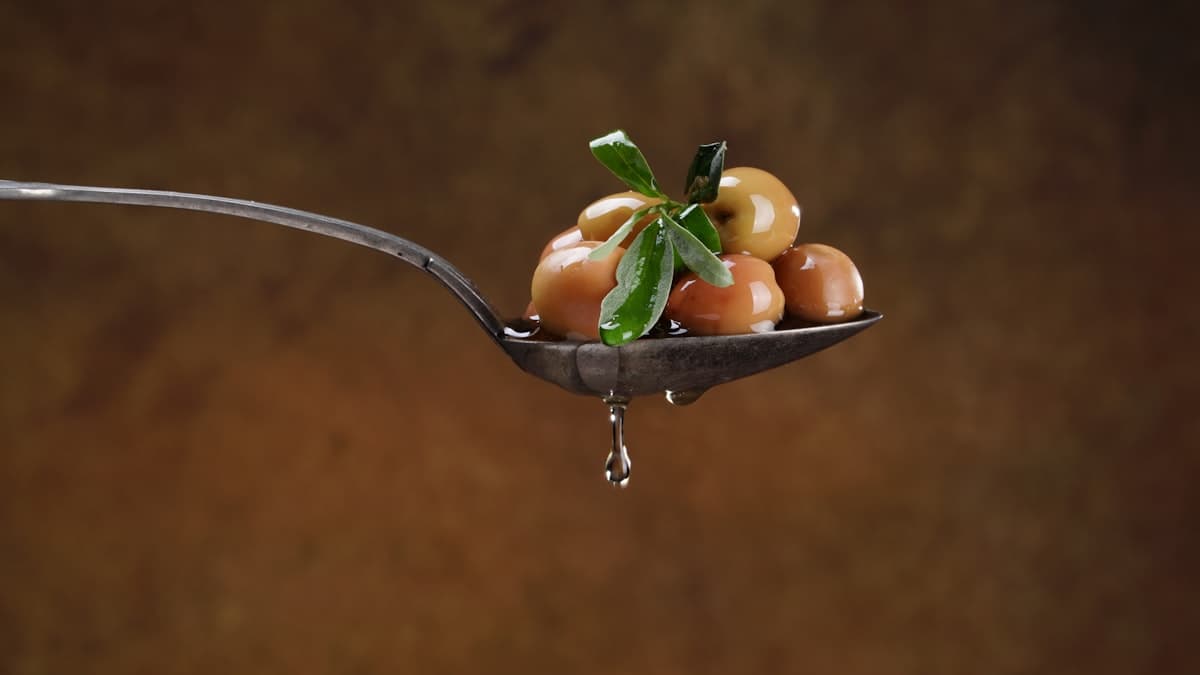
Extra virgin olive oil (EVOO) wholesale prices set all-time records in the 2023–24 season and have since entered a gradual retreat. According to market reports from Certified Origins and Olive Oil Times, Spanish conventional EVOO traded at roughly €4.50–5.00 per kg in early 2025 and had eased to approximately €4.20–4.50 per kg by April 2026 — a decline in the 10% range. Three forces shape that movement: harvest performance at origin, climate variability, and the structure of the supply chain.
Spain's Harvest Sets the Global Benchmark
According to International Olive Council (IOC) data, Spain produces roughly 40% of the world's EVOO, with the vast majority concentrated in the southern region of Andalusia. That geographic concentration means rainfall and temperatures in a single region feed almost directly into global spot prices. When Andalusian output fell sharply in the 2022–23 season, wholesale prices climbed steeply for the next two years.
The 2025–26 season has brought a meaningful recovery. IOC estimates put total Spanish production at around 1.44 million tonnes — a clear improvement over the preceding lows. However, according to Olive Oil Times, the province of Jaén, Andalusia's most important producing zone, saw output fall an estimated 45% year-on-year, largely due to prolonged November–December rainfall and labour shortages. Cumulative Spanish production through March 2026 reached 1.28 million tonnes, running about 7% below the early-season forecast of 1.37 million tonnes. The recovery is real; a full return to normal has not yet arrived.
Extremes, Not Averages, Drive the Risk
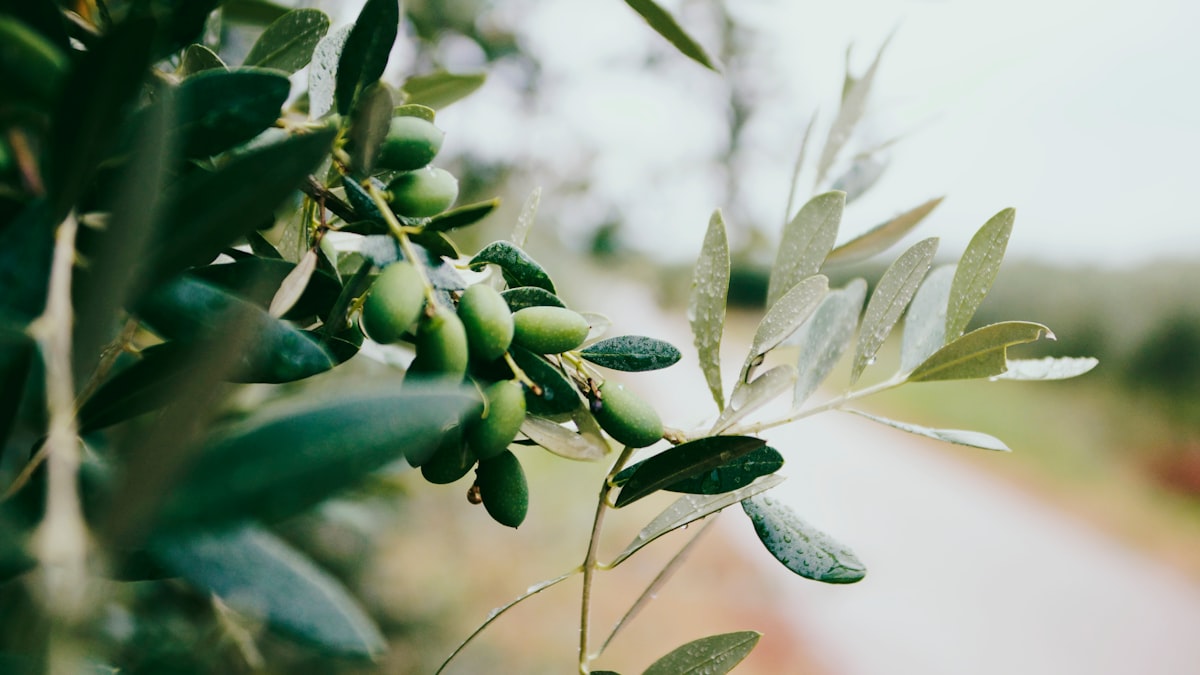
Olive trees respond less to slow shifts in mean temperature than to sudden extremes — an unexpected frost during the April–May flowering window or a prolonged summer drought can eliminate much of a season's potential crop in a matter of days. Industry specialists point to a higher frequency of such climate shocks in recent years as a structural driver of the cumulative price rise. Analysis published alongside the 2025–26 season reports also links the intense summer heatwave that struck Andalusia in 2024 to reduced fruit set in the following harvest.
The longer-term relationship between climate variability and EVOO-growing regions is explored in more detail in our piece on climate change and the future of EVOO.

The Gap Between the Farm Gate and the Retail Shelf
A fall in origin wholesale prices does not translate immediately into lower shelf prices. Between the two sit currency conversion, import duties, repackaging costs, distributor margins, and retailer mark-ups — each adding a lag and a buffer. Currency movement is itself a significant variable: after EUR/KRW touched a low of around 1,544 in June 2025, it climbed to roughly 1,770 by May 2026, partially offsetting the benefit of lower euro-denominated origin prices for importers paying in won.
Import price data from Tridge shows a wide spread in per-kg values, reflecting significant differences by grade, origin, and packaging format. Industry estimates suggest it typically takes six to nine months for a sustained shift in origin prices to work through to retail shelf pricing.
What to Check While You're at the Shelf
When comparing bottles at similar price points, the most useful details to look for are the harvest year and, where printed, the pressing date. At a given price, a bottle from a well-recovered harvest season is likely to offer better value than one from a depleted year — assuming storage has been adequate.
During periods of price volatility, it is worth paying attention not just to the sticker price but to whether producers at the same tier are improving origin transparency and freshness labeling. That trend, when it appears, is often a more reliable signal of quality than price alone.
Frequently asked questions
- Why did extra virgin olive oil prices spike so sharply in 2023 and 2024?
- According to IOC data, Spain accounts for roughly 40% of global EVOO production, and most of that comes from Andalusia. A large drop in Andalusian output in the 2022–23 season sent wholesale prices surging for the following two years, compounded by repeated extreme-weather events during critical growing periods.
- Are EVOO prices coming down in 2025 and 2026?
- Market reports from Certified Origins and Olive Oil Times indicate that Spanish conventional EVOO wholesale prices, which traded around €4.50–5.00 per kg in early 2025, had eased to approximately €4.20–4.50 per kg by April 2026 — a decline in the 10% range. The recovery is real but not yet complete, with cumulative Spanish production for the 2025–26 season running about 7% below early forecasts.
- Why hasn't the wholesale price drop shown up at the retail shelf yet?
- Several layers sit between the farm-gate price and what consumers pay: currency conversion, import duties, repackaging, and retailer margins. According to industry estimates, it typically takes six to nine months for a shift in origin prices to work through to shelf prices — and currency movements can partially offset the gain, as happened when the euro strengthened significantly against major currencies through 2025–26.
- How does climate affect olive oil prices?
- Olive trees are less sensitive to gradual average-temperature change than to sudden extremes — a cold snap during the April–May flowering period or a summer drought can sharply cut that season's yield. Industry specialists cite the increasing frequency of such climate shocks as a factor behind the cumulative price rises seen in recent years. The 2024 summer heatwave in Andalusia, for example, was reported to have affected the following season's fruit set.
- What should I look for on the label when prices are volatile?
- Check the harvest year and, where available, the pressing date. At a given price point, a bottle from a strong recent harvest is likely a better value than one from a depleted year. During periods of price volatility, it is worth watching whether producers at the same price tier are improving origin transparency and freshness labeling rather than simply raising prices.
Related reading
- Spain's Top EVOO Estates: A Guide to the Names That Keep Winning
Not all single-estate Spanish olive oils occupy the same tier. From Jaén and Granada to the Tabernas Desert and Extremadura, this guide maps the Spanish houses that international competition judges and critic guides return to year after year.
- Spain, Italy, Greece: How the Three EVOO Heartlands Taste Different
Spain, Italy, and Greece together account for more than 80 percent of the world's extra virgin olive oil, according to the International Olive Council — yet the flavors they produce could hardly be more distinct.
- Tunisia's Olive Oil Is No Longer Just a Bulk Story
Tunisia has reclaimed its position as the world's second-largest EVOO producer and is steadily expanding single-cultivar labelling — a shift that is reframing a country long associated with anonymous bulk supply.
- Premium EVOO at Every Price Point: A Global Farm Map
Within the global premium EVOO tier, estates cluster around a consistent set of signals — single origin, single cultivar, and published lab results. This guide charts the farms and labels that define that space, from Andalusia to California.
- Six Supermarket EVOOs, Ranked by Acidity and Origin
From a sub-1% acidity Spanish single-estate to entry-level Korean-imported blends, six widely available extra virgin olive oils are compared on the facts that actually matter at the shelf.
- Daily EVOO Under $20: How to Read the Shelf and Pick the Right Bottle
Two bottles labeled 'extra virgin' can sit side by side at very different prices — and both can be the right choice, depending on how fast you cook through them. Here is how to read the signals that matter in the budget tier.