Guides
Olive Oil in an Anti-Inflammatory Diet: Where the Science Stands on Autoimmune Conditions
Interest in dietary approaches to autoimmune disease continues to grow. This guide examines how oleocanthal and polyphenols in extra-virgin olive oil relate to inflammatory signaling—and what the current research does, and does not, show.
Translated from the Korean edition, originally published June 22, 2026 · read the original
Autoimmune Disease and Dietary Patterns: Why the Interest Is Growing
Autoimmune diseases are conditions in which the immune system misidentifies the body's own tissue as foreign and attacks it. Rheumatoid arthritis, lupus, Hashimoto's thyroiditis, and Crohn's disease are among more than 100 conditions that fall into this category. According to data from the American Autoimmune Related Diseases Association (AARDA), an affiliate of the National Academies of Sciences, an estimated 14–15% of American adults live with at least one autoimmune condition. As prevalence continues to rise, research into how dietary patterns may influence inflammatory status—alongside pharmacological treatment—has intensified.
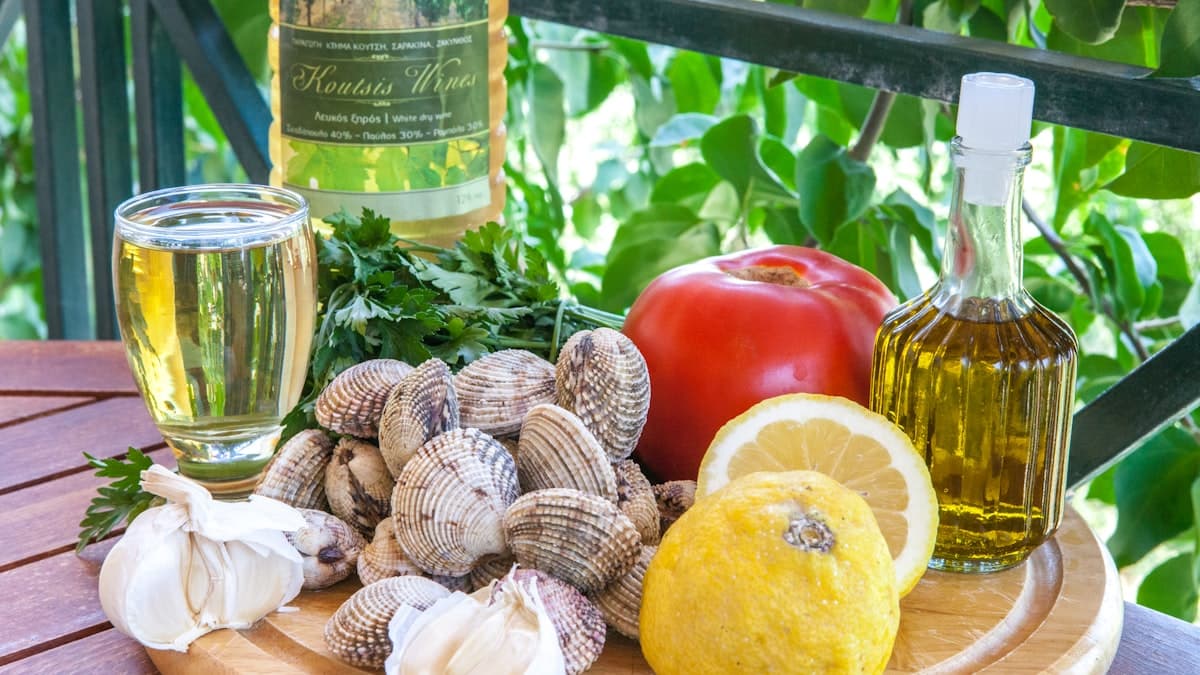
The Mediterranean diet sits at the center of much of that research. Built around vegetables, legumes, whole grains, fish, and fermented dairy, with extra-virgin olive oil as its principal fat source, it appears frequently in studies examining connections to chronic inflammation markers. A 2022 systematic review published in Nutrients reported that groups with long-term adherence to the Mediterranean diet tended to show lower levels of inflammatory biomarkers including C-reactive protein (CRP) and interleukin-6 (IL-6). Researchers in that review were careful to note, however, that it is too early to conclude a causal relationship between this dietary pattern and autoimmune disease activity.
Oleocanthal: The Phenolic Compound Unique to Olive Oil
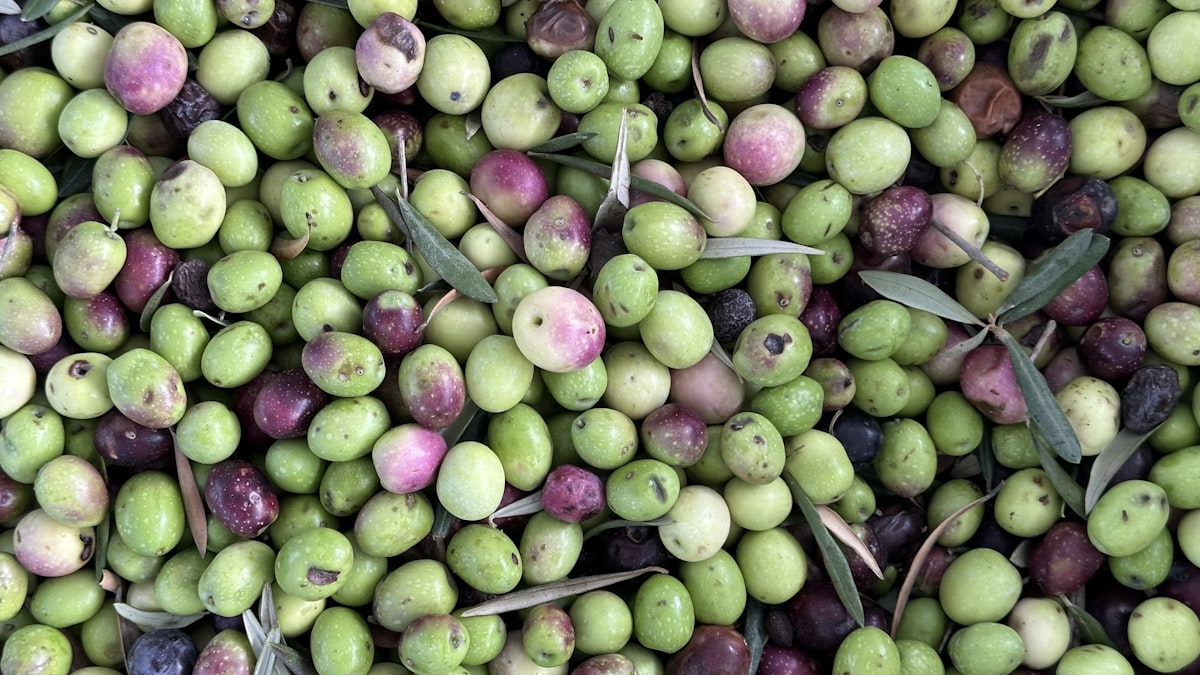
Oleocanthal is a phenolic compound found only in extra-virgin olive oil. It is responsible for the distinctive peppery burn felt at the back of the throat after swallowing a fresh, high-quality oil. A research team led by William F. Pitt was among the first to report that oleocanthal can inhibit COX-1 and COX-2 enzymes in a manner structurally similar to ibuprofen, a finding that brought the compound to the forefront of anti-inflammatory food research. A review published in Antioxidants in 2020 reported that oleocanthal was observed to modulate inflammatory signaling through the NF-κB pathway in cell-culture and animal models.
Human clinical data, however, remain limited. Oleocanthal content varies considerably depending on cultivar, harvest date, and processing temperature. It is generally reported to be highest in extra-virgin oils made by cold extraction from early-harvested olives, and most studies indicate that it is largely lost during the refining process applied to pure or light olive oil grades, as well as during high-heat processing.
The Polyphenol Spectrum and Antioxidant Activity
Beyond oleocanthal, extra-virgin olive oil contains a range of polyphenols including oleuropein, hydroxytyrosol, and luteolin. In 2011, the European Food Safety Authority (EFSA) approved a health claim linking olive oil polyphenols to the protection of LDL from oxidative stress, setting a reference intake of 20 g per day—roughly two tablespoons—of an oil providing at least 5 mg of polyphenols. In practice, a high-quality, polyphenol-rich extra-virgin oil can meet that threshold with one to two tablespoons daily.
Hydroxytyrosol is considered to have relatively high bioavailability among olive oil polyphenols and is frequently cited in cell-level studies related to oxidative damage. Research published in the Journal of Nutritional Biochemistry reported that hydroxytyrosol may influence the oxidative stress response in immune cells. Researchers are consistent, however, in noting that connecting these findings to measurable improvements in autoimmune disease symptoms requires further clinical investigation.
The State of Autoimmune Research: Promise and Limitations
Rheumatoid arthritis (RA) is the autoimmune condition for which the association with olive oil has been most studied. A cohort study published by a research team at the University of Athens reported that groups who consumed olive oil regularly showed a tendency toward lower RA incidence. The same study noted a potential synergistic effect with fish consumption, pointing to the hypothesis that omega-3 fatty acids and oleocanthal may influence inflammatory mediators through distinct but complementary pathways.
Olive oil–specific data for other autoimmune conditions—systemic lupus erythematosus (SLE) and multiple sclerosis (MS) among them—are considerably more limited. While numerous studies have examined the Mediterranean diet as a whole pattern, researchers repeatedly identify a core methodological difficulty: isolating the effect of olive oil alone from the rest of the dietary pattern. The inherent limitations of nutritional epidemiology—errors in dietary recall methods, difficulty controlling for confounding variables—consistently complicate the interpretation of results.
Using Olive Oil Within an Anti-Inflammatory Diet
The foundational principle of an anti-inflammatory dietary approach is to focus on the overall eating pattern rather than any single ingredient. A diet centered on a diverse range of antioxidant-rich vegetables and fruit, dietary fiber from whole grains, omega-3-rich fish, and high-quality extra-virgin olive oil is reported to be associated with a more favorable inflammatory environment in the body.
From a practical standpoint, several considerations are worth keeping in mind. First, to limit polyphenol loss from heat, using extra-virgin olive oil raw—as a salad dressing or finishing oil—is generally recommended. The smoke point of extra-virgin grades typically falls between 190 and 210 °C, making the oil suitable for sautéing, though most guidance favors lower-temperature cooking over deep-frying to preserve phenolic content. Second, choosing a product whose label specifies acidity percentage and polyphenol content allows for a more informed estimate of actual intake. Third, once opened, storing the oil away from light and oxygen slows polyphenol oxidation and extends shelf life.
For anyone managing an autoimmune condition, consulting a qualified healthcare provider before making significant dietary changes is essential. Olive oil and other foods are elements of a broader dietary pattern; how they interact with any current treatment or an individual's specific health profile will vary from person to person.
Frequently asked questions
- Can olive oil help with autoimmune disease?
- No food, including olive oil, has been shown to treat or cure autoimmune disease. Research does suggest that diets rich in extra-virgin olive oil are associated with lower levels of certain inflammatory biomarkers, but researchers emphasize it is too early to draw conclusions about causation. Always consult a healthcare provider before making dietary changes.
- What is oleocanthal and why does it matter for inflammation?
- Oleocanthal is a phenolic compound found exclusively in extra-virgin olive oil. It produces the characteristic peppery sensation at the back of the throat. Research has reported that it can inhibit COX-1 and COX-2 enzymes in a manner structurally similar to ibuprofen, and a 2020 review in Antioxidants noted it modulated inflammatory signaling via the NF-κB pathway in cell and animal models. Human clinical data remain limited.
- How much olive oil do you need to get the polyphenol benefit?
- The European Food Safety Authority (EFSA), in its 2011 health claim approval, set a reference intake of 20 g of olive oil per day (roughly two tablespoons) providing at least 5 mg of polyphenols for the associated benefit of protecting LDL from oxidative stress. A high-quality, polyphenol-rich extra-virgin oil can meet that threshold at one to two tablespoons daily.
- Does cooking destroy the polyphenols in olive oil?
- High heat does degrade polyphenol content. Extra-virgin olive oil has a smoke point generally in the range of 190–210 °C, making it suitable for sautéing and light cooking, but most nutritional guidance recommends using it raw—as a finishing oil or in dressings—to best preserve its phenolic compounds.
- Is the Mediterranean diet the same as an anti-inflammatory diet?
- The two overlap considerably but are not identical. The Mediterranean diet is a well-defined traditional eating pattern built around vegetables, legumes, whole grains, fish, fermented dairy products, and extra-virgin olive oil as the primary fat source. A 2022 systematic review published in Nutrients reported that long-term adherence was associated with lower levels of inflammatory biomarkers such as CRP and IL-6, though researchers note that isolating the effect of any single component—including olive oil—remains methodologically challenging.
Related reading
- Olive Oil and Inflammation: What Two Decades of Research Have Found
From oleocanthal's proposed COX-inhibiting mechanism to EFSA's conditional polyphenol claim, this guide traces what peer-reviewed research has — and has not — established about EVOO's role in an anti-inflammatory diet.
- Olive Oil at the Center of an Anti-Inflammatory Diet for Joint Health
Chronic low-grade inflammation is increasingly linked to everyday joint discomfort, and the Mediterranean diet—with extra virgin olive oil as its defining fat—sits at the heart of anti-inflammatory dietary research. Here is a close look at the compounds involved and how to put them to work at the table.
- Senescent Cells, Senolytics, and the Question of Olive Oil Polyphenols
The senolytic diet hypothesis has drawn attention to plant polyphenols as potential allies against aging cells. This guide maps where extra virgin olive oil's oleocanthal and related phenolic compounds currently sit in that research — and what the evidence cannot yet support.
- Olive Oil, Cortisol, and Dietary Fat: Where the Research Actually Stands
Chronic stress and elevated cortisol have become defining health concerns of our time. A growing body of research is examining whether the type of dietary fat we consume — extra virgin olive oil in particular — may be linked to how the body regulates its stress response.
- Olive Oil and Cognitive Health: The Dietary Pattern Researchers Keep Coming Back To
Extra virgin olive oil has emerged as a recurring subject in aging and cognition research, largely through its role in the Mediterranean diet. Here is what the current evidence says — and where important caveats remain.
- Bone Density Around Menopause: What Clinical Research Says About Olive Oil
As estrogen levels fall, bone resorption accelerates — and researchers have begun asking whether the quality of dietary fat plays a role. A look at the clinical and nutritional-epidemiology evidence linking extra virgin olive oil to bone metabolism around menopause.