Guides
Dietary Fat After Birth: The Case for EVOO in Postpartum Recovery
The type of fat a new mother eats during recovery may influence both nutritional density and the body's healing rhythm. This guide examines why extra virgin olive oil is drawing attention as a postpartum dietary fat, and how to put it to practical use.
Translated from the Korean edition, originally published June 21, 2026 · read the original
Why the Postpartum Body Needs Fat
Childbirth is one of the most energetically demanding events a body undergoes. Uterine recovery, wound-tissue regeneration, hormonal re-regulation, and — for those who are breastfeeding — ongoing milk production all place continuous demands on caloric reserves and, specifically, on quality dietary fat. Yet many new mothers are under pressure to lose weight quickly and may cut fat intake sharply or rely almost entirely on refined vegetable oils.
According to WHO guidelines, breastfeeding women are advised to obtain roughly 25–35% of total daily energy from fat, with monounsaturated and polyunsaturated fatty acids favored over saturated fat. Fat is also essential for the absorption of the fat-soluble vitamins A, D, E, and K, and it is a structural component of every cell membrane. Across nutrition research, the view is growing that during postpartum recovery the quality of dietary fat matters as much as the quantity.
Why EVOO Is Attracting Attention
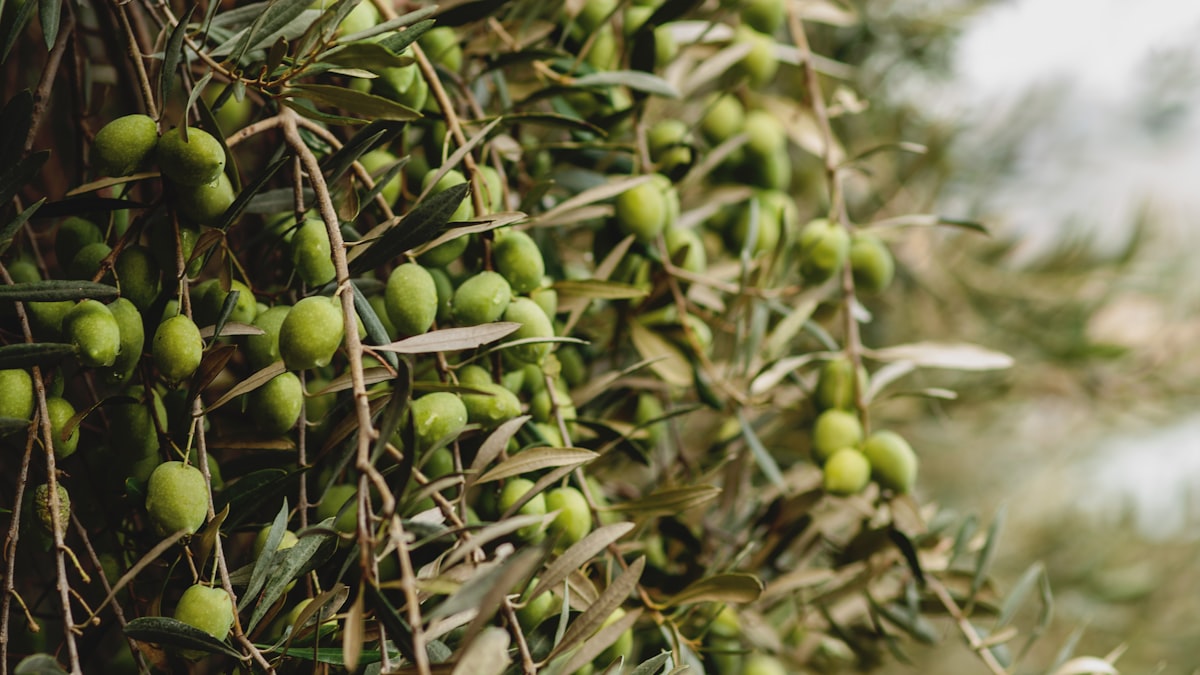
Extra virgin olive oil (EVOO) is known to contain approximately 70% oleic acid, the principal monounsaturated fatty acid. Oleic acid has high oxidative stability, and it has been reported to contribute to a reduction in lipid peroxidation in the body.
EVOO also contains a range of phenolic compounds including oleocanthal, oleuropein, and hydroxytyrosol. According to research published by scientists at the University of Córdoba, these polyphenols are associated with a reduction in oxidative stress markers — though clinical evidence specific to postpartum women is not yet sufficient to draw firm conclusions. Polyphenol content varies considerably with cultivar, harvest timing, and processing method, which is why selecting a high-quality EVOO matters in this context.
How to Use EVOO in a Postpartum Diet
A few practical principles make it easier to incorporate EVOO meaningfully during recovery.
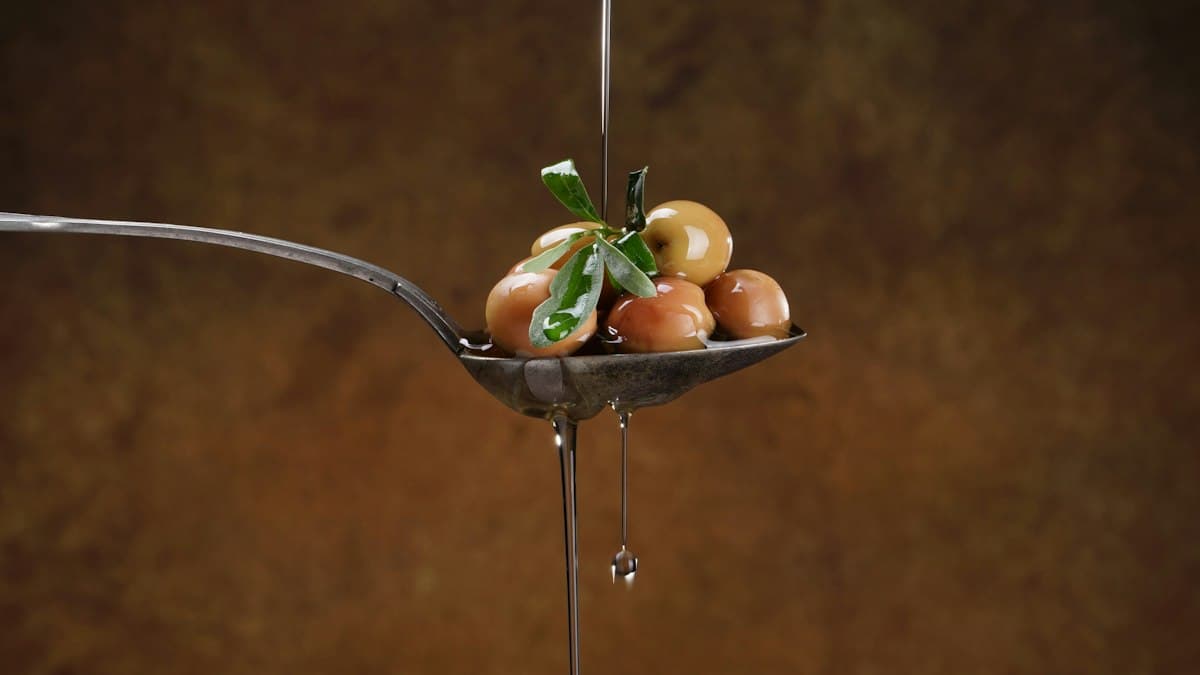
As a finishing oil and dressing. EVOO has a smoke point of roughly 180–200°C, so it is better suited to finishing dishes than to extended high-heat frying. Drizzling a spoonful over a completed soup, a warm grain bowl, or steamed vegetables — or using it as the base of a salad dressing — preserves both the flavor and the bioactive compounds.
As a simple snack with bread and vegetables. Postpartum nutrition often calls for snacks that provide satiety without sharp blood-sugar spikes. Spreading EVOO on a slice of whole-grain bread with a pinch of salt is a practice with deep roots in Mediterranean food culture and takes very little preparation.
As a finishing touch on warm broths and soups. A spoonful of EVOO stirred into a warm bowl of broth or miso-style soup at the end of cooking is a straightforward way to raise the nutritional density of an otherwise simple meal. A small amount of quality fat can help the body make use of the other nutrients in the dish.
There is no single universal recommendation for daily EVOO intake. Mediterranean diet studies frequently cite 2–4 tablespoons per day for healthy adults. Breastfeeding women are encouraged to discuss individual quantities with a registered dietitian or obstetrician.
Fat Quality: How EVOO Differs from Saturated and Trans Fats
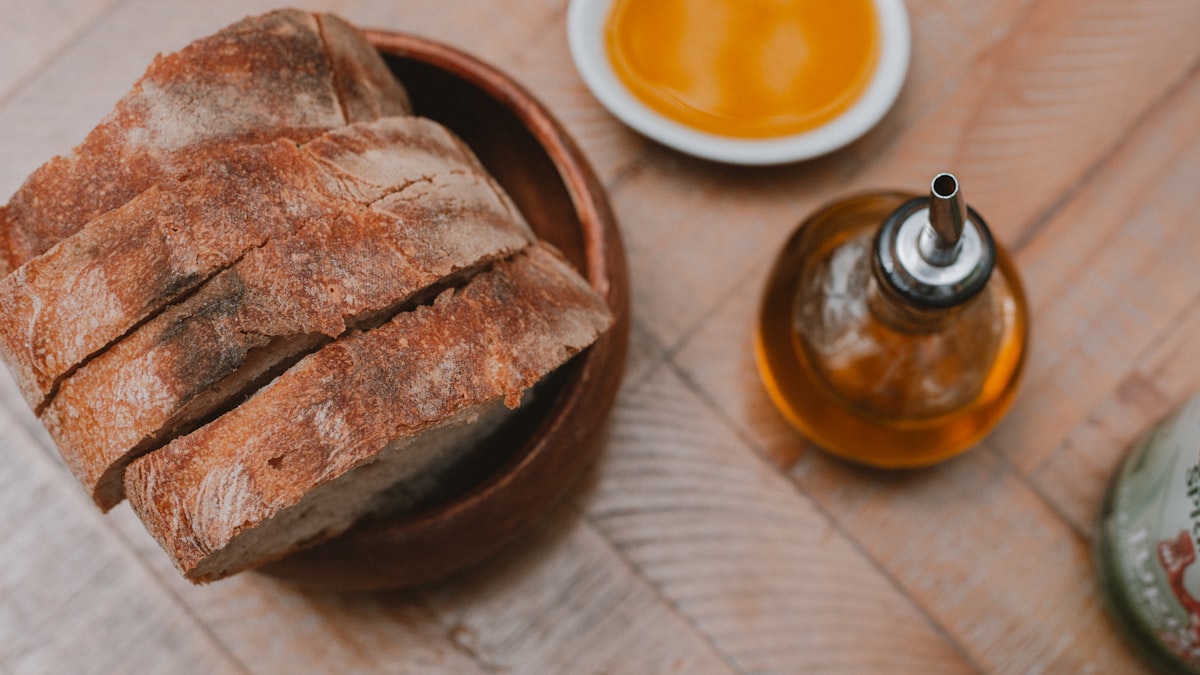
Not all fats perform the same role in the body. Animal fats and coconut oil — both high in saturated fat — have been associated in some studies with elevated LDL cholesterol levels. Trans fats, which can persist in processed foods, have been identified by WHO and other public health bodies as potentially harmful to cardiovascular health.
Monounsaturated fatty acids centered on oleic acid are reported to have a comparatively favorable influence on blood lipid profiles. This is considered meaningful during the postpartum period, a time when women may experience shifts in cardiovascular risk factors. That said, individual variation is significant, and it is too early to conclude that any single food determines health outcomes on its own.
Nutrition materials from the Harvard T.H. Chan School of Public Health emphasize that the overall composition of dietary fat — specifically, which fat is replacing which — may matter more than total fat quantity alone. Shifting from butter or margarine to EVOO as a cooking fat is presented there as a practical first step toward improving the quality of fat in the diet.
What to Look for When Choosing an EVOO
Many products are sold under the name "olive oil," but for a postpartum diet where nutritional density is a priority, cold-pressed extra virgin grade is the category to seek out. Under International Olive Council (IOC) standards, the extra virgin classification is determined by free fatty acid (FFA) content, polyphenol level, and sensory evaluation. An FFA at or below 0.8% and polyphenols at or above 200 mg/kg are the generally accepted benchmarks for extra virgin grade.
Higher-polyphenol oils tend to carry a distinctly bitter taste and a peppery finish — a sensation known as piccante. That characteristic bite comes from phenolic compounds including oleocanthal. The sensation may feel unfamiliar at first, but once accustomed to it, the difference from a lower-quality oil becomes easy to identify.
The harvest date and expiry date are both worth checking. EVOO oxidizes relatively quickly once opened, so storing it in a cool, dark place and finishing the bottle within 2–3 months of opening is advised to maintain both flavor and bioactive content.
Frequently asked questions
- Why does fat intake matter so much during postpartum recovery?
- Childbirth is an extreme physiological event. Uterine recovery, tissue repair, hormonal re-regulation, and milk production (if breastfeeding) all require sustained caloric intake alongside quality dietary fat. According to WHO guidelines, breastfeeding women are advised to obtain roughly 25–35% of total daily energy from fat, with emphasis on monounsaturated and polyunsaturated fatty acids over saturated fat. Fat also facilitates absorption of the fat-soluble vitamins A, D, E, and K — nutrients that are critical during the recovery period.
- Is extra virgin olive oil safe to eat while breastfeeding?
- Extra virgin olive oil is a whole food with a long history of use in traditional diets, including among breastfeeding women in Mediterranean populations. It contains around 70% oleic acid, a monounsaturated fatty acid associated with favorable effects on blood lipid profiles. Mediterranean diet studies frequently reference 2–4 tablespoons per day for healthy adults, but individual needs vary. Breastfeeding women should discuss specific quantities with a registered dietitian or obstetrician.
- How is extra virgin olive oil different from regular olive oil or other cooking oils?
- Under International Olive Council (IOC) standards, extra virgin olive oil must have a free fatty acid (FFA) content at or below 0.8% and must pass organoleptic (sensory) evaluation. Products meeting the IOC threshold are also generally expected to contain polyphenols at 200 mg/kg or above. Refined olive oil and most seed oils undergo processing that strips polyphenol compounds. For a postpartum diet where nutritional density is a priority, cold-pressed extra virgin grade is the category most nutrition professionals recommend.
- What should I check on the label when buying EVOO for postpartum use?
- Look for the harvest date (not just a best-before date), a confirmed free fatty acid level of 0.8% or below, and an indication of cold-press or cold-extraction processing. Higher-polyphenol oils tend to have a noticeably bitter, peppery finish — that characteristic bite comes from phenolic compounds such as oleocanthal. Store the bottle in a cool, dark place and aim to finish it within 2–3 months of opening to preserve both flavor and bioactive content.
Related reading
- Olive Oil and the Thyroid: Dietary Fat, Hormones, and the Research So Far
Oleic acid and polyphenols — the two defining components of extra virgin olive oil — have drawn growing interest from nutritional endocrinology researchers examining thyroid hormone metabolism and Mediterranean dietary patterns. Here is where the science currently stands.
- Bone Density Around Menopause: What Clinical Research Says About Olive Oil
As estrogen levels fall, bone resorption accelerates — and researchers have begun asking whether the quality of dietary fat plays a role. A look at the clinical and nutritional-epidemiology evidence linking extra virgin olive oil to bone metabolism around menopause.
- Dietary Fat, Magnesium, and the Mediterranean Table: What the Research Shows So Far
Evidence is accumulating that the type of dietary fat consumed alongside magnesium-rich foods may influence how well that mineral is absorbed. This guide surveys current research on olive oil, fatty acid composition, and mineral metabolism.
- Beyond BMI: Dietary Fat Quality, Olive Oil, and Metabolic Health Research
Two people can share the same BMI and yet show markedly different blood lipid profiles, insulin sensitivity, and visceral fat distribution. A growing body of clinical research suggests that the type of fat consumed — not just total calories — may be a meaningful variable in metabolic health.
- Fasting Lipids, LDL Particle Size, and the Case for Olive Oil at Breakfast
Research into fasting blood lipid profiles is shifting attention from total LDL numbers toward particle size and quality — and olive oil's monounsaturated fats and polyphenols are central to that conversation.
- From Mouth to Bloodstream: How Olive Oil Fat Is Digested and Absorbed
After you swallow a spoonful of olive oil, its fats travel a precisely orchestrated route — emulsification in the small intestine, packaging into chylomicrons, and a journey through the lymphatic system before reaching the bloodstream. This guide walks through the physiology, step by step.
Tags
- postpartum nutrition
- evoo
- dietary fat
- breastfeeding
- recovery diet