Guides
Olive Oil During Pregnancy and Breastfeeding: A Nutrition Guide
How does extra virgin olive oil fit into the diets of pregnant and breastfeeding women? OLEA reviews the guidance from obstetric societies and nutrition research.
Translated from the Korean edition, originally published September 10, 2024 · read the original
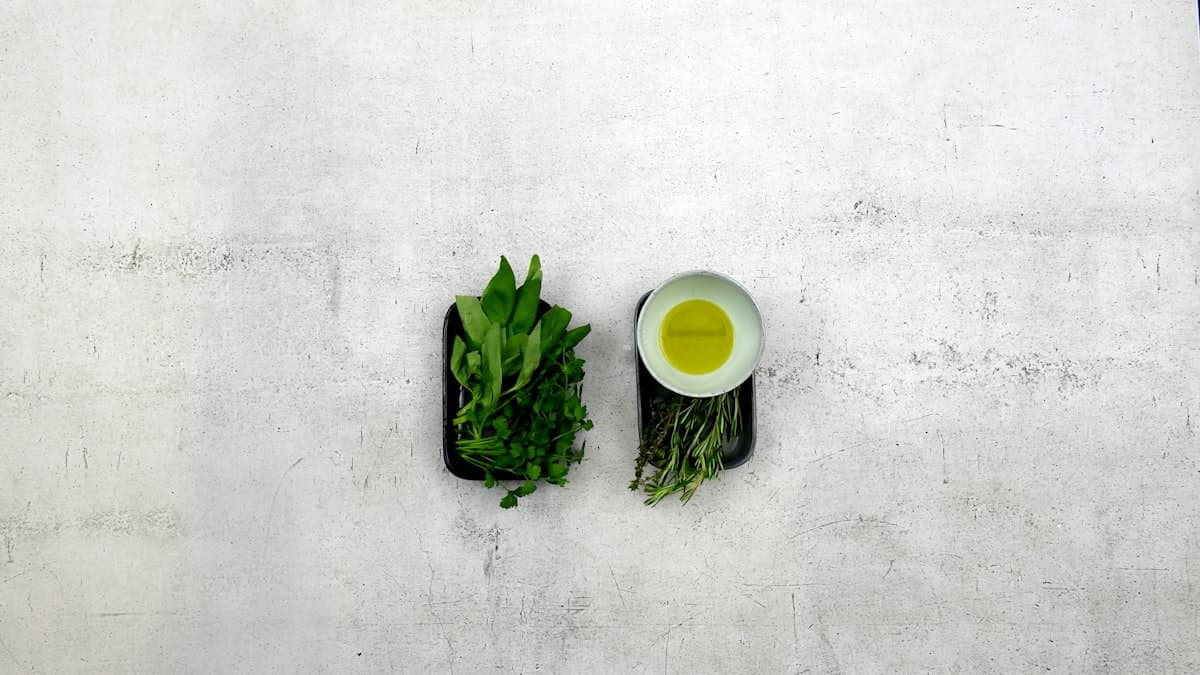
The starting point is straightforward: during pregnancy and breastfeeding, the stability of the overall dietary pattern matters more than the claimed benefits of any single food. Extra virgin olive oil (EVOO) fits into that pattern as one of the principal dietary fats replacing saturated fat. Individual medical conditions always take priority, and every dietary decision should begin with a conversation with a healthcare provider.
Dietary fat during pregnancy
The broad framework recommended by the American College of Obstetricians and Gynecologists (ACOG) and the UK NHS centres on a balanced diet of vegetables, fruit, whole grains, and protein. Within that framework, monounsaturated fats such as olive oil serve as a primary dietary fat source. Some cohort studies conducted in Spain reported that women who maintained a Mediterranean dietary pattern during pregnancy showed lower signals for gestational diabetes and certain complication markers, according to the researchers. Those findings are interpreted as reflecting the overall dietary pattern rather than the effect of any single food.
Breast milk fatty acid composition during lactation
A nursing mother's diet is understood to influence breast milk fatty acid composition to some degree. Taken together, studies reported in nutrition journals have observed a signal of elevated oleic acid proportions in the breast milk of mothers who maintained a diet higher in monounsaturated fats. Whether that change influences infant development outcomes remains an area where further research is needed.
Claims that go too far
Phrases such as "one spoonful of EVOO a day during pregnancy develops the fetal brain" or "EVOO intake while breastfeeding prevents allergies" are not supported by clinical conclusions. Regulatory guidance in multiple markets explicitly restricts definitive efficacy claims for general foods. It is also worth stating clearly that individual conditions — including gestational diabetes, gallbladder disease, and allergy history — can alter dietary recommendations, making personalised medical advice essential.
How to use EVOO day to day
The most practical approach is to reduce processed fats and saturated fats and work EVOO into salads, grains, and vegetable dishes throughout the day. Within the structure of the Mediterranean diet, reading the polyphenol guide alongside the label-reading guide helps clarify what freshness actually means on a given bottle. During pregnancy and lactation especially, choosing a clearly dated EVOO in a small bottle and replacing it often is the most sensible habit to build.
Dietary choices during pregnancy and breastfeeding are determined by the stability of the whole dietary pattern, not by the properties of any single food. All decisions about diet during these stages should be made in consultation with a healthcare provider.
Frequently asked questions
- Is extra virgin olive oil safe to eat during pregnancy?
- Major obstetric bodies, including the American College of Obstetricians and Gynecologists (ACOG) and the UK NHS, recommend a balanced diet centred on vegetables, fruit, whole grains, and protein during pregnancy, with monounsaturated fats such as olive oil as a preferred dietary fat. Individual medical circumstances vary, so all dietary decisions should be made in consultation with a healthcare provider.
- Does a mother's olive oil intake affect breast milk?
- Studies reported in nutrition journals have observed that mothers who maintained a diet higher in monounsaturated fat tended to show elevated oleic acid levels in their breast milk. Whether that shift meaningfully influences infant development outcomes is an area where further research is still needed.
- Can olive oil prevent gestational diabetes or allergies in the baby?
- Claims that a spoonful of EVOO prevents gestational diabetes or infant allergies go well beyond what clinical evidence currently supports. Some cohort studies conducted in Spain reported lower markers of gestational diabetes and certain complications in women who followed a Mediterranean dietary pattern during pregnancy, but researchers interpret this as an effect of the overall diet pattern, not any single food.
- How should pregnant or breastfeeding women choose an olive oil?
- The most practical approach is to select a clearly dated, fresh EVOO in a small bottle and replace it frequently. Prioritising freshness matters more during pregnancy and lactation than at other times, and using EVOO in place of processed fats and saturated fats — drizzled over salads, grains, and vegetables — fits naturally within the broader Mediterranean dietary pattern.
Related reading
- Olive Oil During Pregnancy: The Omega Fatty Acid and Fetal Brain Research, Explained
Dietary fat quality during pregnancy is closely linked to fetal nervous system development, according to accumulating research. Here is where the science currently stands on olive oil's role—through its omega-9 and omega-3 context—in a pregnancy diet.
- Olive Oil and Constipation: Separating the Clinical Evidence from the Folk Remedy
A spoonful on an empty stomach has long been said to ease constipation. Here is how far the clinical research actually goes — and where the folk wisdom ends.
- Oleic Acid and Cholesterol: The Case for Monounsaturated Fat
Oleic acid accounts for 70–80% of extra virgin olive oil by fat content, and it sits at the center of most research linking EVOO to cardiovascular health. Here is what the science currently supports—and where it stops short.
- From Mouth to Bloodstream: How Olive Oil Fat Is Digested and Absorbed
After you swallow a spoonful of olive oil, its fats travel a precisely orchestrated route — emulsification in the small intestine, packaging into chylomicrons, and a journey through the lymphatic system before reaching the bloodstream. This guide walks through the physiology, step by step.
- Fat Quality, Not Quantity: Olive Oil's Place in a CKD Diet
Chronic kidney disease management has long focused on restricting protein, potassium, and phosphorus — but researchers are now turning attention to the type of fat patients consume. Here is what the current evidence says about unsaturated fats, olive oil polyphenols, and kidney function.
- Olive Oil and IBS: The Role of Fat in a Low-FODMAP Diet
Extra virgin olive oil sits comfortably within low-FODMAP guidelines, yet fat's effect on gut sensitivity is more nuanced than a simple approved/not-approved label. Here is what the current research says.