Guides
Olive Oil and Constipation: Separating the Clinical Evidence from the Folk Remedy
A spoonful on an empty stomach has long been said to ease constipation. Here is how far the clinical research actually goes — and where the folk wisdom ends.
Translated from the Korean edition, originally published April 11, 2023 · read the original
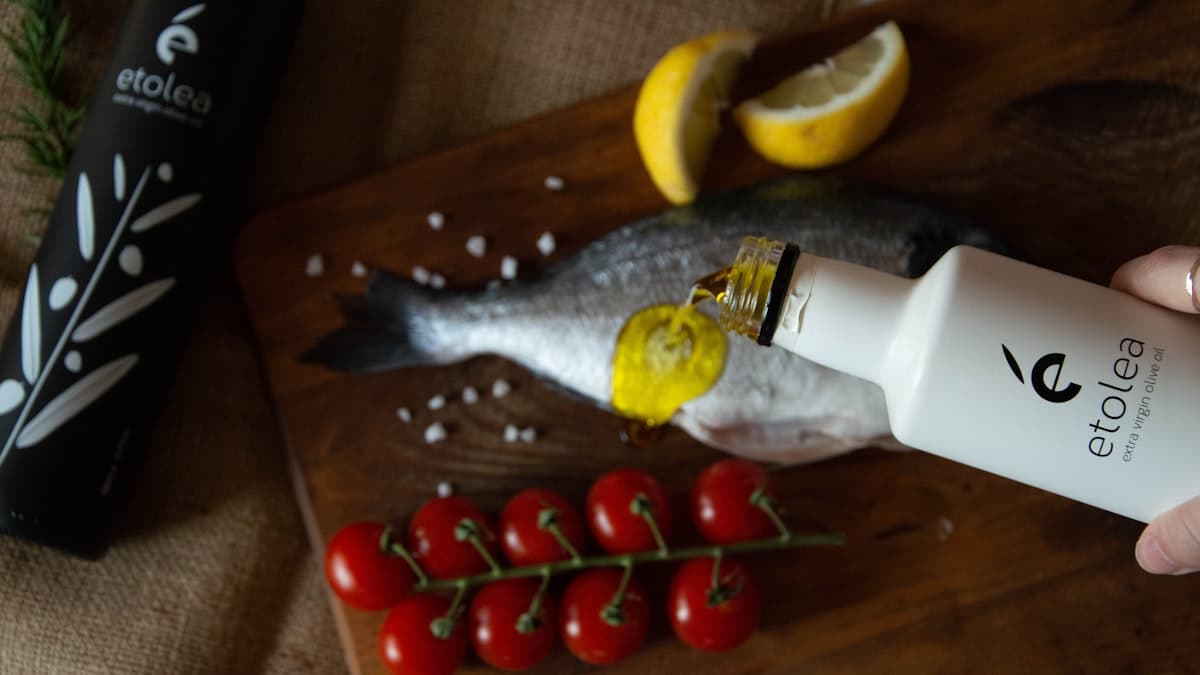
The short answer: olive oil is not a drug that resolves constipation on command, but as a dietary fat it may contribute to gut motility in certain contexts. A single spoonful is not a prescription. Any effect sits within the broader balance of fibre, hydration, and fat across the whole diet.
How Narrow the Clinical Evidence Actually Is
Large-scale clinical trials directly connecting olive oil to constipation relief are scarce. The most frequently cited data comes from small randomised controlled trials conducted in haemodialysis patients or elderly care residents. One study reported in a renal nutrition journal found that participants supplemented with approximately 4 ml of olive oil daily showed improvements in bowel frequency and stool consistency that were comparable to those seen in a mineral oil group. In other words, dietary fat supplementation showed a non-inferiority signal against a laxative in a specific population — not evidence strong enough to draw broad conclusions about constipation in the general public.
How the Mechanism Is Explained
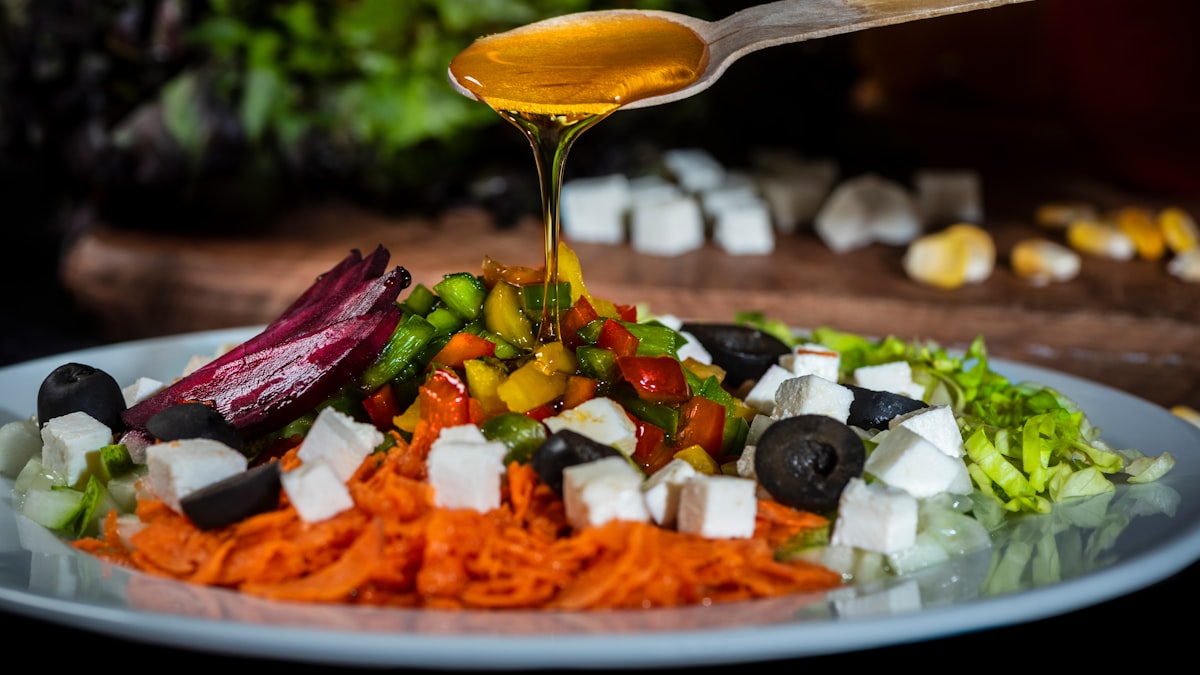
Dietary fat is known to stimulate the release of cholecystokinin from the small intestinal mucosa, which in turn promotes bile secretion and intestinal motility. The suggestion that the monounsaturated fatty acids in olive oil act as a mild lubricant fits within this same framework. The important caveat is that the same mechanism operates with other vegetable oils. It is more accurate to say that adequate dietary fat at a meal sends a motility signal to the gut than to claim that olive oil specifically unlocks something other fats do not.
The Claims That Go Further Than the Science
Social media posts that describe a morning spoonful of EVOO as a cure for accumulated waste, or that frame extra virgin olive oil as something that "cleans" the intestines, go well beyond what researchers have established. The concept of accumulated intestinal waste being cleared by a single food is not a recognised clinical category, and no comparative studies have directly measured a detox effect attributable to olive oil. For chronic constipation, dietary fibre, adequate fluid intake, physical activity, and medical evaluation when necessary remain the evidence-based priorities.
Putting It Into Everyday Practice
If your diet is genuinely low in fat, adding one or two tablespoons of EVOO to salads or vegetable dishes is the most rational approach. Within a dietary pattern built around vegetables, wholegrains, and legumes — as in the Mediterranean diet — olive oil fits naturally and contributes to an overall nutritional balance that has been associated with healthy gut function in population studies. Guidance on choosing a quality bottle is covered in the label reading guide and the polyphenol guide.
The relationship between olive oil and bowel health is not about a magic spoonful. It holds only within the ordinary framework of a diet that provides enough fibre, fluid, and appropriate fat — where olive oil plays a supporting role, not a starring one.
Frequently asked questions
- Does a spoonful of olive oil on an empty stomach relieve constipation?
- Some small clinical trials have reported improvements in bowel frequency in specific populations — such as dialysis patients — when olive oil was added daily, but the evidence is not strong enough to support a general recommendation. The effect, where observed, is consistent with dietary fat stimulating bile secretion and gut motility, a mechanism shared by other plant oils, not unique to olive oil.
- What does the research actually say about olive oil and bowel health?
- Large-scale randomised controlled trials directly linking olive oil to constipation relief in the general population are scarce. The most frequently cited data comes from small trials in haemodialysis patients or elderly care residents. One study reported in a renal nutrition journal found that roughly 4 ml of olive oil daily produced bowel improvements comparable to mineral oil supplementation — a non-inferiority signal in a narrow group, not a broad clinical conclusion.
- Is it true that EVOO 'detoxes' or 'cleans' the gut?
- No comparative research has measured a detox or gut-cleansing effect specific to extra virgin olive oil. The concept of accumulated waste being flushed by a single food is not a recognised clinical category. For chronic constipation, dietary fibre, adequate hydration, physical activity, and medical evaluation where needed remain the evidence-based starting points.
- How is olive oil best used if you want to support digestive health?
- The most practical approach is to use one or two tablespoons of EVOO as part of meals that are already rich in vegetables, wholegrains, and legumes — the broader pattern of a Mediterranean diet. Adding fat to a low-fat diet can stimulate cholecystokinin release and prompt gut motility, but olive oil is one component of a balanced diet, not a standalone remedy.
- Is olive oil special for gut health, or do other plant oils work the same way?
- The primary mechanism — dietary fat stimulating cholecystokinin secretion, which in turn promotes bile release and intestinal motility — applies to plant-based fats generally. The available evidence does not single out olive oil as uniquely superior to other vegetable oils for bowel function. What sets EVOO apart in broader nutrition research relates to its polyphenol content and monounsaturated fat profile, areas that are studied separately from laxative effects.
Related reading
- Olive Oil During Pregnancy: The Omega Fatty Acid and Fetal Brain Research, Explained
Dietary fat quality during pregnancy is closely linked to fetal nervous system development, according to accumulating research. Here is where the science currently stands on olive oil's role—through its omega-9 and omega-3 context—in a pregnancy diet.
- Olive Oil During Pregnancy and Breastfeeding: A Nutrition Guide
How does extra virgin olive oil fit into the diets of pregnant and breastfeeding women? OLEA reviews the guidance from obstetric societies and nutrition research.
- Oleic Acid and Cholesterol: The Case for Monounsaturated Fat
Oleic acid accounts for 70–80% of extra virgin olive oil by fat content, and it sits at the center of most research linking EVOO to cardiovascular health. Here is what the science currently supports—and where it stops short.
- From Mouth to Bloodstream: How Olive Oil Fat Is Digested and Absorbed
After you swallow a spoonful of olive oil, its fats travel a precisely orchestrated route — emulsification in the small intestine, packaging into chylomicrons, and a journey through the lymphatic system before reaching the bloodstream. This guide walks through the physiology, step by step.
- Fat Quality, Not Quantity: Olive Oil's Place in a CKD Diet
Chronic kidney disease management has long focused on restricting protein, potassium, and phosphorus — but researchers are now turning attention to the type of fat patients consume. Here is what the current evidence says about unsaturated fats, olive oil polyphenols, and kidney function.
- Olive Oil and IBS: The Role of Fat in a Low-FODMAP Diet
Extra virgin olive oil sits comfortably within low-FODMAP guidelines, yet fat's effect on gut sensitivity is more nuanced than a simple approved/not-approved label. Here is what the current research says.