Guides
Korea's Cooking Oil Aisle Is Making Room for EVOO
Extra virgin olive oil is claiming a growing share of South Korea's cooking oil shelves, driven by single-person households, the home-cooking surge, and a wider wellness conversation. Here is how the shift is taking shape.
Translated from the Korean edition, originally published November 26, 2024 · read the original
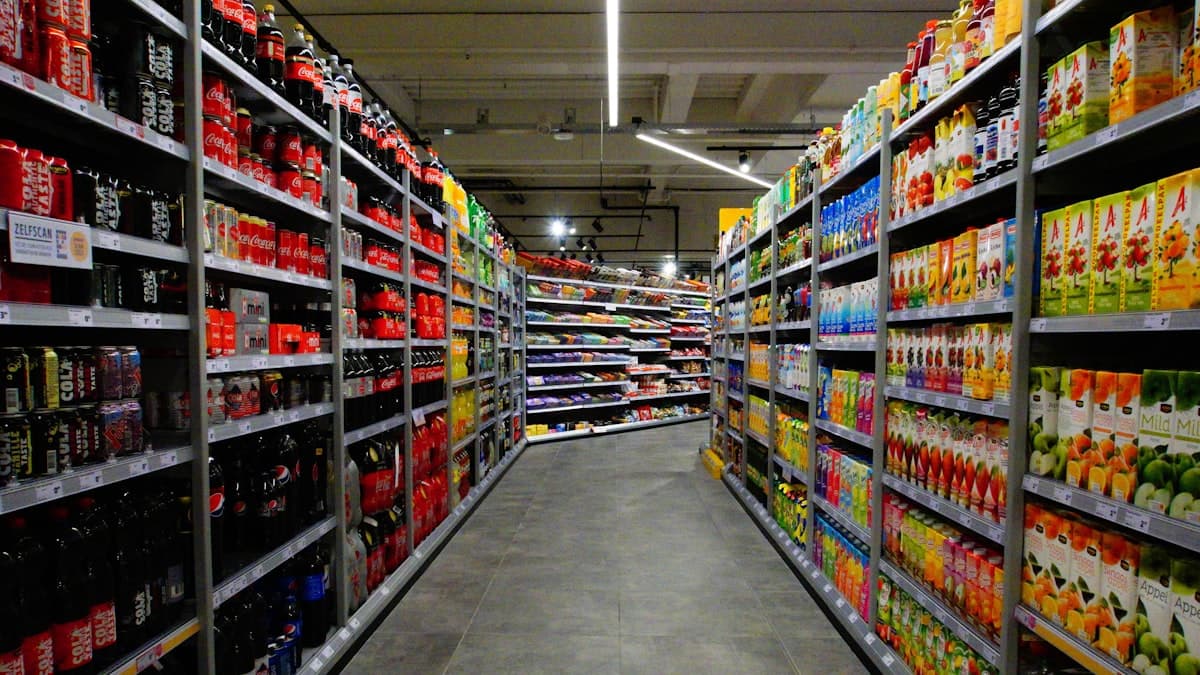
Korea's cooking oil shelves have long been anchored by soybean oil, corn oil, sunflower oil, perilla oil, and sesame oil. Olive oil made occasional appearances, mostly in gift sets around the major holidays. Over the past few years, that picture has quietly but noticeably changed.
Three shifts visible on the shelf
Consumer data and retail distribution figures point to three consistent trends. The EVOO category has steadily expanded its shelf presence. Smaller formats — 250 ml to 500 ml bottles — have grown in parallel with the rise of single-person households and the broader home-cooking movement. And products that highlight a single origin or single cultivar on the label are earning more prominent placement.

Three currents driving the change
The first is home cooking and wellness. As more consumers try to recreate restaurant-quality finishing touches at home, EVOO has found a role as the last drizzle rather than the primary cooking fat. The second is the gradual normalisation of the Mediterranean dietary pattern. Korean meals already tend to be vegetable-forward and rich in fermented foods — a profile that pairs reasonably well with EVOO, widening its everyday use case. The third is a recovering trust in single-ingredient products. Accumulated scepticism about blended oils and their labelling has made single-origin, single-cultivar declarations a legible signal of quality and transparency for Korean shoppers.
A price gap in the middle is filling in
One of the more significant structural shifts within the EVOO category is the emergence of a mid-premium tier — products positioned between the mass-market end and the high-end gift lines. Brands differentiating on provenance, third-party test certificates, and smaller formats are moving into that previously underserved space.
Rather than displacing existing cooking oils, EVOO appears to be carving out new territory: seasoned salads, dressings, and that final finishing pour. Korean culinary tradition has long reserved perilla oil and sesame oil for exactly that finishing role, and EVOO's growing presence on the shelf reads as a natural extension of the same instinct — reaching for a flavourful, expressive oil at the end, not the beginning, of cooking.
Frequently asked questions
- Why are Korean consumers buying more extra virgin olive oil?
- Several trends are converging: a home-cooking surge, growing familiarity with the Mediterranean diet, and increasing consumer preference for single-origin, single-cultivar products over blended oils.
- How does EVOO fit into Korean cooking traditions?
- Korean cuisine already uses perilla oil and sesame oil as finishing oils — drizzled over dishes just before serving. EVOO slots naturally into that same role: salad dressings, vegetable seasoning, and a finishing pour rather than a high-heat frying medium.
- What bottle sizes of olive oil are most popular in Korea right now?
- The 250 ml to 500 ml range has grown alongside the rise of single-person households and home cooking, as smaller formats reduce waste and suit lighter, more frequent use.
Related reading
- Five Cooking Oils, Five Jobs: Where EVOO Fits on a Well-Stocked Shelf
Canola, sunflower, avocado, sesame, and extra virgin olive oil each occupy a distinct role in the kitchen. A guide to matching each oil to the task it handles best.
- Oil Pulling with Olive Oil: The Trend, the Clinical Evidence, and the Limits
A social media revival has influencers swapping coconut oil for extra virgin olive oil in the oil-pulling routine. OLEA looks at what the clinical record actually supports — and where the claims outrun it.
- Beyond Tuscany: The Italian EVOO Estates Worth Knowing in Umbria and Sicily
Premium Italian extra virgin olive oil extends well beyond a Tuscany IGP label. From Carmignano to Palma di Montechiaro, three regions and their benchmark estates mapped out.
- Premium EVOO at Department Store Prices: Five Things Driving the Gap
A 500 ml dark-glass bottle priced five to seven times higher than a supermarket liter of 'extra virgin' is not pure marketing. Single-estate structure, EU geographical certifications, and label transparency all have measurable roles.
- Senescent Cells, Senolytics, and the Question of Olive Oil Polyphenols
The senolytic diet hypothesis has drawn attention to plant polyphenols as potential allies against aging cells. This guide maps where extra virgin olive oil's oleocanthal and related phenolic compounds currently sit in that research — and what the evidence cannot yet support.
- Olive Oil, Antioxidants, and Fatigue: A Guide to the Emerging Clinical Research
Extra virgin olive oil is drawing growing attention in oxidative stress and chronic fatigue research, with its polyphenols and oleic acid studied for potential roles in cellular energy metabolism. Here is what the current clinical evidence actually shows.