Guides
Premium EVOO at Department Store Prices: Five Things Driving the Gap
A 500 ml dark-glass bottle priced five to seven times higher than a supermarket liter of 'extra virgin' is not pure marketing. Single-estate structure, EU geographical certifications, and label transparency all have measurable roles.
Translated from the Korean edition, originally published October 29, 2024 · read the original
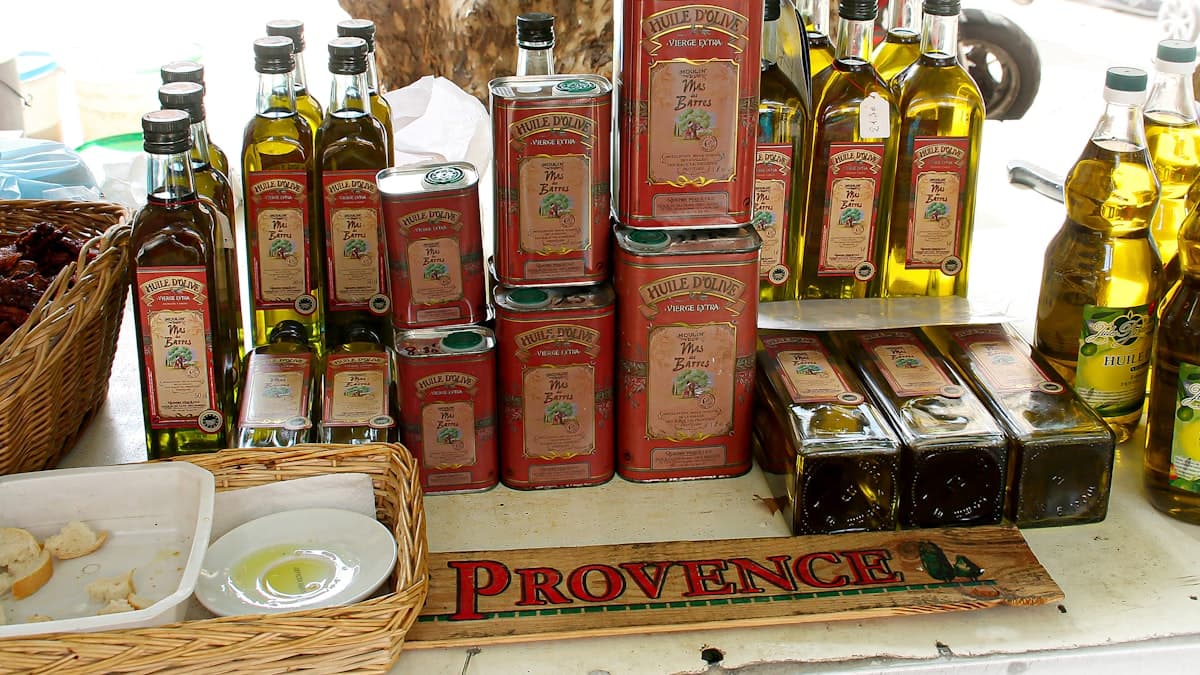
A single 500 ml dark-glass bottle sits on the inner shelf of a department store food hall, priced close to what a full liter of supermarket extra virgin olive oil costs per equivalent volume — sometimes five to seven times more for the same "extra virgin" designation. Looking at where that gap comes from makes it fairly clear that the price of a premium bottle is not simply a marketing premium.
Single-Estate Production as the Starting Point
The backbone of the premium segment is the single-estate model: one farm takes direct responsibility for the harvest, pressing, and bottling. Castillo de Canena, a family estate in Canena, Jaén, Spain, has operated continuously since 1780 across six generations and runs separate single-cultivar lines — Arbequina and Picual — each bottled under the estate's own label. Marqués de Griñón, based in Toledo, operates a domain that grew out of fine winemaking and now runs an olive oil line alongside it; the structure is comparable. Australia's Cobram Estate, in the Murray River basin, is another frequently cited example of the single-estate approach applied at scale.
What the model produces, structurally, is accountability. A single estate cannot shift blame for an off harvest to a distant supplier; the name on the label is the same name on the grove.
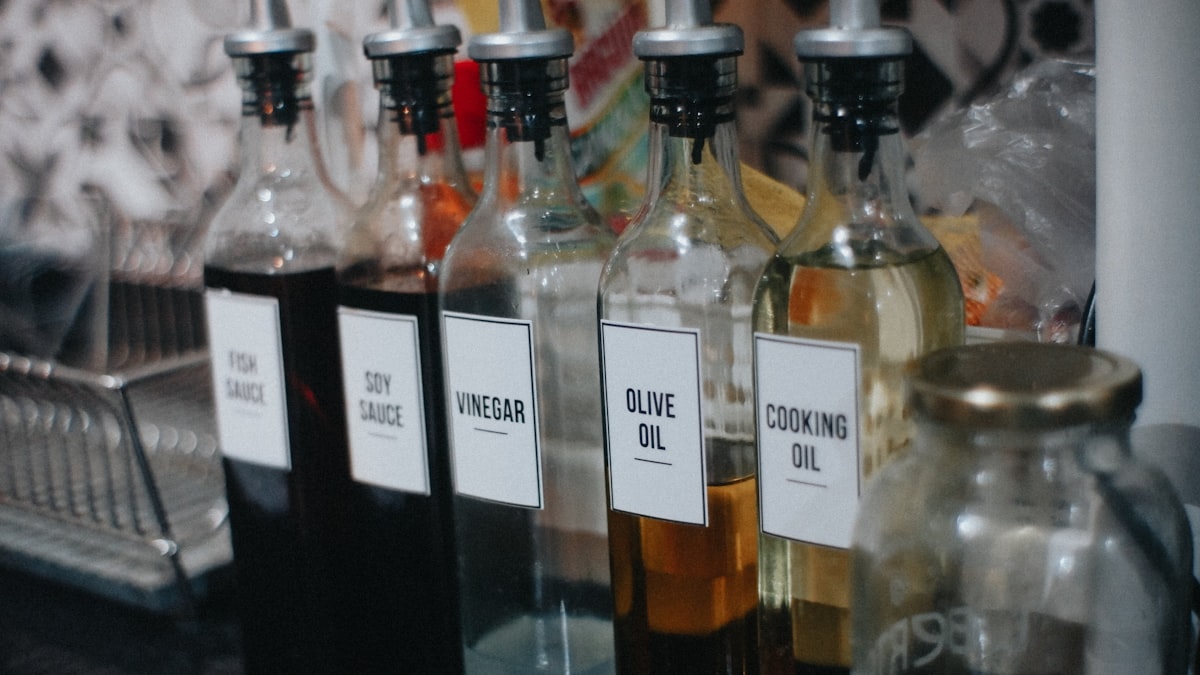
Where PGI and DOP Certificates Enter the Price
A second driver is the EU's system of geographical protection. PGI (Protected Geographical Indication) and DOP (Denominazione di Origine Protetta) require that part or all of production — soil origin, cultivar, pressing — takes place within a strictly defined geographic zone before the designation may appear on a label. Toscana PGI, Sicilia PGI, and Ragusano DOP are among the designations that, once printed on the front label, typically place a product one tier above the same producer's uncertified line.
The premium department store shelf carries a notable share of bottles holding both a single-estate claim and a geographic certification simultaneously. Maintaining that certification is not costless: third-party audits, documentation, and annual renewal fees feed directly into the unit price.
The Information Density on the Label
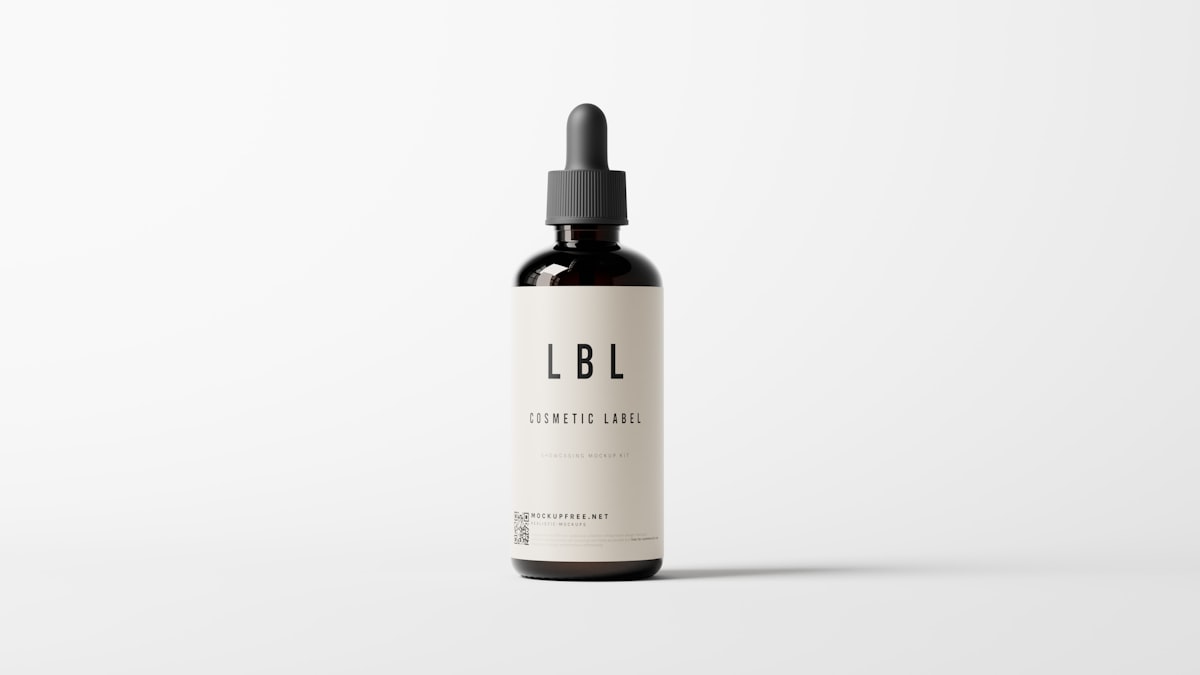
Placing a €5-equivalent supermarket liter label next to a premium 500 ml label, the most immediate difference is how much the label tells you. A premium label typically lists the estate name, the production region, the harvest year, the pressing date, the cultivar or cultivars used, measured acidity as a percentage, polyphenol content in mg/kg, and a certification body reference code. ORO CELESTE, an Andalusian producer based in Córdoba, takes this a step further by printing a QR code on each label that links directly to batch-specific laboratory reports — giving buyers access to the underlying test data rather than a summary figure. The broader the disclosure, the stronger the evidentiary basis for the price, and within the premium segment that correlation is fairly consistent.
Choosing Within the Same Price Tier
Even within a single price band, bottles diverge in character. A Canena Arbequina foregrounds balance and smoothness; a Canena Picual leads with an assertive, peppery polyphenol profile. Blended lines occupy the middle. Which is the right choice depends entirely on what flavor the final drizzle is meant to contribute — a delicate finishing note or a forceful one.
The unit price of a premium bottle ultimately reflects the sum of single-estate operating structure, label information density, and certification costs. That is precisely why it resists evaluation by price alone.
Acidity figures, retail prices, and certification status for individual products can shift with import timing, exchange rates, and retailer promotions. Always check the label and accompanying documentation at the point of purchase.
Frequently asked questions
- Why is department store olive oil so much more expensive than supermarket olive oil?
- The price gap reflects several compounding factors: single-estate production (where one farm controls the entire process from harvest to bottling), EU geographical certifications such as DOP and PGI (which carry ongoing audit costs), and denser label disclosure including harvest date, cultivar, measured acidity, and polyphenol figures. Each layer adds verifiable cost to the final price.
- What does DOP or PGI on an olive oil label actually mean?
- DOP (Denominazione di Origine Protetta) and PGI (Protected Geographical Indication) are EU designations requiring that part or all of a product's production — soil origin, cultivar, pressing — takes place within a defined geographic zone. Maintaining certification involves regular third-party inspections, the cost of which is reflected in the retail price.
- Is a single-estate olive oil always better than a blended one?
- Single-estate production guarantees traceability — one farm is accountable for every step — but quality still depends on cultivar choice, harvest timing, and pressing conditions. Some well-run blends using fruit from certified regions can match or exceed single-estate oils in measured quality. The label's information density (acidity, polyphenol readings, batch certificates) is a more reliable guide than the single-estate designation alone.
- What should I look for on a premium olive oil label?
- A genuinely informative premium label typically shows: the estate or farm name, the production region, harvest year, pressing date, cultivar(s), measured acidity percentage, polyphenol level in mg/kg, and a certification body code. Some producers, such as ORO CELESTE, also print a QR code linking to batch-specific lab reports, giving buyers direct access to the underlying test data.
- Does a peppery taste in olive oil mean higher polyphenols?
- A peppery, throat-stinging sensation is associated with oleocanthal, a phenolic compound found in higher concentrations in robust cultivars such as Picual. Oils that foreground this character — like a Picual-dominant single-estate line — tend to sit at the higher end of the polyphenol range, though the precise figure should be confirmed by a lab measurement shown on the label or accompanying certificate.
Related reading
- Beyond Tuscany: The Italian EVOO Estates Worth Knowing in Umbria and Sicily
Premium Italian extra virgin olive oil extends well beyond a Tuscany IGP label. From Carmignano to Palma di Montechiaro, three regions and their benchmark estates mapped out.
- Korea's Cooking Oil Aisle Is Making Room for EVOO
Extra virgin olive oil is claiming a growing share of South Korea's cooking oil shelves, driven by single-person households, the home-cooking surge, and a wider wellness conversation. Here is how the shift is taking shape.
- The Farms That Keep Winning: A Guide to NYIOOC and Olive Japan Award Names
The world's two leading EVOO competitions honor hundreds of brands each year, yet Gold and Best in Class medals cluster around a surprisingly small circle of estates. A look at the 2024 results reveals which producers are setting the global standard.
- Spain's Top EVOO Estates: A Guide to the Names That Keep Winning
Not all single-estate Spanish olive oils occupy the same tier. From Jaén and Granada to the Tabernas Desert and Extremadura, this guide maps the Spanish houses that international competition judges and critic guides return to year after year.
- Castillo de Canena: How a 1780 Family Estate Became a Biodynamic EVOO Benchmark
A single Andalusian estate has been farming olives on the same land since 1780 — yet the premium reputation that precedes Castillo de Canena today was built largely in the last two decades, through biodynamic certification, cultivar transparency, and a deliberate repositioning in the global EVOO market.
- Oil Pulling with Olive Oil: The Trend, the Clinical Evidence, and the Limits
A social media revival has influencers swapping coconut oil for extra virgin olive oil in the oil-pulling routine. OLEA looks at what the clinical record actually supports — and where the claims outrun it.
Tags
- extra virgin olive oil
- single estate
- DOP
- PGI
- olive oil guide
- premium evoo