Guides
Castillo de Canena: How a 1780 Family Estate Became a Biodynamic EVOO Benchmark
A single Andalusian estate has been farming olives on the same land since 1780 — yet the premium reputation that precedes Castillo de Canena today was built largely in the last two decades, through biodynamic certification, cultivar transparency, and a deliberate repositioning in the global EVOO market.
Translated from the Korean edition, originally published October 9, 2023 · read the original
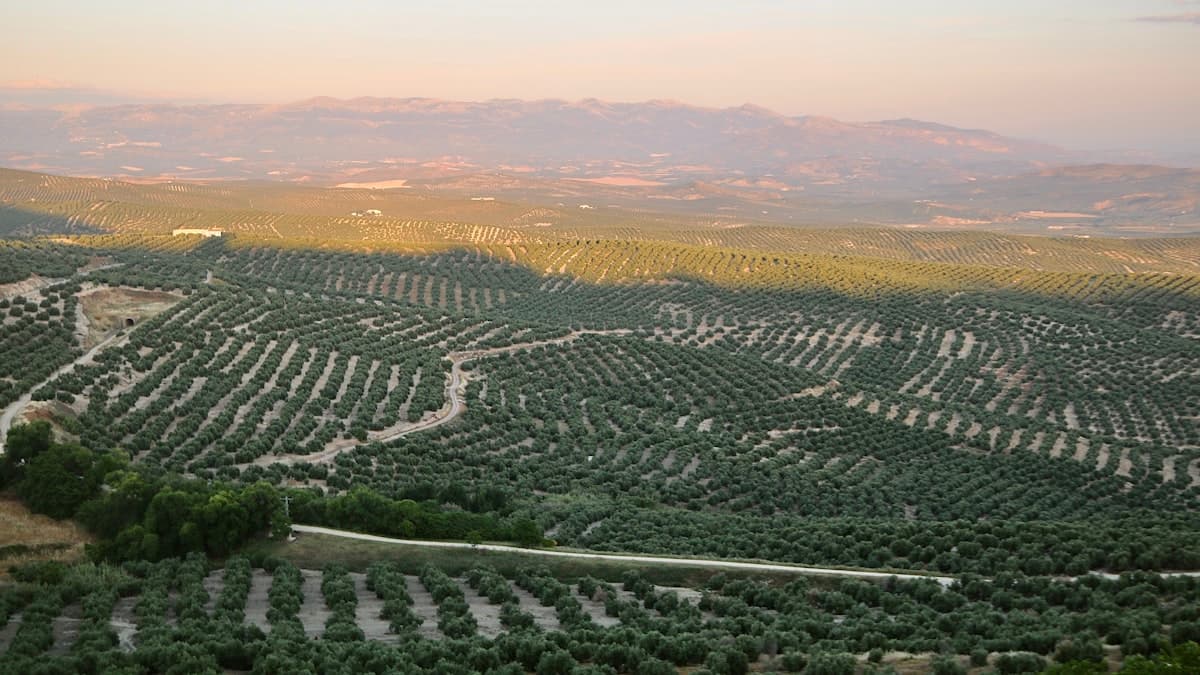
A two-century-old family farm does not automatically become a premium brand. According to Castillo de Canena's official materials, the Vañó family has cultivated olives on the same estate in Canena, Jaén, since 1780. The identity that the global EVOO market now associates with the name, however — a benchmark for biodynamic production and single-cultivar transparency — is the result of a deliberate transformation carried out over roughly the past twenty years.
A Family Estate in the Heart of Jaén
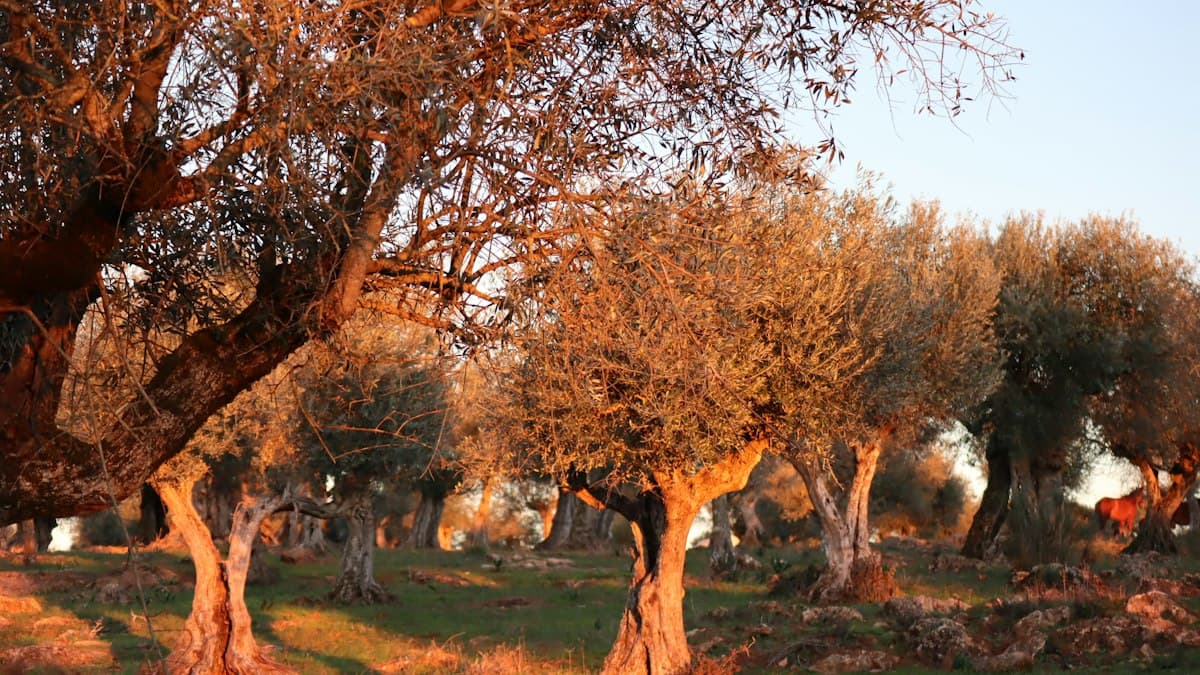
The brand name derives from the family's castle on a hill above the village of Canena. Ownership and management remain with the Vañó family to this day. The estate sits in the Guadalquivir river basin in Andalusia's Jaén province, the most densely planted olive-oil region in Spain. Its principal cultivars are Picual, the variety most closely identified with Andalusian olive culture, alongside Arbequina and the rare Royal. The fact that a single family has worked the same soil for nearly 250 years is a distinction that stands out even within Spain's historically rich EVOO landscape.
The Biodynamic Turn and Demeter Certification
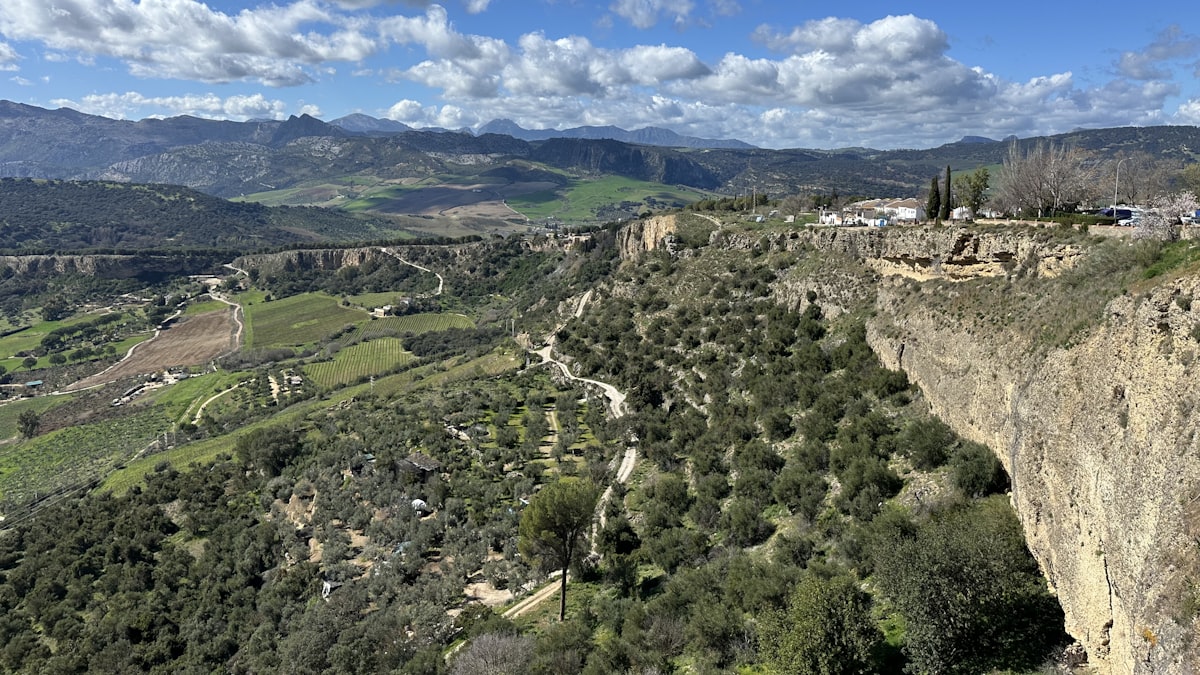
The pivotal moment in the estate's transformation into a premium brand came in 2010, when it converted to biodynamic farming methods. As summarised by Spanish-Oil.com and OliveOil.com, approximately 123 acres of the property now operate under Demeter certification. An on-site apiary and a flock of around 400 sheep are maintained as active biodiversity measures, and all electricity used on the estate is generated from solar panels. Within this biodynamic programme, the estate's single-cultivar Picual was named the world's best organic olive oil at the Monocultivar Olive Oil Expo in both 2015 and 2017.
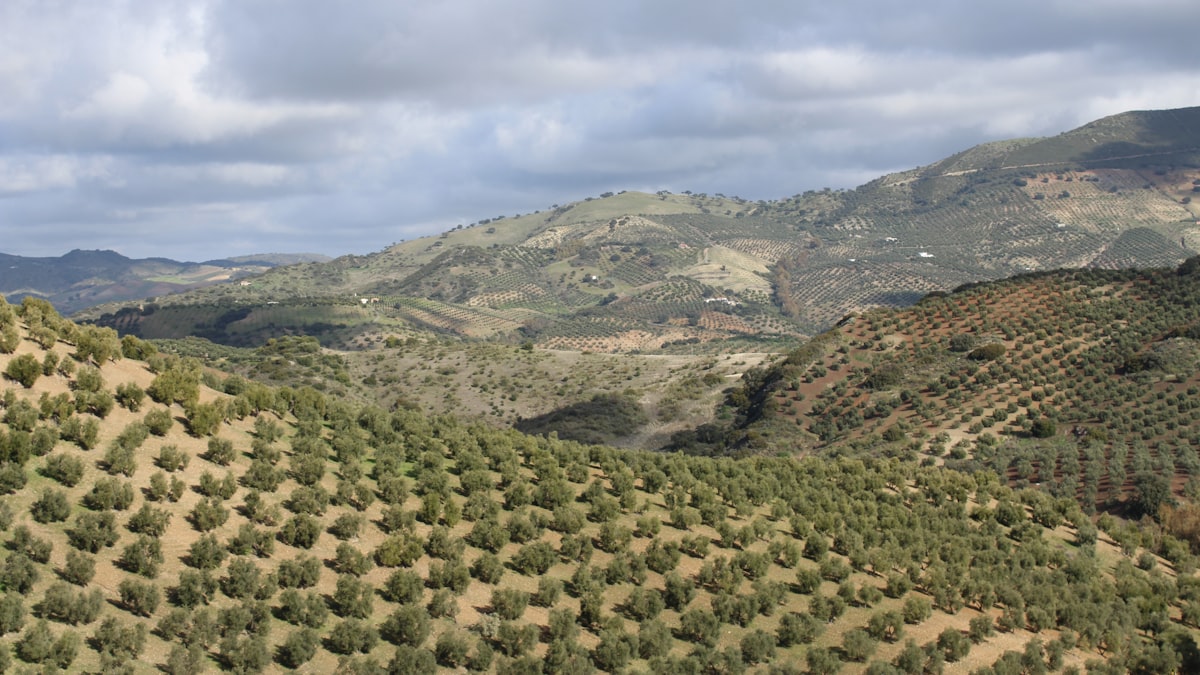
From Regional Estate to Global Portfolio
Castillo de Canena today exports to more than 30 countries. Its portfolio spans single-cultivar Picual and Arbequina expressions, the biodynamic line, and limited-vintage Royal releases. International food-media coverage consistently cites the estate as a case study in how a legacy family farm can secure a position in the premium category — not by trading on age alone, but by combining published analytical data, third-party certification, and a coherent design rebrand. The result is a producer whose shelf presence is backed by a traceable and verifiable production story rather than heritage marketing alone.
Why the Estate Model Still Matters
In today's EVOO market, a founding date like 1780 carries weight only when it is accompanied by modern transparency: single-estate designation, recognised certification, and publicly available technical data on acidity and polyphenol content. What the Castillo de Canena story illustrates, as discussed in coverage of single-estate standards, is how an old family farm can re-articulate its identity in the vocabulary that contemporary buyers actually use to evaluate quality. When two bottles at a similar price point sit side by side on a shelf, the difference between a producer with this kind of verifiable transition on record and one without it represents a meaningful information gap for any buyer trying to make an informed choice.
Acidity, polyphenol levels, and pricing for imported oils vary by vintage and by distribution channel. Always check the label and the importer's documentation at the point of purchase, as availability and specifications can change between harvests.
Frequently asked questions
- How old is Castillo de Canena?
- According to Castillo de Canena's official materials, the Vañó family has farmed olives on the same estate in Canena, Jaén, since 1780 — making it one of the longest continuously operated olive estates on record in Spain.
- Is Castillo de Canena certified biodynamic?
- Yes. As summarised by Spanish-Oil.com and OliveOil.com, approximately 123 acres of the estate operate under Demeter-certified biodynamic agriculture. The estate also maintains an apiary and a flock of around 400 sheep as part of its biodiversity programme, and all electricity is generated from solar power.
- What olive cultivars does Castillo de Canena use?
- The estate's principal cultivars are Picual and Arbequina, both offered as single-cultivar expressions, alongside the rarer Royal, which is produced as a limited vintage release.
- Has Castillo de Canena won any international recognition?
- Its biodynamic Picual was named the world's best organic olive oil at the Monocultivar Olive Oil Expo in both 2015 and 2017.
- How many countries does Castillo de Canena export to?
- The estate currently exports to more than 30 countries, according to reporting aggregated from international trade and food-media sources.
Related reading
- Spain's Top EVOO Estates: A Guide to the Names That Keep Winning
Not all single-estate Spanish olive oils occupy the same tier. From Jaén and Granada to the Tabernas Desert and Extremadura, this guide maps the Spanish houses that international competition judges and critic guides return to year after year.
- Premium EVOO at Every Price Point: A Global Farm Map
Within the global premium EVOO tier, estates cluster around a consistent set of signals — single origin, single cultivar, and published lab results. This guide charts the farms and labels that define that space, from Andalusia to California.
- Oro Bailén: A Four-Generation Estate and the Picual Standard
Nestled in Guarromán, in Spain's Jaén province, Oro Bailén is widely regarded as a benchmark for single-estate Picual extra virgin olive oil. This is the story of how four generations of family farming and exacting quality control built a reputation on the world stage.
- Burning Groves: How Wildfire and Air Pollution Are Reshaping Olive Oil Country
The Mediterranean produces around 95% of the world's olive oil — and it is heating up faster than almost anywhere else on earth. From scorched root systems to smoke-tainted harvests, environmental disaster is leaving marks on olive groves that last far longer than the flames.
- The Farms That Keep Winning: A Guide to NYIOOC and Olive Japan Award Names
The world's two leading EVOO competitions honor hundreds of brands each year, yet Gold and Best in Class medals cluster around a surprisingly small circle of estates. A look at the 2024 results reveals which producers are setting the global standard.
- Spain, Italy, Greece: How the Three EVOO Heartlands Taste Different
Spain, Italy, and Greece together account for more than 80 percent of the world's extra virgin olive oil, according to the International Olive Council — yet the flavors they produce could hardly be more distinct.