Guides
The Farms That Keep Winning: A Guide to NYIOOC and Olive Japan Award Names
The world's two leading EVOO competitions honor hundreds of brands each year, yet Gold and Best in Class medals cluster around a surprisingly small circle of estates. A look at the 2024 results reveals which producers are setting the global standard.
Translated from the Korean edition, originally published January 22, 2024 · read the original
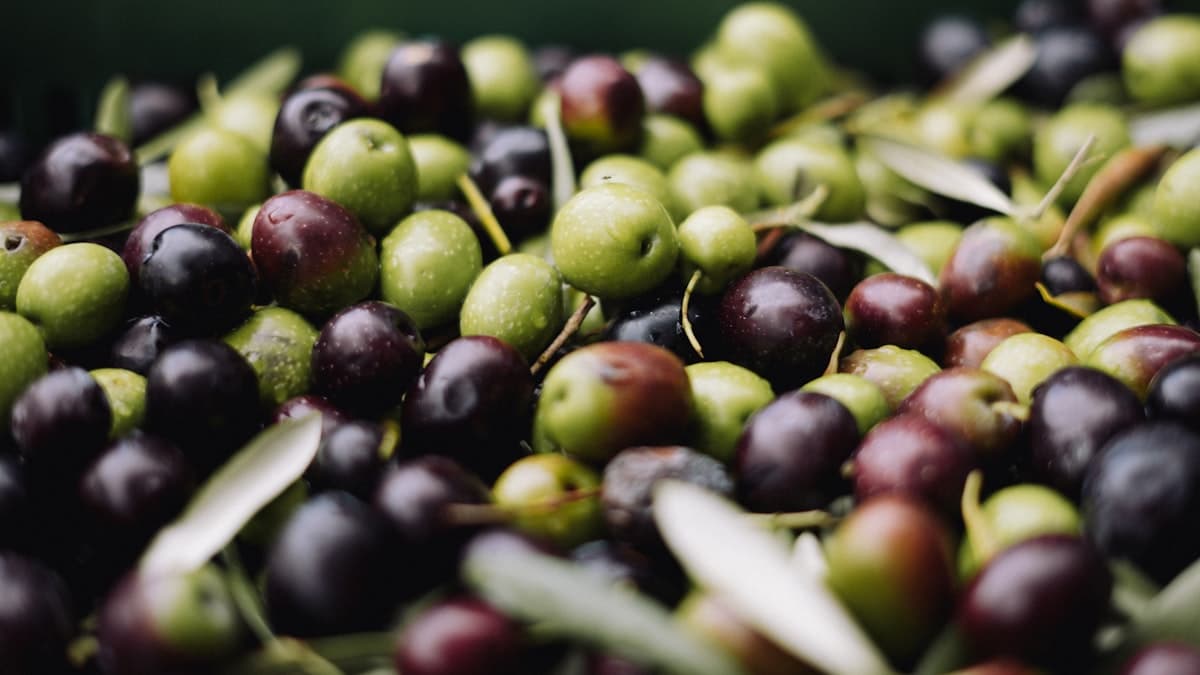
The authority of the world's top EVOO competitions is narrow but deep. The New York International Olive Oil Competition (NYIOOC) and Olive Japan evaluate hundreds of brands every year, yet the names that reach Gold and Best in Class tend to cluster around the same regions and families, cycle after cycle. Follow the winning lists over several years and the map of premium EVOO turns out to be smaller than most people expect.
What the 2024 NYIOOC Results Reveal
According to Olive Oil Times' 2024 NYIOOC summary, Italy led the field with 147 awards from 217 entries, while Spain followed with 82 awards — together accounting for the large majority of medals presented. On the Spanish side, The Green Gold Olive Oil Co.'s Picual line "Oh!" took Gold, as did Catalonia's Priordei. Olivar de Quesada, located near Jaén, added Gold medals in both the Royal and Picual categories. Australia's Cobram Estate swept five awards at the same competition, including a Gold for its Coratina single-cultivar oil, and held onto its position at the top of the NYIOOC multi-year cumulative ranking.
Olive Japan and a Multinational Standard
Olive Japan operates with a panel drawn from Europe, Asia, and the Americas, and is cited alongside NYIOOC as one of the two main global benchmarks for EVOO quality. Comparing the two competition lists, a defined group of estates consistently takes Gold or higher at both. Spain's Castillo de Canena, Oro Bailén, O-MED, and Marqués de Valdueza appear regularly, as do Italy's Frantoio Franci, Capezzana, and Marina Colonna, and Australia's Cobram Estate. Every name on that shortlist shares two traits: single-farm or single-family ownership, and public disclosure of lab results and harvest dates on labels and websites.
What Repeat Wins Actually Signal
More significant than any single year's trophy haul is the fact that the same farms appear on the same lists for a decade or more. According to the Olive Oil Times World Ranking, Australia's Cobram Estate and Cape Schanck have each recorded 100% award consistency across ten consecutive years of competition. Several Picual-focused producers in Andalusia show a similar pattern. Judging a brand on one year's results alone gives an incomplete picture; reviewing five-to-ten years of cumulative award history alongside current-vintage data produces a far more reliable guide.
How to Use This Information When Buying
For shoppers outside the main producing countries, official import availability for NYIOOC and Olive Japan award-winners can be limited, and direct international ordering is often the only route to specific estates. It is worth remembering that even within a trusted brand, quality varies by vintage and pressing date — a medal is awarded to a specific lot, not to the brand name in perpetuity. Checking the harvest year, any published lab figures, and storage conditions after opening remains essential regardless of how many trophies appear on the label. The more useful question to ask is not simply "did this brand win an award?" but rather "which farm, from which harvest, with which measured results, earned that award?"
Acidity, polyphenol levels, and retail availability for any brand discussed here may vary by vintage and by import channel. Always check the label at the time of purchase for the most current harvest-year and producer information.
Frequently asked questions
- Which country wins the most medals at NYIOOC?
- According to Olive Oil Times' 2024 NYIOOC summary, Italy led with 147 awards from 217 entries, while Spain followed with 82 awards, together accounting for the majority of medals across both competitions.
- Is Cobram Estate really the most decorated producer at NYIOOC?
- According to the Olive Oil Times World Ranking, Australia's Cobram Estate has maintained 100% consistency across more than a decade of competition appearances at NYIOOC, including a Gold for its Coratina single-cultivar oil in 2024, placing it at the top of multi-year cumulative rankings.
- Which Spanish estates regularly win at both NYIOOC and Olive Japan?
- Estates including Castillo de Canena, Oro Bailén, O-MED, and Marqués de Valdueza appear on Gold lists at both competitions. All are single-farm or single-family operations that publicly share lab reports and harvest dates on their labels or websites.
- How do I use award results to choose an olive oil?
- Rather than relying on a single year's result, reviewing the cumulative five-to-ten year award history of a producer gives a more complete picture of consistency. Checking the harvest year and any published lab data on the label alongside competition credentials is recommended.
- Does an award guarantee quality in the bottle I buy?
- Not automatically. Even within the same brand, quality can vary by vintage and pressing date. A medal reflects the specific lot submitted to competition. Checking the harvest year, pressing date, and storage conditions at retail is still necessary when making a purchase.
Related reading
- Spain's Top EVOO Estates: A Guide to the Names That Keep Winning
Not all single-estate Spanish olive oils occupy the same tier. From Jaén and Granada to the Tabernas Desert and Extremadura, this guide maps the Spanish houses that international competition judges and critic guides return to year after year.
- Beyond Tuscany: The Italian EVOO Estates Worth Knowing in Umbria and Sicily
Premium Italian extra virgin olive oil extends well beyond a Tuscany IGP label. From Carmignano to Palma di Montechiaro, three regions and their benchmark estates mapped out.
- Burning Groves: How Wildfire and Air Pollution Are Reshaping Olive Oil Country
The Mediterranean produces around 95% of the world's olive oil — and it is heating up faster than almost anywhere else on earth. From scorched root systems to smoke-tainted harvests, environmental disaster is leaving marks on olive groves that last far longer than the flames.
- Six Supermarket EVOOs, Ranked by Acidity and Origin
From a sub-1% acidity Spanish single-estate to entry-level Korean-imported blends, six widely available extra virgin olive oils are compared on the facts that actually matter at the shelf.
- Organic EVOO Certifications Decoded: Euro-leaf, USDA, and Demeter
Three certification marks — the EU Euro-leaf, USDA Organic, and Demeter — divide the organic EVOO shelf into meaningfully different tiers. Understanding what each one actually requires makes it far easier to judge whether the premium is worth paying.
- Castillo de Canena: How a 1780 Family Estate Became a Biodynamic EVOO Benchmark
A single Andalusian estate has been farming olives on the same land since 1780 — yet the premium reputation that precedes Castillo de Canena today was built largely in the last two decades, through biodynamic certification, cultivar transparency, and a deliberate repositioning in the global EVOO market.