Guides
Olive Oil in a Gout-Friendly Diet: Purines, Uric Acid, and What the Fat Research Shows
Dietary fat is drawing fresh attention in gout management. This guide reviews the published evidence on how olive oil relates to purine metabolism and uric acid levels.
Translated from the Korean edition, originally published September 10, 2026 · read the original
Gout, Dietary Fat, and Why the Conversation Is Shifting
Gout is a metabolic condition in which uric acid accumulates in the blood beyond a threshold concentration, causing urate crystals to deposit in joints. Traditional dietary management has focused on reducing high-purine foods — organ meats, red meat, shellfish, and alcohol. Increasingly, however, research is pointing to a parallel question: not only what to cut, but which fats to eat — and whether fat quality influences uric acid metabolism.
According to the American College of Rheumatology (ACR) 2020 gout management guidelines, overall dietary pattern has been reported to exert a broader influence on uric acid control than the restriction of any single food. Dietary patterns centred on olive oil, vegetables, whole grains, and lean protein — structured similarly to the Mediterranean diet — are associated with more favourable uric acid markers, according to the same guidelines.
Purine Metabolism and Olive Oil
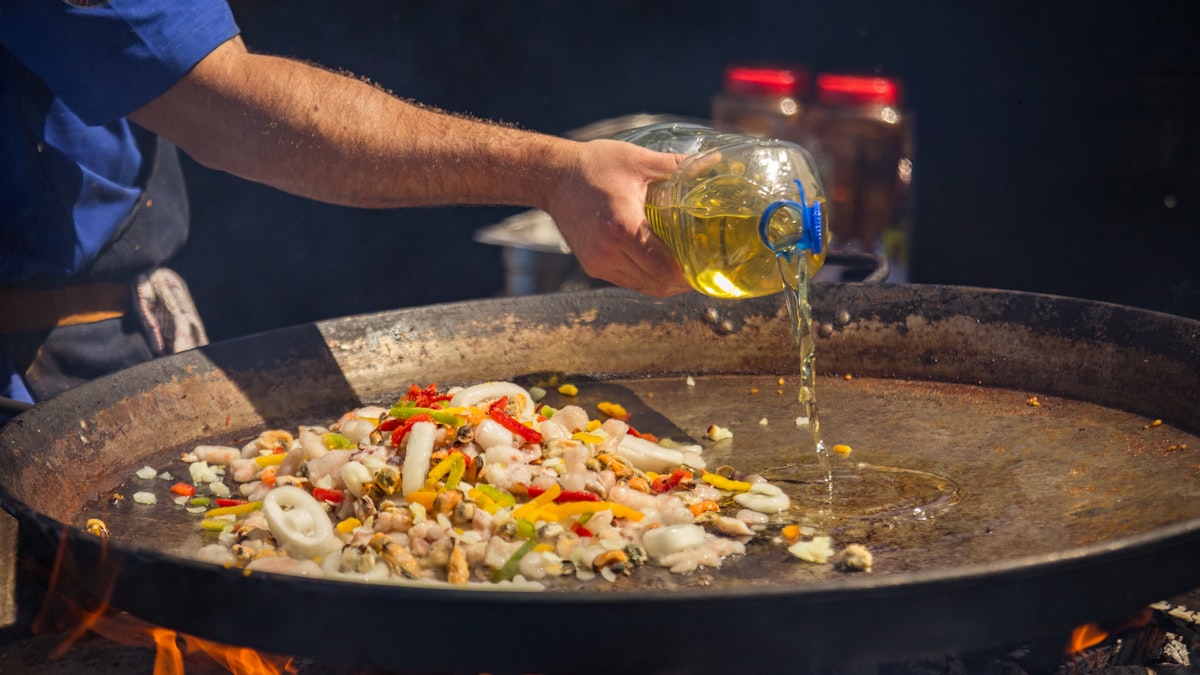
Olive oil's own purine content is, for practical purposes, negligible. Because purines originate mainly in the nucleic acids found in cell nuclei, fatty foods carry only trace amounts. For this reason, olive oil is frequently cited as a near-zero-purine cooking fat in the context of gout dietary planning.
Beyond purine content, research is ongoing into the role that olive oil's principal components — oleic acid and its polyphenol compounds — may play in purine metabolic pathways. Oleocanthal in particular has been reported in the Journal of Nutritional Biochemistry to inhibit COX-1 and COX-2 enzymes in a manner resembling ibuprofen, and researchers have proposed a hypothesis that this pathway may be indirectly relevant to gout-associated inflammatory responses. It is too early to conclude, however, that oleocanthal directly suppresses uric acid production; clinical evidence for that specific mechanism remains insufficient.
Saturated vs. Unsaturated Fat — Different Effects on Uric Acid Metabolism
The influence of dietary fat type on uric acid metabolism is beginning to take shape through animal studies and epidemiological research. According to a study published in Arthritis & Rheumatology, dietary patterns high in saturated fat are associated with insulin resistance, and insulin resistance has been reported to impair renal uric acid excretion. Conversely, research has reported that diets rich in monounsaturated fatty acids (MUFAs) may contribute to maintaining insulin sensitivity.
Olive oil derives approximately 70–80% of its fatty acid composition from oleic acid (a MUFA), according to data from the International Olive Council (IOC) — among the highest proportions of any major culinary oil. The possibility that substituting olive oil for saturated animal cooking fats could shift metabolic markers has been raised in the literature, but establishing a direct causal relationship with uric acid levels specifically will require more clinical research.
Signals from Mediterranean Diet Research
Mediterranean diet studies provide an important reference point for understanding the relationship between dietary fat and uric acid. The Spanish PREDIMED trial (2013, published in the New England Journal of Medicine) used cardiovascular outcomes as its primary endpoint, but the group using olive oil as their principal dietary fat showed broadly positive associations across metabolic biomarkers, researchers reported. Secondary analyses of the PREDIMED dataset have noted an association between higher Mediterranean diet adherence and blood uric acid concentrations, though extending this finding directly to gout management remains limited by the scope of the original study design.
Separately, a 2021 review published in Nutrients reported that olive oil polyphenols may contribute to modulating biomarkers associated with oxidative stress. Given that the oxidative metabolism of purines generates free radicals, researchers have suggested that the antioxidant compounds in extra virgin olive oil could play a supportive role in that biochemical environment — though this, too, falls short of a definitive conclusion.
Practical Considerations for Using Olive Oil in a Gout Diet
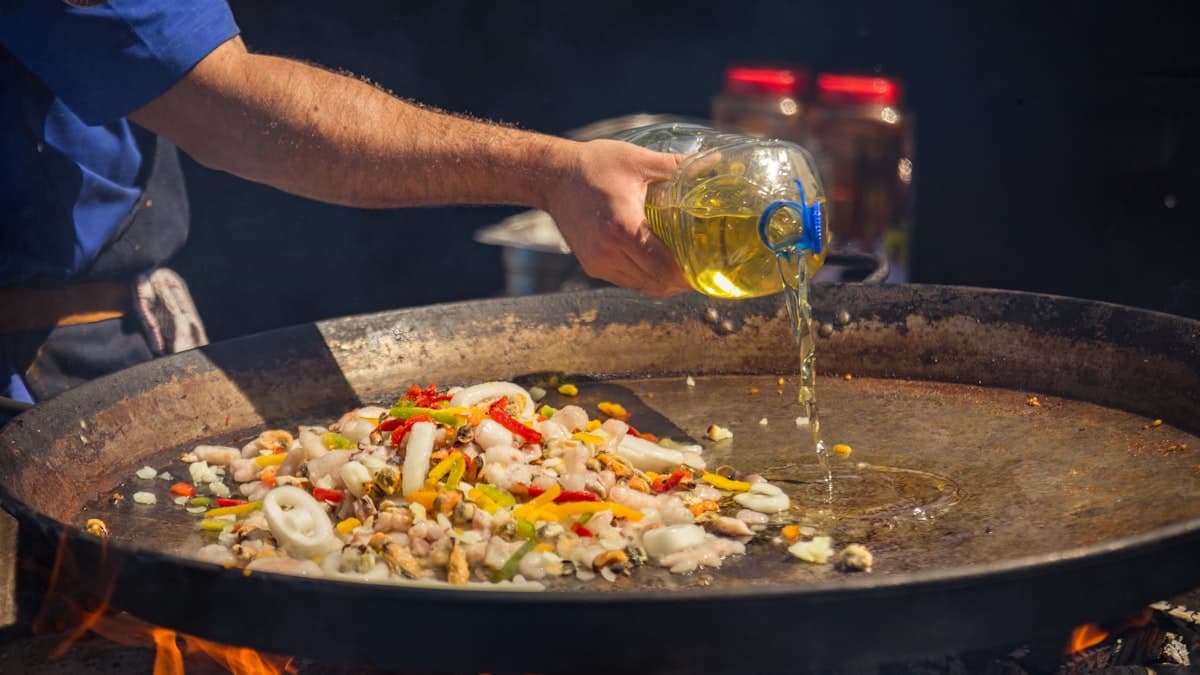
Taken together, the current evidence positions olive oil as a realistic option in gout-conscious eating for several reasons. First, it contributes essentially no purine load, making it straightforward to incorporate without affecting total purine intake. Second, substituting it for saturated animal fats represents a meaningful shift in dietary fat composition. Third, high-polyphenol extra virgin olive oil supplies antioxidant compounds alongside its fat, adding nutritional breadth to the diet.
That said, olive oil is calorie-dense, and excess calorie intake leading to weight gain is associated with higher uric acid levels, according to the U.S. National Institute of Diabetes and Digestive and Kidney Diseases (NIDDK). Introducing olive oil into a gout-conscious diet therefore calls for attention to overall energy balance, as nutrition professionals generally advise. Diagnosis, treatment, and dietary management of gout should always be carried out in consultation with a qualified healthcare professional.
Frequently asked questions
- Does olive oil contain purines?
- Olive oil contains virtually no purines. Purines are found mainly in the nucleic acids of cell nuclei, so fatty foods such as olive oil carry only negligible traces. This makes it one of the few cooking fats that adds essentially no purine load to the diet.
- Can olive oil lower uric acid levels?
- There is currently no sufficient clinical evidence that olive oil directly lowers uric acid. Some research suggests that diets rich in monounsaturated fats — of which olive oil is the primary culinary source — may be associated with better insulin sensitivity, and insulin resistance is known to impair renal uric acid excretion. However, a direct causal link between olive oil consumption and uric acid reduction has not been established.
- Is the Mediterranean diet good for gout?
- Several analyses of Mediterranean diet cohorts, including re-analyses of data from the 2013 PREDIMED study published in the New England Journal of Medicine, have reported an association between higher adherence to the Mediterranean diet and more favourable uric acid markers. However, researchers caution that extrapolating this to a direct gout treatment benefit remains premature.
- How does oleocanthal relate to gout inflammation?
- Oleocanthal, a polyphenol in extra virgin olive oil, has been reported in the Journal of Nutritional Biochemistry to inhibit COX-1 and COX-2 enzymes in a manner similar to ibuprofen. Researchers have hypothesised that this pathway may be indirectly relevant to gout-associated inflammation, but clinical evidence that oleocanthal suppresses uric acid production itself is not yet sufficient to draw firm conclusions.
- How should I use olive oil if I have gout?
- Olive oil is widely discussed as a practical cooking fat in gout-friendly diets because it contributes no meaningful purines and can replace saturated animal fats. That said, olive oil is calorie-dense, and excess body weight is associated with higher uric acid levels according to the U.S. National Institute of Diabetes and Digestive and Kidney Diseases (NIDDK). Overall energy balance matters. Any dietary changes related to gout diagnosis or management should be made in consultation with a qualified healthcare professional.
Related reading
- Olive Oil and IBS: The Role of Fat in a Low-FODMAP Diet
Extra virgin olive oil sits comfortably within low-FODMAP guidelines, yet fat's effect on gut sensitivity is more nuanced than a simple approved/not-approved label. Here is what the current research says.
- 120 Calories a Tablespoon — So Why Does Olive Oil Keep Appearing in Weight-Management Diets?
Extra virgin olive oil is a high-calorie fat by any measure, yet clinical data and dietary-pattern research consistently tell a more nuanced story about weight management.
- Fat Quality, Not Quantity: Olive Oil's Place in a CKD Diet
Chronic kidney disease management has long focused on restricting protein, potassium, and phosphorus — but researchers are now turning attention to the type of fat patients consume. Here is what the current evidence says about unsaturated fats, olive oil polyphenols, and kidney function.
- Olive Oil During Pregnancy: The Omega Fatty Acid and Fetal Brain Research, Explained
Dietary fat quality during pregnancy is closely linked to fetal nervous system development, according to accumulating research. Here is where the science currently stands on olive oil's role—through its omega-9 and omega-3 context—in a pregnancy diet.
- Olive Oil, the Mediterranean Diet, and Mental Health: What the Clinical Research Shows
A growing body of clinical research is examining how Mediterranean diet patterns — with extra virgin olive oil at their center — may be associated with mood and cognitive well-being. From polyphenols and oleic acid to the gut-brain axis, here is where the science currently stands.
- Olive Oil and Constipation: Separating the Clinical Evidence from the Folk Remedy
A spoonful on an empty stomach has long been said to ease constipation. Here is how far the clinical research actually goes — and where the folk wisdom ends.