Guides
Greener Doesn't Mean Better: The Truth About EVOO Color and Quality
A deep green hue is widely assumed to signal a superior extra virgin olive oil, but the International Olive Council's official grading system does not include color as an evaluation criterion. Here is why color and quality are not directly linked.
Translated from the Korean edition, originally published September 8, 2024 · read the original
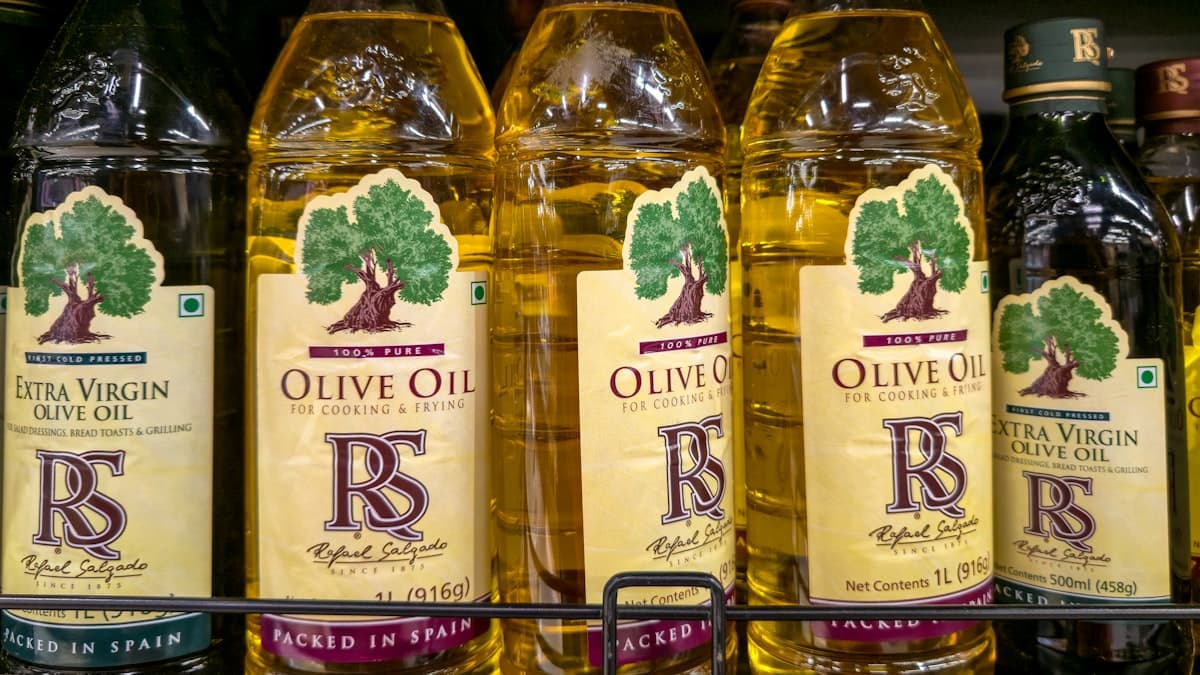
The assumption that a deeper green signals a better extra virgin olive oil comes up often at the shelf. In practice, however, the International Olive Council (IOC) does not include color anywhere in its EVOO grading criteria. Here is why color and quality have no direct relationship.
Color Is Determined by Cultivar and Harvest Timing
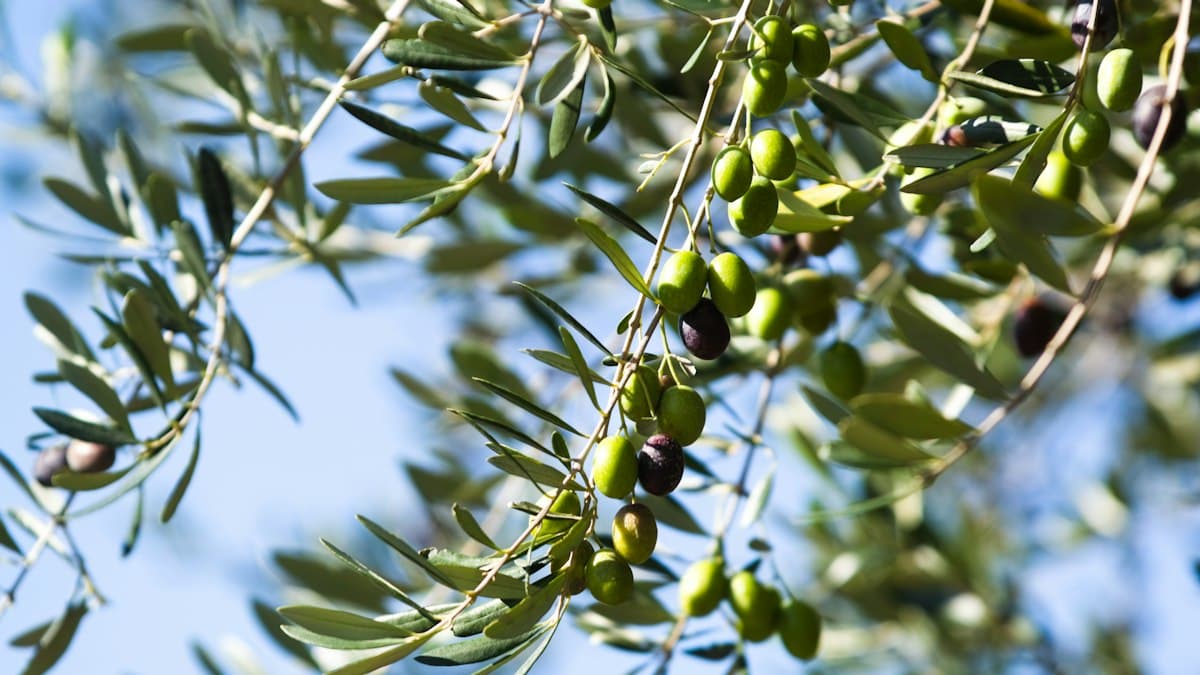
The color of an EVOO is governed by two variables: the olive variety and when the fruit was picked. Olives harvested early carry a higher chlorophyll content, which produces a deep green oil. As the fruit ripens, carotenoid levels rise relative to chlorophyll, shifting the oil toward golden yellow. Because the same cultivar can yield noticeably different hues depending solely on harvest date, color alone offers insufficient grounds for judging quality.
The IOC Tastes in Cobalt-Blue Glasses
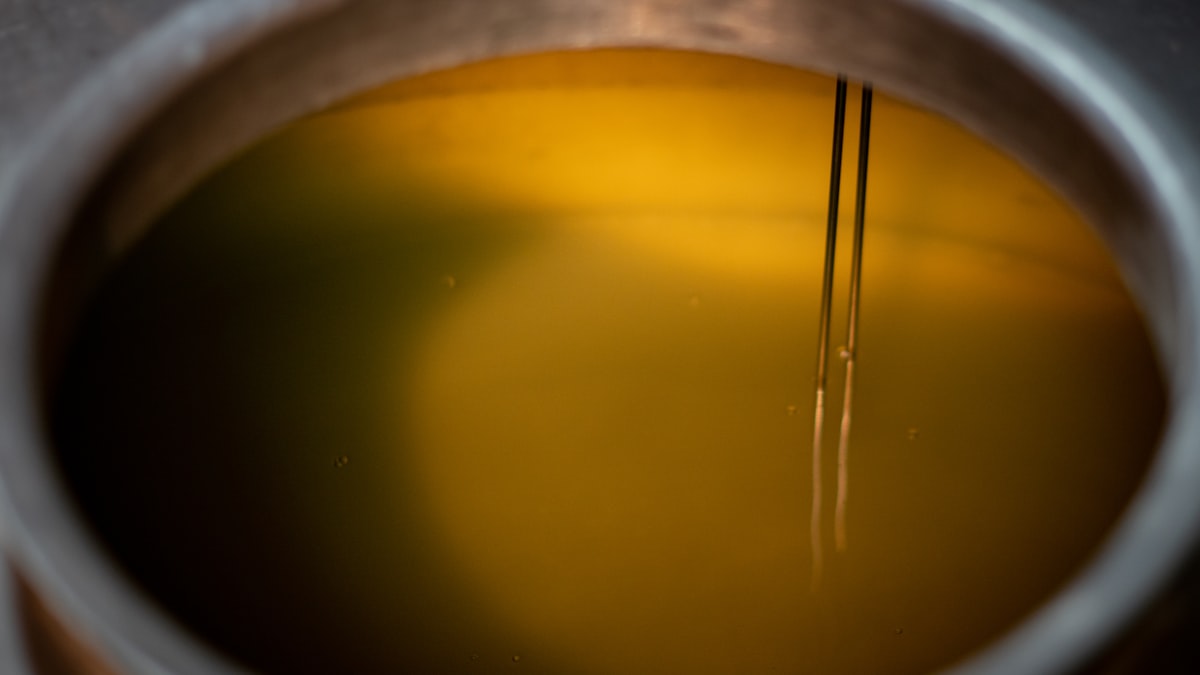
The IOC's official sensory evaluation protocol is conducted using cobalt-blue tumblers. The deep tint of the glass is deliberate: it prevents panelists from seeing the oil's color, keeping their attention on aroma and taste. This design choice reflects the IOC's consistent position that color is a visual impression, not a variable that determines EVOO quality.
The Real Quality Clues Are on the Label
The reliable indicators of an EVOO's quality are not visible through the bottle — they are printed on the label. Look for the region of origin, the harvest year, the pressing date, the declared acidity level, and a QR code linking to an independent lab certificate. Even if the color of the oil catches your eye first, a bottle's actual quality is more rationally judged by those five pieces of information.
That Said, a Dark Bottle Does Prevent Oxidation
While the relationship between oil color and quality is weak, a dark glass bottle does protect EVOO from light-induced oxidation, helping the oil hold its flavor for longer. When selecting a bottle at the shelf, the color of the glass deserves more attention than the color of the oil inside — it has a measurably greater effect on what ends up in your kitchen.
Frequently asked questions
- Does a greener olive oil mean it is higher quality?
- Not necessarily. The International Olive Council does not include color in its official EVOO quality evaluation. Color is determined by cultivar and harvest timing, not by quality parameters such as acidity or sensory score.
- Why does the IOC use cobalt-blue glasses for olive oil tasting?
- The IOC's official tasting protocol uses cobalt-blue tumblers specifically to hide the oil's color from the panelist. This ensures that the assessment focuses entirely on aroma and taste, preventing visual bias from influencing the result.
- What should I look for on an EVOO label instead of color?
- Reliable quality indicators on the label include the origin and harvest year, the pressing date, declared acidity, and a QR code linking to a third-party lab certificate. These details give a far more accurate picture of what is in the bottle than the oil's hue.
- Does a dark bottle affect olive oil quality?
- Yes — but the bottle's color matters, not the oil's color. Dark glass protects EVOO from light-induced oxidation, helping to preserve flavor for longer. When choosing between two bottles, the color of the glass is a more meaningful factor than the color of the oil inside.
Related reading
- Heat, Smoke, and Polar Compounds: The Chemistry of Cooking with Olive Oil
Heating olive oil triggers a cascade of hydrolysis, oxidation, and polymerization reactions that accelerate past the smoke point. This guide traces the science of polar compound formation and explains why high-polyphenol EVOO tends to hold up better under heat.
- Burning Groves: How Wildfire and Air Pollution Are Reshaping Olive Oil Country
The Mediterranean produces around 95% of the world's olive oil — and it is heating up faster than almost anywhere else on earth. From scorched root systems to smoke-tainted harvests, environmental disaster is leaving marks on olive groves that last far longer than the flames.
- Six Supermarket EVOOs, Ranked by Acidity and Origin
From a sub-1% acidity Spanish single-estate to entry-level Korean-imported blends, six widely available extra virgin olive oils are compared on the facts that actually matter at the shelf.
- The Farms That Keep Winning: A Guide to NYIOOC and Olive Japan Award Names
The world's two leading EVOO competitions honor hundreds of brands each year, yet Gold and Best in Class medals cluster around a surprisingly small circle of estates. A look at the 2024 results reveals which producers are setting the global standard.
- Organic EVOO Certifications Decoded: Euro-leaf, USDA, and Demeter
Three certification marks — the EU Euro-leaf, USDA Organic, and Demeter — divide the organic EVOO shelf into meaningfully different tiers. Understanding what each one actually requires makes it far easier to judge whether the premium is worth paying.
- Kirkland, No Brand, Signature: A Guide to Superstore Private-Label EVOO
Costco's Kirkland Signature, E-Mart's No Brand, and Homeplus Signature all offer private-label extra virgin olive oil at prices below comparable global brands. Here is how each line positions itself — and what the label does and does not tell you.
Tags
- extra virgin olive oil
- olive oil quality
- IOC grading
- olive oil label
- EVOO guide