Guides
Phoenicians, Rome, and the Silk Road: Three Thousand Years of Olive Oil Trade
Olive oil is among the oldest globally traded commodities in recorded history. From Phoenician merchant galleys and Roman amphora dumps to the overland routes of the Silk Road, OLEA traces the trade routes that shaped the bottle on your shelf today.
Translated from the Korean edition, originally published June 2, 2026 · read the original
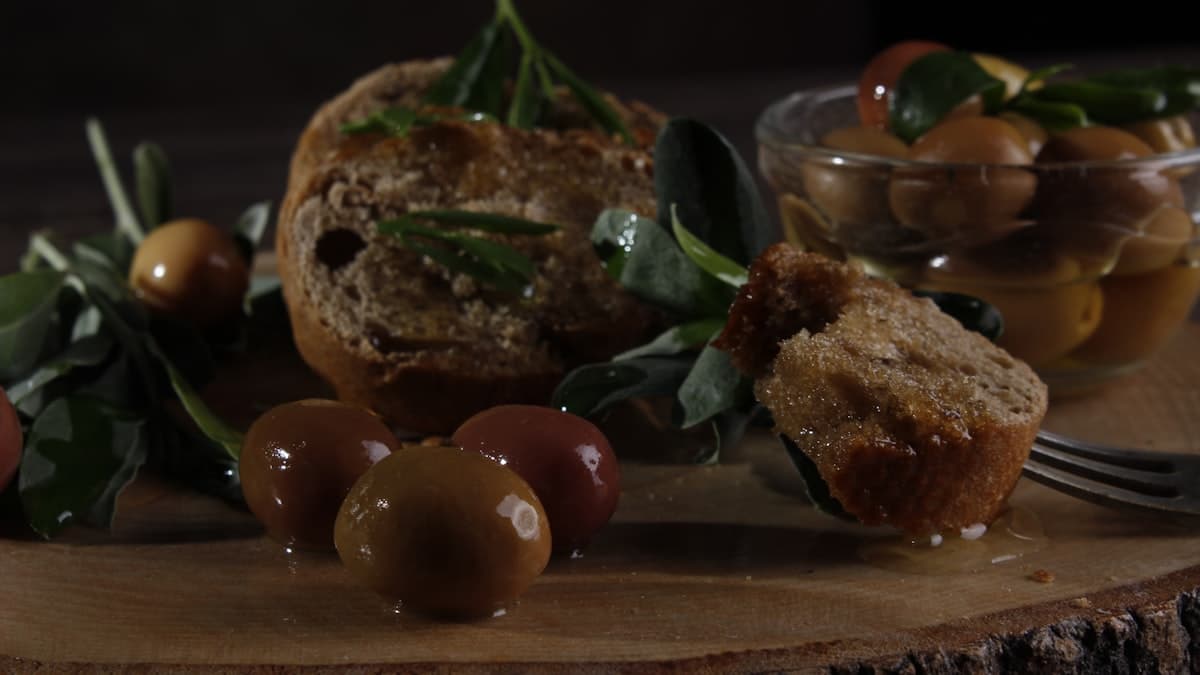
The bottle of EVOO on a supermarket shelf today arrives by truck and shipping container. The journey looks short, but its template was laid down nearly 3,000 years ago in the Mediterranean. From the Phoenicians to the Silk Road, here is a brief account of the routes olive oil has travelled.
Phoenicia: The First Global Commodity
Between roughly 1200 and 800 BCE, Phoenician merchants made return voyages from the eastern end of the Mediterranean all the way to Carthage and the Iberian Peninsula. Wine and olive oil were constants in their cargo. The oil travelled in clay amphoras, with hundreds loaded onto a single vessel, cushioned in straw and sealed at the mouth with resin and clay. Cutting off oxygen and light to slow rancidity — the same principle behind today's dark glass bottles and fast stock rotation.
The Roman Empire's Industrial Scale
From the first century BCE through the fifth century CE, the Roman Empire treated olive oil as a strategic commodity ranking alongside grain and wine. The clearest surviving evidence is Monte Testaccio on the outskirts of Rome — an artificial hill roughly 35 metres high made up entirely of broken amphora fragments from imported olive oil. Estimates place the number of amphoras represented at more than 53 million, the majority originating from what is now Andalusia, then the Roman province of Baetica.
Byzantine and Islamic Trade Networks
After the fall of the Western Roman Empire, the centre of the olive oil trade shifted to the eastern Mediterranean. Constantinople served as the principal entrepôt for the Byzantine Empire, while between the 7th and 12th centuries Islamic civilisation moved oil from al-Andalus, Tunisia, and Syria through to Cairo, Damascus, and Baghdad. This period also saw the refinement of irrigation systems and pruning techniques in Andalusia — the agricultural foundations that continue to underpin production in that region today.
The Silk Road and a Narrower Path East
How far east olive oil travelled along the Silk Road is reported differently depending on the source. As a cooking oil it remained deeply embedded in Mediterranean food culture and did not establish itself at the centre of East Asian tables. Historical records do show it moving eastward in more limited roles — as a medicinal preparation, a lamp fuel, and a material for religious ceremony. This is one of the historical reasons East Asia is still classified as a late-entry import market for EVOO.
The Age of Exploration and a New Map
During the 15th to 17th centuries, Spanish and Portuguese merchant vessels heading for the New World carried olive seedlings with them, establishing cultivation in Mexico, Peru, California, and Chile. From the late 19th century onwards, the tree took root in Australia and Argentina, and by the 20th century in South Africa. The appearance of California and Australia on today's global EVOO map is a direct extension of those same voyages.
The label on any bottle in the EVOO aisle sits at the most recent point in a chain of trade routes nearly three thousand years long.
Frequently asked questions
- Who first traded olive oil across the Mediterranean?
- Phoenician merchants are among the earliest documented long-distance traders of olive oil, sailing between the eastern Mediterranean and as far as the Iberian Peninsula from roughly 1200 to 800 BCE. They transported oil in sealed clay amphoras to slow oxidation and rancidity.
- What is Monte Testaccio and what does it tell us about Roman olive oil trade?
- Monte Testaccio is an artificial hill on the outskirts of Rome, standing about 35 metres high and composed almost entirely of broken amphora fragments from imported olive oil. Estimates suggest it represents more than 53 million amphoras, most originating from the region known today as Andalusia.
- Did olive oil travel the Silk Road to East Asia?
- Sources vary on how far east olive oil moved along Silk Road networks. As a cooking staple it remained closely tied to Mediterranean food culture and did not become central to East Asian diets. Historical records do document its eastward movement in narrower roles — as a medicinal substance, lamp fuel, and material for religious rites.
- How did olive cultivation spread to the Americas and Australia?
- Spanish and Portuguese ships of the 15th to 17th centuries carried olive seedlings to Mexico, Peru, California, and Chile. Cultivation reached Australia and Argentina in the late 19th century, and South Africa in the 20th century — extensions of the same trade routes that began in the ancient Mediterranean.
Related reading
- Burning Groves: How Wildfire and Air Pollution Are Reshaping Olive Oil Country
The Mediterranean produces around 95% of the world's olive oil — and it is heating up faster than almost anywhere else on earth. From scorched root systems to smoke-tainted harvests, environmental disaster is leaving marks on olive groves that last far longer than the flames.
- Castillo de Canena: How a 1780 Family Estate Became a Biodynamic EVOO Benchmark
A single Andalusian estate has been farming olives on the same land since 1780 — yet the premium reputation that precedes Castillo de Canena today was built largely in the last two decades, through biodynamic certification, cultivar transparency, and a deliberate repositioning in the global EVOO market.
- Spain, Italy, Greece: How the Three EVOO Heartlands Taste Different
Spain, Italy, and Greece together account for more than 80 percent of the world's extra virgin olive oil, according to the International Olive Council — yet the flavors they produce could hardly be more distinct.
- Andalusia: How One Region Came to Produce a Third of the World's Olive Oil
From Phoenician traders to single-estate pressing, Spain's Andalusia has held its place at the center of global olive oil production for more than a thousand years. A look at the history behind the world's largest EVOO-producing region.
- The Mediterranean Diet Just Topped the U.S. News Rankings for the Eighth Year Running
U.S. News & World Report has ranked the Mediterranean diet first overall for eight consecutive years, scoring 4.8 out of 5.0 in its most recent comprehensive evaluation. OLEA looks at where extra-virgin olive oil fits within that eating pattern.
- Four Cooking Oils, Four Nutritional Profiles: EVOO, Sesame, Perilla, and Avocado Compared
Extra virgin olive oil, sesame oil, perilla oil, and avocado oil share shelf space in many kitchens, yet their fatty-acid profiles and specialty compounds differ considerably. A look at what the data actually shows.
Tags
- history
- trade routes
- evoo
- mediterranean
- olive oil origins