Guides
The Mediterranean Diet Just Topped the U.S. News Rankings for the Eighth Year Running
U.S. News & World Report has ranked the Mediterranean diet first overall for eight consecutive years, scoring 4.8 out of 5.0 in its most recent comprehensive evaluation. OLEA looks at where extra-virgin olive oil fits within that eating pattern.
Translated from the Korean edition, originally published January 25, 2026 · read the original
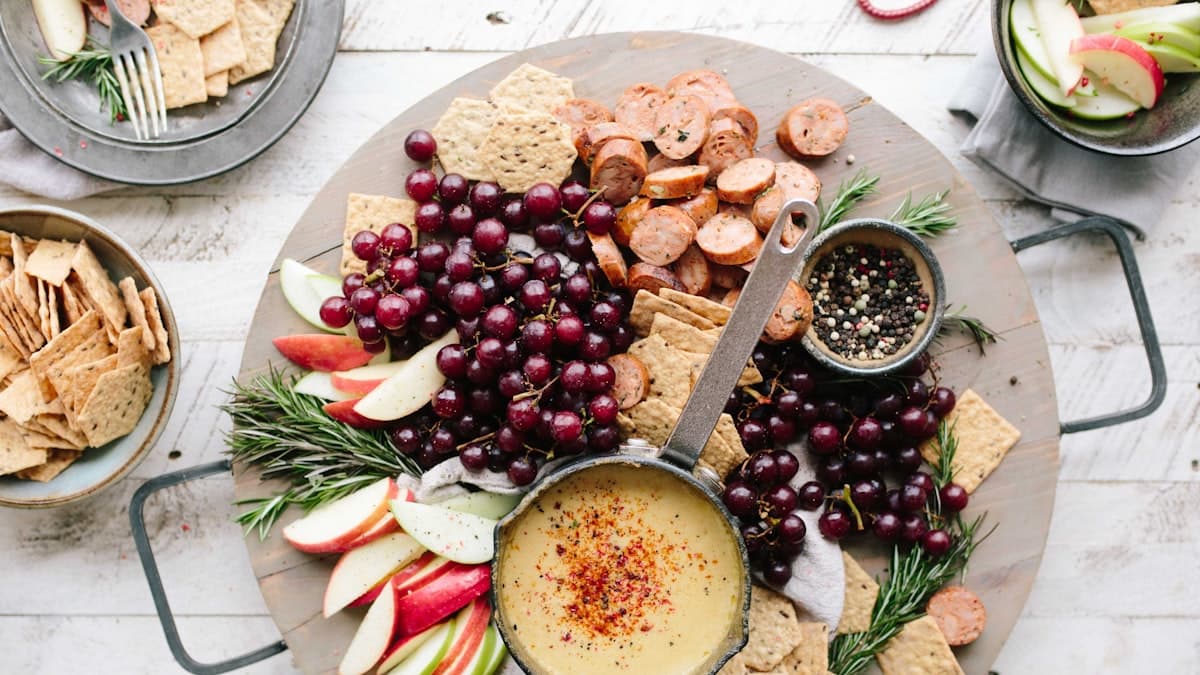
In its Best Diets ranking published in early 2025, U.S. News & World Report placed the Mediterranean diet first overall for the eighth consecutive year. The diet scored 4.8 out of 5.0 and ranked near the top across eleven subcategories, including ease of adherence, gut health, weight management, and mental health. For 2026, U.S. News replaced its traditional ranking format with what it called the "2026 Nutrition Trends Report," but the Mediterranean diet was once again highlighted within that document as an eating pattern that balances chronic-disease management with real-world practicality. By any measure, it remains the most widely cited dietary pattern in mainstream nutrition discourse.
What the Mediterranean Diet Actually Is
The Mediterranean diet centers on vegetables, fruit, whole grains, legumes, nuts, and fish, with extra-virgin olive oil as the principal source of fat. The American Heart Association has consistently described EVOO as a structural pillar of this eating pattern when explaining the diet, while stopping short of attributing specific health outcomes to any single food.
The most frequently cited body of evidence on the subject is PREDIMED, a large-scale clinical trial conducted in Spain from 2003 over thirteen years. The study tracked approximately 7,500 participants divided into three groups: an EVOO-supplemented Mediterranean diet, a nut-supplemented Mediterranean diet, and a low-fat control group. Follow-up analyses published in the journals Advances in Nutrition and Nutrients in 2025 again reported that both Mediterranean diet groups showed a meaningful difference in cardiovascular event rates compared with the control group.

Fitting EVOO Into an Everyday Pantry
Many traditional eating patterns outside Southern Europe already share structural features with the Mediterranean diet — a high proportion of vegetables, fermented foods, and whole grains — which researchers in food and nutrition science have noted may make the transition relatively compatible. The practical gap tends to come down to cooking fat: where sesame oil, perilla oil, and neutral vegetable oils have long dominated, EVOO is a more recent addition.
The entry points that have gained traction most quickly are salad dressings, a finishing drizzle over roasted fish, and simple bread-and-oil pairings. Our guide EVOO with Korean Cuisine covers specific applications with blanched greens, tofu, and grilled dishes, while How Korea's Cooking Oil Habits Are Diversifying traces the broader shift away from a sesame- and perilla-dominated pantry.

Where the Science Draws the Line
A large body of research exists on the Mediterranean diet, but claims about individual compounds — polyphenols included — are treated with caution by regulatory bodies. The EU's health-claim guidelines permit a limited statement — that olive oil polyphenols contribute to the protection of blood lipids from oxidative stress — only for oils containing at least 250 mg/kg of polyphenols. Most regulatory frameworks outside the EU do not recognise even that narrowly worded claim for general food labelling.
What institutions consistently emphasise is the dietary pattern as a whole, not the isolated effect of any one ingredient. As researchers working on PREDIMED and its follow-up analyses have noted, it is too early to conclude that any single component accounts for the differences observed between study groups. For a closer look at how polyphenols behave during cooking and processing, see our EVOO Polyphenols Guide.
One Bottle as a Starting Point
For anyone looking to move toward a Mediterranean-style eating pattern, the change most often described as the easiest entry point is simply adding a bottle of EVOO to an existing kitchen. Drizzling it alongside whatever cooking fat you already use, building a salad dressing from EVOO and balsamic vinegar, or setting out a small dish of EVOO with coarse salt and good bread are all low-commitment ways to begin. A Beginner's Guide to Your First Bottle of EVOO covers what to look for on the shelf and how to use what you bring home.
Frequently asked questions
- Why does the Mediterranean diet keep ranking number one?
- U.S. News & World Report awarded it a score of 4.8 out of 5.0 in its Best Diets evaluation, citing top placements across eleven subcategories including ease of adherence, gut health, weight management, and mental health. In its 2026 Nutrition Trends Report, the publication again highlighted the Mediterranean diet as an eating pattern that combines chronic-disease management with everyday practicality.
- What role does olive oil play in the Mediterranean diet?
- Extra-virgin olive oil is the primary fat source in the Mediterranean eating pattern. The American Heart Association frequently cites EVOO as a structural pillar of the diet. The large-scale PREDIMED clinical trial, which ran in Spain from 2003 over thirteen years and tracked roughly 7,500 participants, is one of the most cited bodies of evidence on the subject; follow-up analyses published in Advances in Nutrition and Nutrients in 2025 reported that the EVOO-enriched Mediterranean diet group showed a meaningful difference in cardiovascular event rates compared with a low-fat control group.
- Can you really claim that olive oil prevents heart disease?
- Health authorities are careful here. The EU's health-claim guidelines permit a limited statement — that olive oil polyphenols contribute to the protection of blood lipids from oxidative stress — only for oils containing at least 250 mg/kg of polyphenols. What researchers and institutions consistently emphasise is the overall dietary pattern, not the effect of any single food or compound in isolation. It is too early to conclude that any one ingredient is solely responsible for the outcomes observed in Mediterranean-diet studies.
- Is the Mediterranean diet compatible with everyday cooking styles outside Southern Europe?
- Food and nutrition researchers have noted that many traditional eating patterns share structural similarities with the Mediterranean diet — a high proportion of vegetables, fermented foods, and whole grains — which may make the transition relatively straightforward. The practical shift most often suggested is adding EVOO alongside existing cooking fats: using it as a finishing drizzle, as the base for a salad dressing, or served simply with whole-grain bread and coarse salt.
Related reading
- Fat Quality, Not Quantity: Olive Oil's Place in a CKD Diet
Chronic kidney disease management has long focused on restricting protein, potassium, and phosphorus — but researchers are now turning attention to the type of fat patients consume. Here is what the current evidence says about unsaturated fats, olive oil polyphenols, and kidney function.
- Olive Oil During Pregnancy: The Omega Fatty Acid and Fetal Brain Research, Explained
Dietary fat quality during pregnancy is closely linked to fetal nervous system development, according to accumulating research. Here is where the science currently stands on olive oil's role—through its omega-9 and omega-3 context—in a pregnancy diet.
- Olive Oil, the Mediterranean Diet, and Mental Health: What the Clinical Research Shows
A growing body of clinical research is examining how Mediterranean diet patterns — with extra virgin olive oil at their center — may be associated with mood and cognitive well-being. From polyphenols and oleic acid to the gut-brain axis, here is where the science currently stands.
- Bone Health on the Table: What the Osteoblast and Calcitriol Research Says About Olive Oil
From oleic acid's reported role in osteoblast differentiation to calcitriol absorption and polyphenol activity, a growing body of cell and animal research links extra virgin olive oil to bone metabolism — though the clinical picture is still forming.
- Olive Oil and IBS: The Role of Fat in a Low-FODMAP Diet
Extra virgin olive oil sits comfortably within low-FODMAP guidelines, yet fat's effect on gut sensitivity is more nuanced than a simple approved/not-approved label. Here is what the current research says.
- Olive Oil and Constipation: Separating the Clinical Evidence from the Folk Remedy
A spoonful on an empty stomach has long been said to ease constipation. Here is how far the clinical research actually goes — and where the folk wisdom ends.
Tags
- mediterranean diet
- evoo
- wellness
- nutrition
- olive oil and health