Guides
Buying Your First Bottle of EVOO: Five Things Worth Checking Before You Commit
The olive oil aisle is full of similar-looking labels and a wide price range that can stall any first-time buyer. This guide narrows the decision down to five practical criteria.
Translated from the Korean edition, originally published September 15, 2025 · read the original
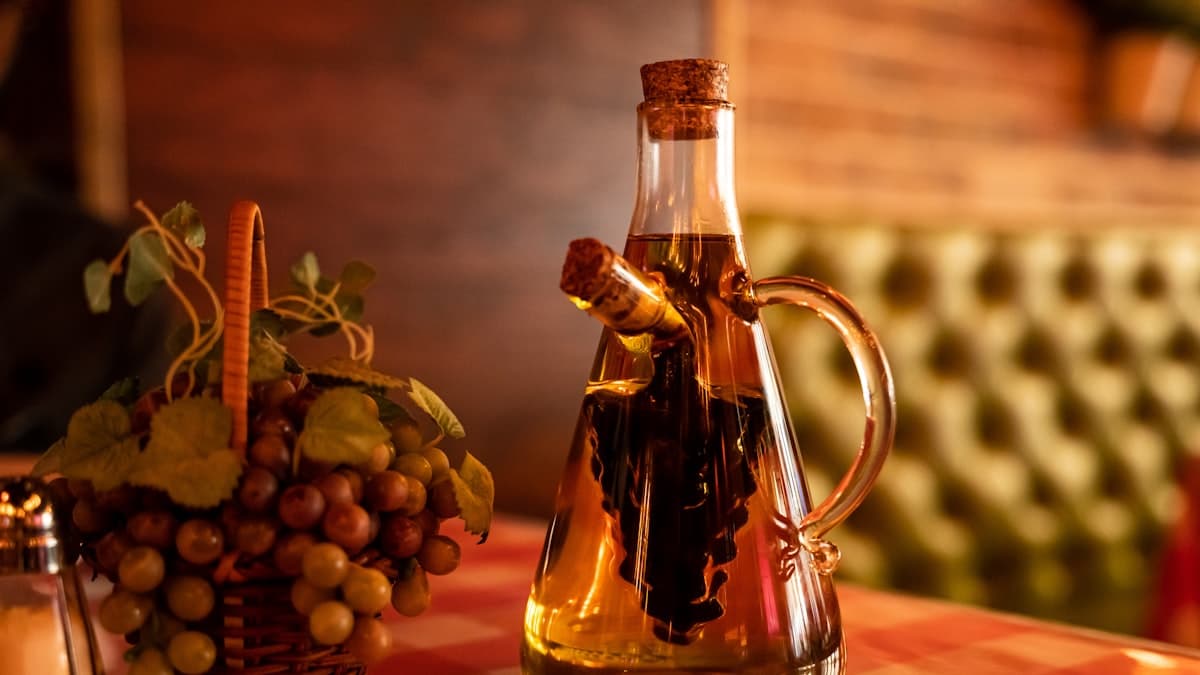
First-time buyers tend to spend the longest time standing in front of the olive oil shelf. The price range is wide, and the labels often look nearly identical. Here are five criteria that can turn an overwhelming choice into a manageable one.
Start with the use case, and the price range narrows itself
The first question is not which brand to pick — it is what you actually plan to do with the oil. For everyday all-purpose cooking, a gentle single-cultivar EVOO in the approachable mid-range is a natural fit. If the bottle is reserved mainly for salad dressings and finishing drizzles, a higher-polyphenol expression is worth considering. Making that distinction first shrinks the viable options on the shelf without any further research.
Think about the dishes you actually cook
Picturing your regular meals is a surprisingly reliable shortcut to the right cultivar. If your table leans toward fresh vegetables and cheese boards, softer cultivars like Ojiblanca or Arbequina tend to be a comfortable match. Seafood dishes, caprese, and roasted white fish generally pair well with more balanced expressions such as Sibarita or Koroneiki. If steak and roasted vegetables are the regular centerpiece, a cultivar with pronounced peppery intensity — Picual is the textbook example — holds its own better.
Buy a small bottle first
EVOO loses flavor and polyphenol content relatively quickly once opened. Finishing a bottle within two to three months of opening is the standard recommendation. For a first purchase, a 250–500 ml format is the practical choice. A larger format — 1 liter or more — is worth considering on the second or third bottle, once you have a clearer sense of your own preferences and usage pace.
Five things to check on the label
Five pieces of information are worth finding before you put a bottle in your basket: the origin (country and, ideally, the specific region or estate), the harvest year, the pressing date, an explicit grade statement confirming extra virgin status, and an acidity figure. If acidity is not printed directly on the label, check whether the packaging includes a QR code linking to a third-party laboratory certificate.
Understanding the price tiers
Entry-level EVOO at the lower end of the price spectrum typically comes from blended, high-volume production lines suited to everyday cooking. The next tier up is where single-origin introductory bottles begin to appear. The mid-to-upper range is where single-cultivar oils with published lab certificates — the reasonable-premium segment — tend to sit. At the top of the market, limited-harvest and DOP- or IGP-certified bottles aimed at enthusiasts and gifting occupy their own category.
For a first bottle, the safest starting point is a small-format single-cultivar EVOO in the mid-range: use it over two to three months, pay attention to what works in your kitchen, and let that experience guide the next purchase.
Frequently asked questions
- What should I look for on an olive oil label as a beginner?
- Check for five things: the country and region of origin, the harvest year, the pressing date, confirmation that it is graded as extra virgin olive oil, and an acidity figure. If acidity is not printed on the label, look for a QR code linking to a third-party lab certificate.
- How long does an opened bottle of extra virgin olive oil last?
- Once opened, flavor and polyphenol content decline relatively quickly. Finishing a bottle within two to three months of opening is the generally recommended guideline.
- What size bottle should I buy the first time?
- A 250–500 ml bottle is the safest starting point. Larger formats of 1 liter or more make more sense once you already know your preferred style and how quickly you go through it.
- Which olive oil cultivar is best for salads and finishing dishes?
- For raw applications like salad dressings and finishing, rounder cultivars such as Ojiblanca or Arbequina are often a comfortable starting point. High-polyphenol lines tend to sit in this use case as well.
- Is a more expensive extra virgin olive oil always better?
- Not necessarily. The price tiers reflect differences in sourcing, certification, and production volume rather than a simple quality ladder. A single-origin bottle with a published lab certificate in the mid-range is often a better first purchase than the most expensive option on the shelf.
Related reading
- Spain's Top EVOO Estates: A Guide to the Names That Keep Winning
Not all single-estate Spanish olive oils occupy the same tier. From Jaén and Granada to the Tabernas Desert and Extremadura, this guide maps the Spanish houses that international competition judges and critic guides return to year after year.
- Spain, Italy, Greece: How the Three EVOO Heartlands Taste Different
Spain, Italy, and Greece together account for more than 80 percent of the world's extra virgin olive oil, according to the International Olive Council — yet the flavors they produce could hardly be more distinct.
- Tunisia's Olive Oil Is No Longer Just a Bulk Story
Tunisia has reclaimed its position as the world's second-largest EVOO producer and is steadily expanding single-cultivar labelling — a shift that is reframing a country long associated with anonymous bulk supply.
- Six Supermarket EVOOs, Ranked by Acidity and Origin
From a sub-1% acidity Spanish single-estate to entry-level Korean-imported blends, six widely available extra virgin olive oils are compared on the facts that actually matter at the shelf.
- The Farms That Keep Winning: A Guide to NYIOOC and Olive Japan Award Names
The world's two leading EVOO competitions honor hundreds of brands each year, yet Gold and Best in Class medals cluster around a surprisingly small circle of estates. A look at the 2024 results reveals which producers are setting the global standard.
- Daily EVOO Under $20: How to Read the Shelf and Pick the Right Bottle
Two bottles labeled 'extra virgin' can sit side by side at very different prices — and both can be the right choice, depending on how fast you cook through them. Here is how to read the signals that matter in the budget tier.
Tags
- extra virgin olive oil
- beginner guide
- evoo labels
- olive oil buying guide
- cultivars