Guides
Olive Oil Allergies and Side Effects: What the Evidence Shows
Olive oil is broadly considered safe, but allergic reactions and digestive side effects have been documented in clinical reports. Here is what is known, and what is often overstated.
Translated from the Korean edition, originally published July 22, 2025 · read the original
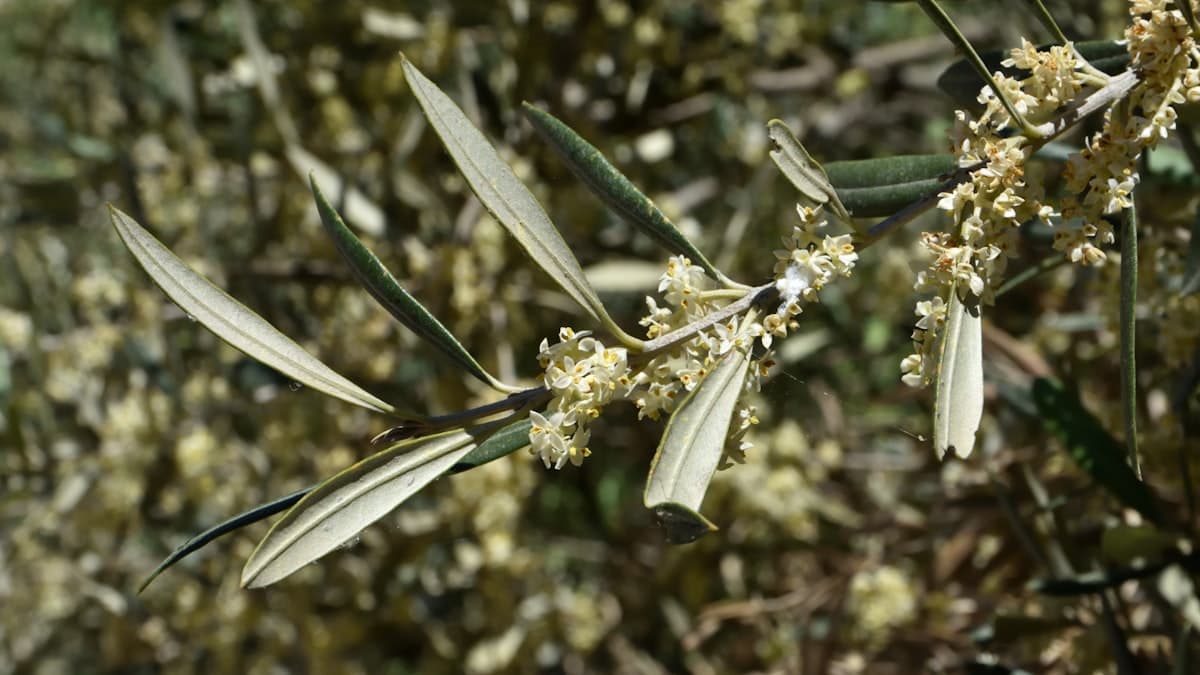
One point is worth stating plainly at the outset: olive oil is broadly classified as a safe food, yet allergic reactions and certain side effects have been documented in clinical and research literature. The frequency is low, but understanding both the place of this food in the diet and its documented limits is the reasonable approach.
Allergic Reactions That Have Been Reported
Allergy to olives themselves is relatively uncommon, though documented cases exist. Drawing on data from the Mayo Clinic and the American Academy of Allergy, Asthma & Immunology (AAAAI), cross-reactions have been observed in people with olive pollen allergy, and clinical reports of direct allergy to olive fruit proteins have appeared in the medical literature. Extra virgin olive oil (EVOO) itself, however, is evaluated as low in allergenicity because its protein content is very low — and protein is typically the driver of food allergies. Even so, if symptoms such as lip swelling, hives, or difficulty breathing recur consistently after consuming EVOO, evaluation by an allergist is warranted.
What Has Been Reported with Topical Use
The picture is more cautious when it comes to applying olive oil directly to skin. A study published in a British dermatology journal found short-term signs of weakened skin-barrier function in some adults and infants who had EVOO applied to their skin on its own. The UK's National Health Service (NHS) and a number of dermatology societies advise against the practice of using edible olive oil to massage infants with atopic dermatitis. It is also important to note that the mechanisms behind topical reactions and dietary reactions are distinct from one another.
Digestive Side Effects
Consuming a large quantity of EVOO all at once on an empty stomach has been associated in reported cases with heartburn, loose stools, and nausea. For people with gallbladder conditions or particularly sensitive gastrointestinal motility, a consultation with a healthcare professional should come before any significant increase in intake. The social-media trend of drinking two or three tablespoons of olive oil in one go for weight-loss purposes is not well supported by evidence, and the caloric load and digestive burden both argue against it.
Claims That Go Beyond the Data
Two opposite positions deserve equal skepticism: that EVOO "never causes allergic reactions" and that it "produces wide-ranging side effects." Neither reflects the actual breadth of available data. A low reported frequency is not the same as zero occurrence, and the existence of some documented cases is not sufficient grounds for broad generalization. Regulatory guidance on food labeling and advertising in most markets limits definitive claims in both directions — regarding safety and efficacy alike.
A Practical Approach at Home
When trying a new EVOO for the first time, starting with a small amount is the safest path. In households where food allergies are part of the picture, reading the label carefully — including origin and production environment — is good practice. Pairing this article with guides on reading olive oil labels, understanding polyphenols, and situations that call for extra caution can help give a single bottle its proper context.
The safety profile of EVOO is not a population average that applies uniformly to every individual. If something seems off, dietary decisions are best made in conversation with a healthcare professional.
Frequently asked questions
- Can you be allergic to olive oil?
- Direct allergy to extra virgin olive oil is uncommon, partly because EVOO contains very little protein, which is typically the trigger for food allergies. However, clinical cases of allergy to olive fruit proteins have been reported, and cross-reactions have been observed in people with olive pollen allergy, according to data reviewed by the Mayo Clinic and the American Academy of Allergy, Asthma & Immunology (AAAAI). Anyone who experiences repeated symptoms such as hives, lip swelling, or breathing difficulty after consuming EVOO should seek evaluation from an allergist.
- Is it safe to put olive oil directly on skin or a baby's skin?
- The evidence here calls for caution. A study published in a British dermatology journal found short-term signs of weakened skin-barrier function in some adults and infants who had olive oil applied directly to their skin. The UK's National Health Service (NHS) and several dermatology societies advise against using edible olive oil to massage infants with atopic dermatitis. It is also worth noting that the mechanisms behind topical and dietary reactions are not the same.
- Can too much olive oil upset your stomach?
- Consuming a large quantity of EVOO on an empty stomach has been associated with heartburn, loose stools, and nausea in reported cases. People with gallbladder conditions or sensitive gastrointestinal motility should consult a healthcare professional before significantly increasing their intake. The social-media trend of drinking two or three tablespoons of olive oil at once as a diet aid is not supported by evidence and carries both caloric and digestive concerns.
- Does extra virgin olive oil ever cause allergic reactions if it has so little protein?
- Low protein content means a lower likelihood of triggering a classic IgE-mediated food allergy, and EVOO is generally rated as low-allergenicity on that basis. Even so, 'low likelihood' is not the same as 'no risk.' Individual responses vary, and the absence of broad population-level data should not be read as proof that reactions cannot occur.
- How should I introduce a new bottle of EVOO if I have a history of food allergies?
- Starting with a small amount is the most prudent approach when trying any new EVOO. If there is a known allergy history in your household, checking the label for origin, processing environment, and any added ingredients is advisable. When in doubt, a conversation with a healthcare provider before making changes to your diet is always the right first step.
Related reading
- Senescent Cells, Senolytics, and the Question of Olive Oil Polyphenols
The senolytic diet hypothesis has drawn attention to plant polyphenols as potential allies against aging cells. This guide maps where extra virgin olive oil's oleocanthal and related phenolic compounds currently sit in that research — and what the evidence cannot yet support.
- From Mouth to Bloodstream: How Olive Oil Fat Is Digested and Absorbed
After you swallow a spoonful of olive oil, its fats travel a precisely orchestrated route — emulsification in the small intestine, packaging into chylomicrons, and a journey through the lymphatic system before reaching the bloodstream. This guide walks through the physiology, step by step.
- Fat Quality, Not Quantity: Olive Oil's Place in a CKD Diet
Chronic kidney disease management has long focused on restricting protein, potassium, and phosphorus — but researchers are now turning attention to the type of fat patients consume. Here is what the current evidence says about unsaturated fats, olive oil polyphenols, and kidney function.
- Olive Oil, Antioxidants, and Fatigue: A Guide to the Emerging Clinical Research
Extra virgin olive oil is drawing growing attention in oxidative stress and chronic fatigue research, with its polyphenols and oleic acid studied for potential roles in cellular energy metabolism. Here is what the current clinical evidence actually shows.
- Olive Oil During Pregnancy: The Omega Fatty Acid and Fetal Brain Research, Explained
Dietary fat quality during pregnancy is closely linked to fetal nervous system development, according to accumulating research. Here is where the science currently stands on olive oil's role—through its omega-9 and omega-3 context—in a pregnancy diet.
- Olive Oil, the Mediterranean Diet, and Mental Health: What the Clinical Research Shows
A growing body of clinical research is examining how Mediterranean diet patterns — with extra virgin olive oil at their center — may be associated with mood and cognitive well-being. From polyphenols and oleic acid to the gut-brain axis, here is where the science currently stands.
Tags
- olive oil allergy
- evoo side effects
- food sensitivity
- skin reaction
- wellness