Guides
EVOO and Exercise Recovery: The Antioxidant Role Worth Understanding
Intense exercise drives a sharp rise in oxidative stress inside the body. A growing body of research is examining whether the polyphenols and oleocanthal in extra virgin olive oil can play a meaningful role in the post-exercise recovery process.
Translated from the Korean edition, originally published June 17, 2026 · read the original
The Mark Exercise Leaves: Oxidative Stress
After a hard run, muscles ache. Part of that discomfort comes from lactic acid, but one more fundamental cause is a sharp surge in reactive oxygen species (ROS). During high-intensity exercise, oxygen consumption can climb tens of times above resting levels, and the mitochondria generate large quantities of ROS as a by-product of energy production. According to the American College of Sports Medicine (ACSM), oxidative stress markers rise in proportion to exercise intensity and duration, and this rise has been reported to accompany muscle cell membrane damage and inflammatory responses.
That said, a moderate level of ROS is known to function as an adaptive signal for muscle development. The goal is not to eliminate ROS entirely, but to keep excessive oxidative stress in balance. A steady stream of studies suggests that dietary antioxidants can contribute to that balance — and extra virgin olive oil (EVOO) sits near the center of that conversation.
The Antioxidants Inside EVOO: Polyphenols and Oleocanthal
What most clearly distinguishes EVOO from refined cooking oils is its rich polyphenol content. Polyphenols are a broad family of hundreds of phenolic compounds derived from the olive fruit, with oleuropein, hydroxytyrosol, and oleocanthal among the most prominent.
In 2011, the European Food Safety Authority (EFSA) completed a scientific review and officially recognized that consuming at least 5 mg of hydroxytyrosol and its related compounds per 20 ml of olive oil daily may contribute to protecting LDL cholesterol from oxidative damage. This stands as one of only a handful of health claims approved under EU regulation for olive oil.
Oleocanthal draws particular attention. According to research from the Monell Chemical Senses Center in the United States, oleocanthal can inhibit COX-1 and COX-2 enzyme activity in a manner structurally similar to the non-steroidal anti-inflammatory drug (NSAID) ibuprofen. However, the gap between the quantity obtained through diet and a pharmaceutical dose is considerable, and it is too early to conclude that this structural similarity translates to equivalent clinical efficacy.
What Exercise Recovery Research Is Reporting
Within sports nutrition, the link between EVOO and exercise recovery is still an emerging field, but several small clinical studies point in a consistent direction.
A pilot study published in Nutrients in 2020 reported that when endurance athletes supplemented with high-polyphenol EVOO for four weeks, a tendency toward reduced levels of the oxidative stress marker MDA (malondialdehyde) was observed. The researchers noted that this result may be associated with the antioxidant capacity of EVOO polyphenols, but added that the small sample size makes larger confirmatory studies necessary.
A review paper published in the International Journal of Molecular Sciences in 2022 reported that olive-derived polyphenols may activate the Nrf2 pathway, promoting the expression of the body's own endogenous antioxidant enzymes — including superoxide dismutase and glutathione peroxidase. This suggests that EVOO may contribute not only by supplying antioxidants directly from outside the body, but also by reinforcing the body's internal defense systems — though it is too early to conclude how significant this effect is in practice.
Polyphenol Content: Decided by Cultivar and Harvest Timing
Not all olive oils carry the same polyphenol load. Even within the extra virgin grade, polyphenol concentration can vary widely depending on cultivar, harvest timing, milling method, and storage conditions.
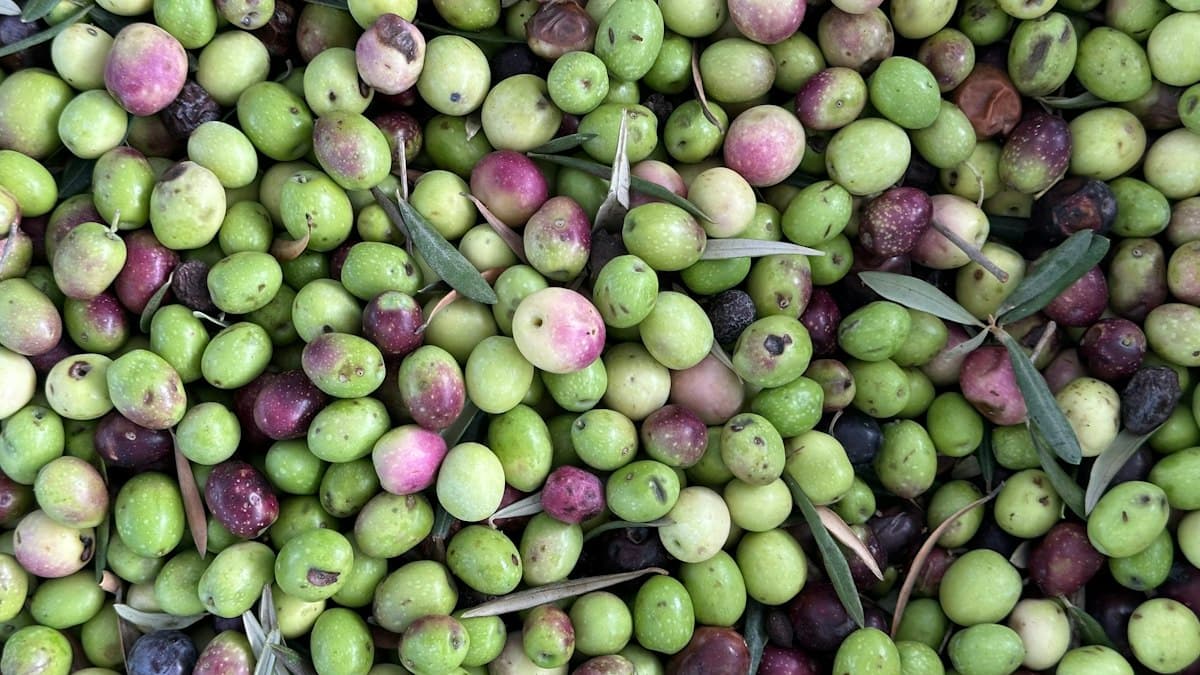
Early-harvest olives are generally known to yield oils with higher polyphenol content, because oleuropein remains concentrated in the fruit before it has fully degraded. According to International Olive Council (IOC) criteria, an EVOO with a polyphenol content above 250 mg/kg can be classified as high-polyphenol, and some premium single-varietal oils have been reported to reach 600–800 mg/kg or more.
The Picual cultivar has been reported to deliver high polyphenol content alongside strong oxidative stability. Ojiblanca and Sibarita are also known as cultivars that combine delicate flavor profiles with medium-to-high polyphenol levels.
Putting It on the Plate: The Context of Daily Intake
Nutritional epidemiology consistently points to regular, moderate dietary intake as more meaningful than occasional large doses of antioxidant nutrients. Using EVOO as part of post-exercise recovery meals is, in fact, a long-standing practice within the Mediterranean dietary tradition.
A practical approach is to drizzle a high-quality EVOO over a protein-containing recovery meal — Greek yogurt, chicken, tofu — or spoon it over whole-grain bread. Consuming EVOO cold, without heating, minimizes polyphenol loss; some heat-sensitive polyphenols have been reported to decrease during high-temperature cooking.
The characteristic bitterness and peppery finish of fresh EVOO — known as piccante — is widely regarded as an indicator of oleocanthal content. A mild catch at the back of the throat on swallowing is generally considered a sign that the polyphenols are intact and the oil is fresh.
For anyone committed to exercising consistently over the long term, EVOO can serve as more than a cooking ingredient — it may represent a practical, everyday antioxidant strategy at the table. That said, anyone considering significantly increasing their intake for a specific health purpose, or combining it with supplements, is advised to consult a qualified healthcare professional.
Frequently asked questions
- Does extra virgin olive oil help with muscle recovery after exercise?
- Research is still early and mostly based on small trials, but a pilot study published in Nutrients (2020) reported a tendency toward reduced oxidative stress markers in endurance athletes who supplemented with high-polyphenol EVOO for four weeks. Larger confirmatory studies are needed before firm conclusions can be drawn.
- What polyphenols in olive oil are relevant to post-exercise oxidative stress?
- The most studied compounds are oleuropein, hydroxytyrosol, and oleocanthal. The European Food Safety Authority (EFSA) officially recognized in 2011 that consuming at least 5 mg of hydroxytyrosol and related compounds per 20 ml of olive oil per day may contribute to protecting LDL cholesterol from oxidative damage.
- What is oleocanthal and why does it matter for athletes?
- Oleocanthal is a phenolic compound found in EVOO. According to research from the Monell Chemical Senses Center, it can inhibit COX-1 and COX-2 enzyme activity in a manner structurally similar to the NSAID ibuprofen. However, the gap between dietary intake levels and pharmaceutical doses is significant, so equating the two is premature.
- How much polyphenol should a high-quality EVOO contain?
- According to International Olive Council (IOC) criteria, an EVOO with a polyphenol content above 250 mg/kg can be classified as high-polyphenol. Some premium single-varietal oils — particularly early-harvest Picual — have been reported to reach 600–800 mg/kg or more.
- Is it better to use olive oil raw rather than cooked after a workout?
- Consuming EVOO without heating minimizes polyphenol loss. Some heat-sensitive polyphenols have been reported to decrease with high-temperature cooking, so drizzling a quality EVOO cold over a post-workout meal is a practical way to preserve its antioxidant content.
Related reading
- Olive Oil and Exercise Recovery: What Sports Nutrition Research Has Found So Far
Studies in sports nutrition are examining how dietary polyphenols and oleic acid in extra virgin olive oil may contribute to managing oxidative stress after intense exercise. The evidence is still building, but the findings point in a consistent direction.
- Senescent Cells, Senolytics, and the Question of Olive Oil Polyphenols
The senolytic diet hypothesis has drawn attention to plant polyphenols as potential allies against aging cells. This guide maps where extra virgin olive oil's oleocanthal and related phenolic compounds currently sit in that research — and what the evidence cannot yet support.
- Olive Oil, Antioxidants, and Fatigue: A Guide to the Emerging Clinical Research
Extra virgin olive oil is drawing growing attention in oxidative stress and chronic fatigue research, with its polyphenols and oleic acid studied for potential roles in cellular energy metabolism. Here is what the current clinical evidence actually shows.
- Olive Oil in Post-Exercise Recovery Diets: A Guide to the Polyphenol and Muscle-Damage Research
Studies in sports nutrition are examining whether the polyphenols in extra virgin olive oil are associated with lower oxidative-stress markers after intense exercise. Here is a summary of where the research currently stands.
- Heat, Polyphenols, and Fat Stability: What Cooking Actually Does to EVOO
Heating extra-virgin olive oil reduces certain nutrients — but the scale of that loss depends on temperature, duration, and the oil's starting polyphenol concentration. Here is what peer-reviewed research reports, and what it means in a home kitchen.
- Five Markers, One Oil: EVOO and Metabolic Syndrome in Context
Waist circumference, blood pressure, fasting glucose, triglycerides, HDL — metabolic syndrome is defined by five converging risk factors. A review of the current research on where extra-virgin olive oil fits into that picture.
Tags
- evoo
- exercise recovery
- polyphenols
- antioxidants
- sports nutrition