Guides
From the Murray River to Your Table: The Cobram Estate Story
Nestled along the Murray River in Victoria, Australia, Cobram Estate runs one of the Southern Hemisphere's largest single-farm olive operations—controlling everything from grove to bottle. OLEA looks at the land, the philosophy, and the quality standards behind it.
Translated from the Korean edition, originally published June 16, 2026 · read the original
A Growing Region Shaped by the Murray River
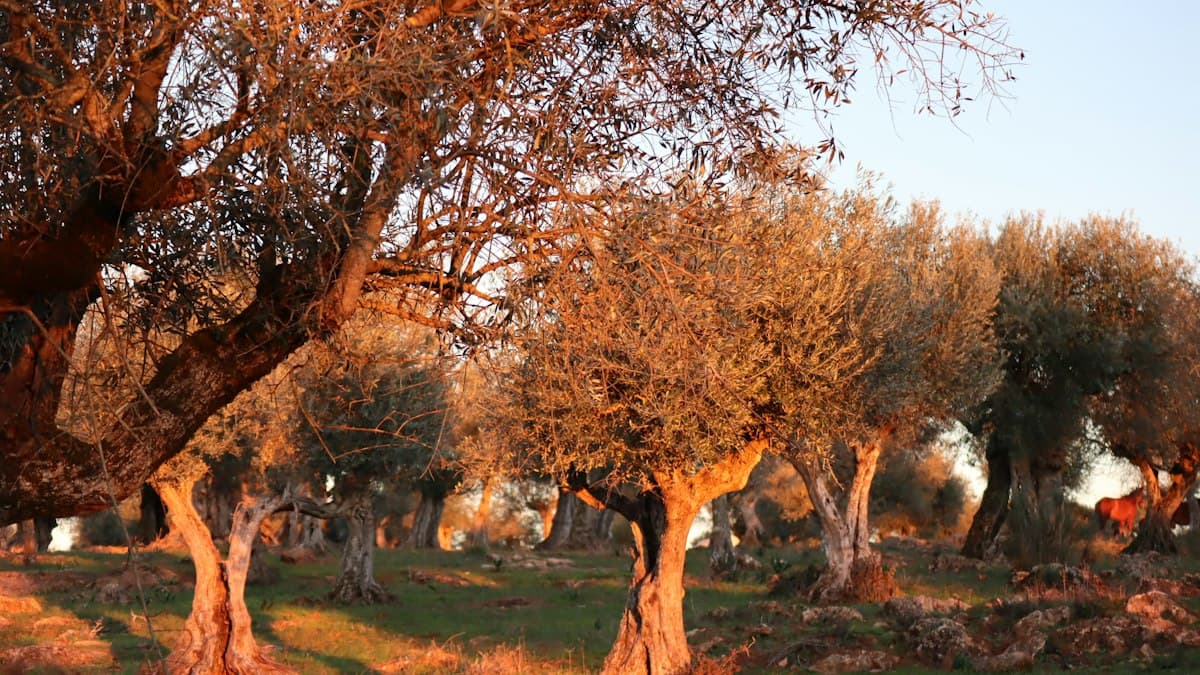
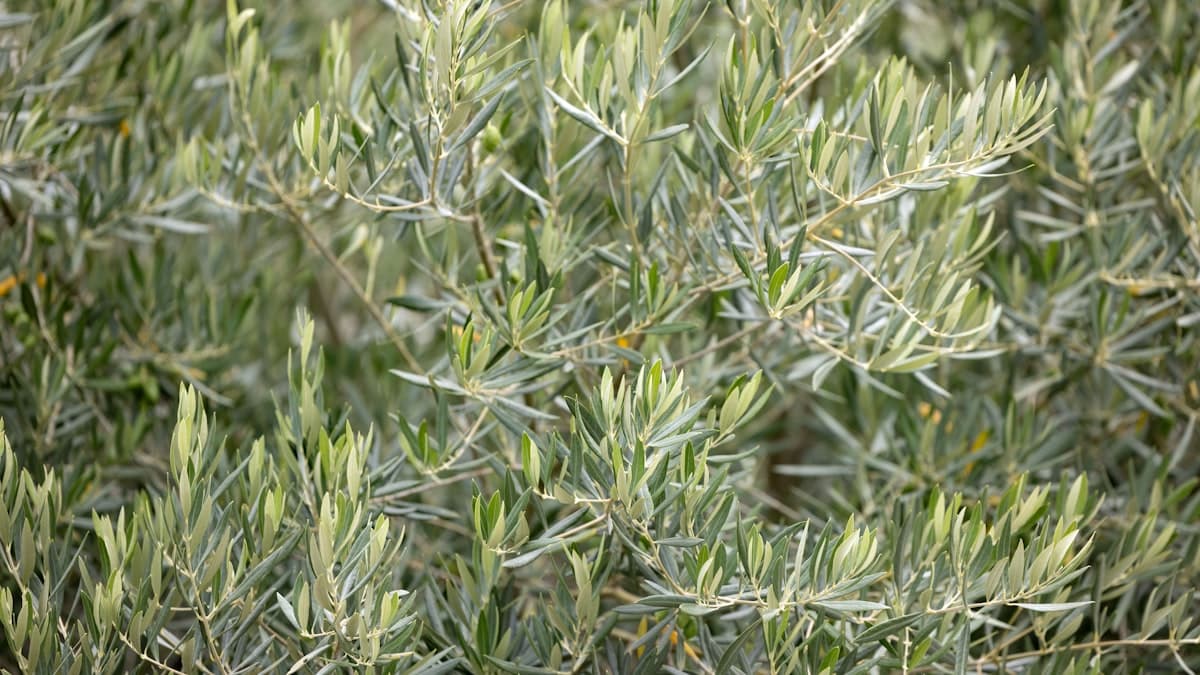
The Murray River corridor that separates northern Victoria from New South Wales is a high-sunshine, continental-climate zone with sharp swings between summer heat and cool winters. Those conditions slow the ripening of olive fruit and allow polyphenols and aromatic compounds to build gradually inside each drupe. Cobram Estate is rooted in this landscape, spread across the broad plains near the town of Cobram.
Founded in 1998, the operation now holds more than 20 million olive trees, according to the company's own published figures—placing it among the largest olive complexes in the Southern Hemisphere. Sheer scale is not, however, what draws industry attention. What sets Cobram Estate apart is its vertically integrated structure: cultivation, harvest, milling, and bottling all happen within the bounds of a single farm.

Hours from Grove to Mill—The Early-Harvest Approach
One of the most consequential variables in extra virgin olive oil quality is the gap between picking and pressing. Once fruit is harvested, oxidation begins and acidity climbs while polyphenol content falls. Cobram Estate addresses this directly: the company states that its on-site mill sits adjacent to the orchards, so harvested olives are processed within a matter of hours on average.
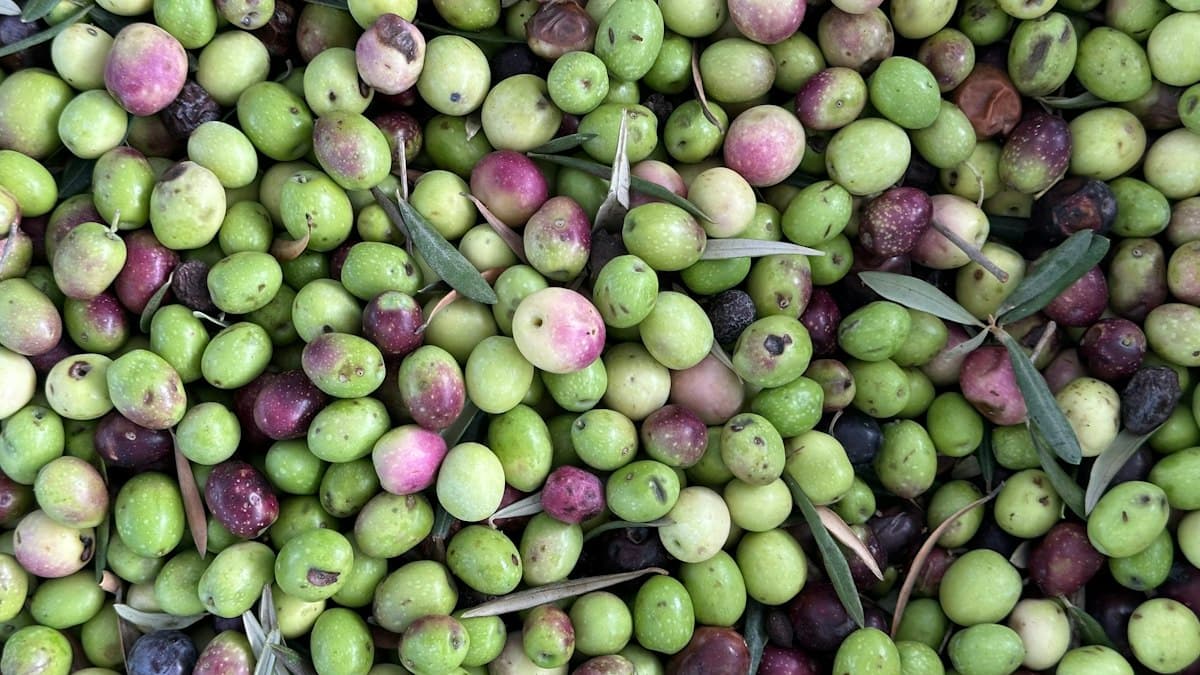
The farm also commits to early harvesting. Picking at or just before veraison—when the fruit is transitioning from green toward purple, before full ripeness—tends to yield oil with lower acidity and higher polyphenol concentrations. The trade-off is a reduced oil-per-fruit yield, but food science literature has widely reported advantages in flavour complexity and oxidative stability at this stage of maturity.
The International Olive Council (IOC) defines extra virgin grade as requiring free fatty acidity at or below 0.8% and a peroxide value no higher than 20 meq/kg. Cobram Estate states that its Classic line is managed to below 0.2% acidity—roughly one quarter of the IOC ceiling.
Cultivar Mix and Flavour Profiles
The farm's principal cultivars fall into two regional traditions. From Spain come Hojiblanca and Picual; from Italy, Frantoio and Leccino. Because these varieties express differently in the bottle, Cobram Estate organises its range into three tiers—Light, Classic, and Robust—matched to different cooking styles and palate preferences.
The Light tier is characterised by a buttery texture and low bitterness, making it well suited to salad dressings and finishing. Classic offers green-fruit aromas and a gently balanced pepperiness that works across sautéed dishes and pasta. Robust presents the longer, more assertive profile typical of high-polyphenol oils—artichoke and fresh-grass notes with a lingering bitter finish—for those who want the full character of a true early-harvest oil.

Awards and Third-Party Verification
Third-party certification and competition results are among the most accessible reference points for consumers evaluating quality claims. According to NYIOOC official results, Cobram Estate has appeared consistently on the gold-medal list since the mid-2010s, and the farm has also collected awards at the EVOOLEUM competition. Sustained performance across multiple harvests is generally read as evidence of year-on-year production consistency rather than a single exceptional crop.
The broader context matters here. A 2011 report from the UC Davis Olive Center found that a significant proportion of olive oils sold in commerce fell short of extra virgin standards, and the researchers highlighted traceability and on-site milling infrastructure as key factors in maintaining quality. Cobram Estate's single-farm model directly addresses both concerns.
What Southern Hemisphere Production Means for the World Market
Because Australia sits in the Southern Hemisphere, its olive calendar runs opposite to that of the Mediterranean. The Australian harvest falls between April and June—precisely the window when European and North African producers have finished pressing and are drawing from stored inventory. For global consumers, this seasonal offset means freshly milled extra virgin oil can be sourced year-round rather than only in the months following a Northern Hemisphere autumn harvest.
According to the Australian Olive Association (AOA), domestic olive oil consumption has grown steadily since the 2000s, and consumer awareness of locally produced high-quality EVOO continues to rise. Cobram Estate is widely cited as the leading brand by domestic market share in Australia, and the company has been expanding exports to the United States, Japan, South Korea, and other markets across Asia.
For any shopper evaluating a bottle of olive oil, three reference points hold up well: transparency about origin, documented control over harvest-to-mill timing, and verifiable third-party recognition. Cobram Estate's single-farm structure integrates all three, and the operation stands as a clear illustration of what Australian extra virgin olive oil production can look like at scale.
Frequently asked questions
- Where is Cobram Estate olive oil made?
- Cobram Estate is based near the town of Cobram in northern Victoria, Australia, along the Murray River. According to the company, all growing, harvesting, milling, and bottling takes place on the same property.
- What is the acidity level of Cobram Estate olive oil?
- Cobram Estate states that its Classic line is kept below 0.2% free fatty acidity—well under the 0.8% ceiling that the International Olive Council sets for extra virgin grade.
- What olive varieties does Cobram Estate use?
- The main cultivars are Spanish-origin Hojiblanca and Picual, alongside Italian-origin Frantoio and Leccino. These are blended into three style tiers—Light, Classic, and Robust—to suit different cooking uses.
- Has Cobram Estate won international olive oil awards?
- Yes. According to NYIOOC official results, Cobram Estate has appeared on the award list consistently since the mid-2010s, winning gold medals at competitions including the New York International Olive Oil Competition and the EVOOLEUM awards.
- Why does Australian olive oil matter for global shoppers?
- Australia's harvest runs from April to June—the opposite of the Mediterranean calendar. This means freshly pressed Southern Hemisphere oil reaches the market precisely when Northern Hemisphere producers are drawing down stored stock, offering consumers year-round access to recently harvested extra virgin olive oil.
Related reading
- Can Olive Oil Be Collected? Inside the Emerging Gourmet Asset Market
Sotheby's wine and spirits sales reached $127.5 million in 2025, up roughly 12% year-on-year, as a younger generation of buyers reshapes the collectible food and drink market. Extra-virgin olive oil — through limited-run pressings, single-estate auctions, and numbered bottles — is edging into that conversation.
- Frantoio Franci Villa Magra: The Tuscan Oil That Keeps Scoring 100 Points
Frantoio Franci's Villa Magra is a single-estate extra virgin line from the Maremma hills of Grosseto, Tuscany, that has earned top scores at multiple international competitions. This guide examines the early-harvest philosophy, cultivar blend, and quality figures behind its reputation.
- Gold, Silver, Best in Class: A Practical Guide to Olive Oil Award Labels
Award medals on olive oil bottles are everywhere — but not all of them carry equal weight. This guide breaks down how international competitions work, what each tier actually means, and how to read a label so the medal tells you something real.
- Four Generations on the Same California Hill: The Story of Apollo Olive Oil
Tucked into the foothills of the Sierra Nevada, Apollo Olive Oil is a family farm that has tended organic olives across four generations. OLEA looks at the early-harvest philosophy, cold-press discipline, and varietal range that define its extra virgin oils.
- How Boundary Bend Rewrote the Rules for Australian Olive Oil
Situated in Victoria's Sunraysia region along the Murray River, Boundary Bend operates the Southern Hemisphere's largest olive estate — and has spent two decades pushing Australian extra virgin olive oil toward a new quality benchmark.
- Five Lines on the Label That Separate a Good EVOO from a Mediocre One
When two bottles of extra virgin olive oil sit at the same price point, the difference is usually already written on the label. A guide to the five things worth checking before you buy.
Tags
- cobram estate
- australian olive oil
- extra virgin olive oil
- single farm
- early harvest
- evoo