Guides
Four Generations on the Same California Hill: The Story of Apollo Olive Oil
Tucked into the foothills of the Sierra Nevada, Apollo Olive Oil is a family farm that has tended organic olives across four generations. OLEA looks at the early-harvest philosophy, cold-press discipline, and varietal range that define its extra virgin oils.
Translated from the Korean edition, originally published July 13, 2026 · read the original
A Century in the Sierra Nevada Foothills
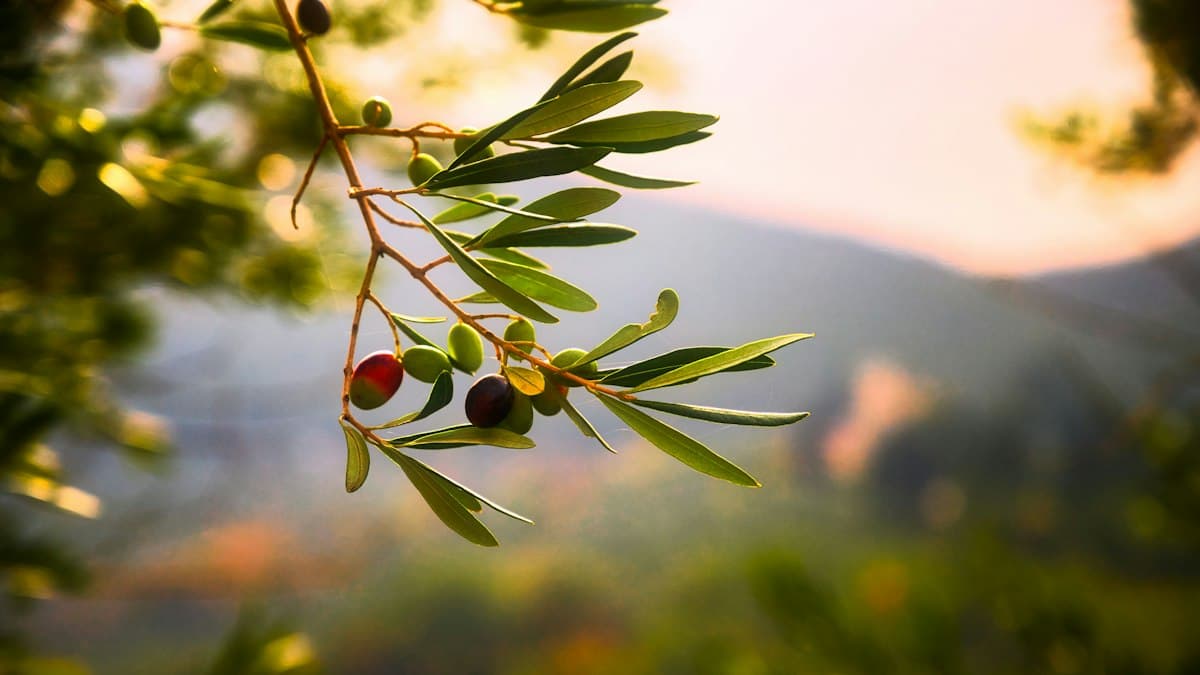
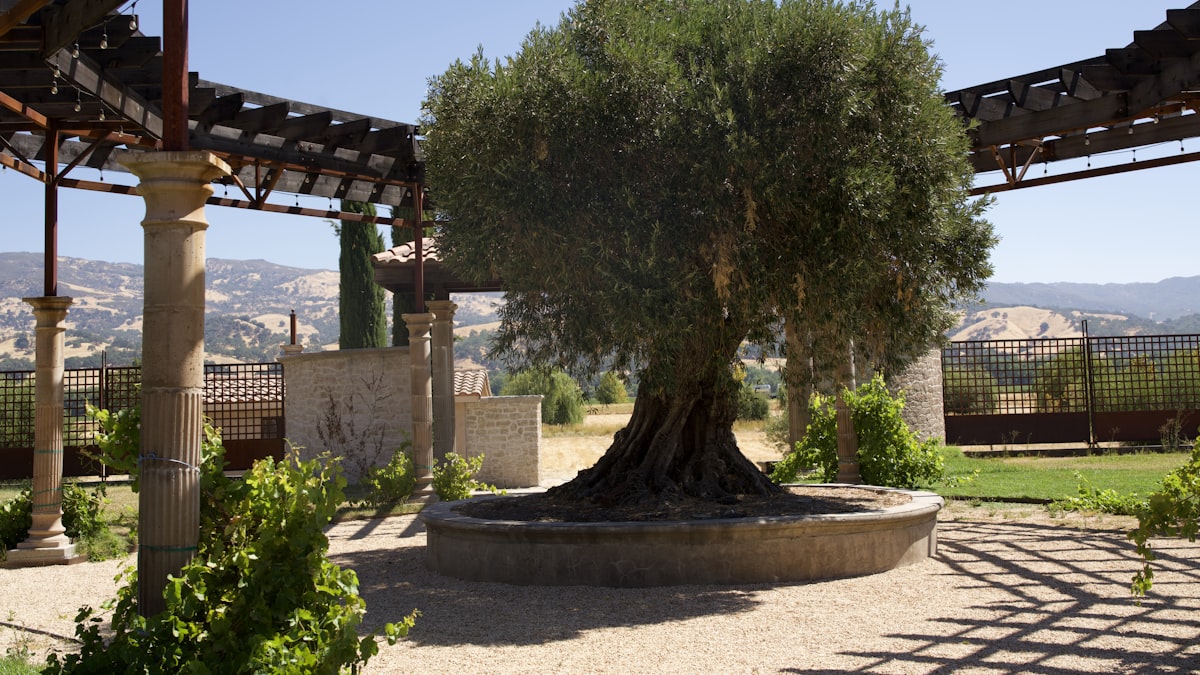
On the gentle, sun-baked hills of northern California's Sierra Nevada western slope, just outside Oroville in Butte County, sits Apollo Olive Oil. An Italian immigrant family first planted olive trees here in the late nineteenth century; today, the fourth generation tends the same land. Butte County's Mediterranean-like climate and granite-based soils are widely regarded as favorable conditions for olive cultivation.
Apollo began attracting serious attention on the international stage in the early 2000s, a period when California's extra virgin olive oil industry was expanding rapidly. According to data from the California Olive Oil Council (COOC), California EVOO production recorded double-digit average annual growth through that decade, gradually establishing itself as a regionally distinctive product. Within that wave of expansion, Apollo is consistently cited as a farm that chose quality over scale.

Early Harvest and Cold Press: Two Principles, No Exceptions
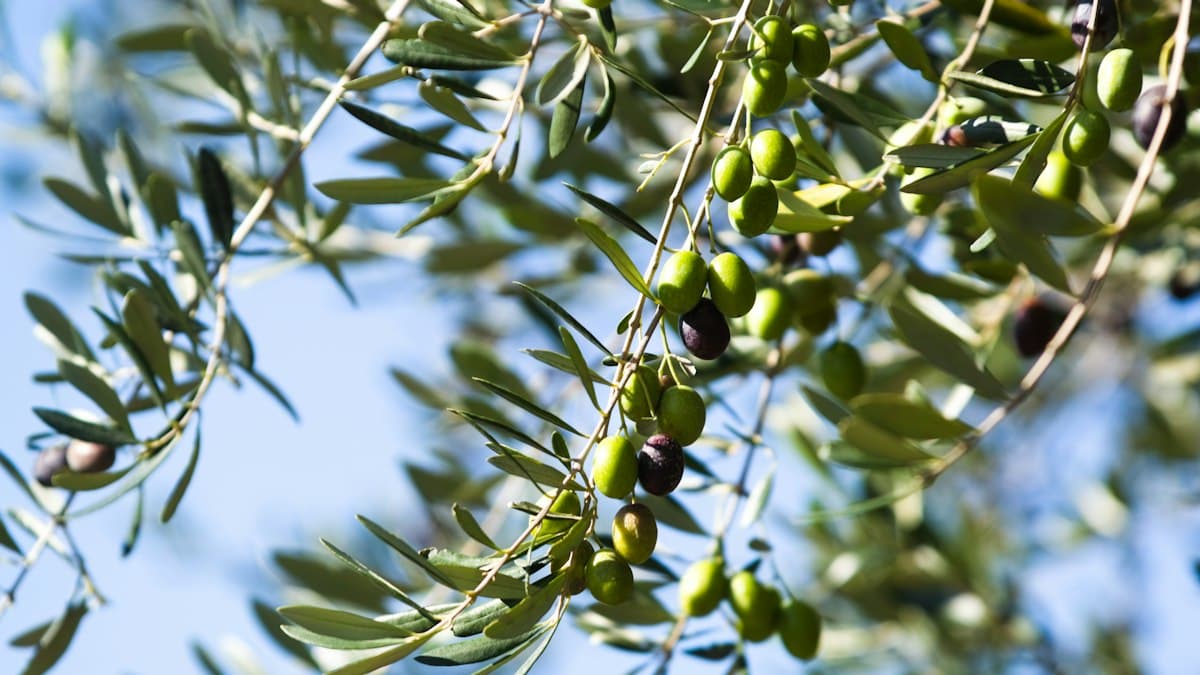
Apollo's philosophy reduces to two phrases: early harvest and cold press. Picking olives before they fully ripen — when the fruit is still in its green-to-black transition — lowers yield per tree while raising polyphenol content. IOC technical reports note that lower olive maturity is associated with higher concentrations of phenolic compounds including oleocanthal and oleuropein. Apollo accepts the yield penalty to preserve those compounds.
Once harvested, the olives move to the press within twenty-four hours. Maintaining extraction temperatures at or below 27 °C is a baseline requirement for extra virgin certification, but Apollo is reported to apply that threshold particularly strictly in order to minimize the loss of aromatic compounds through heat. The resulting oils are characterized by notes of fresh grass and artichoke, with a peppery finish on the back of the throat.
From Single Varietal to Blend: A Diverse Grove
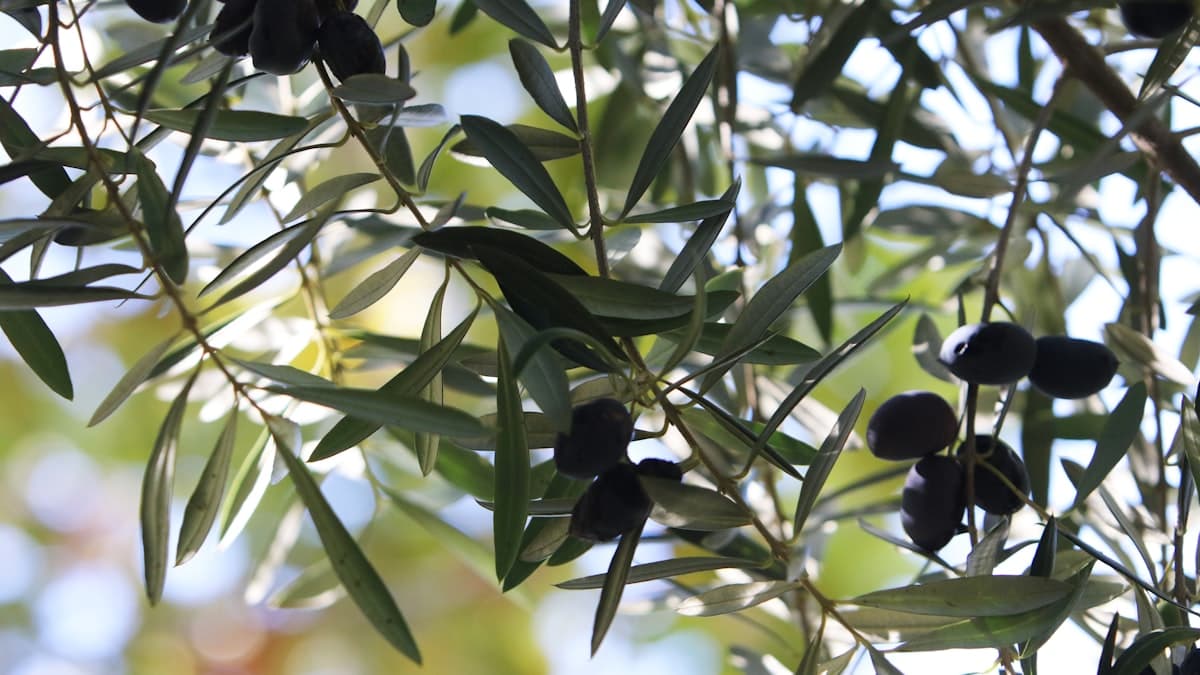
The Apollo grove is planted with several distinct varieties. Italian cultivars — Maurino, Leccino, and Pendolino — share the hillside with the Spanish Arbequina. That diversity allows the farm to offer both single-varietal oils and blended expressions.
In the single-varietal lineup, Maurino is noted for its full body and herbal character, while Arbequina tends toward a buttery, softer texture. Blended oils are built by adjusting the harvest timing and varietal ratios each year to construct layered complexity — an approach that effectively applies the concept of a wine vintage to olive oil, with each year's recipe shaped by that season's climate.
USDA Organic Certification and Sustainable Practice
Apollo Olive Oil carries USDA Organic certification, farming without synthetic pesticides or chemical fertilizers. The farm maintains soil health through cover cropping and compost cycling. While U.S. organic food sales have grown steadily — the Organic Trade Association's 2023 report recorded year-on-year growth of approximately 3.4 percent — Apollo is regarded as a farm that adopted organic practices well before that momentum built.
On water management, Apollo has installed drip irrigation systems to reduce consumption. In California, where dry seasons have been growing longer, efficient water use is widely considered one of the central challenges of sustainable agriculture.
International Recognition and California EVOO's Standing
Apollo holds multiple awards from leading competitions, including the New York International Olive Oil Competition (NYIOOC) and the LA International Extra Virgin Olive Oil Competition. These results are frequently cited as evidence that California extra virgin olive oil has reached quality levels comparable to the best Mediterranean producers.
A key part of that competitive standing comes from rigorous standards. The COOC certification against which Apollo is measured is reported to be stricter than IOC baseline requirements on both acidity and sensory evaluation. Apollo has maintained that certification consistently — a record that reflects the combination of four generations of accumulated farming knowledge and modern quality control.
Why the Farm's Story Matters When You Choose an Olive Oil
The Apollo story illustrates why traceability matters when selecting extra virgin olive oil. Knowing which land, which variety, which harvest window, and which extraction method produced the oil in your hand is not background noise — it is the starting point for understanding both the flavor and the composition of what you are tasting.
The knowledge built up over four generations on the same ground is the kind that does not translate easily into data. How much rain fell in a given spring. Which slope's trees ripen earliest. How to shift the blend ratio so that a particular year's character comes through. That embodied knowledge ends up in the bottle. Developing a habit of looking into the background of an oil before you buy it remains one of the most reliable ways to find a good one.
Frequently asked questions
- Where is Apollo Olive Oil located?
- Apollo Olive Oil is located near Oroville in Butte County, California, on the gentle slopes of the western Sierra Nevada foothills. The farm has been worked by the same family since Italian immigrants first planted olive trees there in the late nineteenth century.
- What does 'early harvest' mean for olive oil?
- Early harvest means picking olives before they are fully ripe, while the fruit is still transitioning from green to black. According to IOC technical reports, lower olive maturity is associated with higher concentrations of phenolic compounds such as oleocanthal and oleuropein. The trade-off is a reduced oil yield per kilogram of fruit.
- What olive varieties does Apollo grow?
- Apollo grows several Italian varieties — Maurino, Leccino, and Pendolino — alongside the Spanish cultivar Arbequina. The farm uses these to produce both single-varietal oils and blended oils whose recipes are adjusted each year to reflect that season's growing conditions.
- Is Apollo Olive Oil certified organic?
- Yes. Apollo Olive Oil holds USDA Organic certification. The farm does not use synthetic pesticides or chemical fertilizers, relying instead on cover cropping and compost cycling to maintain soil health. It has practiced organic farming for longer than the current market trend; according to a 2023 Organic Trade Association report, U.S. organic food sales grew roughly 3.4 percent year-on-year.
- Has Apollo Olive Oil won international awards?
- Apollo holds multiple awards from competitions including the New York International Olive Oil Competition (NYIOOC) and the LA International Extra Virgin Olive Oil Competition. The farm also maintains certification from the California Olive Oil Council (COOC), whose acidity and sensory standards are reported to be stricter than the IOC baseline.
Related reading
- From the Murray River to Your Table: The Cobram Estate Story
Nestled along the Murray River in Victoria, Australia, Cobram Estate runs one of the Southern Hemisphere's largest single-farm olive operations—controlling everything from grove to bottle. OLEA looks at the land, the philosophy, and the quality standards behind it.
- Andalusia: How One Region Came to Produce a Third of the World's Olive Oil
From Phoenician traders to single-estate pressing, Spain's Andalusia has held its place at the center of global olive oil production for more than a thousand years. A look at the history behind the world's largest EVOO-producing region.
- The Mediterranean Diet Just Topped the U.S. News Rankings for the Eighth Year Running
U.S. News & World Report has ranked the Mediterranean diet first overall for eight consecutive years, scoring 4.8 out of 5.0 in its most recent comprehensive evaluation. OLEA looks at where extra-virgin olive oil fits within that eating pattern.
- Four Cooking Oils, Four Nutritional Profiles: EVOO, Sesame, Perilla, and Avocado Compared
Extra virgin olive oil, sesame oil, perilla oil, and avocado oil share shelf space in many kitchens, yet their fatty-acid profiles and specialty compounds differ considerably. A look at what the data actually shows.
- Eight Years at the Top: Why the Mediterranean Diet Keeps Winning
U.S. News & World Report has ranked the Mediterranean diet number one for the eighth consecutive year in its 2025 Best Diets evaluation. Here is a look at the scoring methodology and the clinical evidence behind the result.
- EVOO Daily Intake: Calories, Quantities, and What the Evidence Actually Recommends
One tablespoon of extra virgin olive oil delivers roughly 119 kcal. This guide walks through what major institutions and clinical research say about daily quantities, and how to fit EVOO into a real diet.
Tags
- california olive oil
- apollo olive oil
- early harvest
- organic
- evoo