Guides
Five Lines on the Label That Separate a Good EVOO from a Mediocre One
When two bottles of extra virgin olive oil sit at the same price point, the difference is usually already written on the label. A guide to the five things worth checking before you buy.
Translated from the Korean edition, originally published May 18, 2023 · read the original
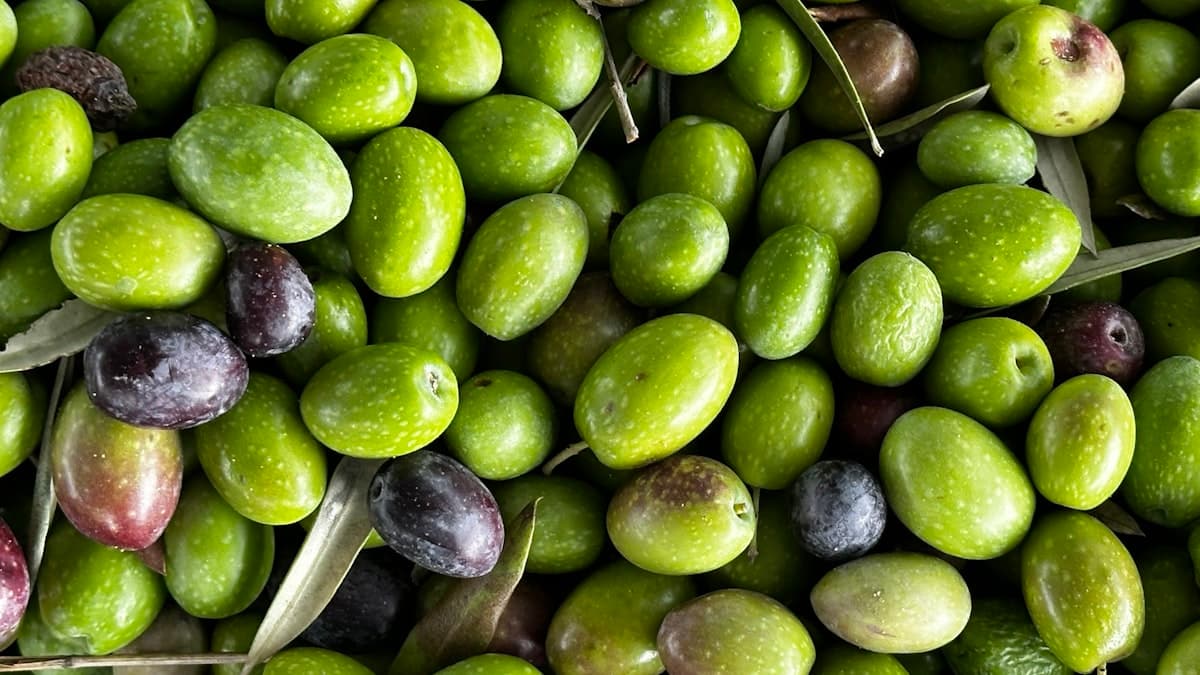
When two bottles of EVOO sit at the same price on the shelf, the information that separates them is usually already printed on the label. Following the grade standards set by the International Olive Council (IOC) and EU labelling regulations, five items are worth checking every time.
Origin: country first, then region
A label that reads only "Made in Italy" may mean nothing more than that the oil was bottled there. The more useful signal is a label that names both a country and a specific growing region — "Spain — Andalucía (Córdoba)", for instance — because that level of detail makes the origin traceable. Phrases such as "Product of EU" or "Blended in Italy" suggest the bottle contains a blend from multiple origins.
Harvest year and press date as freshness indicators
The harvest year is the EVOO equivalent of a vintage. If it is two or more seasons back, the bottle has had time to age on the shelf — worth bearing in mind given that consumption within 18 months of harvest is generally recommended. A press date, where one is printed, is an even more precise indicator: brands that display it are operating with a higher degree of process transparency than those that do not.
Grade is a regulated term, not a marketing claim
Extra Virgin is a classification defined by the IOC and encoded in EU regulation, not a style description a producer can apply freely. It applies only to oil that is cold-pressed, mechanically extracted at the first pressing, and measures no more than 0.8% free acidity. Products labelled "Pure" or "Classic" are typically blends of refined and virgin-grade oil. "Pomace" is extracted from the solid residue remaining after pressing. A label that says simply "Olive Oil" is, in all likelihood, not EVOO.
Acidity: a measured number tells the most honest story
The regulatory ceiling for EVOO is 0.8% free acidity, but the number itself varies considerably across compliant oils. Premium producers often print their actual measured figure. A result in the 0.2–0.4% range, cited on the label as a laboratory-tested value, is a reliable sign that the brand is treating its label as a data sheet rather than a design exercise. When all five of these items appear together, the label is doing the work it should.
Frequently asked questions
- What does 'Product of EU' mean on an olive oil label?
- 'Product of EU' indicates that olives from more than one member state were blended, making it impossible to trace the oil to a single origin. Labels that name a specific country and region — for example, Spain, Andalucía (Córdoba) — offer a higher level of traceability.
- How old is too old for extra virgin olive oil?
- Consumption within 18 months of harvest is generally recommended. If the harvest year on the label is two or more seasons back, the bottle has likely been sitting on the shelf for some time. A press date, where shown, gives an even more precise picture of freshness.
- What is the difference between EVOO and 'Pure' or 'Classic' olive oil?
- Under International Olive Council (IOC) grade standards and EU labelling regulations, Extra Virgin Olive Oil must be cold-pressed, mechanically extracted, and register no more than 0.8% free acidity. Products labelled 'Pure' or 'Classic' are typically blends of refined oil and virgin-grade oil. 'Pomace' oil is extracted from the solid residue left after pressing and is a distinct, lower category.
- What acidity level should I look for in a premium EVOO?
- The regulatory ceiling for EVOO is 0.8% free acidity, but premium producers often print their measured figure on the label. A reading in the 0.2–0.4% range, backed by a laboratory certificate, is a reliable indicator that a brand treats its label as data rather than marketing copy.
- Is 'Made in Italy' a guarantee the olives are Italian?
- No. 'Made in Italy' or 'Bottled in Italy' can legally refer only to where the bottling took place, not where the olives were grown. Look for labels that state both the country and a named growing region to confirm the origin of the fruit itself.
Related reading
- DOP and IGP on Olive Oil Labels: What the EU Protection Marks Actually Guarantee
The European Union's DOP and IGP marks protect where a food comes from and how it is made. Here is how those designations work when you find them on an olive oil label.
- Spot a Fake EVOO at the Shelf: Three Label Clues That Matter
Cases of adulterated extra virgin olive oil — refined oils dyed to look the part — continue to surface in global markets. A focused check of three label signals is the fastest way to narrow the risk before you buy.
- Six Supermarket EVOOs, Ranked by Acidity and Origin
From a sub-1% acidity Spanish single-estate to entry-level Korean-imported blends, six widely available extra virgin olive oils are compared on the facts that actually matter at the shelf.
- Daily EVOO Under $20: How to Read the Shelf and Pick the Right Bottle
Two bottles labeled 'extra virgin' can sit side by side at very different prices — and both can be the right choice, depending on how fast you cook through them. Here is how to read the signals that matter in the budget tier.
- Organic EVOO Certifications Decoded: Euro-leaf, USDA, and Demeter
Three certification marks — the EU Euro-leaf, USDA Organic, and Demeter — divide the organic EVOO shelf into meaningfully different tiers. Understanding what each one actually requires makes it far easier to judge whether the premium is worth paying.
- Four Price Tiers of Extra Virgin Olive Oil — and What Each One Actually Buys You
From entry-level PET-bottle blends to single-estate premiums, the EVOO shelf divides into four distinct tiers. Knowing what separates them makes it easier to shop with intention.