Guides
Before Perimenopause Hits: Building Your Olive Oil Diet Strategy in Your 40s
The years before menopause bring gradual shifts in estrogen and progesterone that can affect body composition, insulin sensitivity, and bone density. Mediterranean diet research suggests that the monounsaturated fats and polyphenols in extra virgin olive oil may contribute to dietary balance during this transitional decade.
Translated from the Korean edition, originally published August 27, 2026 · read the original

The hormonal preview begins in your 40s
Menopause does not arrive without warning. The medical community defines the two to eight years before a woman's final period as perimenopause, a phase during which estrogen and progesterone secretion patterns already begin to fluctuate. According to data from the North American Menopause Society (NAMS), perimenopause typically starts in the early-to-mid forties, and may involve a complex cluster of physiological changes — not only vasomotor symptoms such as hot flushes and night sweats, but also shifts in body fat distribution, reduced insulin sensitivity, and declining bone density.
What a woman eats during this decade is more than a nutrition question. The type and quality of dietary fat matters because fat serves as the raw material for steroid hormone synthesis and has been reported to influence inflammatory signalling pathways — making fat selection one of the more consequential variables in a perimenopausal diet.
Dietary fat and female hormones — where the differences lie
Estrogen and progesterone are steroid hormones synthesised from cholesterol as a precursor. Nutritional researchers have long raised the concern that severely fat-restricted diets may leave the body short of the substrate it needs for hormone synthesis. At the same time, numerous studies have reported that excessive saturated fat intake is associated with elevated low-density lipoprotein (LDL) levels and a greater inflammatory burden.
Between those two extremes, monounsaturated fatty acids (MUFA) — and oleic acid in particular — have attracted considerable attention. Oleic acid is the primary fatty acid in extra virgin olive oil, accounting for 55–83% of its total fatty acid composition. A Mediterranean diet cohort analysis published in Nutrients in 2021 reported that perimenopausal women following a dietary pattern with a higher MUFA ratio showed meaningfully different blood lipid profiles and inflammatory markers compared with women in a saturated-fat-dominant group. The researchers cautioned, however, that it is too early to conclude a direct causal relationship between that pattern and measurable hormonal changes.
Polyphenols — why oil quality is the deciding factor
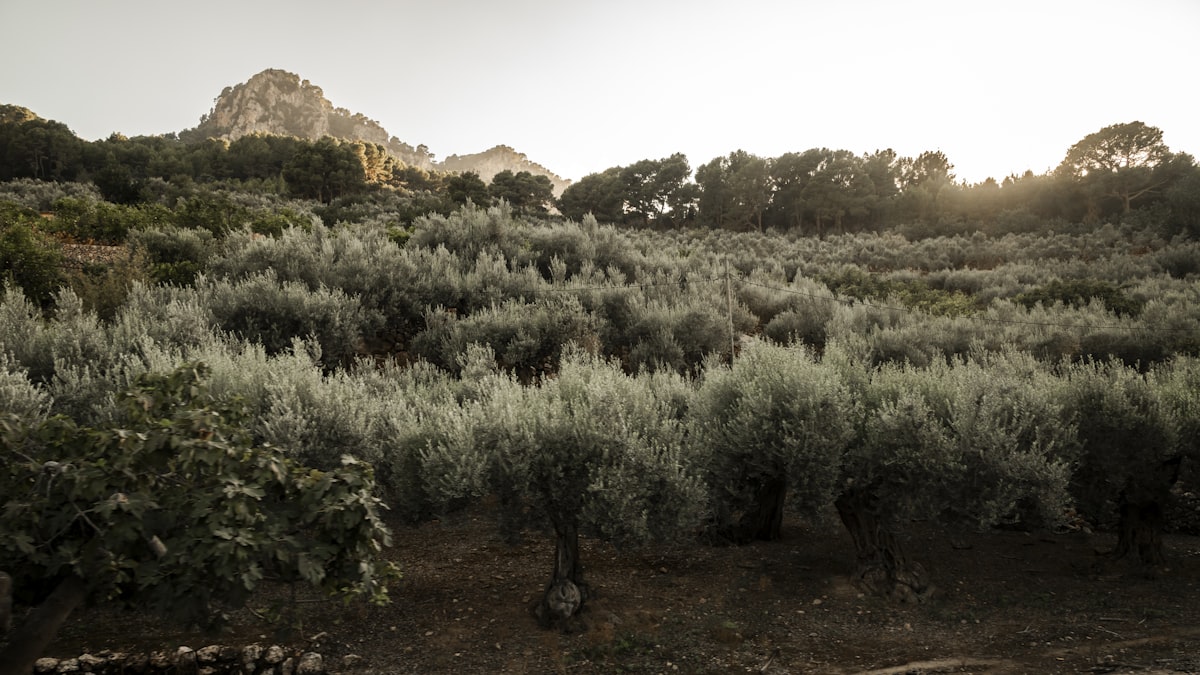
The most significant difference between extra virgin olive oil and standard refined olive oil is polyphenol content. Olive-specific phenolic compounds — including oleocanthal, olacein, and hydroxytyrosol — are largely lost during industrial refining.
In 2011, the European Food Safety Authority (EFSA) completed a scientific review and approved a health claim stating that the polyphenols in extra virgin olive oil — specifically 5 mg of hydroxytyrosol and its derivatives per 20 g of oil — contribute to the protection of blood lipids from oxidative stress. This represents a formal regulatory acknowledgement that the polyphenols in EVOO may interact with oxidative stress pathways, and is frequently cited as one of the evidence-based reasons to choose a high-polyphenol oil.
Oxidative stress is particularly relevant during perimenopause because research has indicated that antioxidant defence capacity may shift as estrogen levels decline. A review published in the journal Antioxidants in 2022 noted that multiple clinical studies have explored the association between polyphenol intake and oxidative stress markers in women around menopause, while also stating that further research is needed to establish consistent conclusions across those findings.
What Mediterranean diet cohorts have shown for women in their 40s
The Mediterranean diet is a dietary pattern, not a single food. It centres on extra virgin olive oil as the primary fat source, combined with vegetables, legumes, whole grains, fish, and moderate dairy, while limiting red meat and processed foods.
The large Spanish cohort study PREDIMED (Prevención con Dieta Mediterránea), which tracked cardiovascular risk factors in adults over time, reported a trend toward improved cardiovascular composite markers in the group assigned to an extra virgin olive oil–enriched Mediterranean diet. Subgroup analyses of women around menopausal age have been reported as broadly consistent with that trend, though the researchers acknowledged that the study design makes it difficult to separate the contribution of olive oil alone from the overall dietary pattern.
A 2023 analysis by a research team at the University of Florence reported that perimenopausal women with high Mediterranean diet adherence showed relatively smaller shifts in body composition than those with low adherence. The authors specified that the findings most likely reflect the influence of the dietary pattern as a whole and that direct causation cannot be concluded.
Putting olive oil to work in your 40s kitchen
A consistent theme across these studies is quality over quantity. A daily intake of 1–2 tablespoons (approximately 15–30 ml) of extra virgin olive oil is the range most commonly used in clinical research settings. Using EVOO as a finishing drizzle over completed dishes or as a salad dressing — rather than exclusively as a high-heat cooking fat — is generally considered the better approach for preserving polyphenol content.
Selecting a bottle that clearly states acidity and polyphenol figures is a practical starting point. Under International Olive Council (IOC) standards, extra virgin olive oil must register a free acidity of 0.8% or below; lower acidity is generally associated with greater freshness and less flavour degradation. Polyphenol content varies considerably by origin, cultivar, and harvest date, so checking a certified lab figure on the label — or sourcing oils with documented analysis — is the recommended approach.
The prevailing view among specialists, as reported in the nutrition literature, is that dietary strategy in one's 40s is less about correcting specific symptoms and more about laying a stable foundation before change accelerates. Extra virgin olive oil is one of the better-studied components of that foundation.
Frequently asked questions
- Does olive oil help with perimenopause symptoms?
- No single food has been shown to treat perimenopause symptoms. However, studies published in journals such as Nutrients and Antioxidants report associations between higher monounsaturated fat intake and more favorable blood lipid and inflammatory markers in women around menopause. It is too early to conclude that olive oil directly improves hormonal symptoms.
- How much olive oil per day is used in women's health studies?
- Most clinical studies involving extra virgin olive oil set a daily intake of about 1–2 tablespoons (roughly 15–30 ml). The PREDIMED trial, which tracked cardiovascular outcomes in adults following a Mediterranean diet, used an enriched extra virgin olive oil arm in that general range.
- Why does polyphenol content matter, and how do I know how much is in my bottle?
- Polyphenols such as oleocanthal, olacein, and hydroxytyrosol are largely destroyed during refining, so only extra virgin olive oil retains meaningful amounts. EFSA approved a health claim in 2011 recognising that the polyphenols in EVOO — at least 5 mg of hydroxytyrosol and its derivatives per 20 g of oil — contribute to the protection of blood lipids from oxidative stress. Polyphenol levels vary widely by cultivar, harvest date, and origin; look for bottles that state a certified polyphenol figure or choose oils with documented lab analysis.
- Is it better to cook with olive oil or use it raw during perimenopause?
- Finishing dishes with extra virgin olive oil — as a salad dressing or drizzled over cooked food — is generally considered preferable for preserving polyphenols, which can degrade under sustained high heat. Cooking with EVOO at moderate temperatures is still common in Mediterranean diets and does not eliminate its monounsaturated fat content.
- What does the Mediterranean diet as a whole show for women in their 40s?
- A 2023 analysis by researchers at the University of Florence reported that perimenopausal women with higher Mediterranean diet adherence showed relatively smaller changes in body composition than those with lower adherence, though the researchers noted that isolating olive oil's individual contribution from the overall dietary pattern is difficult. The large Spanish PREDIMED cohort also reported improved cardiovascular composite markers in the EVOO-enriched group, with subgroup data for women around menopause broadly consistent with that trend.
Related reading
- Bone Health After Menopause: The Role EVOO Can Play at the Table
As estrogen declines at menopause, bone density can shift more quickly than many women expect. A growing body of research is exploring how extra virgin olive oil — the cornerstone of the Mediterranean diet — may fit into a bone-supportive eating pattern.
- Does Olive Oil You Eat Reach Your Skin? A Clinical Research Roundup
A growing body of clinical research is examining whether regular dietary intake of olive oil is associated with measurable changes in skin hydration and elasticity. This guide summarizes the current evidence, its limits, and how the findings sit within the broader context of Mediterranean eating patterns.
- Senescent Cells, Senolytics, and the Question of Olive Oil Polyphenols
The senolytic diet hypothesis has drawn attention to plant polyphenols as potential allies against aging cells. This guide maps where extra virgin olive oil's oleocanthal and related phenolic compounds currently sit in that research — and what the evidence cannot yet support.
- Olive Oil, Antioxidants, and Fatigue: A Guide to the Emerging Clinical Research
Extra virgin olive oil is drawing growing attention in oxidative stress and chronic fatigue research, with its polyphenols and oleic acid studied for potential roles in cellular energy metabolism. Here is what the current clinical evidence actually shows.
- Bone Health on the Table: What the Osteoblast and Calcitriol Research Says About Olive Oil
From oleic acid's reported role in osteoblast differentiation to calcitriol absorption and polyphenol activity, a growing body of cell and animal research links extra virgin olive oil to bone metabolism — though the clinical picture is still forming.
- Olive Oil and Inflammation: What Two Decades of Research Have Found
From oleocanthal's proposed COX-inhibiting mechanism to EFSA's conditional polyphenol claim, this guide traces what peer-reviewed research has — and has not — established about EVOO's role in an anti-inflammatory diet.
Tags
- perimenopause
- women's health
- mediterranean diet
- extra virgin olive oil
- polyphenols