Guides
Bone Health After Menopause: The Role EVOO Can Play at the Table
As estrogen declines at menopause, bone density can shift more quickly than many women expect. A growing body of research is exploring how extra virgin olive oil — the cornerstone of the Mediterranean diet — may fit into a bone-supportive eating pattern.
Translated from the Korean edition, originally published June 22, 2026 · read the original
Why Bone Tissue Changes Quietly After Menopause
Menopause is far more than the end of menstruation. As estrogen production falls sharply, the body's metabolic landscape is reorganized — and bone tissue is among the most sensitive responders. Estrogen normally suppresses osteoclast activity (osteoclasts are the cells that break down bone), so when estrogen levels drop, bone resorption begins to outpace bone formation.
According to data from the International Osteoporosis Foundation (IOF), spinal bone density may decline at an average rate of 1–3% per year during the first five to seven years after menopause. That figure underscores why everyday factors — diet, physical activity, sunlight exposure — can make a meaningful practical difference. Pharmaceutical and hormonal therapies attract most of the headlines, but a steadily growing body of research suggests that dietary patterns can also influence bone metabolism.
The Mediterranean Diet and Bone Density: Where Is the Link?
The Mediterranean diet is built around olive oil, vegetables, fish, whole grains, and nuts. Scientific interest in its relationship to bone density gathered momentum from the 2010s onward. A sub-analysis of the PREDIMED trial, published in JAMA Internal Medicine in 2016, reported that participants who consumed extra virgin olive oil abundantly showed higher blood levels of osteocalcin — a marker of bone formation — compared with control groups. The researchers were careful to note, however, that it is too early to conclude that this finding translates directly into reduced fracture risk.
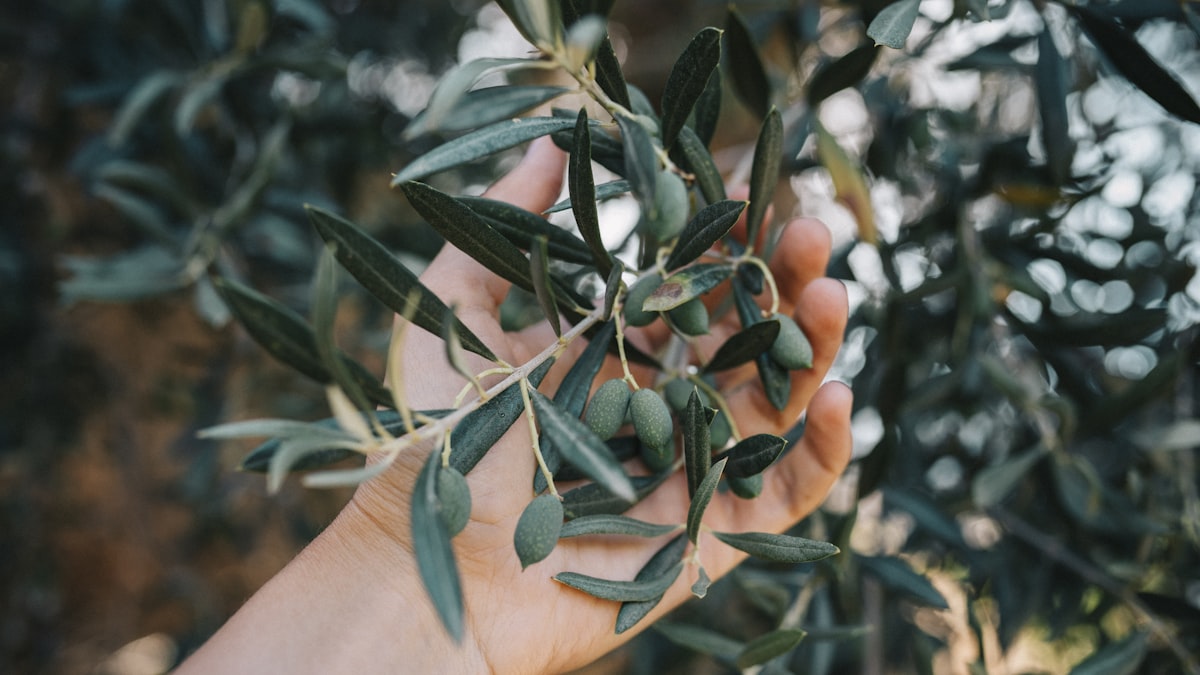
An observational study of a Mediterranean female cohort conducted by researchers at the University of Córdoba (2012) also reported that women with higher olive oil consumption tended to maintain relatively better femoral bone density scores. The research team suggested that polyphenol compounds in olive oil may act to moderate oxidative stress and thereby indirectly support bone metabolic conditions — though they acknowledged that observational data cannot establish causation.
Which Compounds in Olive Oil Draw the Most Attention?
Extra virgin olive oil (EVOO) contains not only oleic acid (a monounsaturated fatty acid) but also a range of bioactive compounds including oleocanthal, oleuropein, hydroxytyrosol, and squalene. In bone health research, oleocanthal and hydroxytyrosol are the most frequently discussed.
Oleocanthal has attracted attention for its structural resemblance to ibuprofen, and laboratory-level studies are exploring whether it may modulate pathways associated with osteoclast activation. Hydroxytyrosol is well established as a potent antioxidant, and it is mentioned alongside research suggesting that oxidative stress can accelerate bone resorption. It is important to note that these cell and animal study findings cannot yet be assumed to apply identically in humans; larger-scale clinical evidence remains necessary.
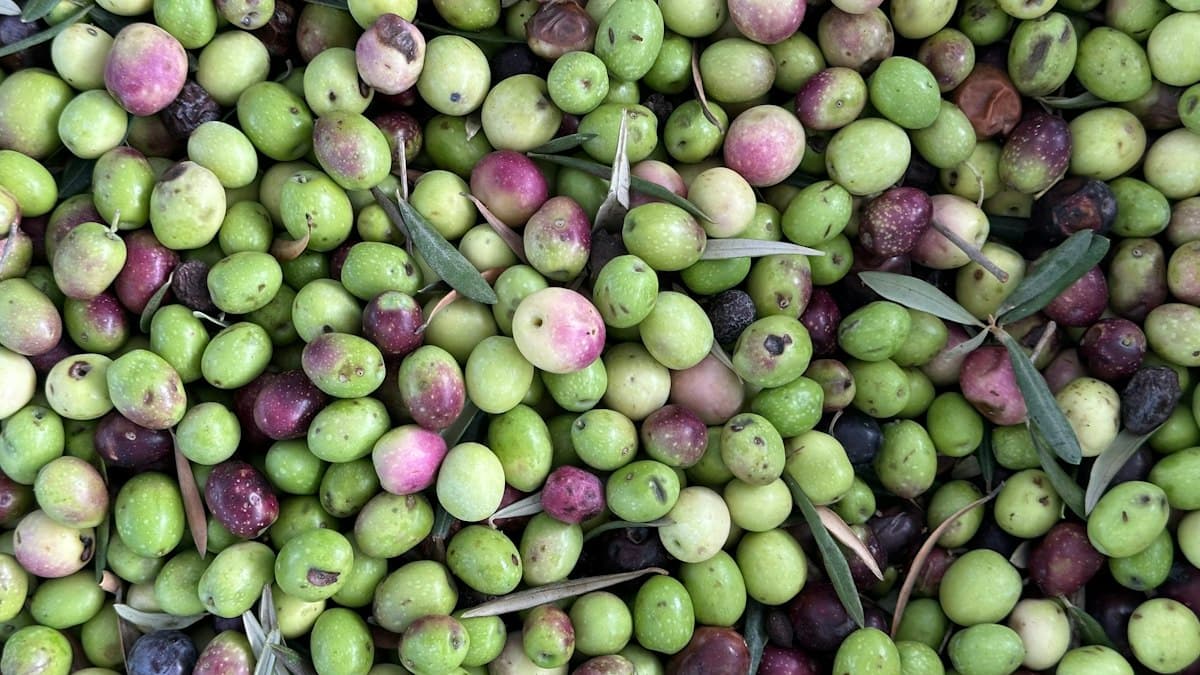
Polyphenol content in olive oil varies substantially depending on cultivar, harvest timing, and processing method. EVOO pressed from early-harvest, still-green olives generally carries the highest polyphenol levels, while refined pure olive oil retains almost none of these compounds.
Combining EVOO with Calcium and Vitamin D: A Dietary Synergy View
Olive oil cannot be discussed in isolation when the subject is bone-supportive eating. Calcium and vitamin D are the foundational nutrients of bone metabolism; without adequate levels of both, the contribution of other dietary factors is inherently limited.
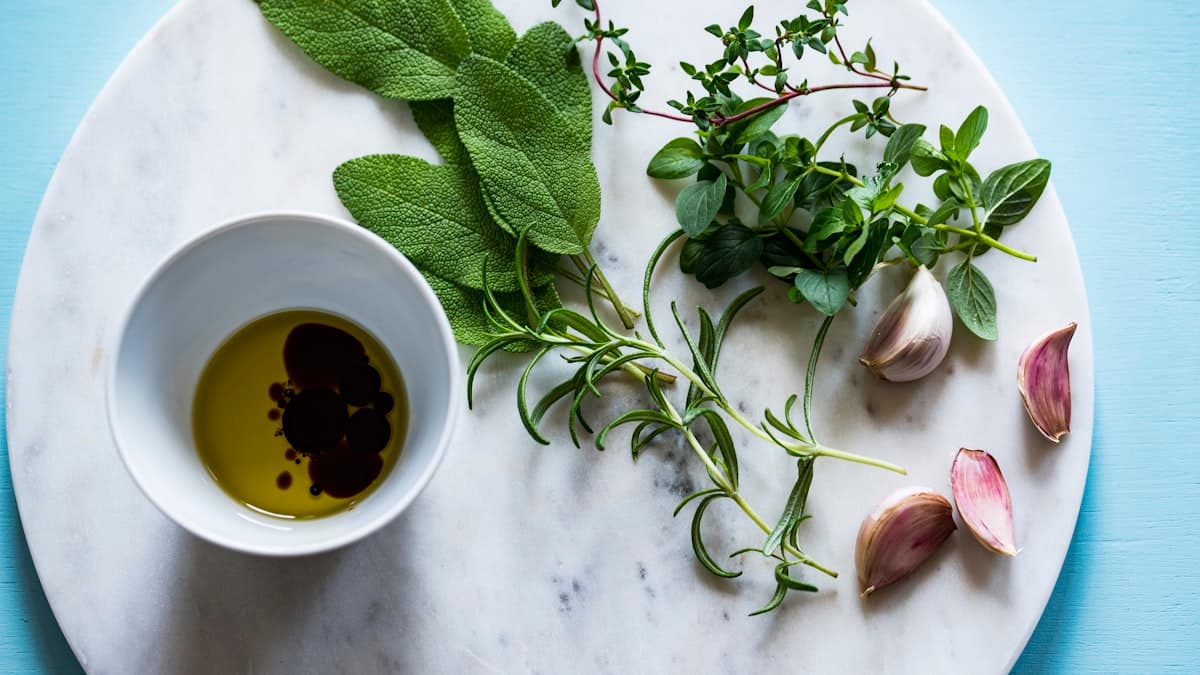
What EVOO may offer in this context is its role as a carrier for fat-soluble nutrients. Fat-soluble vitamins such as D and K are known to be absorbed more efficiently when consumed alongside dietary fat, and olive oil can serve as a practical vehicle for this process. Dressing a vegetable salad with EVOO, or finishing a piece of fish or a serving of tofu with a drizzle, are approaches frequently suggested as straightforward ways to combine these elements in a single meal.
A Practical Guide to EVOO for Bone-Supportive Eating
Integrating olive oil into a bone-conscious diet does not require elaborate changes. Four principles are most commonly recommended in the nutrition literature.
Prioritize quality. To choose an EVOO with meaningful polyphenol content, look for the "extra virgin" grade designation and a clear harvest date on the label. A distinctly bitter and peppery finish in the mouth is a reliable practical signal of higher polyphenol levels.
Use it raw or at low heat. Some polyphenols can degrade at high cooking temperatures. Finishing a completed dish with a drizzle, or using EVOO as a low-heat dressing, is generally considered more effective for preserving these compounds.
Pair it with calcium-rich foods. Combining EVOO with foods high in calcium — such as small dried fish, firm tofu, or broccoli — creates a meal structure that addresses fat-soluble nutrient absorption and bone mineral supply at the same time.
Aim for consistency at a moderate level. Mediterranean diet research protocols, including the PREDIMED trial, typically reference a daily EVOO intake of around 2–4 tablespoons (30–60 ml). Because olive oil is calorie-dense, it is generally advised as a replacement for less favorable fats rather than an unchecked addition to existing intake.
Bone health after menopause is not a problem any single food or compound can resolve on its own. Adequate physical activity, vitamin D synthesis through sunlight exposure, avoiding smoking, moderating alcohol intake, and a balanced overall diet all work together — and it is only within that broader framework that dietary strategy carries real weight. Extra virgin olive oil is one piece of that puzzle, and modern nutritional science is gradually articulating in evidence what Mediterranean food culture has embodied for centuries.
Frequently asked questions
- Can olive oil help with bone density after menopause?
- No single food can prevent bone loss, but research suggests that extra virgin olive oil — particularly its polyphenol compounds such as oleocanthal and hydroxytyrosol — may contribute to a dietary environment that supports bone metabolism. A sub-analysis of the PREDIMED trial published in JAMA Internal Medicine in 2016 reported higher blood levels of osteocalcin, a bone-formation marker, in participants who consumed abundant extra virgin olive oil, though the researchers noted it is too early to conclude that this translates directly into reduced fracture risk.
- Which compounds in EVOO are most relevant to bone health research?
- Two polyphenols attract the most attention in bone research: oleocanthal, which has a structural resemblance to ibuprofen and is being explored at the laboratory level for its possible influence on osteoclast-related pathways, and hydroxytyrosol, a potent antioxidant that is discussed in the context of oxidative stress and bone resorption. Both findings come largely from cell and animal studies; large-scale clinical evidence in humans is still needed.
- Does the type of olive oil matter for polyphenol content?
- Yes, considerably. Extra virgin olive oil made from early-harvest olives tends to carry the highest polyphenol levels, while refined 'pure' olive oil retains almost none. Cultivar and processing method also matter: according to International Olive Council reference ranges, Picual EVOO can reach around 780 mg/kg of polyphenols, while Arbequina typically sits closer to 220 mg/kg. A pronounced bitter and peppery taste in the bottle is a practical indicator of higher polyphenol content.
- How does olive oil interact with calcium and vitamin D for bone health?
- Calcium and vitamin D remain the nutritional foundation of bone metabolism, and their adequacy shapes how much any other dietary factor can contribute. Fat-soluble vitamins such as D and K are known to be better absorbed when consumed alongside dietary fat, and EVOO may serve as a practical carrier in this process — for example, as a dressing over vegetables rich in vitamin K, or finished over fish that supplies vitamin D. This dietary synergy is a reason Mediterranean-style eating is studied as a pattern rather than isolated ingredients.
- How much EVOO do Mediterranean diet studies typically use?
- Most Mediterranean diet research protocols, including the PREDIMED trial, reference a daily intake in the range of 2–4 tablespoons (approximately 30–60 ml) of extra virgin olive oil. Because olive oil is calorie-dense, nutritionists generally recommend incorporating it as a replacement for less favorable fats rather than simply adding it on top of an existing diet. Consistent daily use, as part of a balanced overall eating pattern, is the approach most commonly described in the literature.
Related reading
- Menopause, Dietary Fat, and EVOO: A Guide to the Growing Research
As estrogen levels decline during menopause, the quality of dietary fat may play a meaningful role in everyday wellbeing. EVOO research in this area is expanding — here is what the evidence currently shows.
- Bone Health and the Mediterranean Table: The Case for EVOO in Your Daily Diet
Research is accumulating on how an olive oil-centered Mediterranean diet may contribute to maintaining bone density. A look at the roles of polyphenols and oleic acid, alongside practical guidance on building that diet.
- Fat Type Matters More at Menopause — Here's Where Olive Oil Fits In
As estrogen levels fall during perimenopause and menopause, the kind of dietary fat a woman eats becomes increasingly significant. A look at the nutritional evidence behind extra virgin olive oil's role in a hormone-transition diet.
- Before Perimenopause Hits: Building Your Olive Oil Diet Strategy in Your 40s
The years before menopause bring gradual shifts in estrogen and progesterone that can affect body composition, insulin sensitivity, and bone density. Mediterranean diet research suggests that the monounsaturated fats and polyphenols in extra virgin olive oil may contribute to dietary balance during this transitional decade.
- Senescent Cells, Senolytics, and the Question of Olive Oil Polyphenols
The senolytic diet hypothesis has drawn attention to plant polyphenols as potential allies against aging cells. This guide maps where extra virgin olive oil's oleocanthal and related phenolic compounds currently sit in that research — and what the evidence cannot yet support.
- Olive Oil, Antioxidants, and Fatigue: A Guide to the Emerging Clinical Research
Extra virgin olive oil is drawing growing attention in oxidative stress and chronic fatigue research, with its polyphenols and oleic acid studied for potential roles in cellular energy metabolism. Here is what the current clinical evidence actually shows.
Tags