Guides
Capsule or Bottle? How Olive Oil Form Shapes Absorption and Dietary Role
Olive oil softgel capsules and extra virgin olive oil share the same raw material, yet they differ meaningfully in polyphenol retention, absorption dynamics, and the role each plays at the table. A comparative guide to choosing between them.
Translated from the Korean edition, originally published June 20, 2026 · read the original
Same Raw Material, Different Form
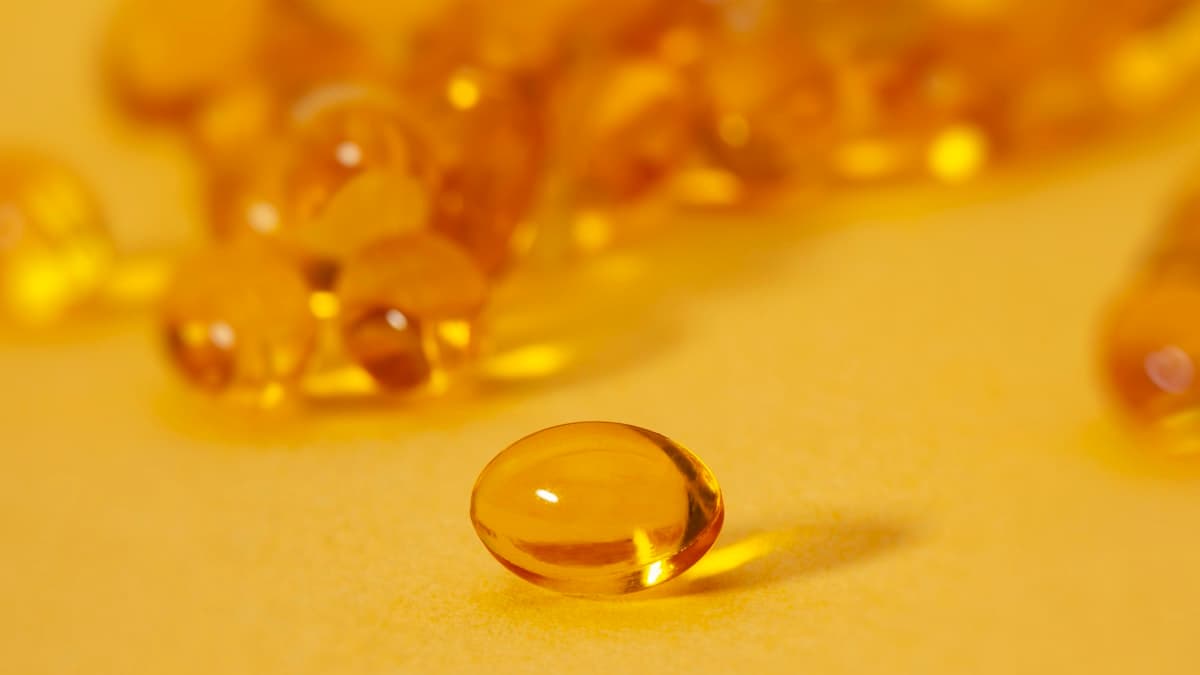
The supplement aisle of any well-stocked supermarket now carries softgel capsules labelled "Olive Oil 1,000 mg." They appear to share their raw material with the bottles of extra virgin olive oil (EVOO) on the next shelf—and in principle they do—yet the processing, storage, and consumption context differ considerably. Understanding those differences makes it easier to decide which form fits which situation.
Olive oil's nutritionally significant components fall into two broad categories. The first is oleic acid, a monounsaturated fatty acid that typically accounts for around 70% of total fatty acids. The second is a family of polyphenolic compounds, including oleuropein and hydroxytyrosol. Both capsules and EVOO contain these components, but the concentrations and stability of each can vary between the two forms.
Polyphenol Content: Determined by Processing
Extra virgin grade olive oil is produced by cold pressing and filtration alone, steps that preserve polyphenols as fully as possible. According to International Olive Council (IOC) data, high-polyphenol EVOO can contain several hundred mg of phenolic compounds per kilogram, a figure reported to vary substantially by cultivar, harvest timing, and storage conditions.
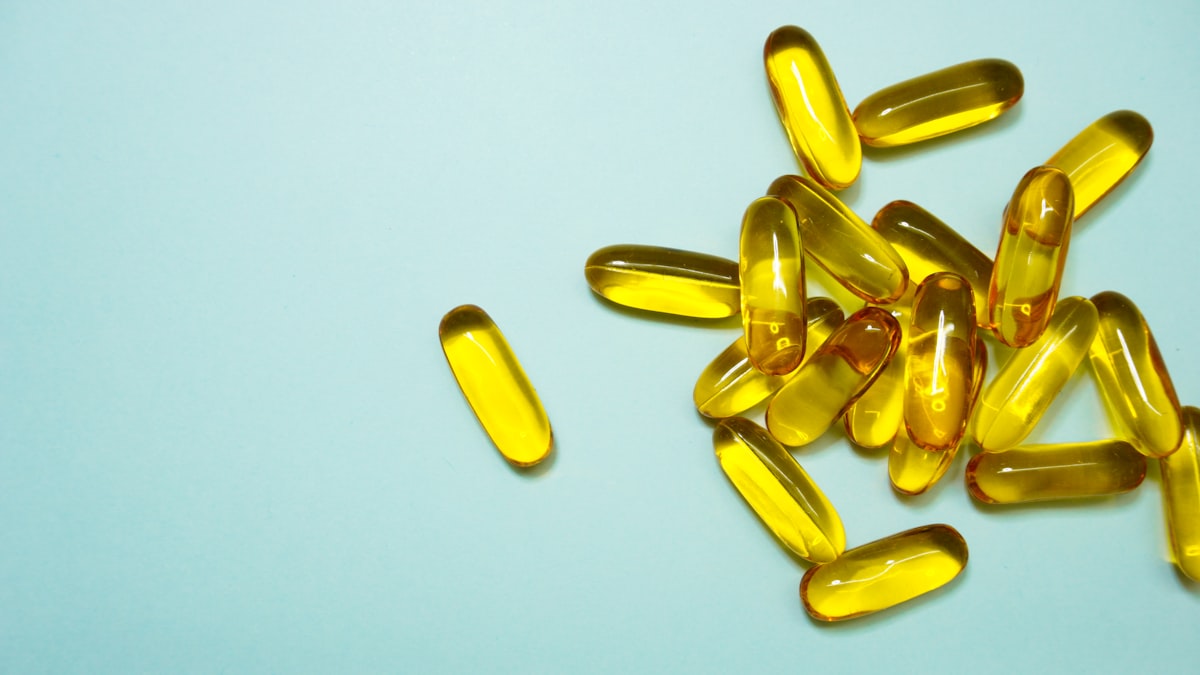
Capsule products, by contrast, expose the source oil to heat, oxygen, and light during the softgel filling process. A 2021 study published in Food Chemistry found that polyphenol concentrations in commercial olive oil capsules tend to be measurably lower than in bottled EVOO produced from the same source oil, with oxidation during manufacturing and storage identified as the likely explanation. That said, the gap varies widely depending on how tightly a producer controls its process, and checking the polyphenol content declared on the label is advisable.
Oleic acid itself is relatively stable against heat and oxygen, so its concentration tends to hold up well in capsule form. If supplementing monounsaturated fat intake is the sole objective, capsules can be a practical option on those grounds.
How Absorption Differs
Fat digestion and absorption are known to be influenced by the food matrix. When olive oil is consumed alongside bread, vegetables, or pasta, it emulsifies with other food components in the stomach, increasing the surface area available for contact with bile acids and, according to reported research, improving the uptake of fat-soluble compounds.
A 2019 study in the European Journal of Clinical Nutrition reported higher polyphenol absorption when olive oil was consumed with a meal than when taken alone on an empty stomach, attributing the difference to longer gastrointestinal transit time and greater digestive enzyme activity.
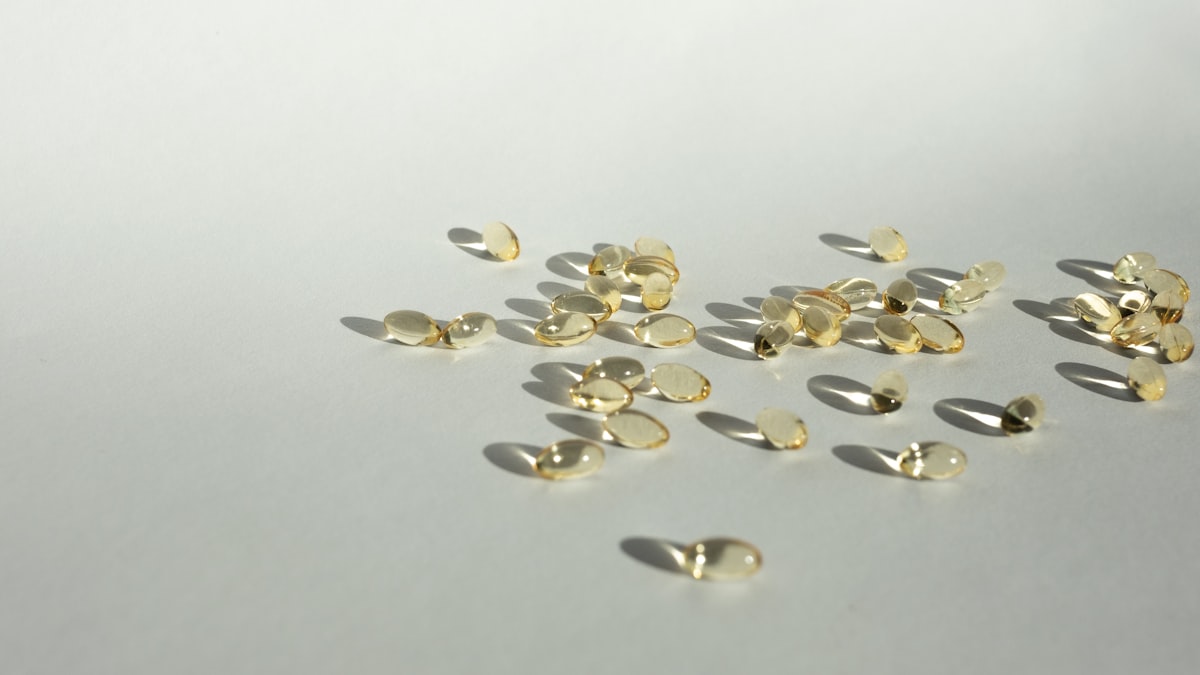
Capsules use enteric coatings or softgel shells to protect their contents through the upper digestive tract, but they cannot replicate the complex matrix environment created by a full meal. In specific circumstances—frequent travel, or situations where cooking with oil is simply impractical—capsules can play a supplementary role from a convenience standpoint.
What a Capsule Cannot Do at the Table
In Mediterranean diet research, EVOO has consistently functioned as a cooking medium rather than a standalone fat supplement. When used to sauté vegetables, dress salads, or accompany bread, it is reported to help with the absorption of fat-soluble nutrients from other ingredients—beta-carotene, lycopene, and similar compounds—a role a capsule cannot fill.
The sensory dimensions of EVOO—its flavor, aroma, and texture—and its place within a shared food culture also lie outside what a supplement can replicate. The PREDIMED study, conducted by researchers at the University of Navarra, reported positive associations between olive oil intake within a Mediterranean dietary pattern and cardiovascular biomarkers, though the investigators emphasized that it is too early to separate those associations from the effect of the overall dietary pattern.
Matching Form to Situation
The two forms are not in competition; the more useful question is which fits a given context.
Where EVOO fits best — daily cooking and dining, situations where flavor and the full dietary experience matter, and whenever the aim is to consume both polyphenols and oleic acid within the food matrix. Choosing a bottle that declares harvest year, acidity, and polyphenol content gives the most useful quality information.
Where capsules can play a complementary role — frequent travel or settings where cooking is not possible, personal preference against olive oil's flavor, or when a healthcare provider has recommended a specific supplementation approach. In those cases, it is worth verifying the source oil grade, polyphenol content, and manufacturing process on the label.
One practical figure is worth keeping in mind. Most commercial capsule products recommend 1,000–2,000 mg (1–2 g) per day. A single tablespoon of EVOO weighs approximately 14 g, meaning a standard capsule dose delivers a fraction of the amount associated with Mediterranean dietary intake in research settings—a gap to factor in when comparing outcomes.
For both forms, quality remains the decisive variable. Whether the oil arrives in a capsule or a bottle, the grade and freshness of the source oil are the single most important determinants of what ends up in the final product.
Frequently asked questions
- Do olive oil capsules have the same polyphenols as extra virgin olive oil?
- Not necessarily. A 2021 study published in Food Chemistry found that polyphenol concentrations in commercial olive oil capsules tend to be measurably lower than in bottled EVOO made from the same source oil, with oxidation during manufacturing and storage cited as the likely cause. The gap varies depending on how tightly a producer controls its process, so checking the polyphenol content declared on the label is advisable.
- Is olive oil absorbed better when eaten with food rather than taken as a capsule?
- Research suggests the food matrix matters. A 2019 study in the European Journal of Clinical Nutrition reported higher polyphenol absorption when olive oil was consumed alongside a meal compared with taking it on an empty stomach, attributed to longer gastrointestinal transit time and greater enzyme activity. Capsules use enteric or softgel coatings to protect contents, but they cannot replicate the complex matrix environment created by a full meal.
- How much olive oil is actually in a daily dose of capsules compared with cooking with EVOO?
- Most commercial capsule products recommend 1,000–2,000 mg (1–2 g) per day. A single tablespoon of EVOO weighs approximately 14 g, so a standard capsule dose delivers a fraction of the amount observed in Mediterranean diet research. This makes direct comparisons with dietary intake figures difficult.
- Can olive oil capsules replace EVOO in a Mediterranean-style diet?
- In dietary terms, EVOO functions as a cooking medium, not just a fat source. Research indicates it may help with the absorption of fat-soluble nutrients—such as beta-carotene and lycopene—from vegetables and other foods cooked or dressed with it. A capsule cannot perform that role. The PREDIMED study, led by researchers at the University of Navarra, reported positive associations between olive oil consumption within a Mediterranean dietary pattern and cardiovascular biomarkers, though the investigators emphasized it is too early to attribute those associations to olive oil alone, separate from the overall dietary pattern.
- When does it make sense to use olive oil capsules instead of bottled EVOO?
- Capsules can serve a complementary purpose in specific circumstances: frequent travel or situations where cooking is impractical, personal dislike of olive oil's flavor, or when a healthcare provider recommends a targeted supplement approach. In those cases, it is worth checking the label for the source oil grade, polyphenol content, and manufacturing process. For everyday cooking and dining, bottled EVOO—ideally with harvest year, acidity, and polyphenol content declared—remains the more nutritionally complete option.
Related reading
- Senescent Cells, Senolytics, and the Question of Olive Oil Polyphenols
The senolytic diet hypothesis has drawn attention to plant polyphenols as potential allies against aging cells. This guide maps where extra virgin olive oil's oleocanthal and related phenolic compounds currently sit in that research — and what the evidence cannot yet support.
- Olive Oil, Antioxidants, and Fatigue: A Guide to the Emerging Clinical Research
Extra virgin olive oil is drawing growing attention in oxidative stress and chronic fatigue research, with its polyphenols and oleic acid studied for potential roles in cellular energy metabolism. Here is what the current clinical evidence actually shows.
- Bone Health on the Table: What the Osteoblast and Calcitriol Research Says About Olive Oil
From oleic acid's reported role in osteoblast differentiation to calcitriol absorption and polyphenol activity, a growing body of cell and animal research links extra virgin olive oil to bone metabolism — though the clinical picture is still forming.
- Olive Oil and Inflammation: What Two Decades of Research Have Found
From oleocanthal's proposed COX-inhibiting mechanism to EFSA's conditional polyphenol claim, this guide traces what peer-reviewed research has — and has not — established about EVOO's role in an anti-inflammatory diet.
- Olive Oil, Cortisol, and Dietary Fat: Where the Research Actually Stands
Chronic stress and elevated cortisol have become defining health concerns of our time. A growing body of research is examining whether the type of dietary fat we consume — extra virgin olive oil in particular — may be linked to how the body regulates its stress response.
- The Empty-Stomach Olive Oil Trend: Separating Fact from Social Media Hype
A morning ritual of swallowing a spoonful of EVOO before breakfast has been cycling through Instagram and YouTube Shorts for years. This guide examines which claims hold up to scrutiny and which do not.
Tags
- extra virgin olive oil
- olive oil capsules
- polyphenols
- absorption
- mediterranean diet