Guides
Bone Health and the Mediterranean Table: The Case for EVOO in Your Daily Diet
Research is accumulating on how an olive oil-centered Mediterranean diet may contribute to maintaining bone density. A look at the roles of polyphenols and oleic acid, alongside practical guidance on building that diet.
Translated from the Korean edition, originally published June 18, 2026 · read the original
Bone Is Living Tissue
Bone is not a structure that forms once and stays fixed. Throughout life, osteoclasts break down old bone tissue while osteoblasts build new tissue in a continuous cycle called remodeling. When that balance tips, bone density begins to decline — a process that, left unchecked, accumulates into osteopenia or osteoporosis. According to World Health Organization data, approximately one in three women and one in five men over the age of 50 are estimated to experience an osteoporosis-related fracture at some point in their lives.
Calcium and vitamin D are the first nutrients most people associate with bone health, but nutritional science has been paying increasing attention to the type of dietary fat consumed and the role of antioxidant compounds. Extra virgin olive oil (EVOO) sits at the center of that conversation.
The Evidence Linking Olive Oil Compounds to Bone Remodeling
Two main pathways are discussed when researchers connect olive oil to bone health. The first involves oleic acid and other monounsaturated fatty acids, which may influence cell-signaling processes related to bone formation. The second involves the phenolic compounds (polyphenols) abundant in extra virgin olive oil — oleuropein, hydroxytyrosol, and others — which may contribute to lowering oxidative stress and chronic low-grade inflammation. Both oxidative stress and chronic low-grade inflammation have been reported to suppress osteoblast activity and promote osteoclast activity.
A clinical study published by researchers at the University of Córdoba found that participants following a Mediterranean diet for two years maintained significantly higher serum levels of osteocalcin — a bone-formation marker — compared with a control group. The research team linked that result to the polyphenol intake provided by olive oil within the diet. However, the authors also noted that the observational nature of dietary research makes it difficult to isolate olive oil's individual contribution, so drawing causal conclusions at this stage would be premature.

Why the Mediterranean Diet Pattern Matters
The view that bone health is best approached through overall dietary pattern — rather than any single ingredient — is gaining traction in nutritional research. The Mediterranean diet uses olive oil as its primary fat source and incorporates abundant vegetables, legumes, whole grains, fish, and nuts. That combination naturally supplies several nutrients involved in bone health: calcium, magnesium, vitamin K, and omega-3 fatty acids.
A meta-analysis published in the European Journal of Clinical Nutrition reported that higher adherence to the Mediterranean diet was associated with a statistically lower tendency for hip fracture risk. The researchers suggested the association may be mediated by anti-inflammatory effects and improvements in bone remodeling markers, while also specifying that additional long-term randomized controlled trials are needed.
Polyphenol content in extra virgin olive oil varies widely depending on cultivar, harvest timing, and processing method. Oils made from early-harvested olives and processed by cold extraction are generally understood to retain the highest polyphenol levels.
Practical Ways to Build Bone-Health Meals with Olive Oil
Several straightforward approaches can help integrate olive oil naturally into daily meals.
Use extra virgin olive oil for cooking, not just dressings. Oleic acid, the primary fatty acid in olive oil, has relatively high thermal stability. Studies have reported that sautéing vegetables or pan-cooking fish with EVOO does not significantly increase oxidative stress in the diet.
Pair it with calcium-rich foods. Using olive oil as a dressing or cooking medium alongside calcium-dense ingredients — tofu, broccoli, small fish, or seeds — raises the nutritional density of each meal.
Add vitamin K–rich green vegetables. Vitamin K is known to be involved in the activation of osteocalcin by osteoblasts. Cooking spinach, kale, or Brussels sprouts with olive oil may enhance absorption of this fat-soluble vitamin.
Replace refined vegetable oils with extra virgin. For the same calorie count, EVOO delivers substantially higher antioxidant content. Starting with salad dressings, vegetable dishes, and bread dipping — then gradually extending to other cooking uses — is a realistic transition path.
Making Dietary Change a Lasting Habit
Bone health is less the product of short-term supplementation than of sustained dietary habits over years. The core of the Mediterranean pattern is not dependence on any one so-called superfood, but the consistent maintenance of a table built around diverse, minimally processed foods in balance.
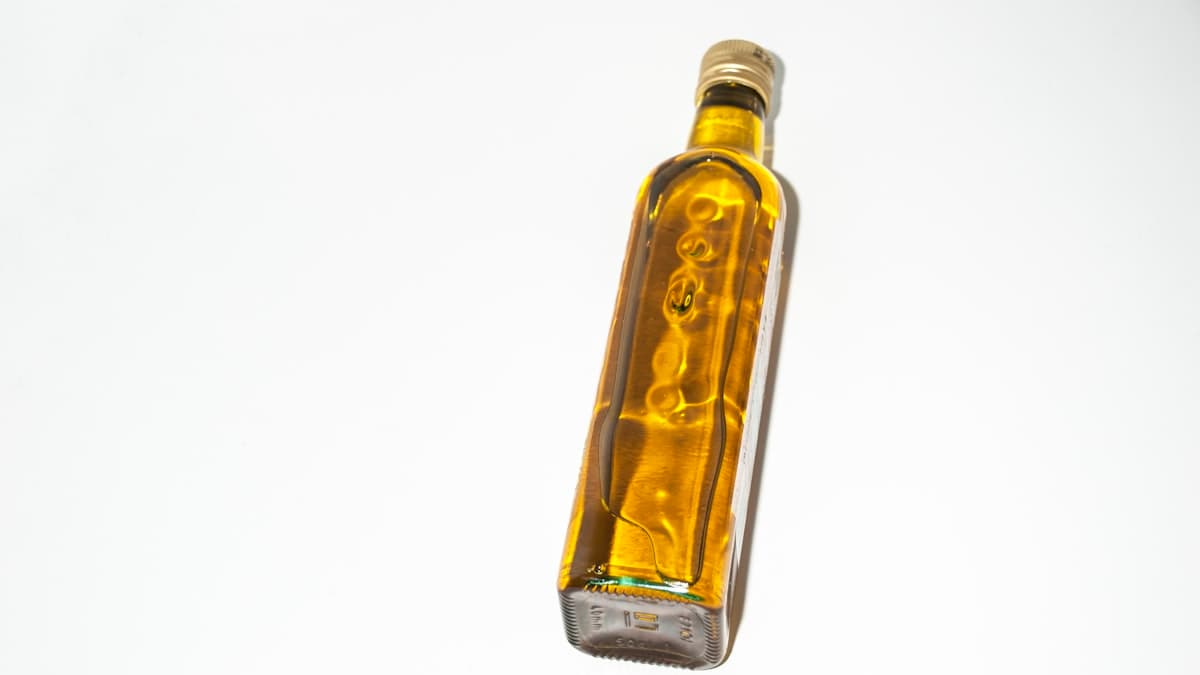
Olive oil functions at that table as both a fat source and a flavor foundation. Choosing extra virgin grade for its higher polyphenol content, selecting bottles in dark glass to protect against light and heat, storing them in a cool place, and finishing an opened bottle within 60 days — these are the standard industry guidelines for preserving quality.
Observations connecting Mediterranean food culture, sustained over centuries, to healthy longevity — including bone health — continue to accumulate. Bringing olive oil into an everyday diet is less about transplanting an entire culinary tradition wholesale than about incorporating a well-researched ingredient into the meals one already prepares.
Frequently asked questions
- Can olive oil help with bone density?
- Research suggests that the polyphenols in extra virgin olive oil — including oleuropein and hydroxytyrosol — may help reduce oxidative stress and low-grade inflammation, both of which have been reported to suppress bone-forming osteoblast activity. A clinical study from the University of Córdoba found that a Mediterranean diet sustained over two years was associated with significantly higher serum osteocalcin levels, a bone-formation marker, compared with a control group. However, isolating olive oil's individual contribution from that of the overall dietary pattern is methodologically difficult, so it is too early to draw firm conclusions.
- What does the Mediterranean diet do for bones?
- The Mediterranean diet naturally supplies several nutrients involved in bone health — calcium, magnesium, vitamin K, and omega-3 fatty acids — through vegetables, legumes, whole grains, fish, nuts, and olive oil as the primary fat source. A meta-analysis published in the European Journal of Clinical Nutrition reported a statistically lower tendency for hip fracture risk among people with higher Mediterranean diet adherence, though the authors noted that long-term randomized controlled trials are still needed to confirm the relationship.
- Which olive oil has the most polyphenols for bone health?
- Polyphenol content in extra virgin olive oil varies considerably by cultivar, harvest timing, and processing method. Early-harvest olives processed by cold extraction are generally understood to retain higher polyphenol levels. According to IOC quality reference data, cultivars such as Picual can reach around 800 mg/kg, while refined olive oils typically contain as little as 50 mg/kg.
- How should I combine olive oil with other bone-healthy foods?
- Using extra virgin olive oil as a cooking medium or dressing alongside calcium-rich foods — such as tofu, broccoli, and small fish — adds nutritional density to the meal. Pairing it with green vegetables high in vitamin K (spinach, kale, Brussels sprouts) may also be beneficial, since vitamin K is involved in activating osteocalcin in osteoblasts, and fat-soluble vitamin K absorption can improve when consumed with dietary fat.
- How quickly should I use olive oil after opening the bottle?
- General industry guidelines recommend finishing an opened bottle of extra virgin olive oil within 60 days. Store it in a cool place away from light and heat — a dark glass bottle is preferable. Polyphenols degrade with oxidation, so proper storage directly affects both flavor and the quality of bioactive compounds.
Related reading
- Bone Health After Menopause: The Role EVOO Can Play at the Table
As estrogen declines at menopause, bone density can shift more quickly than many women expect. A growing body of research is exploring how extra virgin olive oil — the cornerstone of the Mediterranean diet — may fit into a bone-supportive eating pattern.
- Senescent Cells, Senolytics, and the Question of Olive Oil Polyphenols
The senolytic diet hypothesis has drawn attention to plant polyphenols as potential allies against aging cells. This guide maps where extra virgin olive oil's oleocanthal and related phenolic compounds currently sit in that research — and what the evidence cannot yet support.
- Olive Oil, Antioxidants, and Fatigue: A Guide to the Emerging Clinical Research
Extra virgin olive oil is drawing growing attention in oxidative stress and chronic fatigue research, with its polyphenols and oleic acid studied for potential roles in cellular energy metabolism. Here is what the current clinical evidence actually shows.
- Bone Health on the Table: What the Osteoblast and Calcitriol Research Says About Olive Oil
From oleic acid's reported role in osteoblast differentiation to calcitriol absorption and polyphenol activity, a growing body of cell and animal research links extra virgin olive oil to bone metabolism — though the clinical picture is still forming.
- Olive Oil and Inflammation: What Two Decades of Research Have Found
From oleocanthal's proposed COX-inhibiting mechanism to EFSA's conditional polyphenol claim, this guide traces what peer-reviewed research has — and has not — established about EVOO's role in an anti-inflammatory diet.
- Olive Oil, Cortisol, and Dietary Fat: Where the Research Actually Stands
Chronic stress and elevated cortisol have become defining health concerns of our time. A growing body of research is examining whether the type of dietary fat we consume — extra virgin olive oil in particular — may be linked to how the body regulates its stress response.
Tags