Guides
Frantoio Franci Villa Magra: The Tuscan Oil That Keeps Scoring 100 Points
Frantoio Franci's Villa Magra is a single-estate extra virgin line from the Maremma hills of Grosseto, Tuscany, that has earned top scores at multiple international competitions. This guide examines the early-harvest philosophy, cultivar blend, and quality figures behind its reputation.
Translated from the Korean edition, originally published June 16, 2026 · read the original
A Half-Century of Obsession in the Grosseto Hills
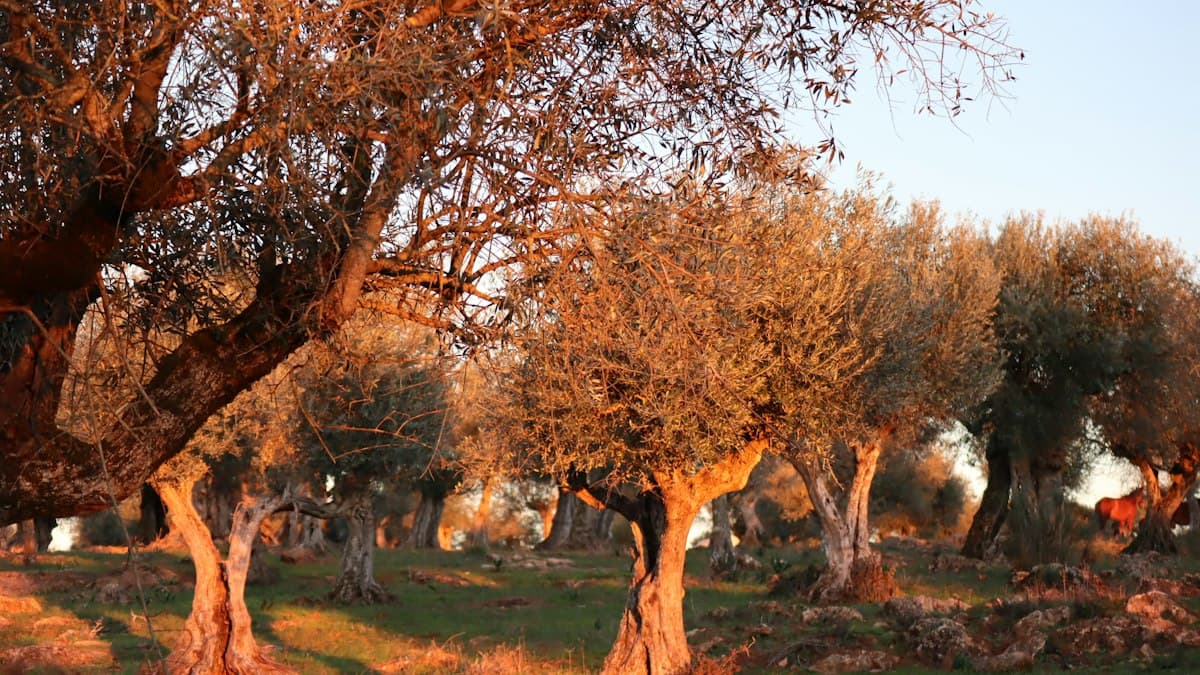
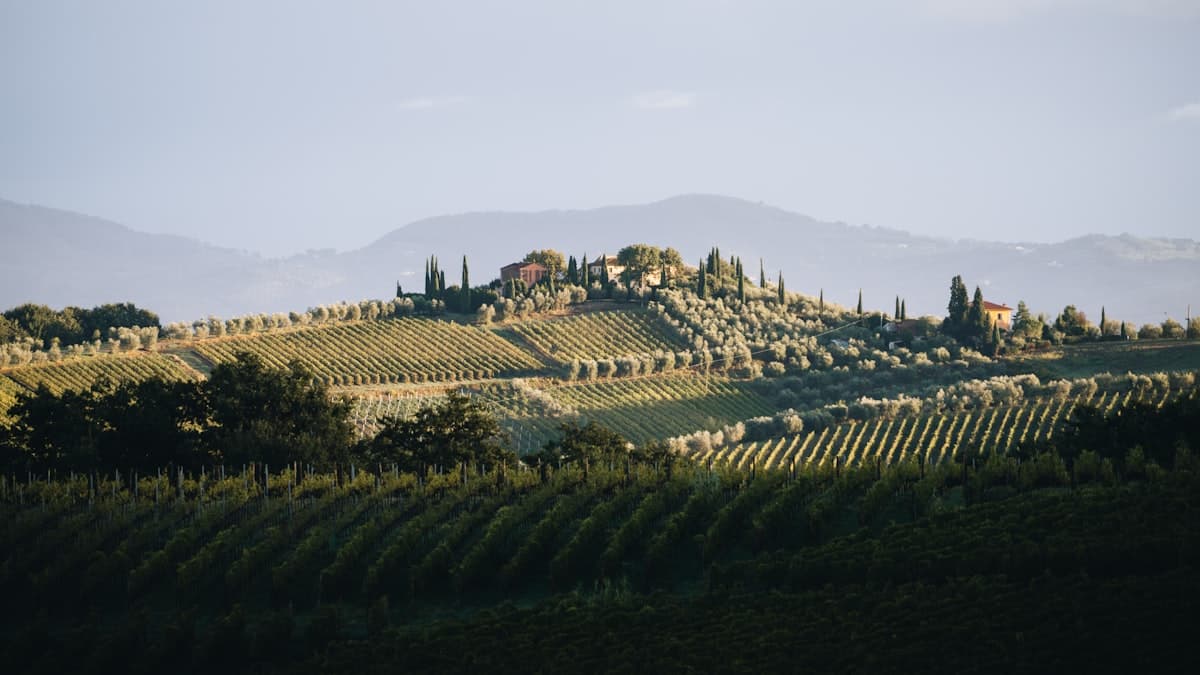
In the Maremma hill country of southern Tuscany, not far from Grosseto, a working olive estate has been pressing oil continuously since 1958. Frantoio Franci was founded that year by Giorgio Franci and is today run by the third generation of the family. The word frantoio is Italian for olive mill — an apt name for an operation whose defining philosophy is vertical integration: controlling every step of production, from grove to bottle, on a single site.
Villa Magra is the flagship line within the Frantoio Franci portfolio, pressed exclusively from olives selected from the estate's best-performing plots. It has earned the informal designation of a "100-point oil" after receiving top scores on multiple occasions through the panel-test evaluation system recognised by the International Olive Council (IOC) and used by leading private competitions worldwide.
Cultivar Blend and Terroir
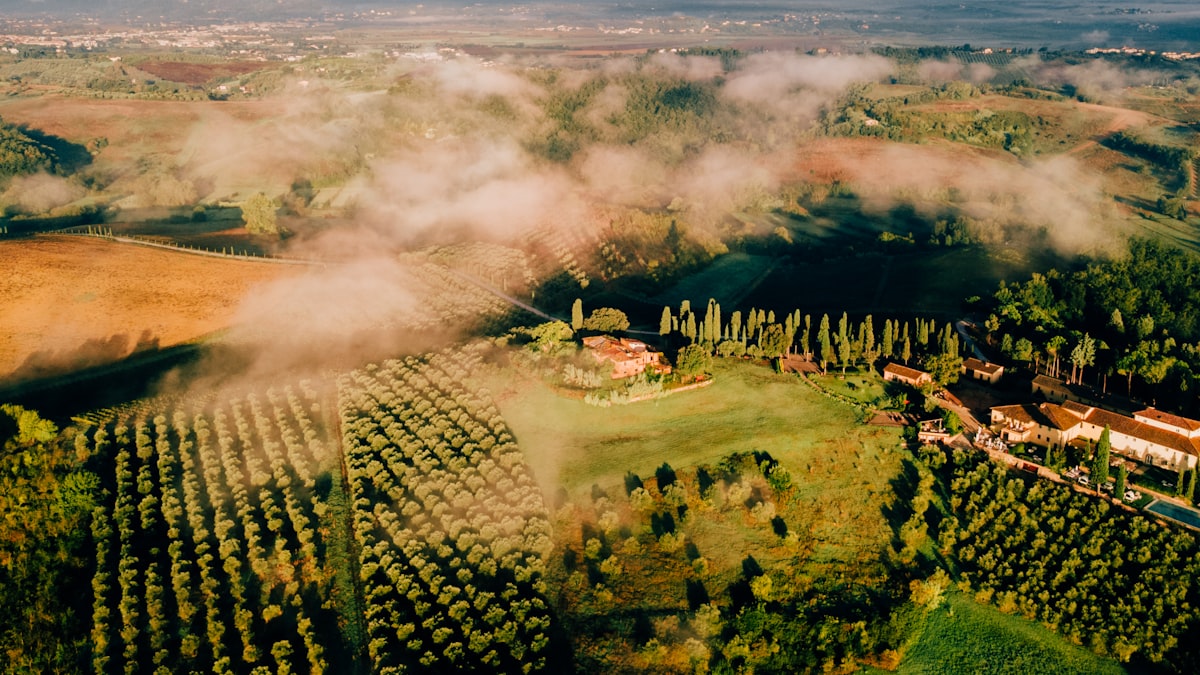
The core of the Villa Magra blend rests on three Tuscan native cultivars: Moraiolo, Frantoio, and Leccino. All three are well adapted to the Mediterranean rhythm of cool winters and dry summers, and it is widely reported among agronomists that the volcanic tuffaceous soils characteristic of the Maremma encourage an unusually dense accumulation of aromatic compounds in the fruit.
Moraiolo delivers pronounced bitterness and pungency, giving the blend its structural backbone. The Frantoio variety contributes fresh green notes — artichoke, green apple — while Leccino softens the whole with a rounder, more buttery texture. Finding the right proportion among these three in any given year, the Franci family is known to repeat dozens of tasting trials across each harvest season before the final blend is fixed.
Early Harvest: Racing the Calendar
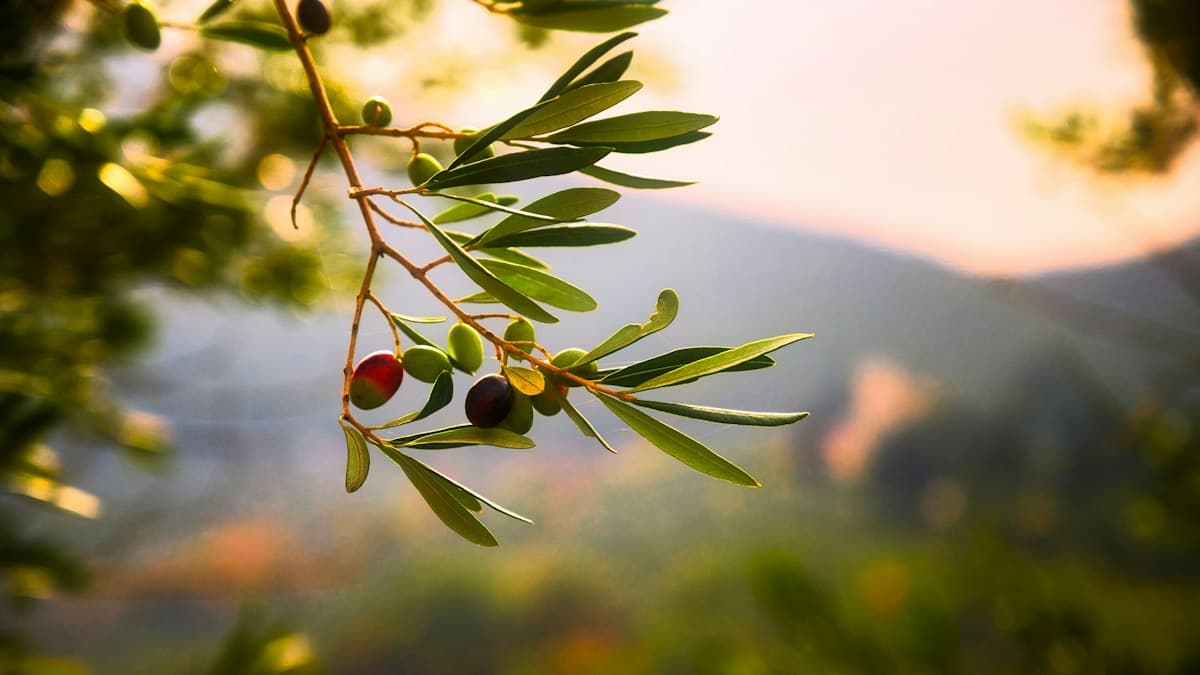
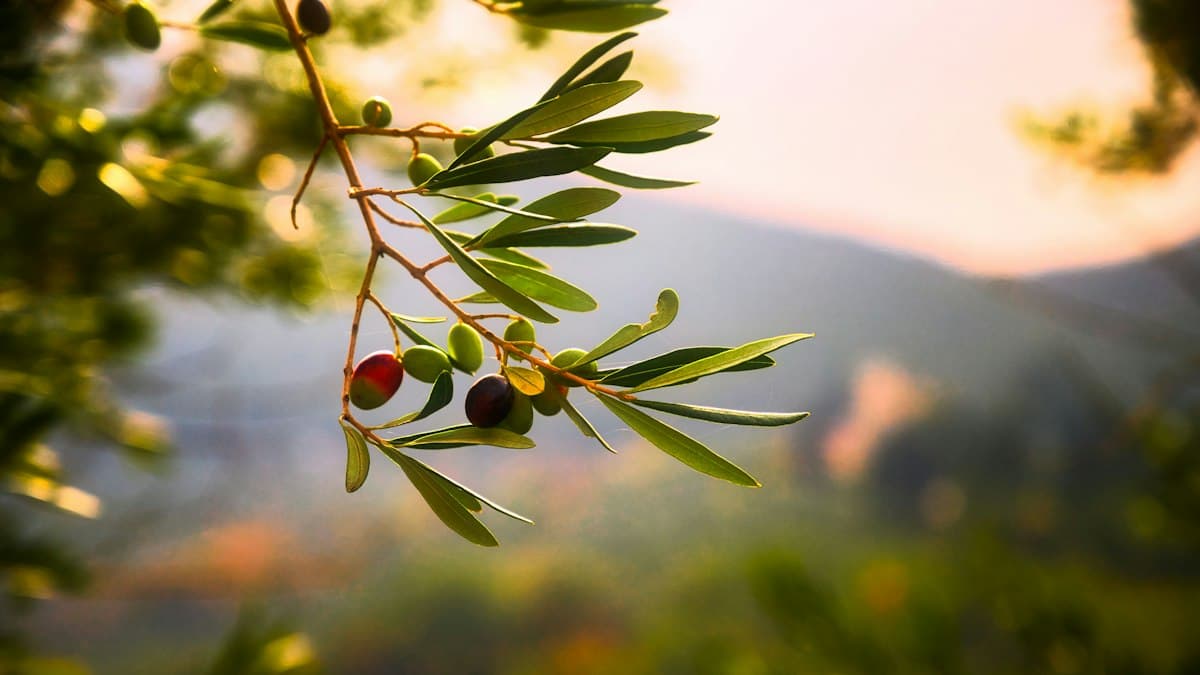
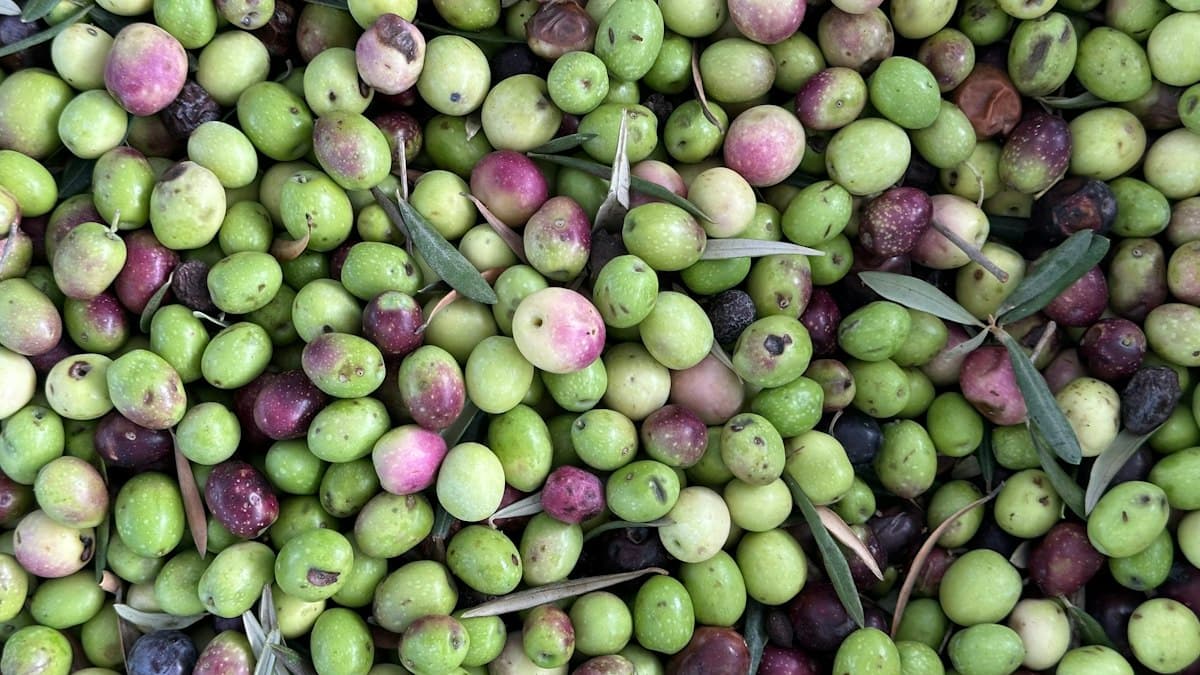
The single most consequential decision Frantoio Franci makes each year is when to pick. Villa Magra olives are harvested at the invaiatura stage — the moment in early October when the skin is just beginning its transition from green to violet — well before full ripeness. Oil yield per kilogram of fruit is lower at this point, which raises production cost, but polyphenol concentration and aromatic complexity are close to their seasonal peak.
According to IOC technical documentation, early-harvested olive oils have been reported to contain higher concentrations of polyphenol compounds such as oleocanthal and oleasein than oils pressed from fully ripe fruit. These same compounds are also associated with the oil's oxidative stability over time.
Once picked, the olives are cold-pressed at the on-site mill within 24 hours at temperatures not exceeding 27 °C. Processing the fruit before fermentation heat can build in the harvest pile is what keeps free fatty acid levels — and therefore acidity — reliably low.
Reading the Quality Figures
Three numbers define the measurable quality of an extra virgin olive oil. The first is free fatty acid content, expressed as a percentage of oleic acid. EU regulations set 0.8% as the upper limit for extra virgin classification, but genuinely premium oils are typically managed well below 0.2%. Villa Magra has been reported, across published analysis results, to maintain acidity consistently in the 0.15–0.20% range.
The second is total polyphenol content. EU Regulation EC No 432/2012 establishes that an olive oil may carry a label statement relating to oxidative stress protection when it contains at least 5 mg of hydroxytyrosol and its derivatives per 20 g serving — equivalent to roughly 250 mg/kg. Villa Magra has reported total polyphenol figures of 500–700 mg/kg depending on the harvest year, placing it well above that threshold.
The third is peroxide value, an indicator of primary oxidation. The extra virgin ceiling is 20 meq/kg; Villa Magra is reported to remain below 10 meq/kg under normal conditions.
A Record Built Across Vintages
Frantoio Franci Villa Magra has collected gold medals and best-in-class awards at three competitions widely regarded as the most rigorous in the sector: NYIOOC (New York International Olive Oil Competition), BIOL (the international organic olive oil competition held in Bari, Italy), and Sol d'Oro (Italy). The NYIOOC's annual World's Best Olive Oils report records Villa Magra among the highest-rated Italian oils in the Tuscan category across multiple consecutive harvest years.
Industry observers note that consistency across vintages — rather than a single standout year — is what marks Villa Magra as exceptional. A favourable growing season can lift any producer; maintaining top-tier scores through variable weather requires stable agricultural and milling practices.
Flavour Profile and Pairing Notes
Poured into a glass, Villa Magra shows a vivid yellow-green colour. On the nose it opens with fresh-cut grass, artichoke, green tomato, and white pepper in a layered sequence. On the palate, an initial gentle bitterness gives way to a peppery, lingering pungency at the back of the throat — the signature finish of a high-polyphenol oil pressed from early-harvested fruit.
Given that intensity, Villa Magra rewards use as a finishing oil rather than a frying medium. A drizzle over roasted vegetables, a Livornese-style fish soup, bruschetta, or aged Pecorino allows the oil's aromas to come forward undiluted. For the fullest expression, check the harvest year (annata) on the label and aim to finish the bottle within two to three months of opening.
Frequently asked questions
- What cultivars are used in Frantoio Franci Villa Magra?
- Villa Magra is built around three Tuscan native varieties: Moraiolo, Frantoio, and Leccino. Moraiolo provides bitterness and structure, Frantoio contributes fresh green-artichoke aromas, and Leccino adds a smoother, more balanced texture.
- How high is the polyphenol content in Villa Magra?
- According to figures published by the producer, Villa Magra has reported total polyphenol counts in the range of 500–700 mg/kg depending on the harvest year. For context, EU Regulation EC No 432/2012 permits a health-related label claim when polyphenols exceed 250 mg/kg (5 mg per 20 g serving).
- What does 'early harvest' mean for olive oil quality?
- Early harvest, timed to the invaiatura stage when olive skin is just transitioning from green to violet, typically yields lower oil volume but higher concentrations of polyphenols such as oleocanthal and oleasein. According to IOC technical documentation, early-harvested oils have been reported to retain these compounds at greater levels than oils pressed from fully ripe fruit.
- What awards has Frantoio Franci Villa Magra won?
- Villa Magra has received gold medals and best-in-class awards across multiple harvest years at three internationally recognised competitions: NYIOOC (New York International Olive Oil Competition), BIOL (Bari, Italy), and Sol d'Oro (Italy). The NYIOOC's annual World's Best Olive Oils report lists Villa Magra among the top-rated Italian oils in the Tuscan category across several consecutive vintages.
- How should Villa Magra be used in the kitchen?
- Because of its assertive flavour profile, Villa Magra is best used as a finishing oil rather than a cooking medium. Drizzling it over grilled vegetables, fish soups, bruschetta, or aged Pecorino allows its aromas to remain intact. Once opened, the bottle is best used within two to three months, and the harvest year (annata) on the label is a useful guide to freshness.
Related reading
- The Farms That Keep Winning: A Guide to NYIOOC and Olive Japan Award Names
The world's two leading EVOO competitions honor hundreds of brands each year, yet Gold and Best in Class medals cluster around a surprisingly small circle of estates. A look at the 2024 results reveals which producers are setting the global standard.
- Spain's Top EVOO Estates: A Guide to the Names That Keep Winning
Not all single-estate Spanish olive oils occupy the same tier. From Jaén and Granada to the Tabernas Desert and Extremadura, this guide maps the Spanish houses that international competition judges and critic guides return to year after year.
- Castillo de Canena: How a 1780 Family Estate Became a Biodynamic EVOO Benchmark
A single Andalusian estate has been farming olives on the same land since 1780 — yet the premium reputation that precedes Castillo de Canena today was built largely in the last two decades, through biodynamic certification, cultivar transparency, and a deliberate repositioning in the global EVOO market.
- Beyond Tuscany: The Italian EVOO Estates Worth Knowing in Umbria and Sicily
Premium Italian extra virgin olive oil extends well beyond a Tuscany IGP label. From Carmignano to Palma di Montechiaro, three regions and their benchmark estates mapped out.
- Four Price Tiers of Extra Virgin Olive Oil — and What Each One Actually Buys You
From entry-level PET-bottle blends to single-estate premiums, the EVOO shelf divides into four distinct tiers. Knowing what separates them makes it easier to shop with intention.
- Korea's Cooking Oil Aisle Is Making Room for EVOO
Extra virgin olive oil is claiming a growing share of South Korea's cooking oil shelves, driven by single-person households, the home-cooking surge, and a wider wellness conversation. Here is how the shift is taking shape.
Tags
- tuscan olive oil
- extra virgin olive oil
- frantoio franci
- high polyphenol
- single estate
- early harvest