Guides
One Farm, One Oil: The Story Behind O-MED's Granada EVOO
Pressed the same day they are picked, at a single estate on the slopes of the Sierra Nevada, O-MED's Andalusian olive oils have built a quiet but consistent record at international competitions — here is what sets them apart.
Translated from the Korean edition, originally published June 15, 2026 · read the original
A Single Farm on the Sierra Nevada
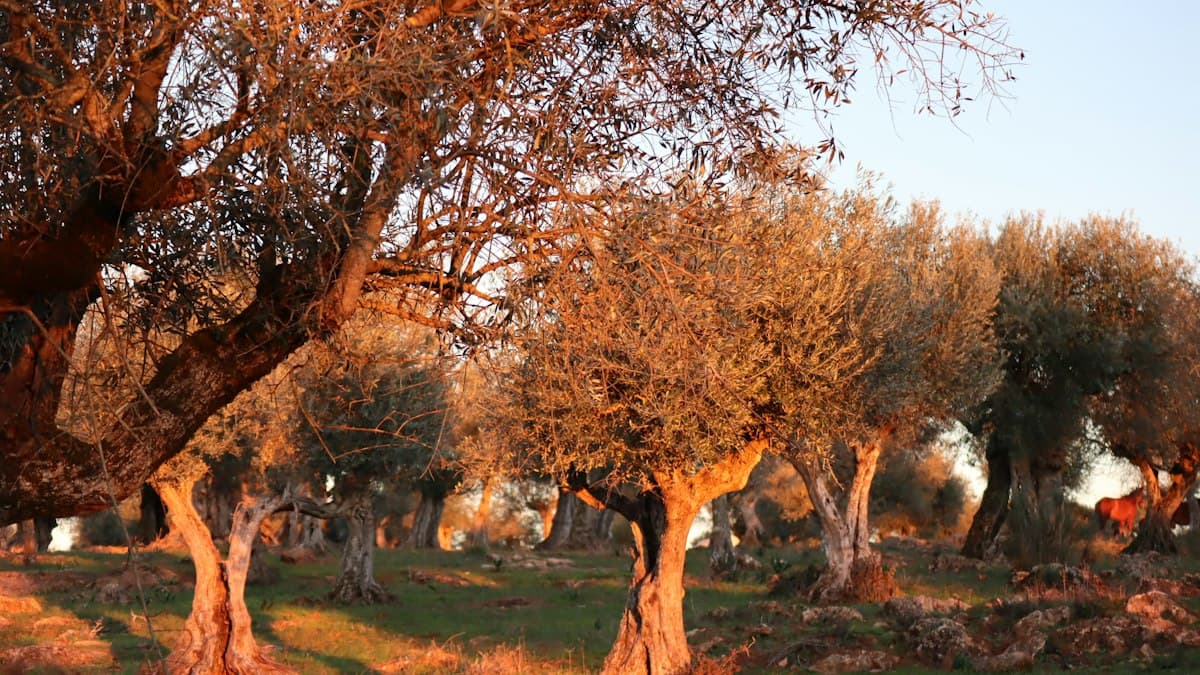
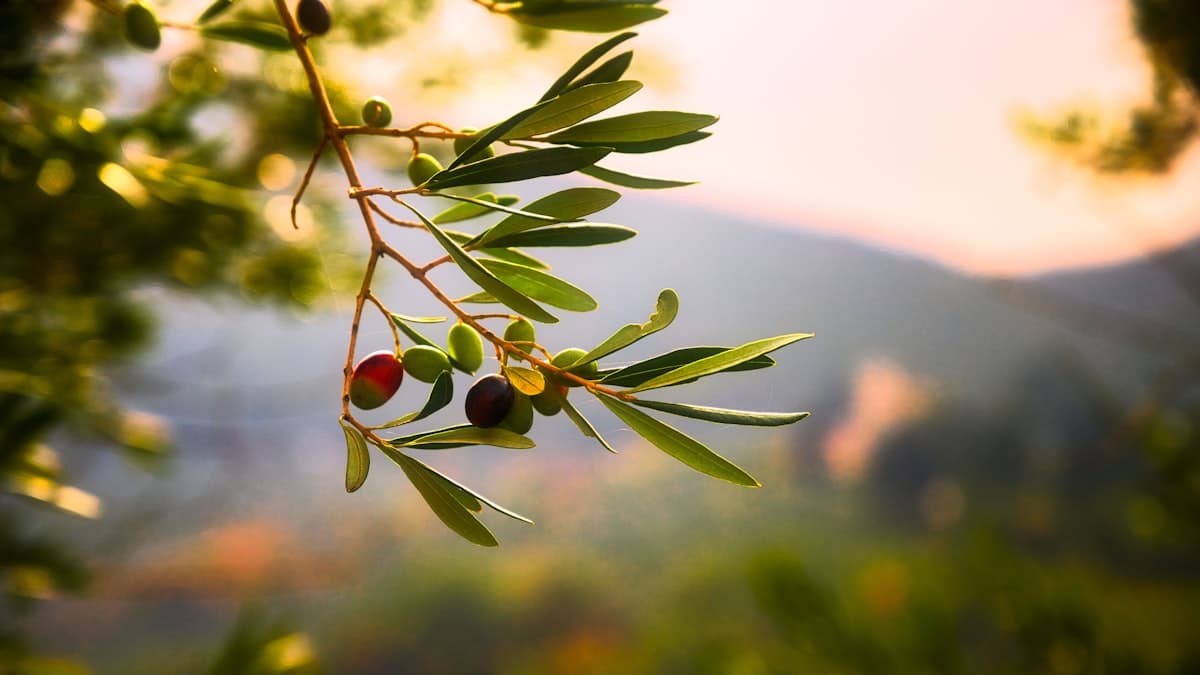
Granada, in Spain's southern region of Andalusia, is best known internationally for the Alhambra palace — but among olive oil professionals it is remembered for something else entirely. The foothills of the Sierra Nevada, sitting at 700 to 900 metres above sea level, combine wide diurnal temperature swings with limestone-rich soils, creating growing conditions that are genuinely unusual for olive cultivation. It is here that O-MED has chosen to work against the dominant model of the industry, building its extra virgin olive oil production around a single estate rather than the large cooperative structures that supply most of Spain's output.
O-MED first attracted broader attention in the early 2000s, when the founding family began farming their estate on the outskirts of Granada while keeping every step — from grove to press — under one roof. Industry observers credit that continuity of control for the brand's consistent record at EVOOLEUM and the New York International Olive Oil Competition (NYIOOC), two of the most closely watched international competitions in the category.

Cultivars and the Cold-Press Commitment
O-MED's main lines are built on two cultivars that define Andalusian olive oil: Picual and Hojiblanca. Each carries a distinct flavor identity.
Picual is the most widely planted cultivar across Andalusia. According to data from the International Olive Council (IOC), more than 50% of Spain's olive oil production comes from Picual, making it the dominant variety in the world's largest producing country. Its signature is unmistakable: fresh green grass, tomato leaf, a measured bitterness, and a long peppery finish. Its relatively high polyphenol content is associated with strong oxidative stability, which makes it well suited to both finishing and light cooking applications.
Hojiblanca reads differently — rounder, softer, with notes of almond and gently ripe fruit. It commands a loyal following in the premium segment, both as a single-variety expression and in blends. O-MED's Hojiblanca single-cultivar line has developed a dedicated audience in several international fine-food markets.
The production principle at O-MED is straightforward: olives harvested on a given day are transferred to the on-site mill that same day and pressed at temperatures below 27 °C. That discipline limits the generation of free fatty acids, keeping acidity low. The result is oil that is reported to come in well below the 0.8% acidity ceiling that international standards set for extra virgin classification.
Why Single-Estate Matters
'Single estate' or 'single origin' on an olive oil label is not purely a marketing expression. Under Codex Alimentarius guidelines and European Union regulations, such designations require verifiable traceability of origin and production — they cannot be applied to blended or co-operative oils of mixed provenance. The practical implication is real: a single-estate model removes the blending variables that can introduce batch-to-batch inconsistency, and it preserves the specific character of a particular terroir in each bottle.
According to statistics from Spain's Ministry of Agriculture, Fisheries and Food (MAPA), Spain accounts for 40 to 45% of global olive oil production — yet only a small fraction of producers operate on the single-farm premium model. The fact that brands like O-MED accumulate international competition awards on a recurring basis suggests that prioritizing quality control over economies of scale remains a viable strategy in the upper tier of the market.

How to Use Each Oil
O-MED's Picual-based oils, with their assertive grassiness, bitterness, and long peppery finish, perform well alongside bold flavors. Roasted vegetables, tomato-based pasta sauces, and quality aged cheeses are natural partners; a drizzle over the finished dish lets the oil's intensity stand alongside rather than disappear into the food. Picual's oxidative stability also makes it a reasonable choice for light sautéing, and many cooks use it accordingly.
The Hojiblanca range asks for more restrained company. Its delicate fruit notes work well with raw or lightly cured fish carpaccio, tender white-fleshed fish, and fresh green salads. It is also worth tasting neat — poured over good bread — to appreciate the oil's aromatic range without distraction.
For storage, keep bottles away from direct sunlight and heat. The International Olive Council (IOC) advises that cumulative air exposure after opening accelerates oxidation and can measurably alter flavor, so consuming the oil within two to three months of opening is the generally recommended practice for peak enjoyment.
It is a small linguistic detail, but worth noting: granada is the Spanish word for pomegranate, a reflection of the region's long agricultural tradition. A bottle of O-MED olive oil carries that tradition in a different form — the soil, the altitude, the climate, and the decision to keep everything on one farm.
Frequently asked questions
- What cultivars does O-MED use in its Granada olive oil?
- O-MED's flagship lines are built around two Andalusian cultivars: Picual, known for its bold grassy and peppery character, and Hojiblanca, which offers a softer, more almond-tinged profile. Both are available as single-variety expressions as well as blends.
- What does 'single estate' mean on an olive oil label?
- Under Codex Alimentarius and EU regulations, a single-estate or single-origin claim requires full traceability of origin and production. It means the olives were grown, harvested, and pressed on — or directly accountable to — one defined property, allowing the character of a specific terroir to come through in the bottle.
- How should I store O-MED olive oil after opening?
- Keep the bottle away from direct light and heat. The International Olive Council (IOC) notes that cumulative air exposure after opening accelerates oxidation and can alter flavor, so it is generally recommended to use the oil within two to three months of opening.
- What foods pair well with O-MED Picual versus Hojiblanca?
- The Picual line's intense grass, bitterness, and peppery finish hold up well against bold ingredients — roasted vegetables, tomato-based pasta sauces, or aged cheeses. Hojiblanca's delicate fruitiness suits lighter dishes: carpaccio of white fish, fresh salads, or simply bread dipped directly in the oil.
- How does same-day cold pressing affect olive oil quality?
- Pressing olives within hours of harvest, at temperatures below 27 °C, limits the formation of free fatty acids, keeping acidity low. O-MED's oils are reported to fall well below the 0.8% acidity threshold that international standards set as the ceiling for extra virgin classification.
Related reading
- The Farms That Keep Winning: A Guide to NYIOOC and Olive Japan Award Names
The world's two leading EVOO competitions honor hundreds of brands each year, yet Gold and Best in Class medals cluster around a surprisingly small circle of estates. A look at the 2024 results reveals which producers are setting the global standard.
- Spain's Top EVOO Estates: A Guide to the Names That Keep Winning
Not all single-estate Spanish olive oils occupy the same tier. From Jaén and Granada to the Tabernas Desert and Extremadura, this guide maps the Spanish houses that international competition judges and critic guides return to year after year.
- Castillo de Canena: How a 1780 Family Estate Became a Biodynamic EVOO Benchmark
A single Andalusian estate has been farming olives on the same land since 1780 — yet the premium reputation that precedes Castillo de Canena today was built largely in the last two decades, through biodynamic certification, cultivar transparency, and a deliberate repositioning in the global EVOO market.
- Beyond Tuscany: The Italian EVOO Estates Worth Knowing in Umbria and Sicily
Premium Italian extra virgin olive oil extends well beyond a Tuscany IGP label. From Carmignano to Palma di Montechiaro, three regions and their benchmark estates mapped out.
- Four Price Tiers of Extra Virgin Olive Oil — and What Each One Actually Buys You
From entry-level PET-bottle blends to single-estate premiums, the EVOO shelf divides into four distinct tiers. Knowing what separates them makes it easier to shop with intention.
- Korea's Cooking Oil Aisle Is Making Room for EVOO
Extra virgin olive oil is claiming a growing share of South Korea's cooking oil shelves, driven by single-person households, the home-cooking surge, and a wider wellness conversation. Here is how the shift is taking shape.
Tags