Guides
California and Australia: The New-World EVOO Producers Now Setting Their Own Standards
In roughly thirty years, California and Australia have built industrialized EVOO sectors complete with their own certification bodies. A look at what COOC and AOOA seals mean, and why Cobram Estate now presses about 65 percent of Australia's annual crop.
Translated from the Korean edition, originally published October 20, 2025 · read the original
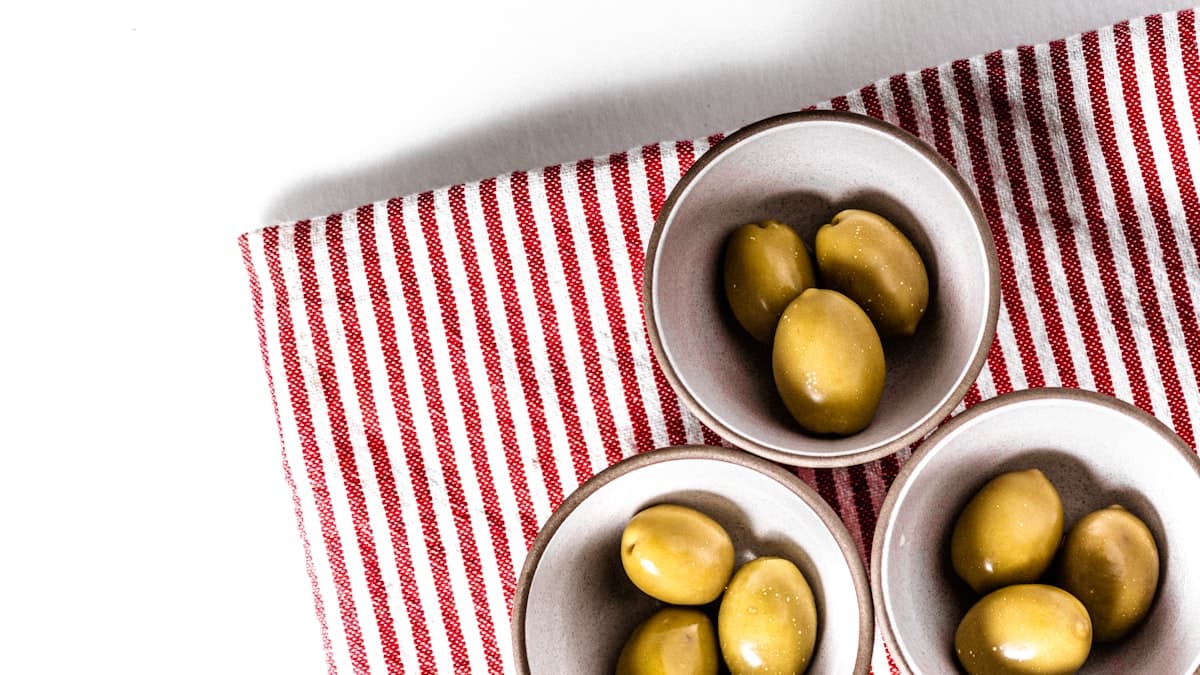
When most people picture extra virgin olive oil, Spain, Italy, and Greece come to mind first. Yet bottles labeled California and Australia have been appearing with increasing regularity on international shelves. New-world producing regions are no longer a novelty — they are an established part of the EVOO market, and they have brought their own certification frameworks with them.
California: An Industry Built in Thirty Years
California's EVOO industry took shape in earnest from the mid-1990s onward. The state's olive groves now cover approximately 37,000 acres — roughly 150 square kilometres — and annual output ranges between 2 million and 4 million gallons, or 7,500 to 15,000 tonnes by weight. Around 200 product lines receive the California Olive Oil Council's "Certified Extra Virgin" seal each year, with renewals required annually. Industry analysis suggests that approximately 95 percent of California EVOO reaches the market through just 13 handlers.
The California Olive Oil Council (COOC) has become the de facto standards body for the state. It issues its "Certified Extra Virgin" seal only after producers pass both laboratory analysis and a formal sensory panel, and the certification must be renewed each season. According to COOC data, more than 90 percent of California's olive oil production falls under its certification umbrella.
Australia: Counter-Seasonal Pressing in the Southern Hemisphere
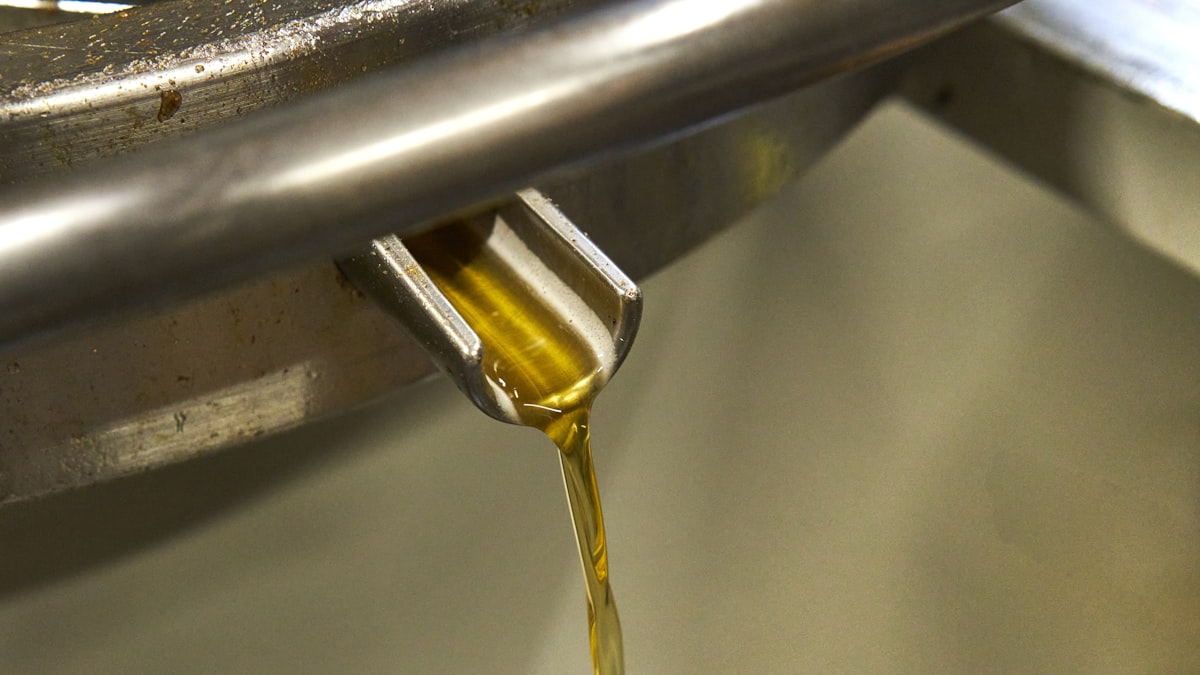
Australia's position in the Southern Hemisphere means its harvest and pressing calendar runs in the opposite direction from the Mediterranean. While Spain, Italy, and Greece press between October and January, and California between October and December, Australian mills are active from May through July. For anyone searching for a freshly pressed EVOO between August and October — the Northern Hemisphere's off-season — Australian origin is one of the closest available options.
The Australian Olive Oil Association (AOOA) estimates 2024 harvest volume at approximately 13,000 to 14,000 tonnes. As of 2025, the domestic Australian market is estimated at roughly 60.17 million litres, equivalent to around 50,000 tonnes.
At the centre of the Australian industry is a company founded in 1998, formerly known as Boundary Bend and now operating as Cobram Estate. Its 2024-season output reached approximately 10.1 million litres (9,292 tonnes), accounting for around 65 percent of Australia's total production that year. Cobram Estate markets oil under its own Cobram Estate and Red Island brands, and also supplies private-label lines.
The AOOA operates a "Certified Quality" seal using an approach similar to COOC: the certification is awarded only to product lines that pass both laboratory testing and sensory evaluation.
What New-World EVOO Adds to the Shelf
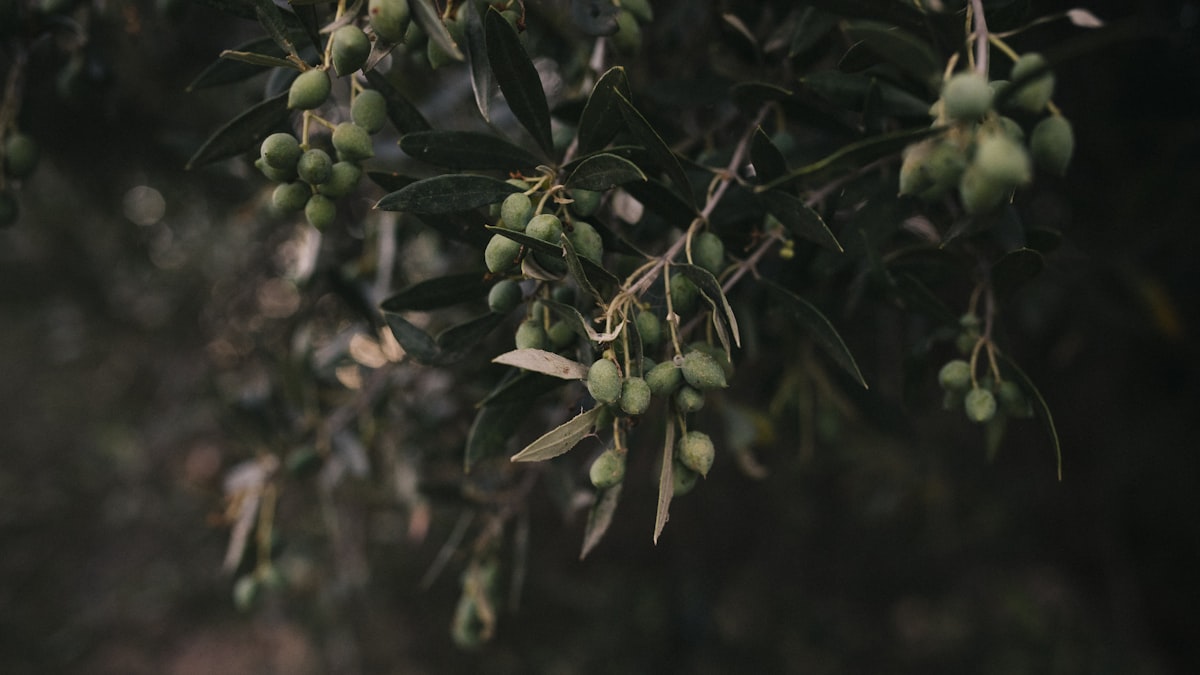
Compared with traditional Mediterranean origins, California and Australia bring three distinct contributions to the EVOO market. First, counter-seasonal freshness: Australian oil pressed in May–July fills the gap when Northern Hemisphere producers are between harvests. Second, traceable labeling: the COOC and AOOA certification seals have established themselves as recognizable quality benchmarks backed by independent testing. Third, new-world varietal blending: Tuscan, Andalusian, and Greek cultivars are grown side by side within a single region and frequently blended in ways that differ from the single-varietal traditions of their countries of origin.
When selecting a new-world EVOO, three label details are worth checking: the presence of a COOC or AOOA seal; a stated harvest year and pressing month; and a cultivar or blend declaration. It is also worth noting that blends are considerably more common than single-varietal oils in both California and Australia.
Thirty years in olive oil is a short time set against the Mediterranean's four-thousand-year history. Even so, the speed at which California and Australia have industrialized and standardized their sectors is widely noted. What new-world EVOO has introduced to the shelf is less another origin story than another model of quality assurance.
Frequently asked questions
- Is California EVOO a certified category?
- Yes. The California Olive Oil Council (COOC) issues a 'Certified Extra Virgin' seal to producers that pass its laboratory testing and sensory evaluation. According to COOC data, more than 90 percent of California's olive oil production sits under that certification umbrella, and roughly 200 product lines receive or renew the seal each year.
- When is Australian olive oil harvested compared to European oil?
- Because Australia is in the Southern Hemisphere, its harvest runs from May through July — the mirror opposite of Spain, Italy, and Greece (October–January) and California (October–December). That counter-seasonal timing means freshly pressed Australian EVOO can reach shelves during the Northern Hemisphere's off-season, typically arriving between August and October.
- What is Cobram Estate and how large is it?
- Cobram Estate is an Australian olive oil company founded in 1998, previously known as Boundary Bend. According to company figures, its 2024-season output was approximately 10.1 million litres (9,292 tonnes), representing around 65 percent of Australia's total production that year. It markets oil under the Cobram Estate and Red Island brands, as well as private-label lines.
- How big is the Australian olive oil market?
- The Australian Olive Oil Association (AOOA) estimates 2024 harvest volume at approximately 13,000 to 14,000 tonnes. As of 2025, the domestic market is estimated at roughly 60.17 million litres, equivalent to around 50,000 tonnes.
- What should I look for on a new-world EVOO label?
- Three details are worth checking: whether the bottle carries a COOC or AOOA certification seal; whether the harvest year and pressing month are stated; and whether the cultivar or blend is identified. Blends are more common than single-varietals in both California and Australian EVOO, so the absence of a single cultivar name is not unusual.
Related reading
- Spain, Italy, Greece: How the Three EVOO Heartlands Taste Different
Spain, Italy, and Greece together account for more than 80 percent of the world's extra virgin olive oil, according to the International Olive Council — yet the flavors they produce could hardly be more distinct.
- Tunisia's Olive Oil Is No Longer Just a Bulk Story
Tunisia has reclaimed its position as the world's second-largest EVOO producer and is steadily expanding single-cultivar labelling — a shift that is reframing a country long associated with anonymous bulk supply.
- Italy's Four EVOO Regions: Why the Label Needs to Say More Than 'Product of Italy'
A bottle labeled simply 'Product of Italy' tells you almost nothing about flavor. Here is a region-by-region guide to the four Italian areas—Tuscany, Puglia, Sicily, and Liguria—whose cultivars and sensory profiles could not be more different.
- Andalusia: How One Region Came to Produce a Third of the World's Olive Oil
From Phoenician traders to single-estate pressing, Spain's Andalusia has held its place at the center of global olive oil production for more than a thousand years. A look at the history behind the world's largest EVOO-producing region.
- Arbequina: From Catalonia to Andalusia's Super-High-Density Groves
The most common single-cultivar extra virgin olive oil on global shelves did not originate in Andalusia. This guide traces Arbequina from its Catalan home village to the intensive groves that now define its commercial reach.
- Koroneiki: The Cultivar Behind More Than Half of All Greek EVOO
One cultivar accounts for the majority of Greece's extra virgin olive oil output. Here is why Koroneiki became the country's industry standard — and what to look for on the label.
Tags
- california evoo
- australia olive oil
- cooc
- aooa
- cobram estate
- new world olive oil